



Turkey sits where two continents meet, and I think that’s what makes it so special.
What to See in Turkey includes everything from ancient cities to turquoise beaches and otherworldly landscapes.
This guide covers 29 remarkable places across the country. I’ve organized this to help you plan your trip based on what matters most to you. You’ll find historical sites, coastal towns, mountain ranges, and cultural hubs.
The information comes from real travel experiences and trusted sources.
If you’re planning your first visit or your fifth, you’ll know exactly where to go and why each place matters.
Why Turkey Should Be on Your Travel List
Turkey offers something rare: a country where ancient history meets modern life across two continents. You can walk through ruins older than Rome in the morning and relax on Mediterranean beaches by afternoon.
The diversity here is real.
Snow-capped mountains in the east, thermal pools in the west, underground cities in the center, and coastal towns throughout. I’ve found that Turkey rewards both quick visits and long stays.
Food varies by region, landscapes change every few hours of driving, and each area has its own character.
The mix of European and Asian influences creates a culture you won’t find anywhere else.
What to See in Turkey – 29 Must-Visit Places
Find diverse regions across Turkey featuring historical landmarks, natural wonders, beach destinations, and cultural sites worth visiting on your trip.
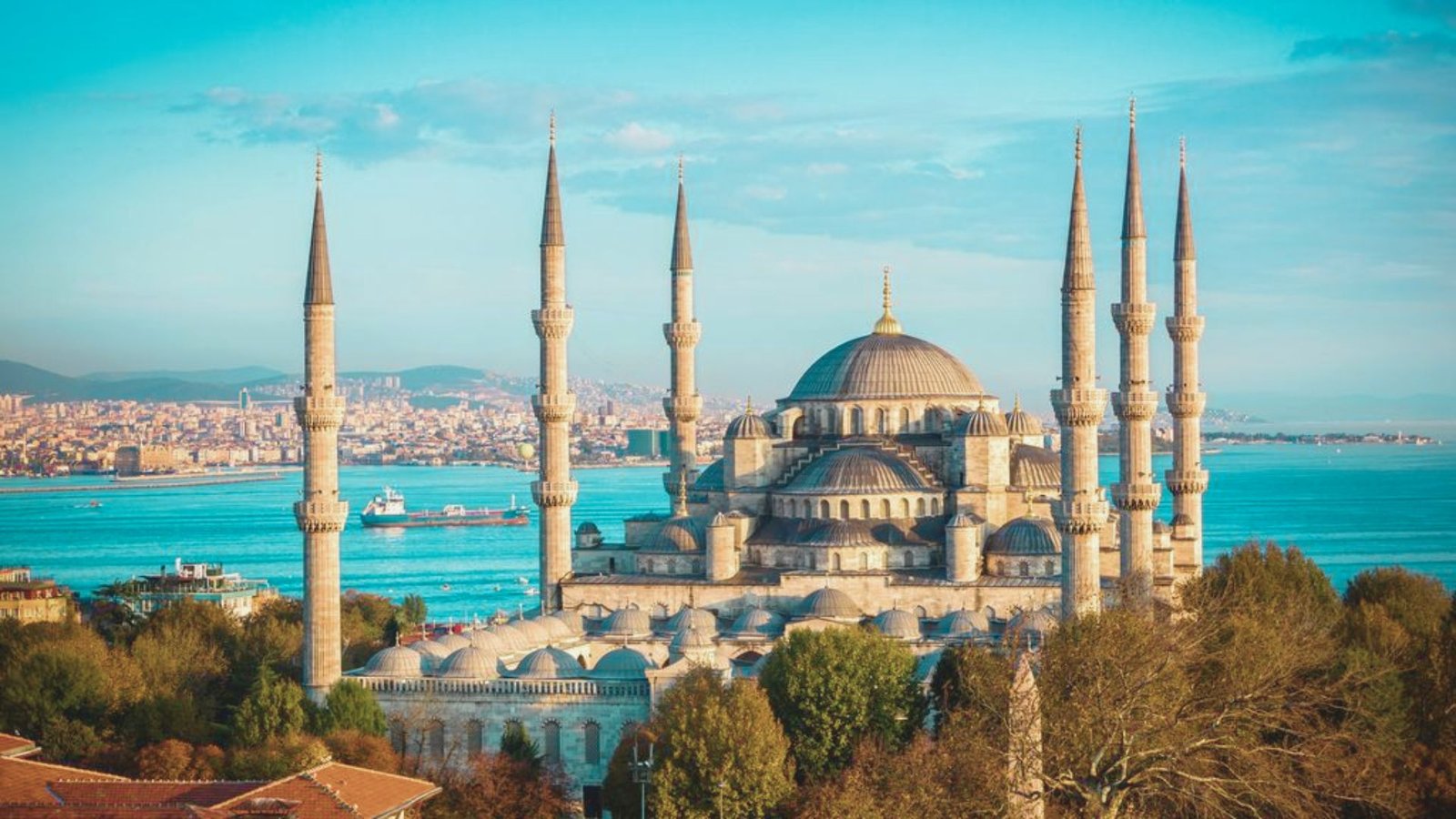
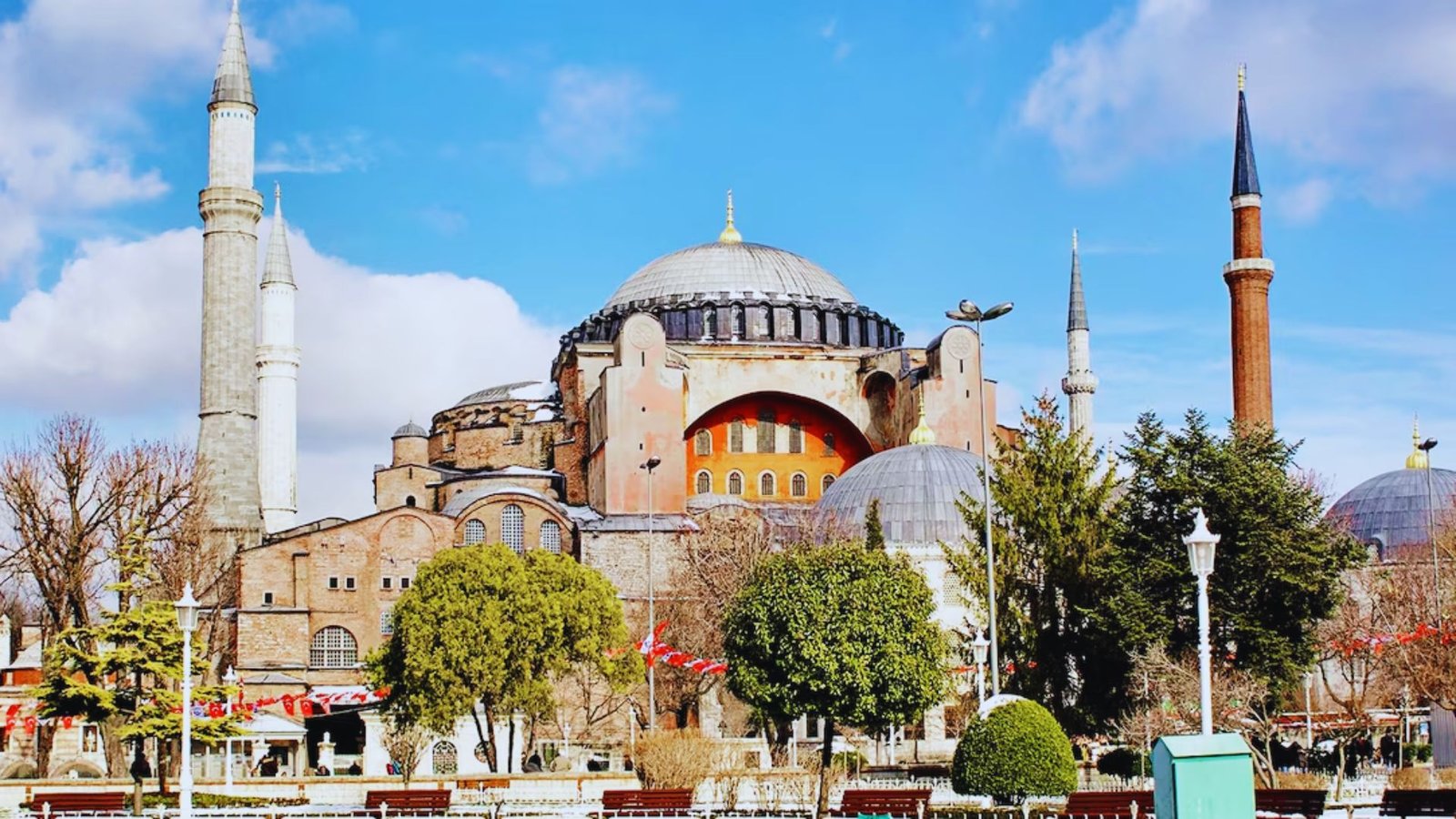
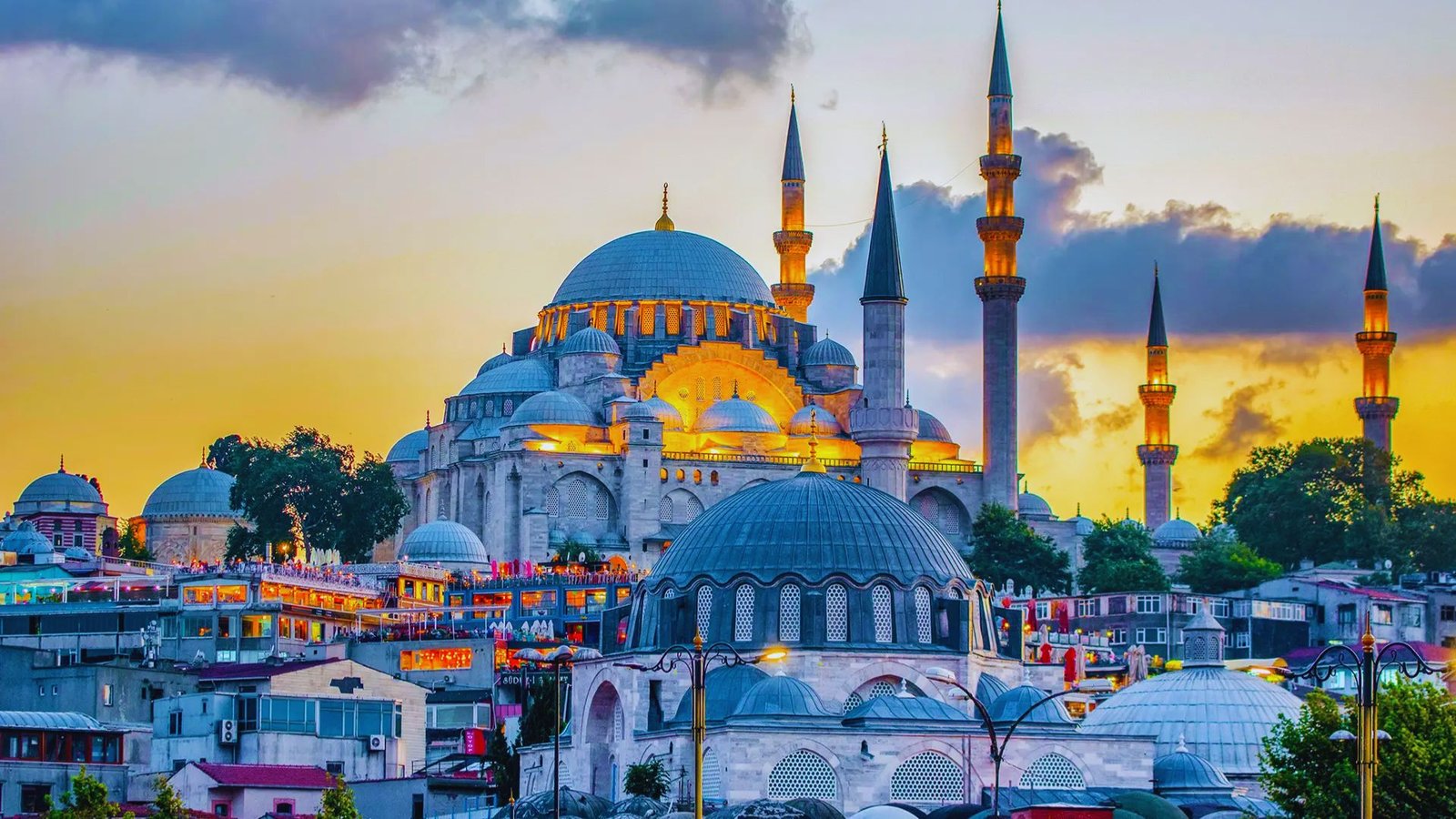
- Istanbul: Istanbul bridges Europe and Asia across the Bosphorus Strait. Visit Hagia Sophia, the Blue Mosque, and the Grand Bazaar with over 4,000 shops. Take a ferry ride to see the city skyline. The Topkapi Palace shows how Ottoman sultans lived.
- Pamukkale: White calcium terraces cascade down the hillside. The mineral-rich water flows from the hot springs above. Walk through the shallow pools barefoot. The ancient city of Hierapolis sits at the top.
- Cappadocia: Rock formations called fairy chimneys rise from the valleys. Stay in cave hotels and find underground cities. Hot air balloons fill the sky at sunrise. Hike through Rose Valley and Love Valley.
- Antalya: This Mediterranean city combines beaches with old town charm. The historic quarter Kaleici has Ottoman houses and narrow streets. The ancient Roman harbor sits at the base of cliffs.
- Ephesus: Walk down marble streets where Romans walked 2,000 years ago. The Library of Celsus facade still stands with its columns. A massive theater could hold 25,000 people.
- Kars: This northeastern city sits near the Armenian border. Russian architecture fills the town center. Local cheese called gravyer is famous throughout Turkey.
- Ani Ruins: Medieval city ruins spread across empty plains. Stone churches and city walls remain from when 100,000 people lived here. The Cathedral of Ani dates to 1001 AD.
- Mount Ararat: Turkey’s highest peak reaches 5,137 meters. According to tradition, Noah’s Ark came to rest here. You need a climbing permit to attempt the summit.
- Sumela Monastery: This Greek Orthodox monastery clings to a cliff face. Monks built it in 386 AD. The buildings sit 1,200 meters above the valley floor. You climb steep paths to reach the entrance.
- Bodrum: White buildings cascade down hills to the blue Aegean Sea. The Castle of St. Peter houses a maritime museum. Beach clubs and restaurants line the coast.
- Ankara: Turkey’s capital city sits in central Anatolia. The Museum of Anatolian Civilizations holds artifacts from 7,500 BC to the present day. Anitkabir is the mausoleum of Mustafa Kemal Ataturk.
- Fethiye: This coastal town sits in a natural harbor surrounded by pine-covered mountains. Ancient Lycian rock tombs are carved into cliffs above the marina. Take boat trips to nearby bays and islands.
- Ölüdeniz Beach: A curved bay with calm turquoise water protected by a sand spit. The Blue Lagoon appears in countless travel photos. Paragliders launch from Babadag Mountain above.
- Butterfly Valley: A steep canyon opens to the Mediterranean at this isolated beach. Reach it by boat or hiking down a challenging trail. Jersey tiger butterflies fill the valley in summer.
- Troy: The legendary city from Homer’s Iliad sits on a hill overlooking the Dardanelles. Nine cities were built here over 4,000 years ago. A wooden horse replica stands at the entrance.
- Pergamon: This ancient Greek city spreads across a mountaintop. A steep cable car takes you to the Acropolis ruins. The library once held 200,000 scrolls.
- Kaş: A small town on the Turquoise Coast with a relaxed atmosphere. Stone houses and bougainvillea line narrow streets. Snorkel, dive, or kayak in clear waters.
- Kaputaş Beach: A small beach sits at the bottom of a steep gorge between two cliffs. Descend 170 steps to reach the sand. The water shifts between turquoise and deep blue.
- Van: This eastern city sits on the shore of Turkey’s largest lake. Kurdish culture is strong in the region. Try Van breakfast, a massive spread of local cheeses, honey, and dishes.
- Lake Van: A massive saltwater lake formed by volcanic activity. The water has high alkalinity. The lake sits at 1,640 meters elevation surrounded by mountains.
- Akdamar Island & Church: A small island in Lake Van holds a 10th-century Armenian church. The Church of the Holy Cross has detailed stone carvings covering its exterior walls. Reach the island by a short boat ride.
- Mardin: A city built on a hillside with views across the Mesopotamian plains. Golden limestone buildings have flat roofs and arched doorways. Christian and Muslim communities have lived here together for centuries.
- Patara: This ancient Lycian city has extensive ruins near a long sandy beach. The beach stretches for 18 kilometers. Patara was the birthplace of Saint Nicholas.
- Safranbolu: An Ottoman town preserved with traditional wooden houses. The old town has 1,000 registered historical buildings. It’s recognized by UNESCO for its architecture.
- Alaçatı: A stone village turned resort town on the Aegean coast. Greek-style houses line cobblestone streets. Windsurfers come here for consistent winds.
- Göbekli Tepe: The world’s oldest known temple complex dating to 9600 BC. Stone pillars were carved before pottery or metal tools existed. Only 5% has been excavated.
- Konya: A conservative city known as the home of Rumi, the Sufi poet. The Mevlana Museum holds his tomb. Whirling dervishes perform their spinning meditation here.
- Hierapolis: An ancient city built above the travertine terraces of Pamukkale. Romans developed this as a spa destination. The Cleopatra Pool lets you swim among ancient columns.
- Düden Waterfalls: Two waterfalls near Antalya where the Düden River meets the sea. Water cascades through a cave system you can walk behind. The lower falls drop directly into the Mediterranean from 40-meter cliffs.
Travel Tips for Visiting Turkey
Plan your Turkey trip with these practical tips covering seasons, transportation, cultural norms, and safety essentials for travelers.
- Spring (April-May) and fall (September-October) offer the best weather with mild temperatures and fewer crowds, while summer is perfect for beaches and winter suits Istanbul visits.
- Domestic flights and comfortable bus routes connect major cities quickly, while rental cars give you freedom to seek small towns and ruins at your own pace.
- Remove shoes when entering homes, dress modestly at mosques with covered shoulders and knees, and women should carry a scarf for head covering when visiting religious sites.
- Learn basic Turkish phrases like “merhaba” (hello), accept tea offerings as part of hospitality, and ask permission before photographing people to respect local customs.
- Keep passport copies separate from the original, stay aware in crowded areas, drink bottled water in smaller towns, and download offline maps for remote regions.
Conclusion
Turkey has stolen my heart over multiple visits, and I’m still finding new corners to find.
Each region offers something different, the coastal charm of Antalya feels worlds away from Cappadocia’s fairy chimneys.
My advice? Pick what speaks to you and go. History buffs will thrive in Ephesus, while beach lovers might never leave Bodrum. I’ve learned the best memories come from following what genuinely excites you.
Which of these 29 places would you visit first? Share your thoughts in the comments below.
Frequently Asked Questions
How many days do you need to see Turkey?
Plan at least 10 days for major highlights like Istanbul, Cappadocia, and the coast. Two weeks allows you to add eastern regions or spend more relaxed time in each location.
Is Turkey safe for solo travelers?
Turkey is safe for solo travelers who follow basic safety practices. Stick to well-traveled areas, stay aware of your surroundings, and avoid walking alone late at night.
What’s the best region for first-time visitors?
Start with Istanbul, Cappadocia, and the Turquoise Coast for a well-rounded first trip. These areas offer good infrastructure and represent Turkey’s history, nature, and culture.
Do I need a visa to visit Turkey?
Most nationalities need an e-visa that you apply for online before travel. The process takes minutes and costs around $50 for Americans, though rates vary by nationality.
What currency does Turkey use?
Turkey uses the Turkish Lira (TRY). Credit cards work in cities and tourist areas, but carry cash for small towns, markets, and rural regions.