
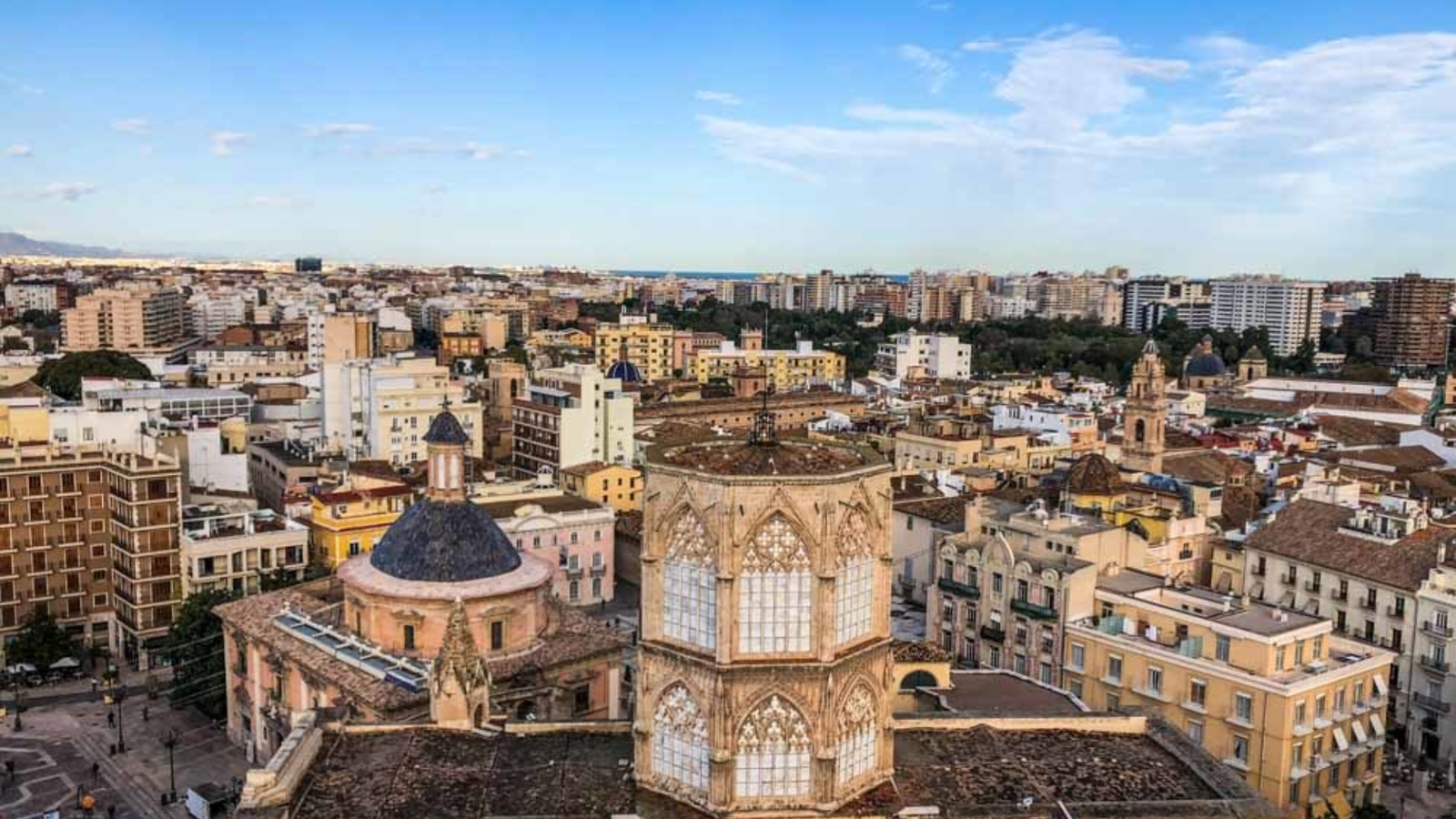






I visited Valencia expecting beaches and paella, but the city offered much more. It combines the best of Spain’s larger cities without the crowds or high prices. The City of Arts and Sciences sits near a 2,000-year-old cathedral, and you can enjoy lunch and a swim in the Mediterranean.
I spent three days testing what works for first-time visitors. The itinerary covers the main attractions, local neighborhoods, and restaurants I actually visited. It includes a simple day-by-day plan with morning, afternoon, and evening suggestions.
Valencia feels more authentic and affordable than Barcelona or Madrid. I also share practical tips on where to stay, getting around, and a realistic budget, making it easy to enjoy the city fully in three days.
Planning Your Valencia Trip: What I Learned Before Going
I made some mistakes planning my Valencia trip. But I also got a lot of things right. Here’s what actually mattered when I arrived.
Best Time to Visit Valencia
The best months to visit Valencia are May, June, and September. You get warm beach weather without the extreme heat. Spring and fall also mean fewer crowds and better hotel rates.
I avoided July and August because temperatures hit 40 degrees Celsius. That’s too hot for walking around all day. Winter is surprisingly comfortable with temperatures between the mid-40s to mid-60s. If you can time your visit for mid-March, the Las Fallas festival is a month-long celebration with building-sized sculptures that they actually burn.
Getting to Valencia
Valencia has its own international airport with direct connections throughout Europe. The airport is only 20 minutes from the city center. Metro lines 3 and 5 connect the airport to different neighborhoods.
I took the metro, and it was straightforward. Everything was in English, and the ticket machines were easy to use. Getting from the airport to my Airbnb took less than 30 minutes total.
Getting Around Valencia
Walking works perfectly for the city center. Most spots are a maximum of 30 minutes apart on foot. Public buses cost about 1.50 EUR per trip, and you can use Google Maps to find bus stops and timetables.
I rented a bicycle on my second day to visit Turia Park and get to the City of Arts and Sciences. Best decision I made. The Valencia Tourist Card includes free transportation and museum admissions, which saves money if you’re visiting multiple attractions.
Where to Stay in Valencia
I stayed in Ruzafa, and I’d do it again. This neighborhood is perfect for first-timers. It’s a 20-minute walk from the old center and 30 minutes from the City of Arts and Sciences.
Ruzafa is filled with trendy cafes, bars, and vintage shops. It feels like a real neighborhood, not just a tourist area. I found an affordable Airbnb for around 50 EUR per night for two people.
Budget for Valencia
Valencia surprised me with how affordable it was. Espresso costs 1.50 EUR, meals range from 4 to 20 EUR, and el menu del dia offers three courses for only 15 EUR. Local transport costs 1.50 to 6 EUR per trip, and drinks in clubs run 5 to 12 EUR.
My daily budget averaged around 60 EUR, including food, transportation, and attractions. That’s way less than what I’d spend in Barcelona or Madrid. Hotels and Airbnbs start at 40 EUR per night, while hostels range from 20 to 40 EUR.
My Three-Day Valencia Itinerary
I spent three days testing what works for first-time visitors. Here’s exactly how I’d do it again.
Day One: Visiting Valencia’s Historic Center
- Start with breakfast in Ruzafa, enjoying tomato toast and coffee, then wander the colorful streets, vintage shops, and local restaurants.
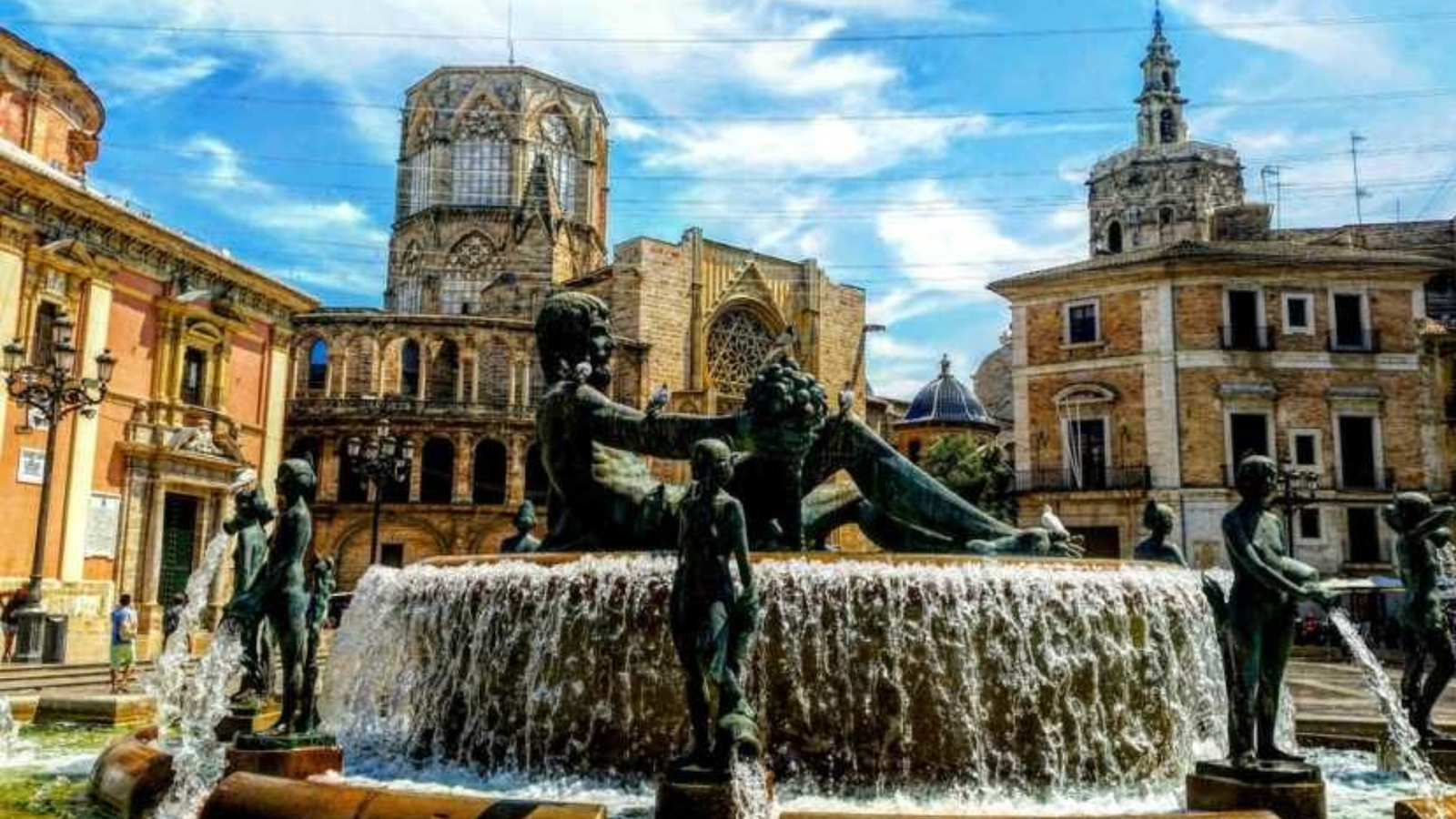
- Visit Valencia Cathedral, climb Miguelete Tower, and visit hidden gems like Torres de Serranos, La Estrecha, and Plaza Redonda.
- Have lunch at Mercado Central, visit Church of San Nicolás and Silk Exchange, and enjoy evening tapas or outdoor bachata in El Carmen.
Day Two: City of Arts and Sciences and the Beach

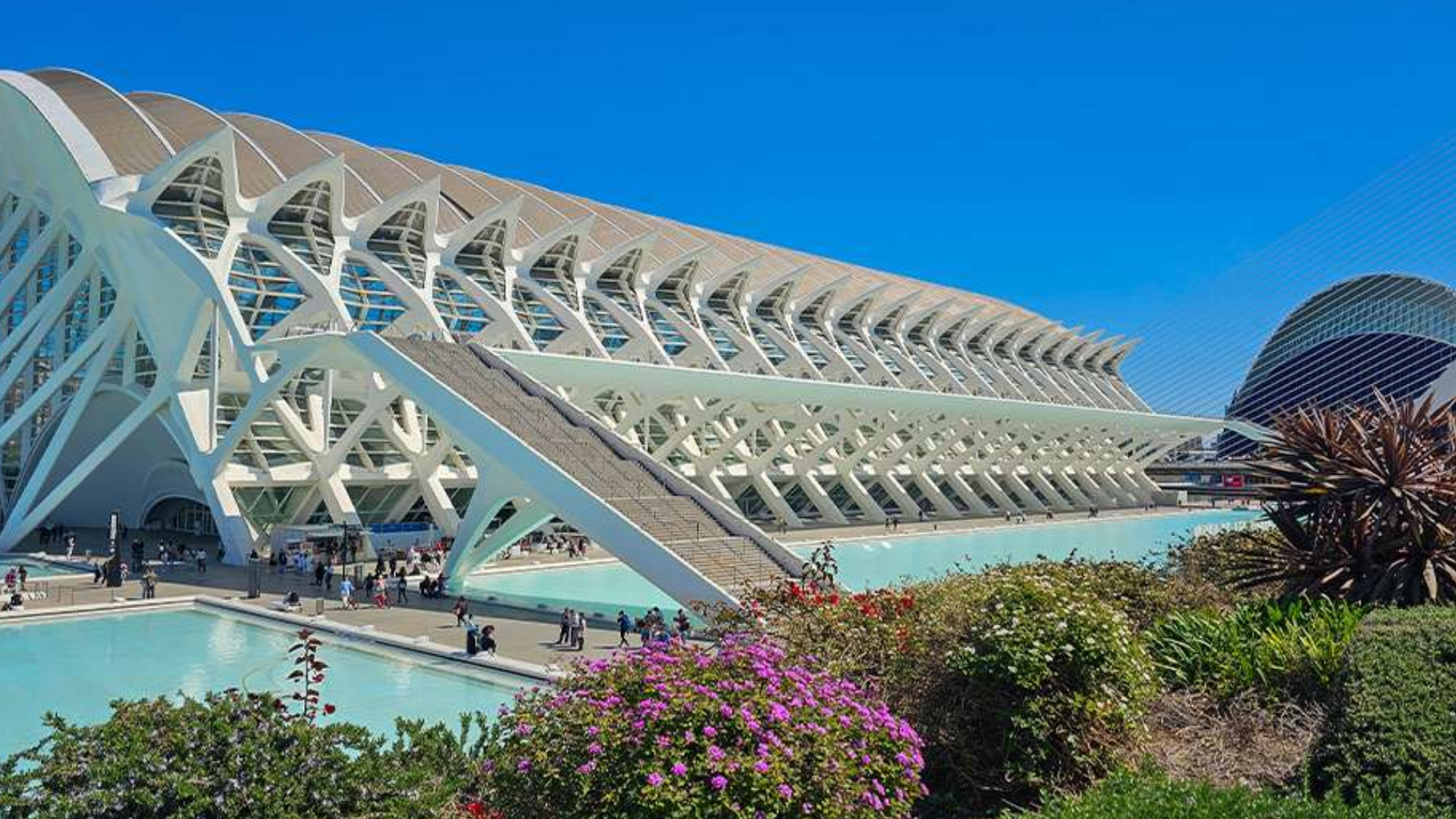
- Visit the City of Arts and Sciences and the Oceanographic aquarium, accessible via a 45-minute bus ride from the city center.
- Cycle through Turia Park, a 7-kilometer green space built on a drained river, then head to the beach and visit the El Cabanyal neighborhood.
- Dine in Ruzafa at tapas bars, Italian or Sardinian restaurants, or creative cheese menus. Remember dinner starts around 9 PM.
Day Three: Museums and Relaxation
- Visit Fallas Museum, La Almoina Archaeological Museum, and Torres de Serranos, taking advantage of free Sunday admissions.
- Walk through Turia Gardens, observe local life, stop at Mochisan for coffee and mochi, and optionally revisit the beach or Mercat Central.
- Enjoy an evening picnic in Turia Park with music, drinks, and sunset views near the City of Arts and Sciences until around 10 PM.
Valencia’s Nightlife: What Actually Worked
I experienced Valencia’s nightlife on Thursday and Saturday, where parties last until early morning. Havana offers Latin music and reggaeton with mostly local crowds, making visitors feel welcome.
L’Umbracle becomes an outdoor club on Friday and Saturday with a distinctive garden setting, while MYA opens on Sundays. Music includes pop, Afro beats, and Latin tunes, and drinks cost between 5 and 12 EUR.
Where to Eat in Valencia: My Actual Recommendations
I ate at a lot of places in Valencia. Some were amazing, some were just okay. Here’s where I’d go back and where I’d skip.
Breakfast and Lunch Spots
Artysana is cheap and delicious. I went here twice for breakfast because the tomato toast was perfect. Bluebell in Ruzafa has its own coffee brand that’s worth trying.
Black Bird and Blue Bell coffee bar are both good options. I grabbed coffee at Blue Bell before renting bikes on day two. Fran Cafe has the best iced matcha latte I’ve ever tried. I went back three times just for this drink.
Dinner Recommendations
San Tommaso books months in advance for good reason. The Italian food is incredible, and the burrata and cheeseboard are must-orders. If you can’t get a reservation, don’t stress because Valencia has plenty of other great options.
Quesomentero serves a 32 EUR menu with different cheeses, dishes, and drinks. La Bernarda has traditional Valencian cuisine and rice dishes. Bar & Kitchen offers fresh, homemade international food if you need a break from Spanish food.
Must-Try Local Items
In Valencia, you can’t miss pan con tomate for breakfast, traditional paella, and the famous Agua de Valencia cocktail made with oranges, cava, gin, and vodka. Fresh produce and jamon from Central Market are also a must-try.
Paella is the highlight, and each restaurant prepares it differently, so it’s worth trying more than once. I had my best paella in El Carmen at a local spot, proving you don’t need a fancy restaurant to enjoy it. Mochi from Mochisan is another tasty treat not to miss.
Practical Tips for Valencia First-Timers
These small things made a big difference. Learn from what I did wrong. Pack smart, and you’ll enjoy Valencia more.
- What to Pack: Bring comfortable walking shoes, light clothes for warm days, nicer outfits for evenings, sunscreen, water, a travel adapter, and basic first-aid items.
- Money-Saving Tips: Visit in spring or fall, use the Valencia Tourist Card, take advantage of free museum days, try el menu del dia, and buy picnic supplies from supermarkets.
- Booking in Advance: Reserve popular restaurants like San Tommaso, book Las Fallas accommodations early, and check online for City of Arts and Sciences deals.
- Entry Requirements: US passports must be valid for three months after departure, stays under three months don’t require a visa, and check current travel rules before leaving.
- Local Lifestyle Tips: Embrace late dinners, wander at a relaxed pace, join free walking tours or a guided bike tour, and leave Turia Park before 10 PM.
Conclusion
This Valencia itinerary is based on three days of firsthand experience, giving a clear plan to see the city’s highlights. You can enjoy historic sites, modern landmarks, beaches, and local neighborhoods without the crowds or high costs of larger Spanish cities.
Balance is key to enjoying Valencia. Combine must-see attractions like the City of Arts and Sciences with visits to Ruzafa and El Carmen. Treat yourself to one memorable paella dinner and save money with picnic lunches. Renting a bike allows you to move around easily and experience the city like locals.
Valencia exceeded my expectations with its food, affordability, and lively energy. Three days is enough to take in the main sights while still soaking up local life. If you have questions about planning your visit, leave a comment, and I’ll provide tips based on my experience.
Frequently Asked Questions
How many days do you need in Valencia?
Three days is perfect for first-time visitors. You’ll have time to visit the historic old town, visit the City of Arts and Sciences, relax at the beach, and experience local neighborhoods like Ruzafa. Add an extra day if you want a slower pace or plan to visit during the Las Fallas festival.
What is the best time to visit Valencia?
May, June, and September offer the best combination of warm beach weather without extreme heat. Spring and fall also mean fewer crowds and better hotel rates. Avoid July and August when temperatures reach 40 degrees Celsius. Visit mid-March for the Las Fallas festival.
Is Valencia cheaper than Barcelona or Madrid?
Yes, Valencia is significantly more affordable. Expect to spend around 60 EUR per day, including food, transportation, and attractions. Meals range from 4 to 20 EUR, hostels start at 20 EUR per night, and hotels begin at 40 EUR. El menu del dia offers three courses for only 15 EUR.
Where should I stay in Valencia as a first-timer?
Stay in the Ruzafa neighborhood. It’s a 20-minute walk from the old center and 30 minutes from the City of Arts and Sciences. The area is filled with trendy cafes, bars, and vintage shops, plus affordable Airbnbs around 50 EUR per night for two people.
What foods must I try in Valencia?
Don’t miss traditional paella with chicken, rabbit, and snails at local restaurants in El Carmen. Try pan con tomate for breakfast, fresh produce and jamon from Mercado Central, Agua de Valencia cocktail, and mochi from Mochisan. Avoid tourist trap restaurants and eat where locals eat.