




I remember my first time in Oslo, and I was blown away by how much this city offers.
You’ll find rich culture, fascinating history, and beautiful nature all in one place. The fjords are stunning, and the modern buildings blend perfectly with old-world charm.
I’ve put together this guide based on my experiences and tips from locals I met along the way.
Whether this is your first visit or you’re coming back, you’ll find the best attractions and activities that make Oslo special.
Let me show you around this incredible city.
Why Visit Oslo, Norway?
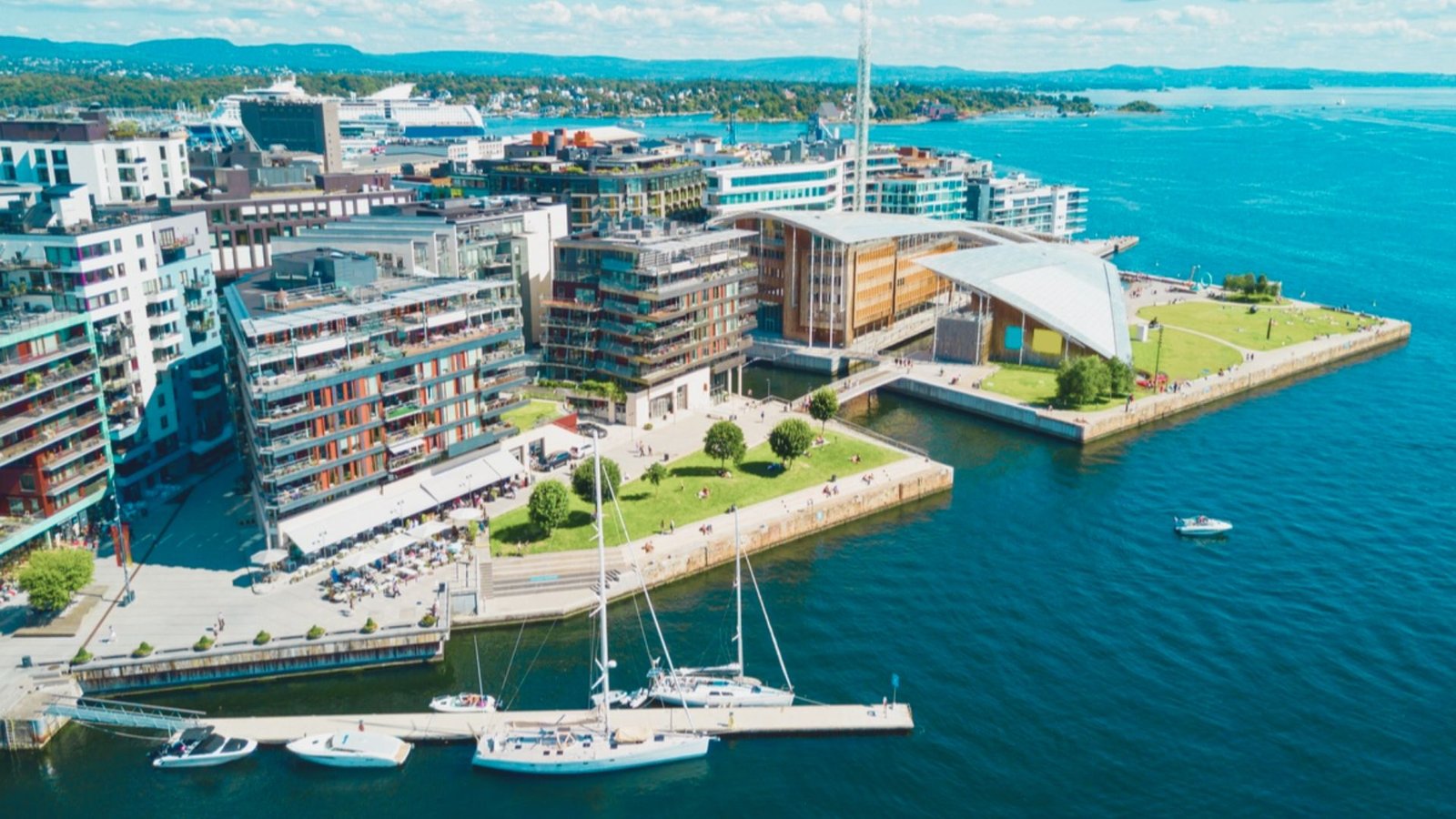
Oslo gives you the best of both worlds. You can spend your morning exploring world-class museums and art galleries, then hike through forests or sail to nearby islands in the afternoon.
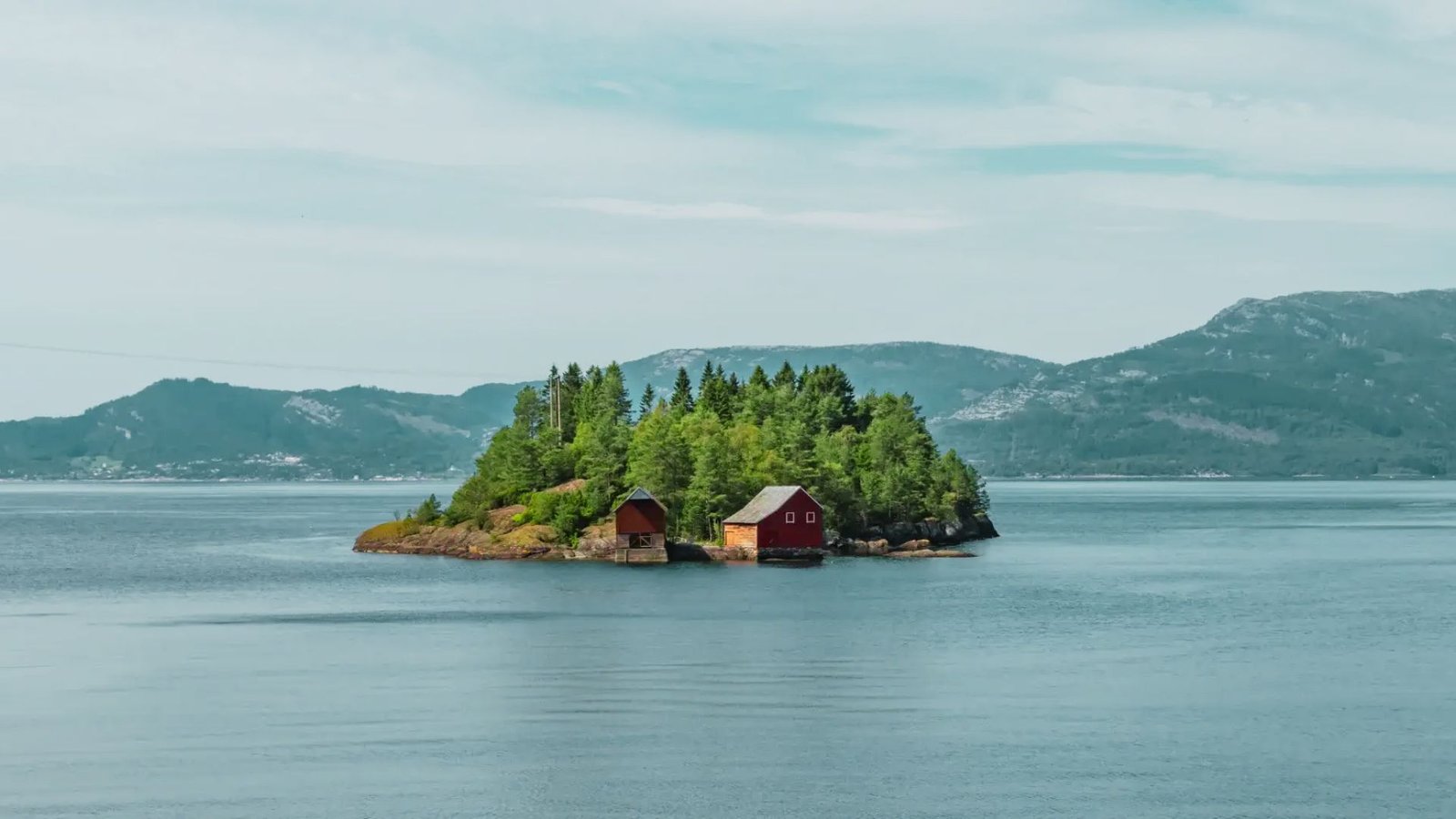
The city sits right next to fjords, so nature is always close by.
History lovers will appreciate the Viking and maritime heritage found throughout the city. There’s something here for every season too.
Summer brings long days perfect for outdoor activities, while winter offers skiing and cozy experiences. Oslo works for any type of traveler, any time of year.
Top Things to Do in Oslo, Norway
From museums and parks to fjord cruises and local food, here are the top activities you shouldn’t miss in Oslo.
1. Explore the Oslo Opera House
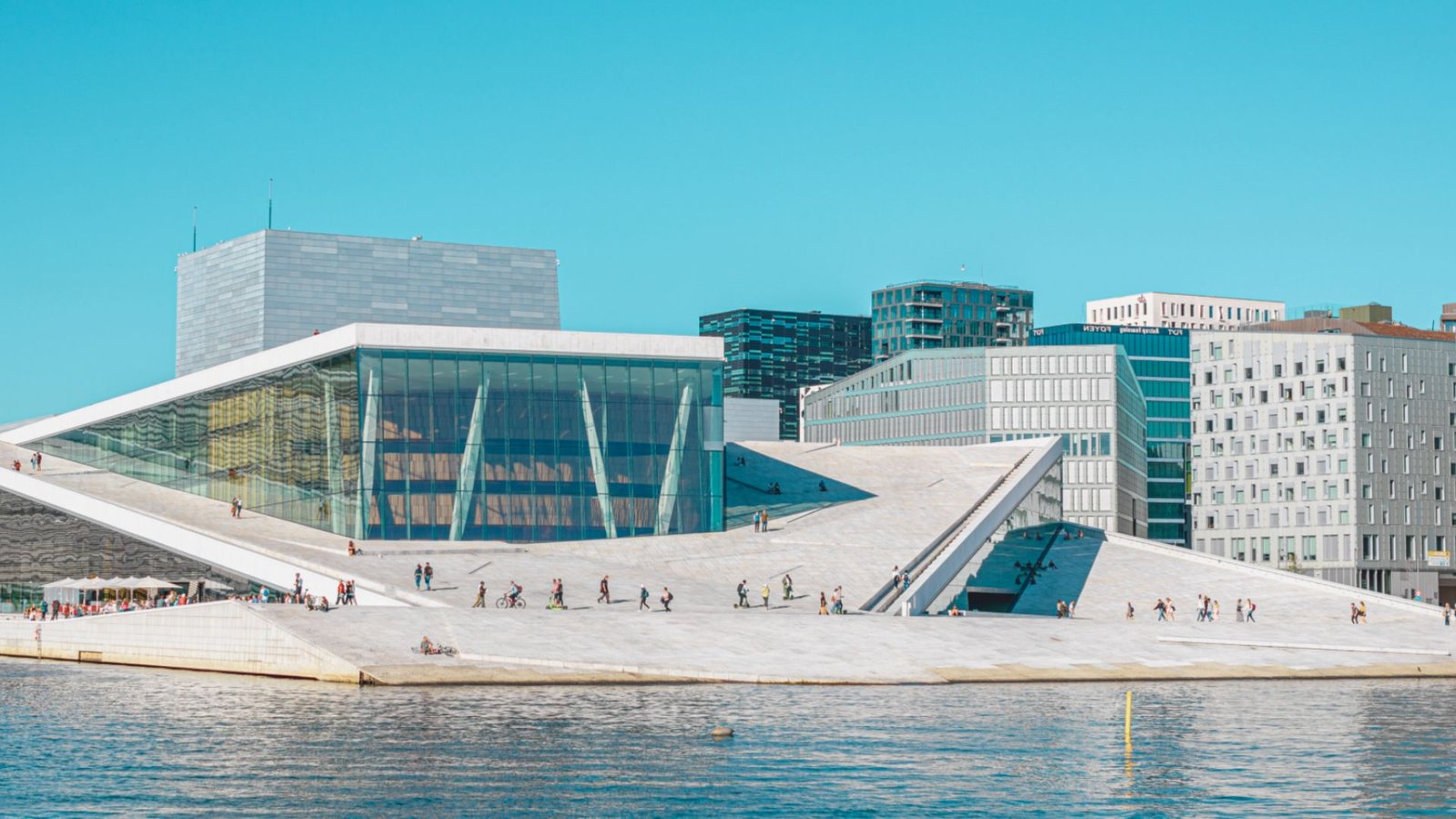
The Opera House is one of Oslo’s most recognizable buildings. You can walk right up onto the slanted roof for free.
From the top, you’ll get amazing views of the fjord and city skyline. It’s a great spot for photos, especially during sunset. The building itself is a work of art worth seeing.
2. Visit the National Museum of Norway
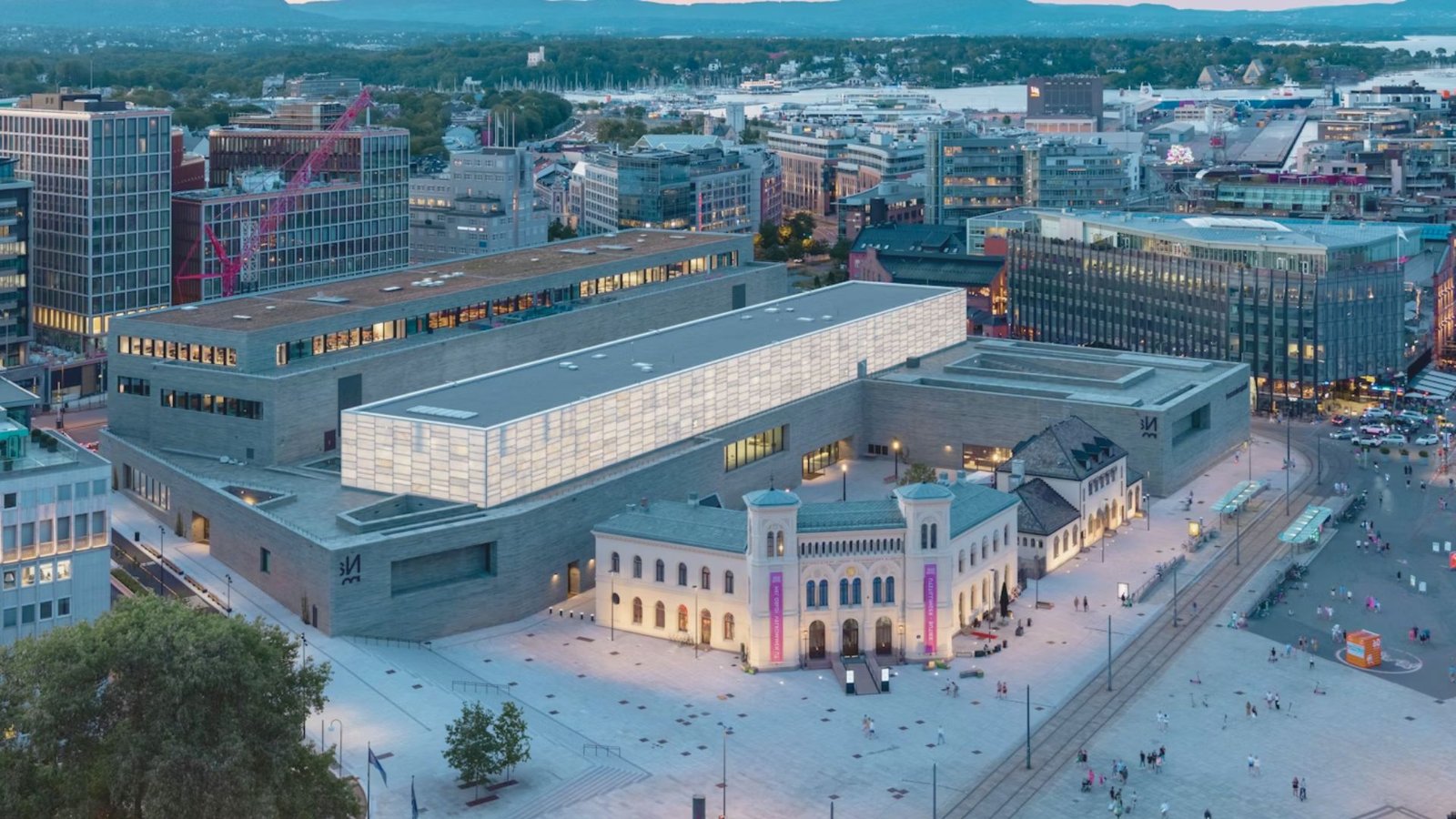
This museum holds Norway’s largest art collection. You’ll see Edvard Munch’s famous painting “The Scream” along with works by other Norwegian and international artists.
The exhibits cover everything from classical to contemporary art. Plan to spend a few hours here. It’s a must-visit for art lovers visiting Oslo.
3. Find Vigeland Sculpture Park (Frogner Park)

Frogner Park features over 200 sculptures created by Gustav Vigeland. The sculptures show human emotions and relationships in bronze, granite, and iron.
Entry is completely free, and the park is open all day. It’s a peaceful place to walk around and take in the art. Locals come here to relax and enjoy the green space.
4. Walk Through Akershus Fortress
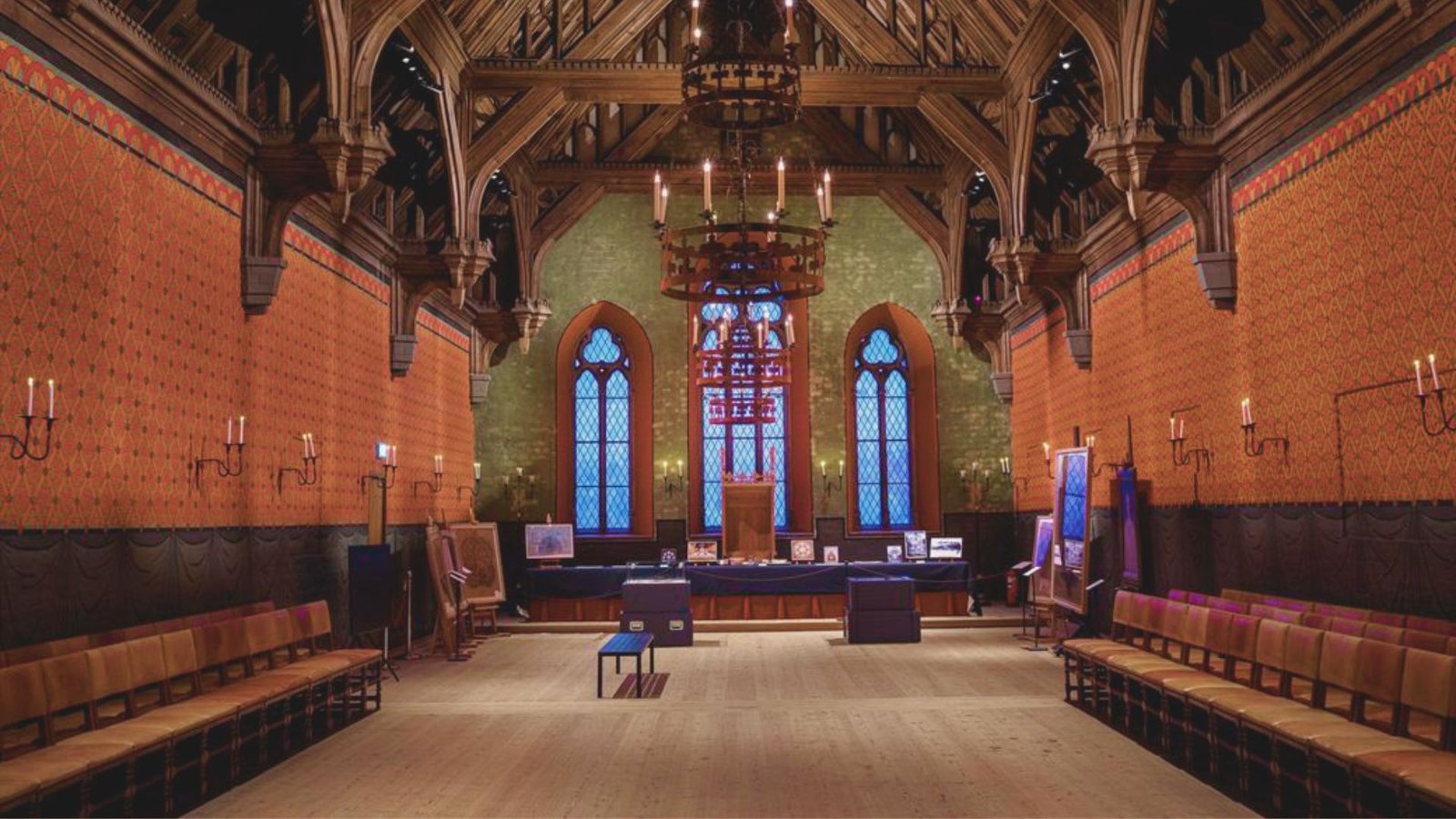
This medieval castle dates back to the 1300s. You can walk through the grounds, visit the castle rooms, and learn about Oslo’s military history.
The fortress sits on a hill overlooking the harbor, giving you great views of the water. It’s free to walk around the grounds. The setting is peaceful and historic.
5. Stroll Along Karl Johans Gate
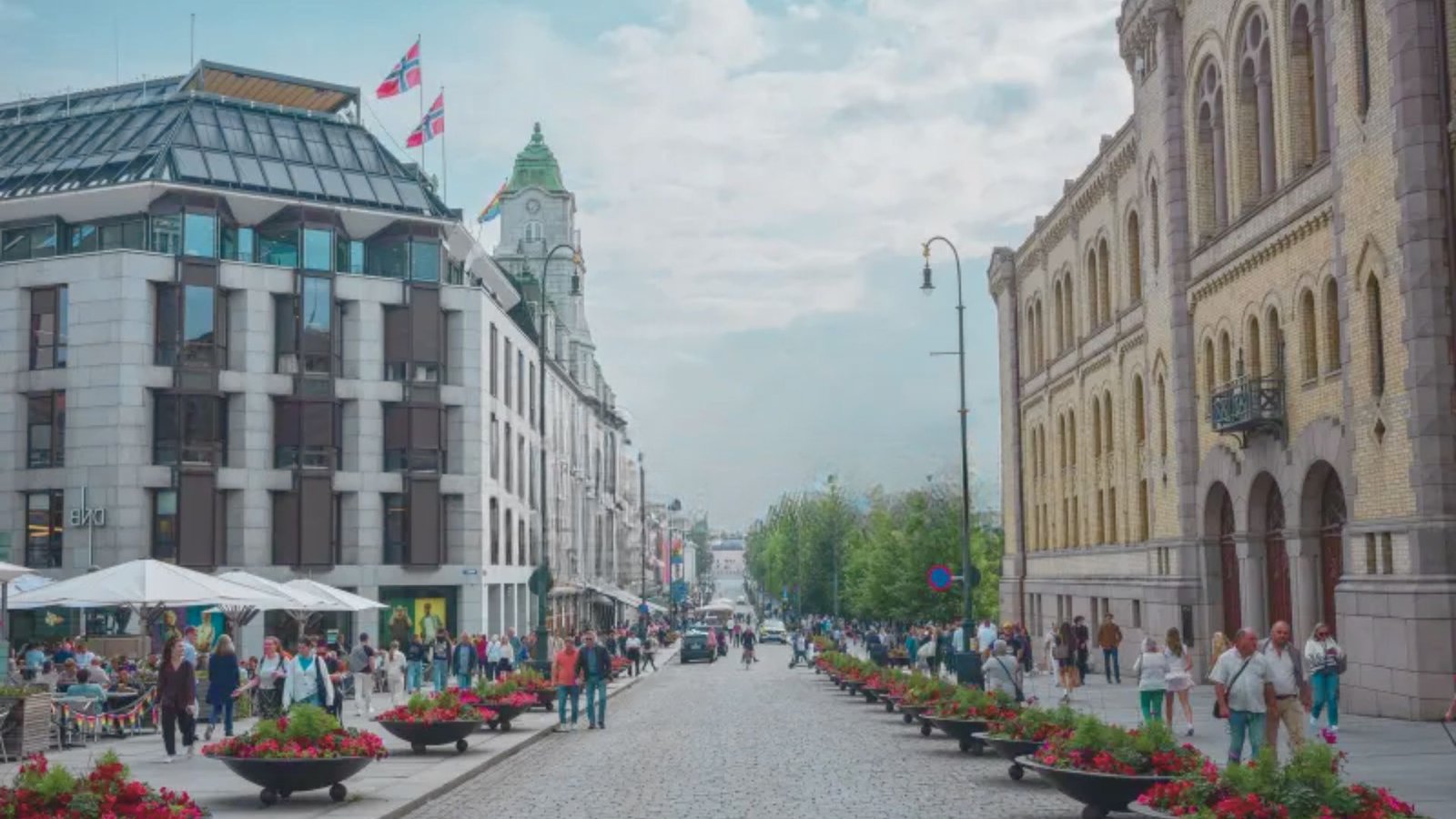
This is Oslo’s main street, running from the Central Station to the Royal Palace. You’ll find shops, restaurants, street performers, and historic buildings along the way.
It’s always busy with both locals and tourists. The street gives you a feel for the city’s energy. Stop for coffee or just people-watch from a bench.
6. Visit the Munch Museum

The Munch Museum is dedicated to Edvard Munch, one of Norway’s most famous artists. The collection includes paintings, prints, and personal items from his life.
The museum moved to a new waterfront building in 2021 with better exhibits and views. You’ll learn about his artistic process and see many versions of his work. Art fans will love this place.
7. Cruise the Oslofjord

A fjord cruise lets you see Oslo from the water. You’ll pass by islands, lighthouses, and coastal homes during the trip. Some cruises include meals or audio guides explaining the sights.
It’s a relaxing way to spend an afternoon. The views are different from what you see on land and really worth it.
8. Go Island Hopping in the Oslofjord

Take a ferry to islands like Hovedøya or Lindøya. These islands are close to the city but feel like a different world. You can hike, swim, or have a picnic on the beach.
The ferries run regularly during summer months. It’s a popular activity for locals on warm days and totally free with your city transit pass.
9. Relax in a Traditional Norwegian Sauna

Oslo has several floating saunas where you can warm up and then jump into the cold fjord water. It’s a traditional Norwegian experience that locals do year-round.
The contrast between hot and cold is refreshing and good for you. Many saunas have social areas where you can meet people. It’s an experience you won’t forget.
10. Tour the Fram Museum
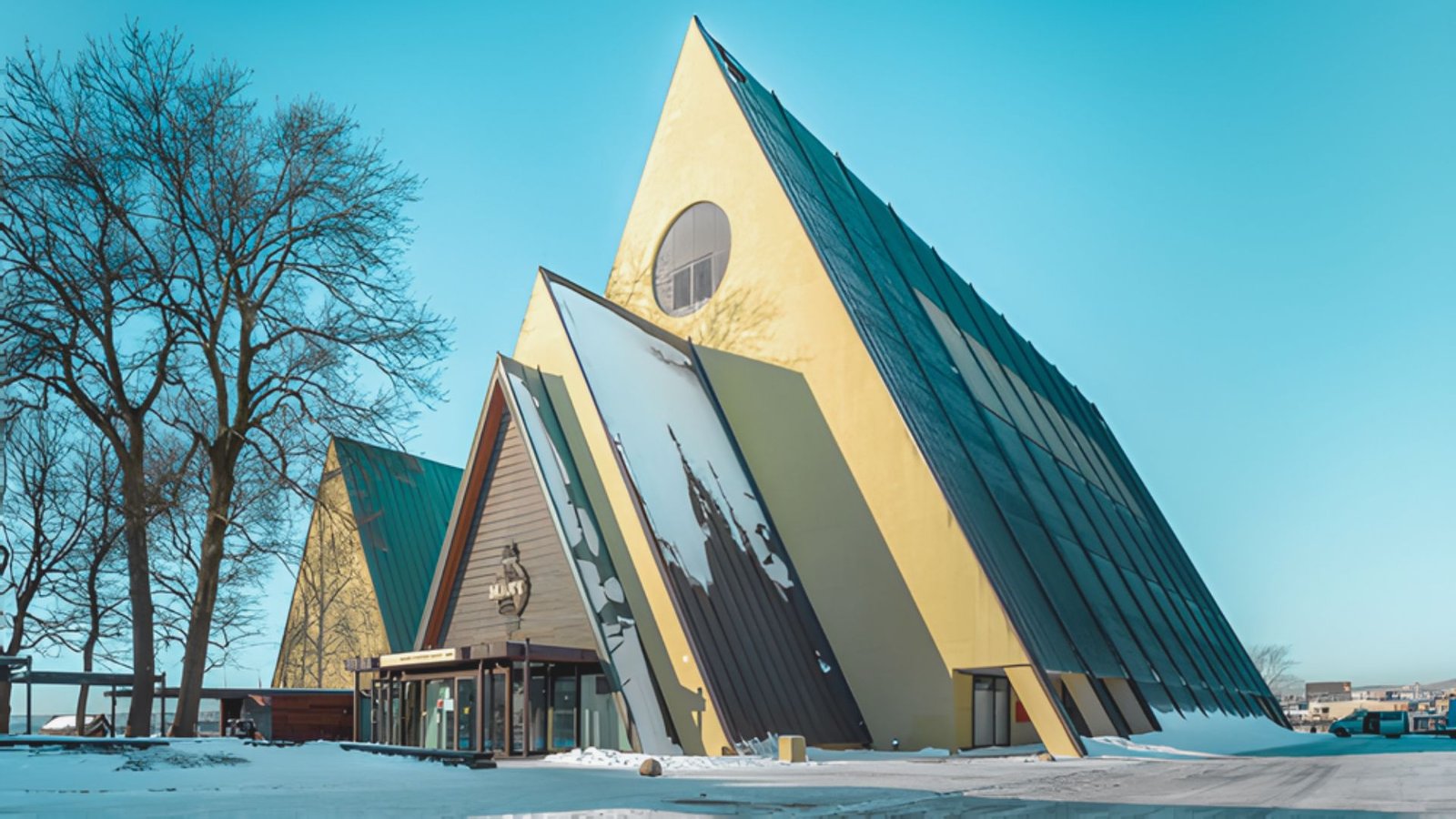
The Fram Museum showcases the polar ship used by Norwegian explorers. You can actually board the ship and walk through the cabin areas.
The exhibits tell stories of Arctic and Antarctic expeditions. It’s interactive and interesting for all ages. You’ll learn about Norway’s role in polar exploration and the brave people who did it.
11. Visit the Nobel Peace Center
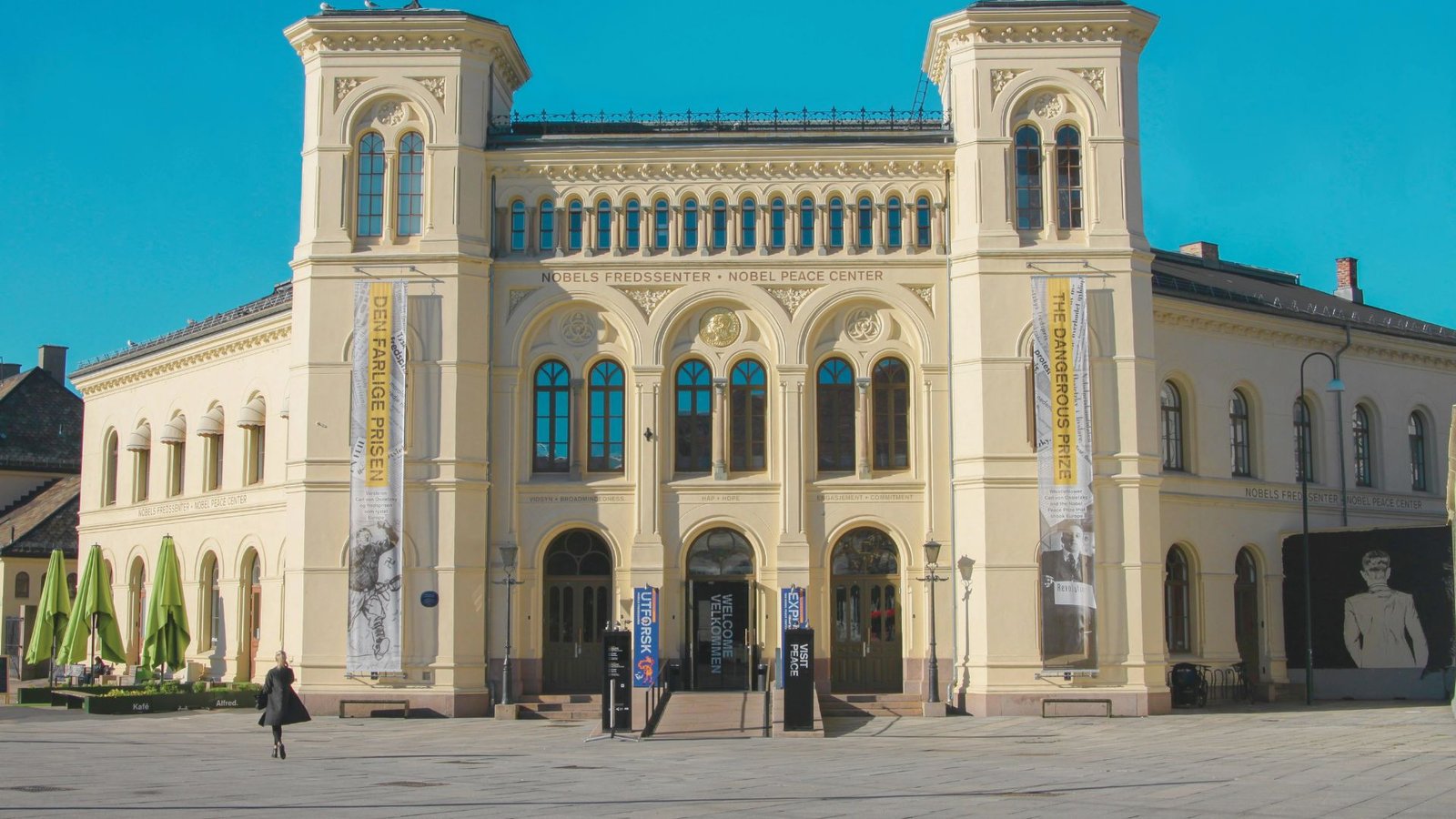
This museum focuses on the Nobel Peace Prize and its laureates. The exhibits change regularly and cover current peace issues around the world.
It’s located in a historic building near the harbor. You’ll learn about people who worked for peace and human rights. The museum makes you think about important global topics.
12. Explore the Norwegian Folk Museum
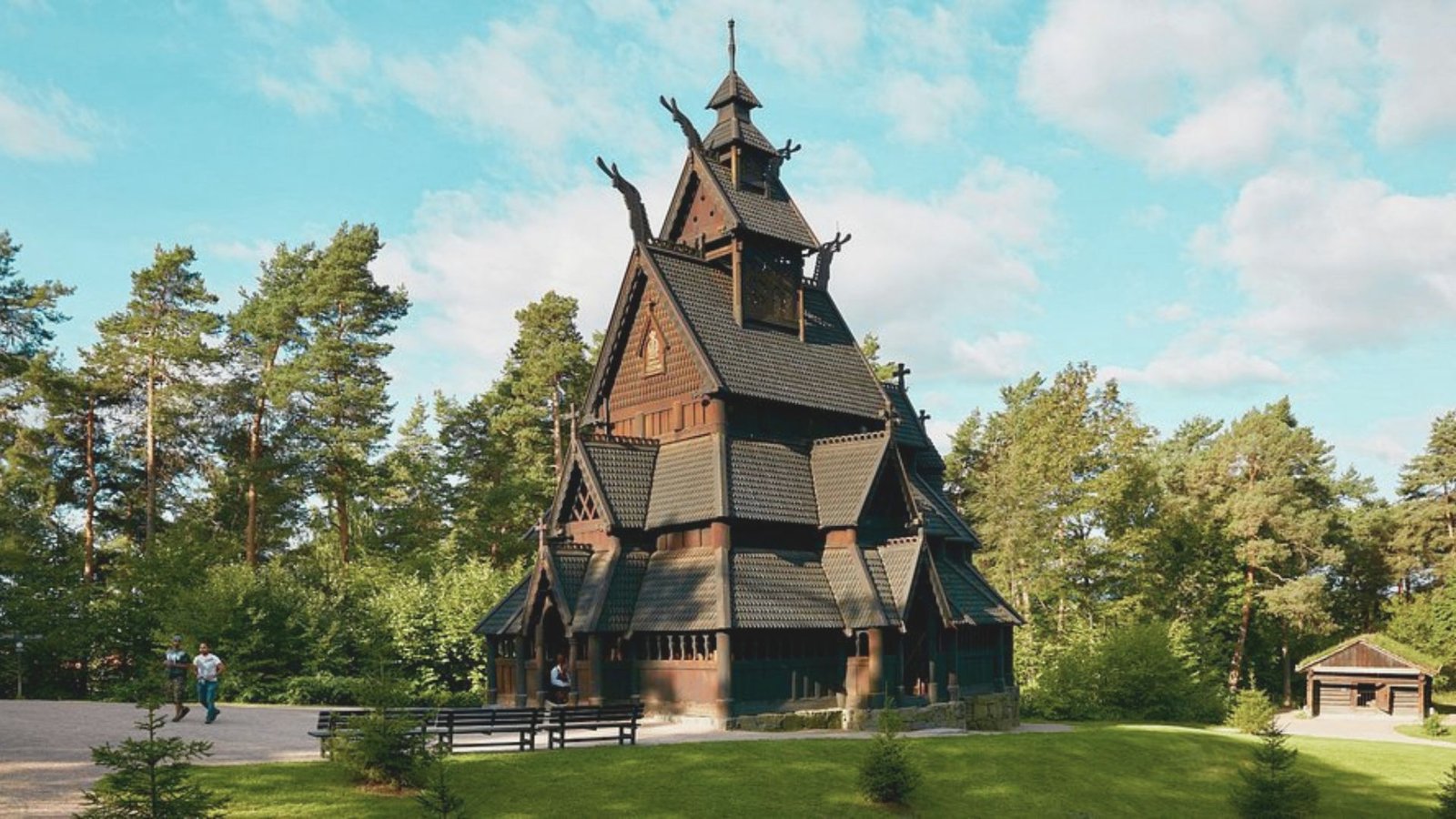
This outdoor museum has over 150 historic buildings from different regions of Norway. You’ll see how Norwegians lived centuries ago, including a stave church from the 1200s.
Guides in traditional clothing demonstrate old crafts and daily life. It’s like stepping back in time. Kids and adults both find it fascinating and educational.
13. Eat at Mathallen Food Hall

Mathallen is Oslo’s indoor food market with vendors selling everything from fresh fish to baked goods. You can try traditional Norwegian foods or international cuisines all under one roof.
It’s a great place to grab lunch or shop for local ingredients. The atmosphere is lively and social. Locals come here regularly for quality food.
14. Visit the Royal Palace & Palace Park
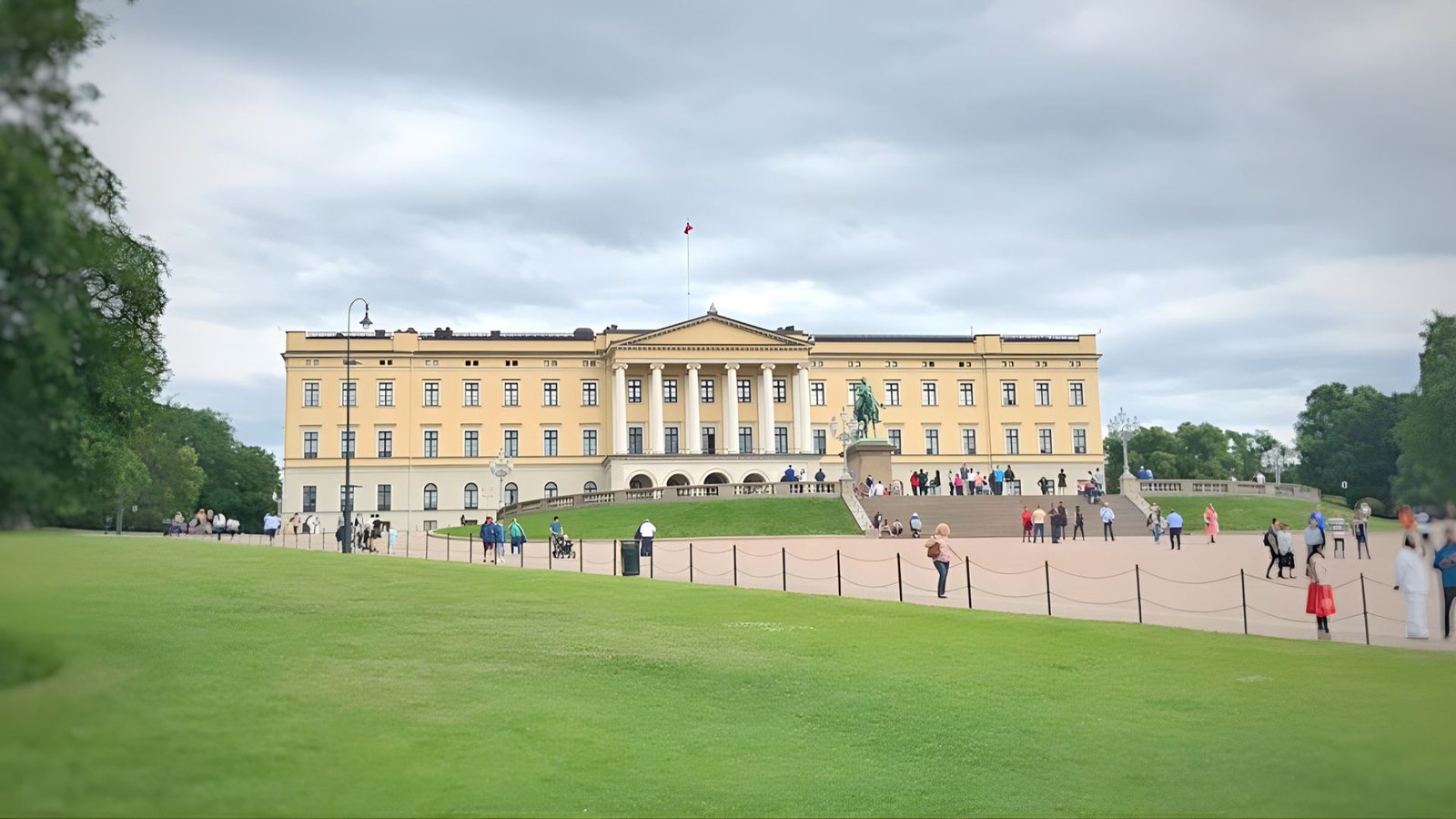
The Royal Palace is where Norway’s royal family lives and works. You can tour the palace during summer months or just walk around the park anytime.
The changing of the guard happens daily at 1:30 PM. The park has paths, ponds, and open lawns perfect for a break. It’s right in the city center.
15. Walk Around Aker Brygge & Tjuvholmen
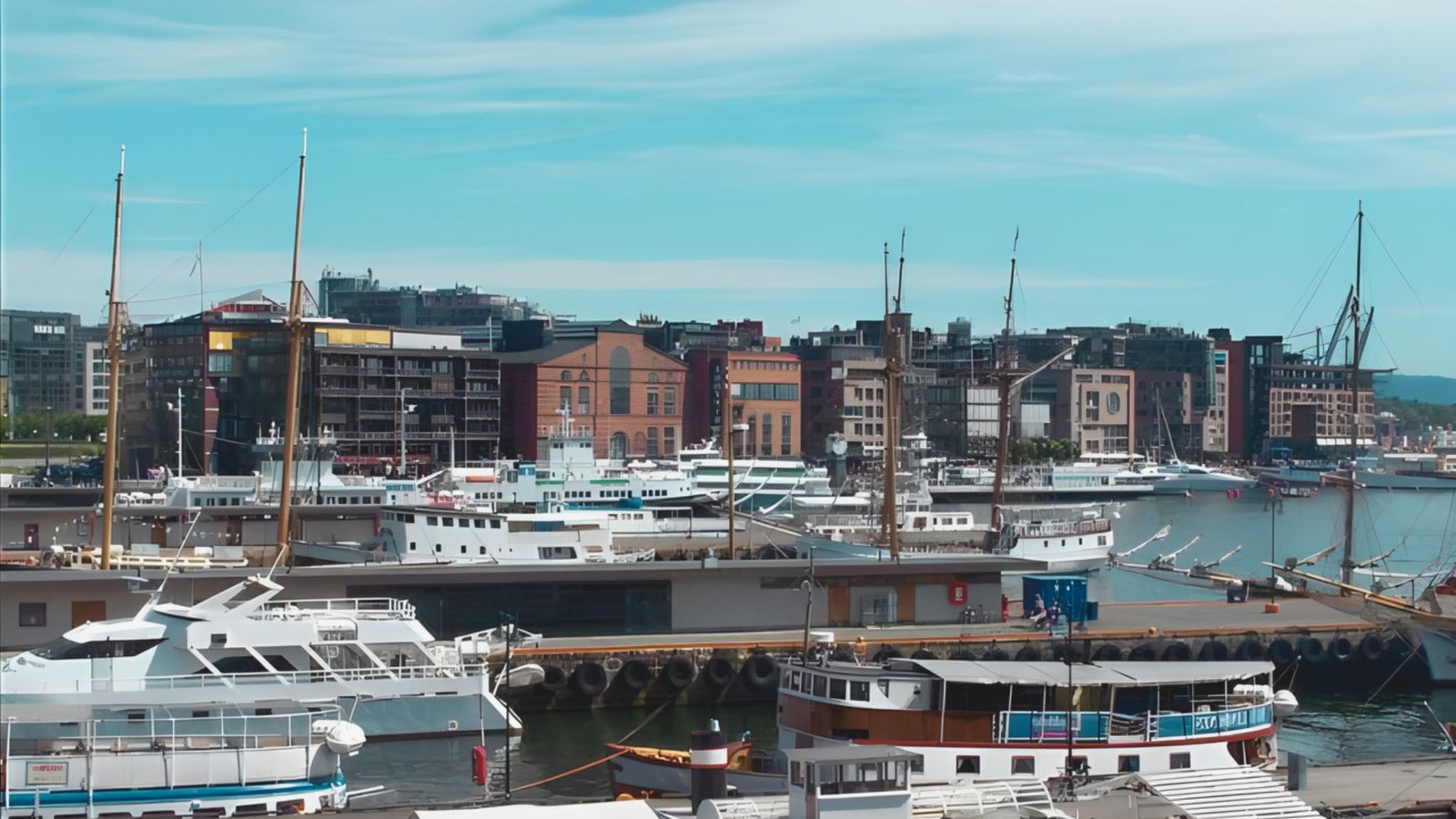
This waterfront area has restaurants, shops, and modern architecture. It’s a popular spot for dining with views of the harbor and boats.
You’ll also find the Astrup Fearnley Museum of modern art here. The boardwalk is nice for an evening stroll. On sunny days, the outdoor seating areas fill up with people enjoying the weather.
16. Visit the Deichman Bjørvika Public Library

This modern library opened in 2020 and quickly became a city landmark. The building has amazing architecture with lots of natural light and reading spaces.
You can browse books, use computers, or just enjoy the views from upper floors. There’s a rooftop terrace open to everyone. It’s free to enter and explore.
17. Enjoy the Views from Ekebergparken
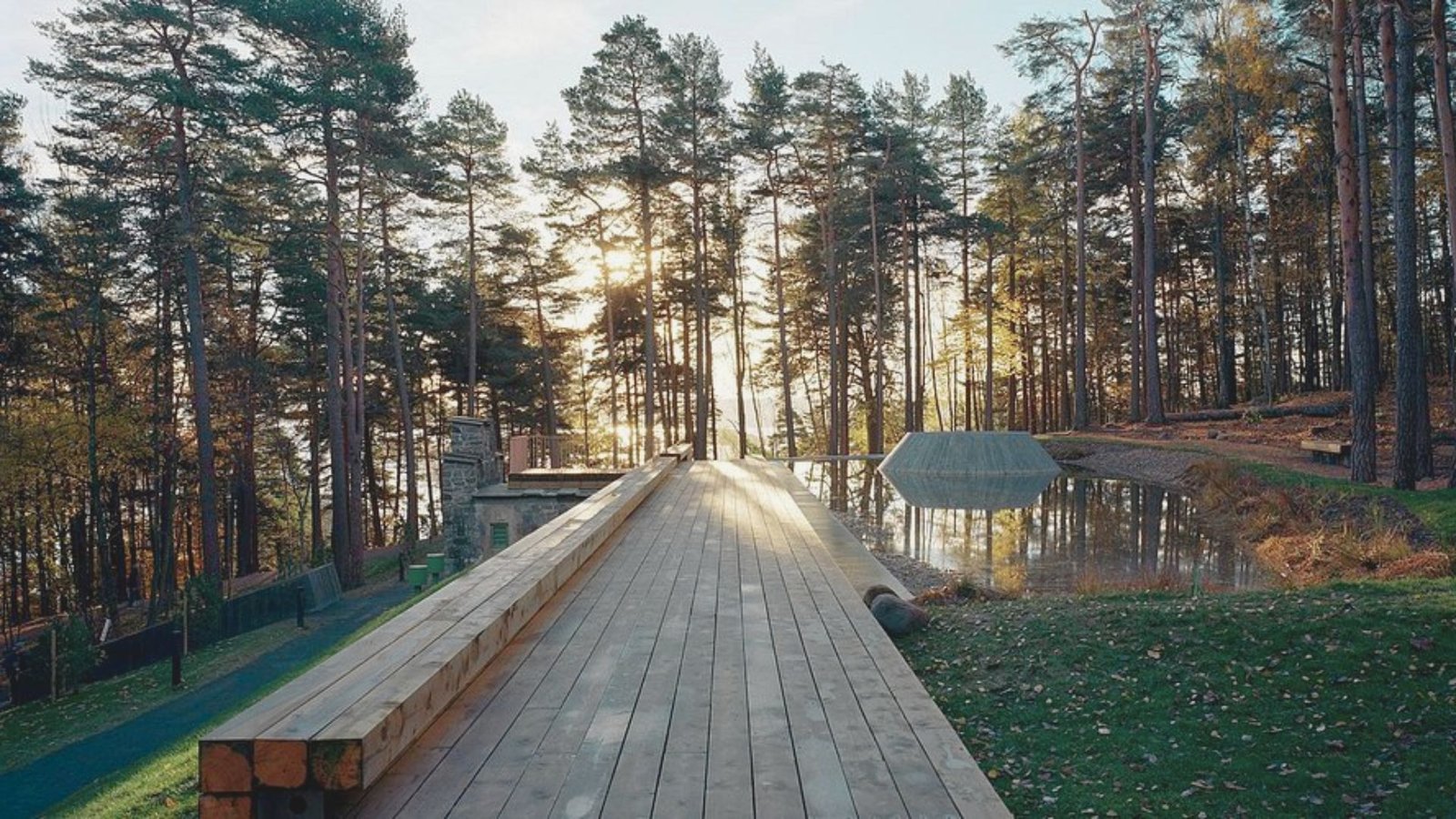
Ekebergparken is a sculpture park on a hill overlooking the city. You’ll find contemporary art installations along walking paths through the forest.
The viewpoint gives you one of the best panoramas of Oslo and the fjord. It’s a bit of a climb but worth the effort. The park combines art, nature, and views.
18. Go Skiing or Sledding at Holmenkollen

Holmenkollen is famous for its ski jump and winter sports facilities. In winter, you can ski on nearby slopes or try the toboggan run.
The ski museum tells the history of skiing in Norway. Even in summer, the ski jump tower offers great city views. It’s easily reached by metro from downtown.
19. Take a Guided Walking Tour
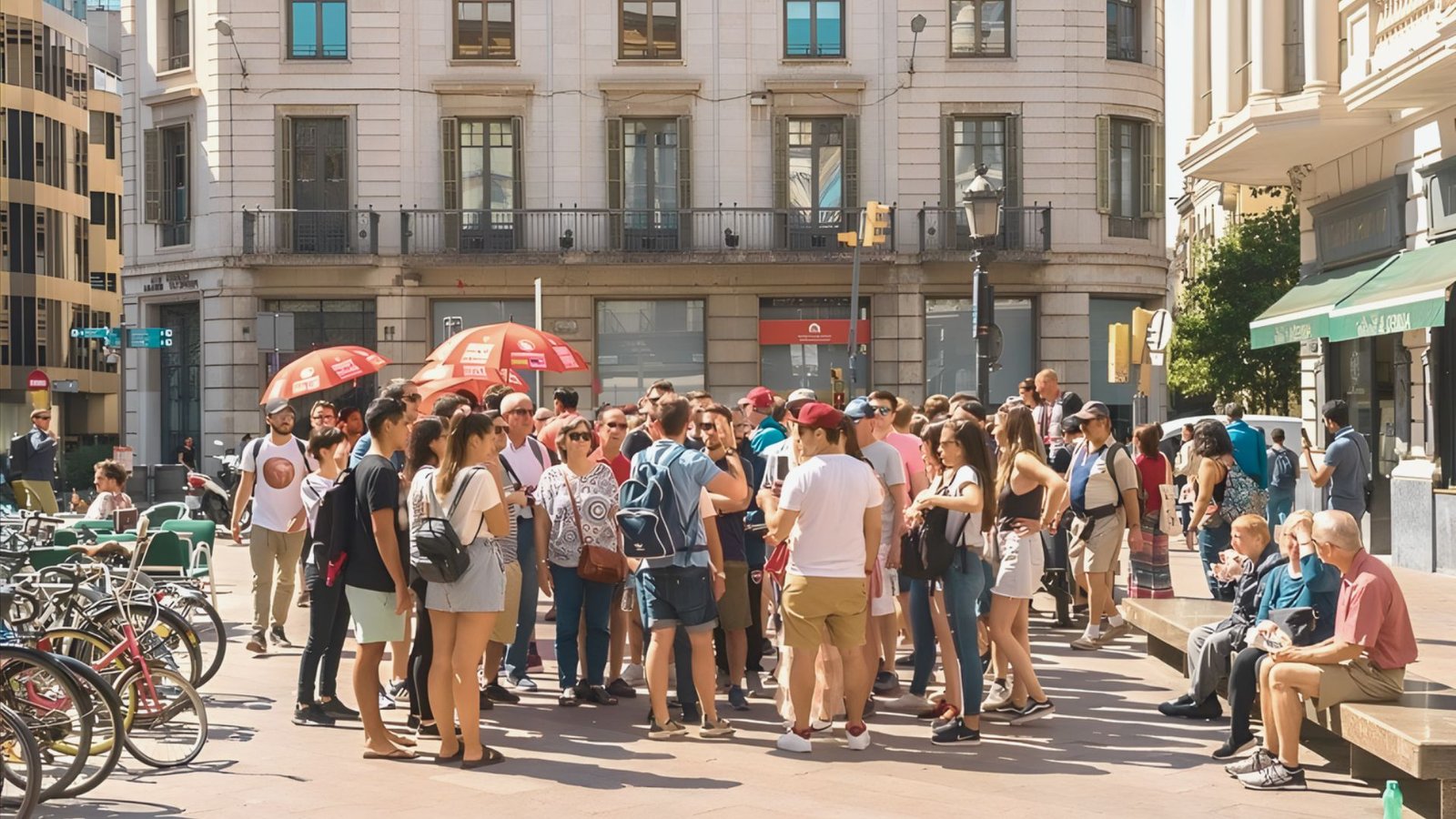
A walking tour with a local guide helps you understand Oslo’s history and culture better. Guides share stories about neighborhoods, buildings, and daily life that you’d miss on your own.
Tours cover different themes like Viking history, street art, or food. It’s a good way to orient yourself when you first arrive. You’ll leave with insider knowledge.
20. Visit the Kon-Tiki Museum

This museum displays the original Kon-Tiki raft that Thor Heyerdahl sailed across the Pacific Ocean in 1947. You’ll learn about his expeditions and theories about ancient seafaring.
The museum also has artifacts from Easter Island and other voyages. It’s a small museum but packed with interesting stories. Adventure and history fans will appreciate it.
21. Explore Oslo’s Street Food Scene
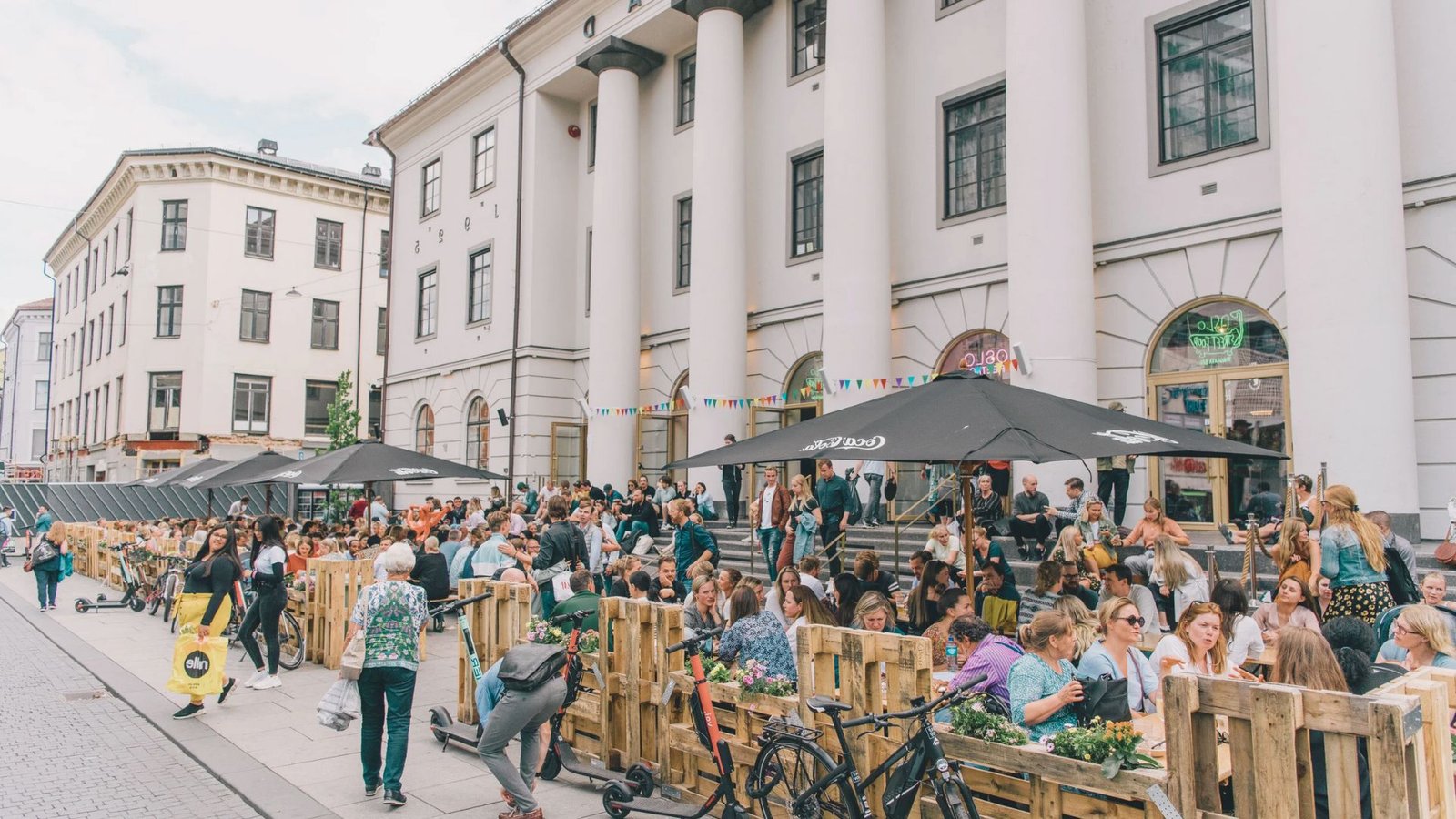
Oslo Street Food is a market with vendors serving food from around the world. You’ll find everything from tacos to Asian noodles and Norwegian specialties.
The atmosphere is casual with communal seating. Prices are reasonable compared to Oslo restaurants. It’s a fun place to try different foods and hang out with friends or family.
22. Go Hiking Around Sognsvann Lake

Sognsvann is a lake surrounded by forest, just 20 minutes from the city center by metro. The loop around the lake is easy and takes about an hour.
You can also explore longer trails into the woods. It’s a popular spot for jogging, picnics, and swimming in summer. Locals come here to get away from the city.
23. Visit Seasonal Markets & Festivals

Oslo hosts markets and festivals throughout the year. The Christmas market is popular in winter with food stalls, crafts, and decorations.
Summer brings music festivals and outdoor events in parks. These gatherings give you a taste of local culture and traditions. Check what’s happening during your visit for special experiences you won’t find other times.
Important Travel Tips for Oslo
- Use Public Transit Oslo’s metro, trams, and buses are reliable and cover the whole city. Buy a day pass to save money and access all transport including ferries to the islands.
- Budget for Expenses Oslo is one of Europe’s pricier cities, so plan accordingly. Eating at food halls and grocery stores helps you save compared to restaurant dining.
- Dress for the Weather Layers are key since temperatures change throughout the day. Bring waterproof gear year-round as rain can happen anytime.
- Respect Local Customs Norwegians value personal space and quiet public behavior. Always remove shoes when entering someone’s home.
- Take Advantage of Free Activities Many parks, beaches, and nature areas are completely free to enjoy. Several museums offer free entry on certain days of the week.
Conclusion
Oslo has given me some of my favorite travel memories, and I hope this guide helps you create yours too.
From walking on the Opera House roof to relaxing in floating saunas, this city offers experiences you won’t find anywhere else.
The mix of culture, history, and nature makes every visit special.
Start planning your Oslo trip today. Book your flights, make a list of must-see spots, and get ready for an amazing time in Norway’s capital.
Have you been to Oslo? Share your favorite experiences in the comments below.
Frequently Asked Questions
What is the best time to visit Oslo?
Summer months from June to August offer long daylight hours and warm weather perfect for outdoor activities. Winter from December to March is great if you want to experience skiing, Christmas markets, and winter sports.
How many days do I need in Oslo?
Three to four days gives you enough time to see the main attractions and explore different neighborhoods. If you want to take day trips or spend more time hiking, plan for five to seven days.
Is Oslo expensive for tourists?
Yes, Oslo is one of the pricier European cities for accommodation, dining, and activities. You can save money by using public transit, eating at food halls, and taking advantage of free attractions like parks and beaches.
What is Oslo famous for?
Oslo is known for its Viking history, world-class museums like the Munch Museum, and the iconic Opera House. The city is also famous for its proximity to nature with easy access to fjords, forests, and islands.
Do I need to speak Norwegian in Oslo?
No, most people in Oslo speak excellent English, especially in tourist areas, hotels, and restaurants. Signs and menus are often in both Norwegian and English, making it easy to get around.