


Walking through Jerusalem feels like stepping into a living history book. This ancient city holds deep meaning for three major world religions.
Stone pathways lead through markets that have operated for centuries.
Sacred sites stand beside modern cafés. First-time visitors often feel overwhelmed by how much there is to see. Planning ahead helps you make the most of your time.
This guide covers 27 must-see attractions that showcase what makes Jerusalem special.
Why Jerusalem Is a Must-Visit Destination
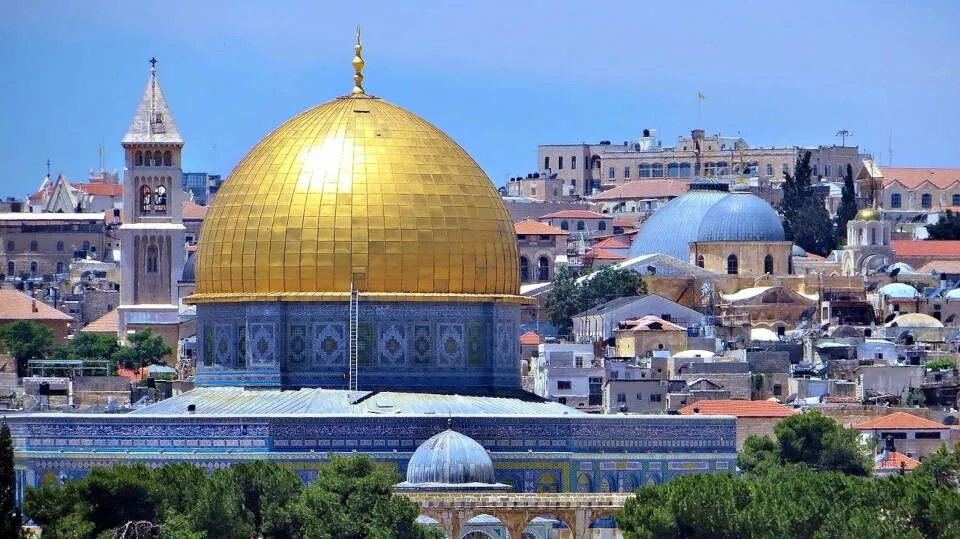
Sacred to three major religions across centuries of history. Jerusalem holds profound religious importance for Jews, Christians, and Muslims.
The Western Wall draws Jewish pilgrims worldwide. Christians walk the path where Jesus carried the cross. Muslims visit the Dome of the Rock.
The Old City contains history dating back thousands of years. Ancient tunnels run beneath modern streets.
Local cafés serve traditional Middle Eastern dishes. Morning prayers echo from stone walls while rooftop cafés offer city views.
27 Things to Do in Jerusalem: Top Attractions & Sights
Visit sacred sites, walk ancient streets, and experience vibrant markets in this historic city.
1. Place a Prayer at the Western Wall
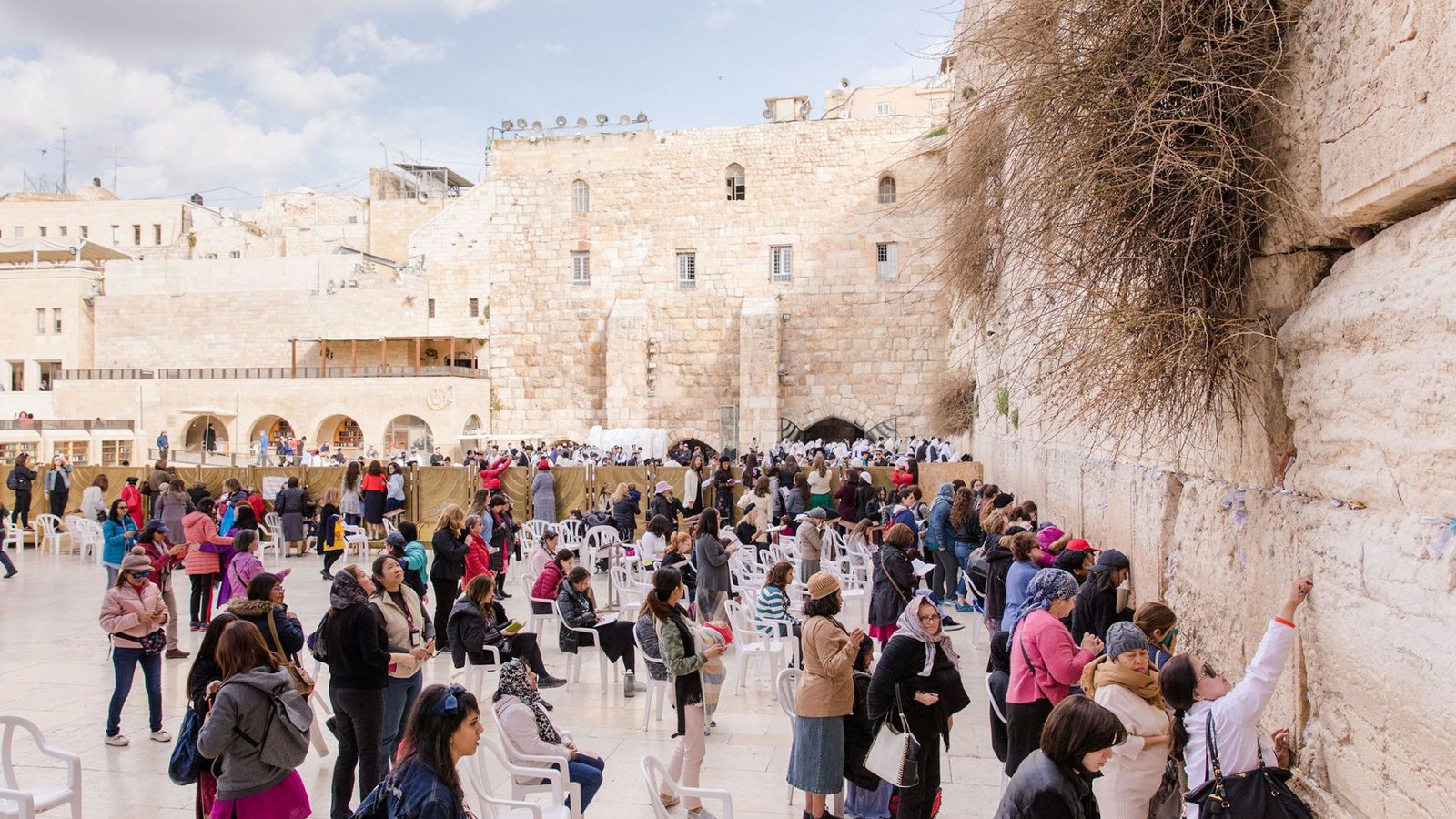
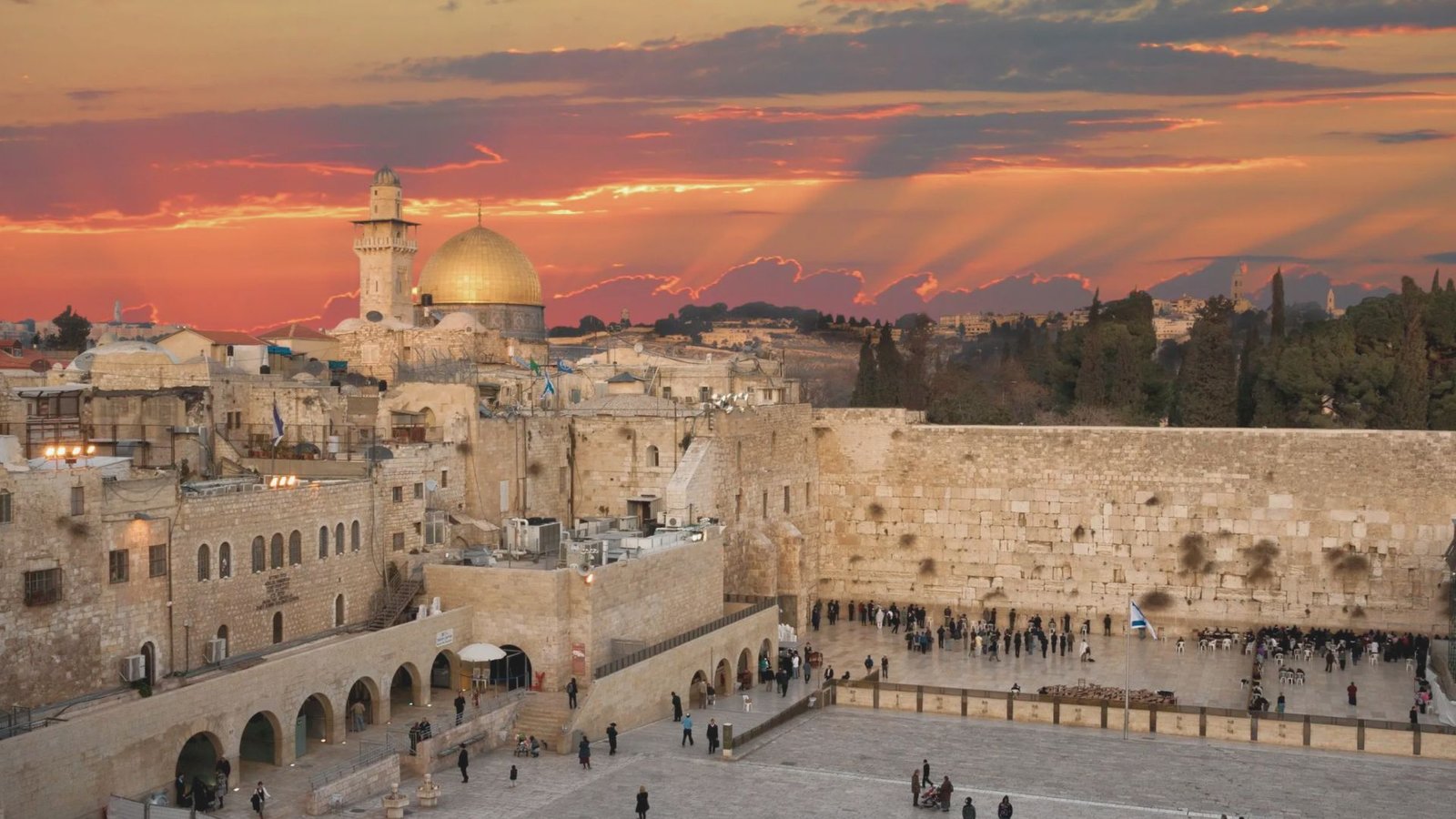
Experience one of Judaism’s most sacred prayer sites in person. The Western Wall stands as the last remaining section of the ancient Temple Mount.
Jewish people have prayed here for generations. Visitors can place written prayers between the stones. Men and women pray in separate sections.
Modest dress is required. The plaza fills with worshippers daily. Friday evenings bring particularly large crowds.
2. Visit Temple Mount and the Dome of the Rock
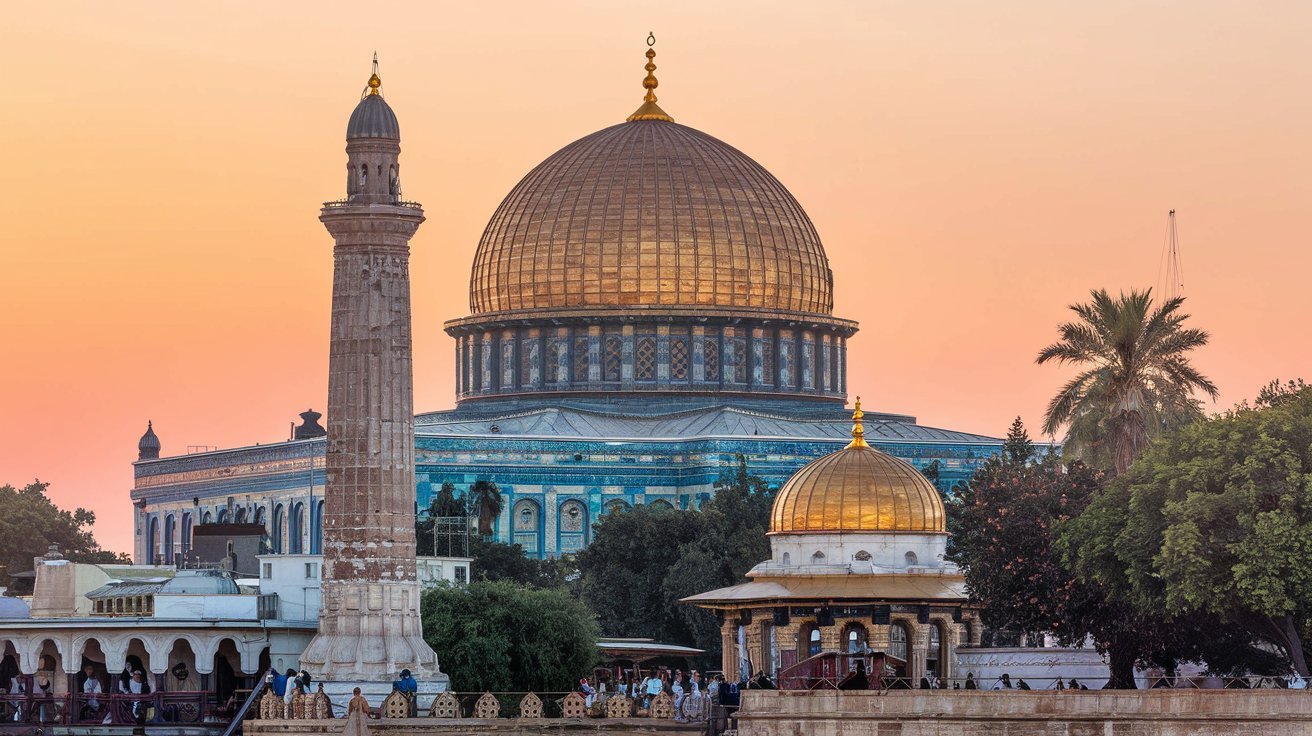
Walk through a site sacred to both Islam and Judaism. The golden Dome of the Rock dominates the skyline above the Western Wall. Muslims know it as Haram al-Sharif.
The Al-Aqsa Mosque stands nearby.Non-Muslim visitors can enter through specific gates at limited hours. Dress modestly with covered shoulders and knees.
Entry to the mosques themselves is not permitted for non-Muslims.
3. See the Church of the Holy Sepulcher

Stand where Christians believe Jesus was crucified and buried. This church marks the site of Jesus’s crucifixion and burial according to Christian tradition.
Six Christian denominations share control. Inside, you’ll find the Stone of Anointing and the tomb itself.
The architecture spans different historical periods. Some areas date to the 4th century. Early morning visits offer quieter moments.
4. Walk the Via Dolorosa
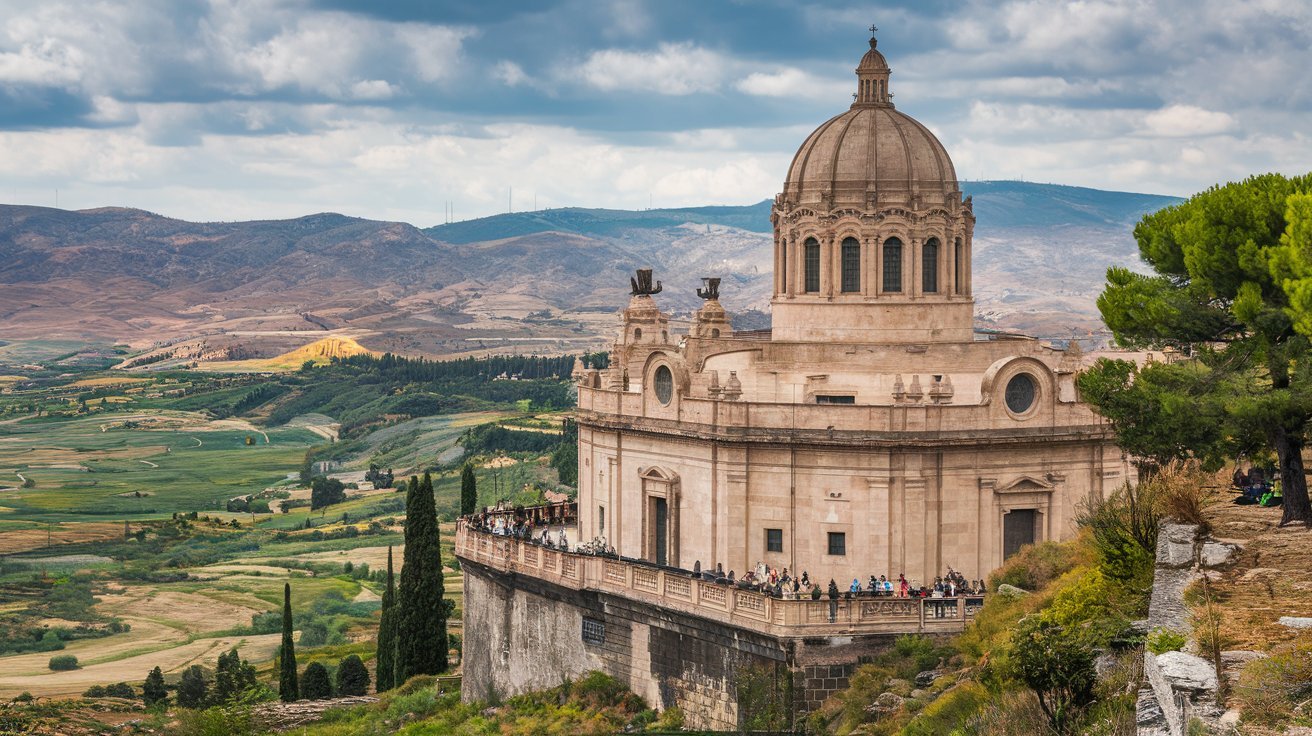
Follow the path Jesus walked carrying the cross. Via Dolorosa means “Way of Suffering.” This route traces Jesus’s steps from trial to crucifixion.
Fourteen stations mark significant moments along the way. The walk starts in the Muslim Quarter and ends at the Church of the Holy Sepulcher.
The route covers narrow stone streets. Friday afternoons, Franciscan monks lead a procession.
5. Take in the Views from the Austrian Hospice
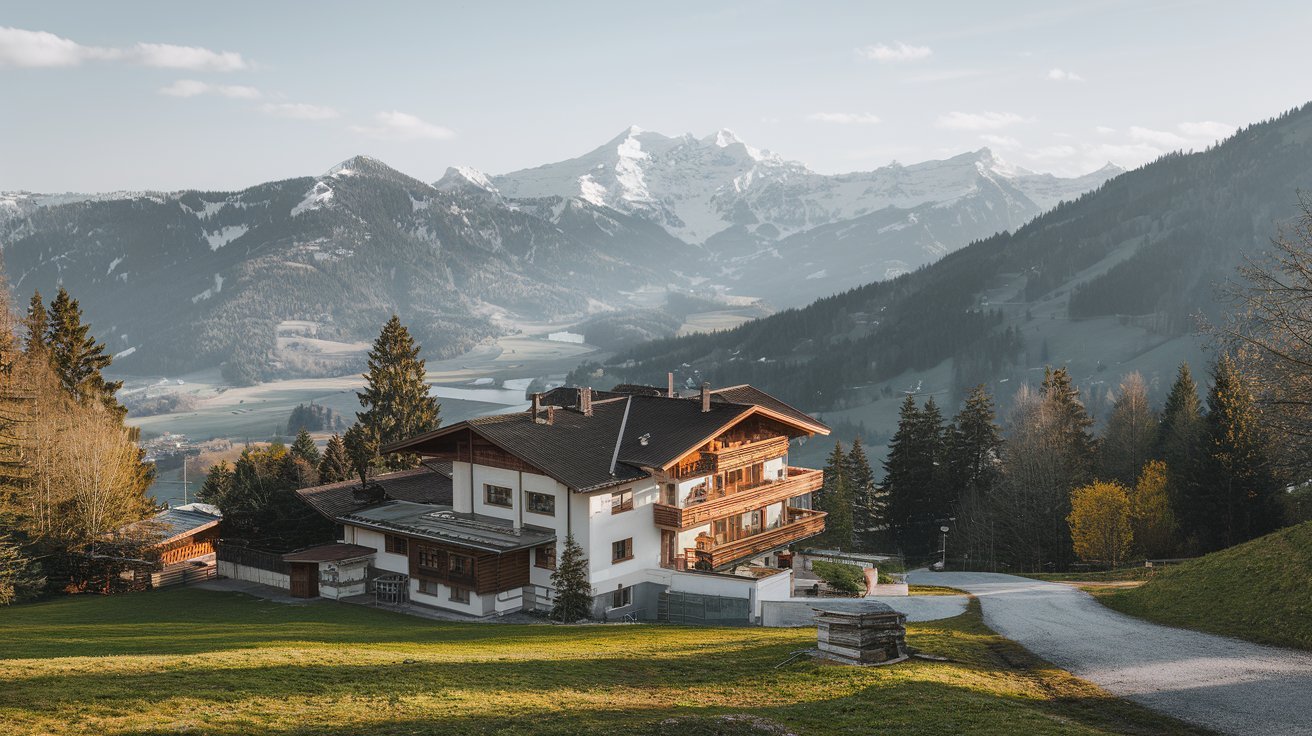
Enjoy panoramic rooftop views away from the crowds. This guesthouse offers a peaceful retreat in the Old City. The rooftop café serves coffee and light meals.
Views stretch across the Old City’s domes and minarets. The building also houses a small museum about Austrian pilgrimage.
There’s a small fee to access the rooftop if you’re not a café customer.
6. Get Lost in the Old City Suq
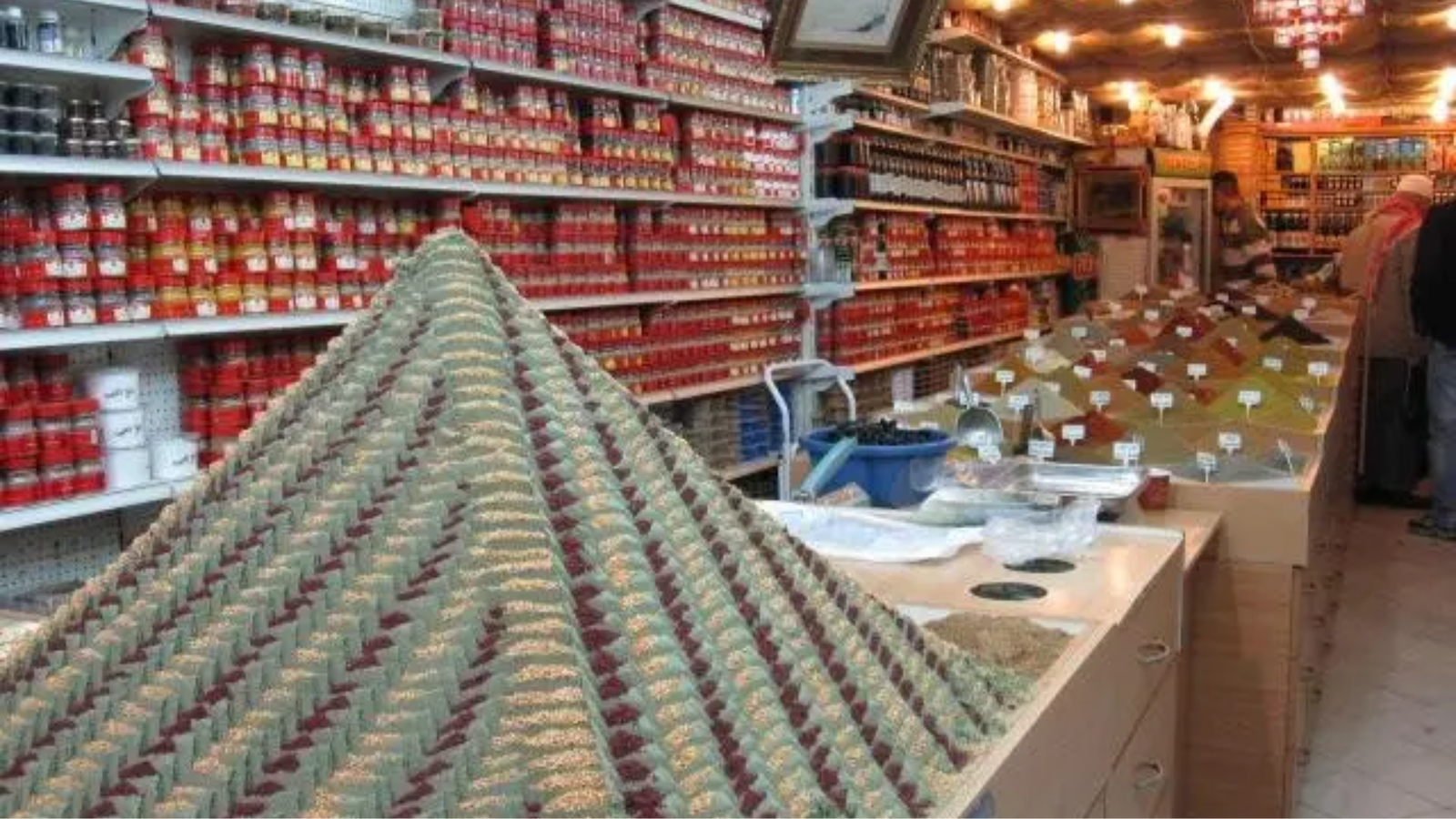
Shop for spices, textiles, and local crafts in ancient market lanes. The Old City’s markets wind through covered passages.
Vendors sell everything from fresh produce to handmade ceramics. The scent of spices fills the air. Haggling is expected.
Start by offering half the asking price. Early morning shopping means fresher produce and fewer crowds.
7. Enter Through Jaffa Gate
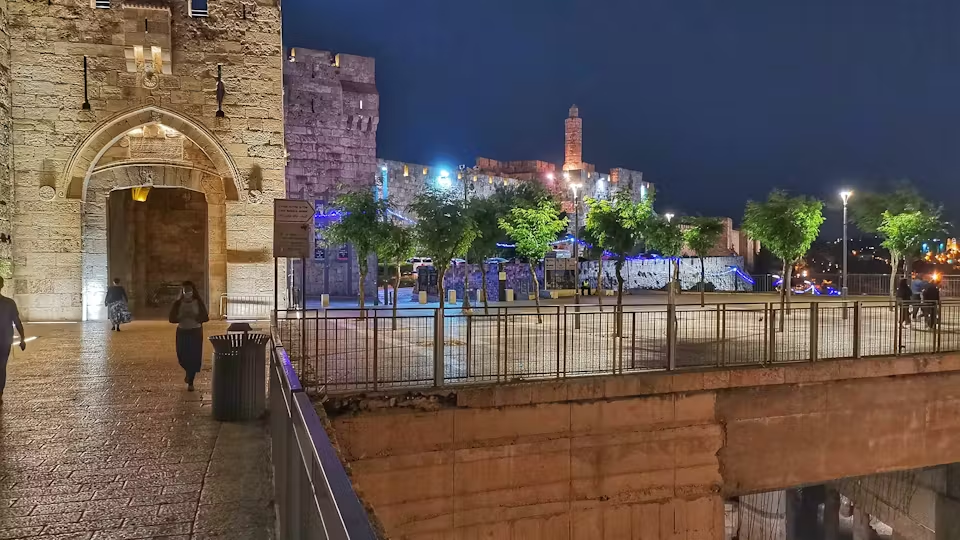
Pass through the Old City’s main entrance used for centuries. Jaffa Gate serves as the main entrance from West Jerusalem.
Ottoman Sultan Suleiman built the current walls in the 16th century. David’s Tower stands immediately inside.
Street performers and vendors gather in the plaza outside. This area provides easy access to the Armenian and Christian Quarters.
8. Visit the Dung Gate
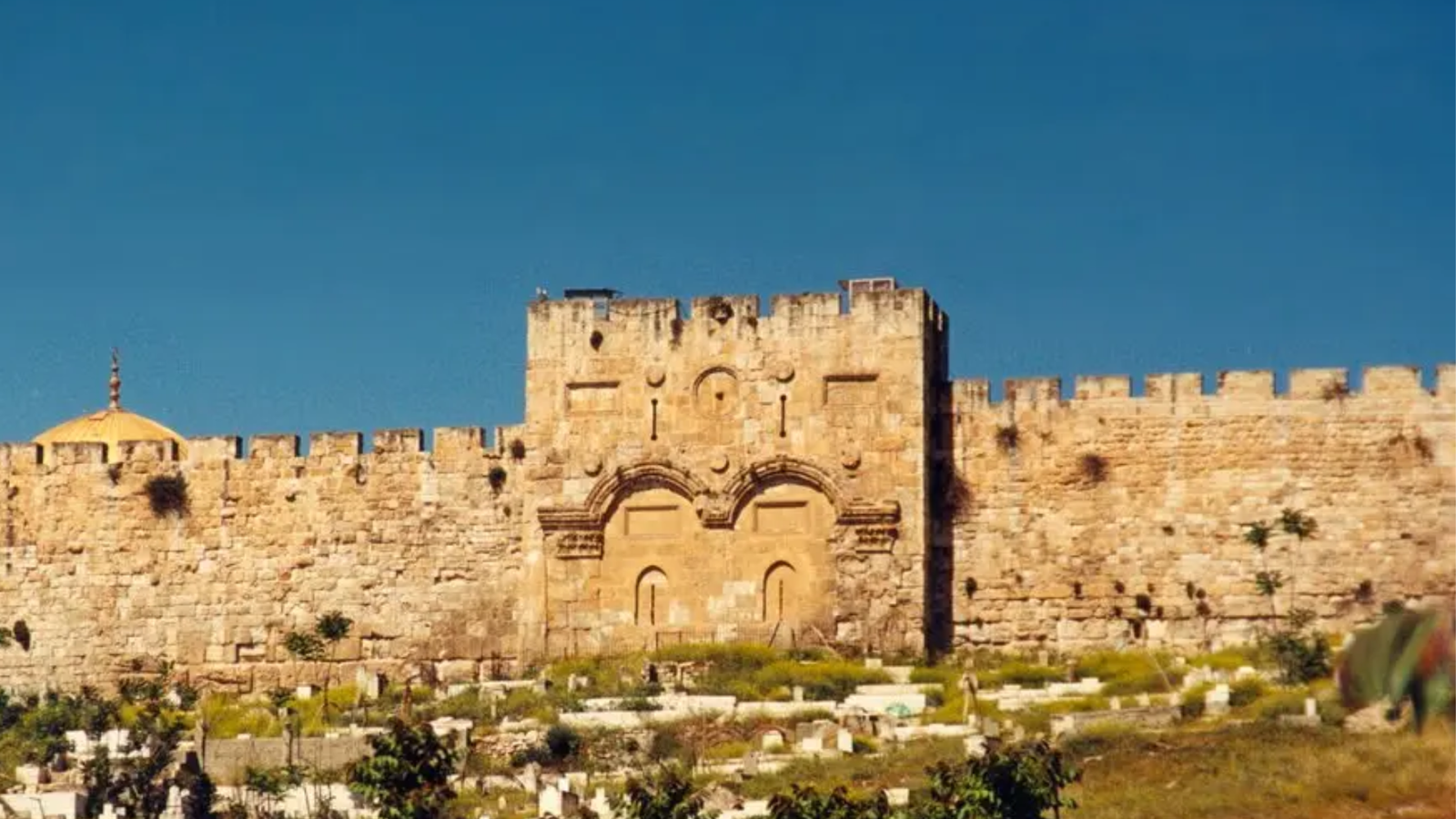
Enter the Jewish Quarter through this ancient southern entrance. The Dung Gate is the closest entrance to the Western Wall.
It provides access to the Jewish Quarter and City of David. Security screening occurs at this entrance.
Archaeological excavations near the gate have revealed walls from the First Temple period.
9. Walk Along the Old City Walls
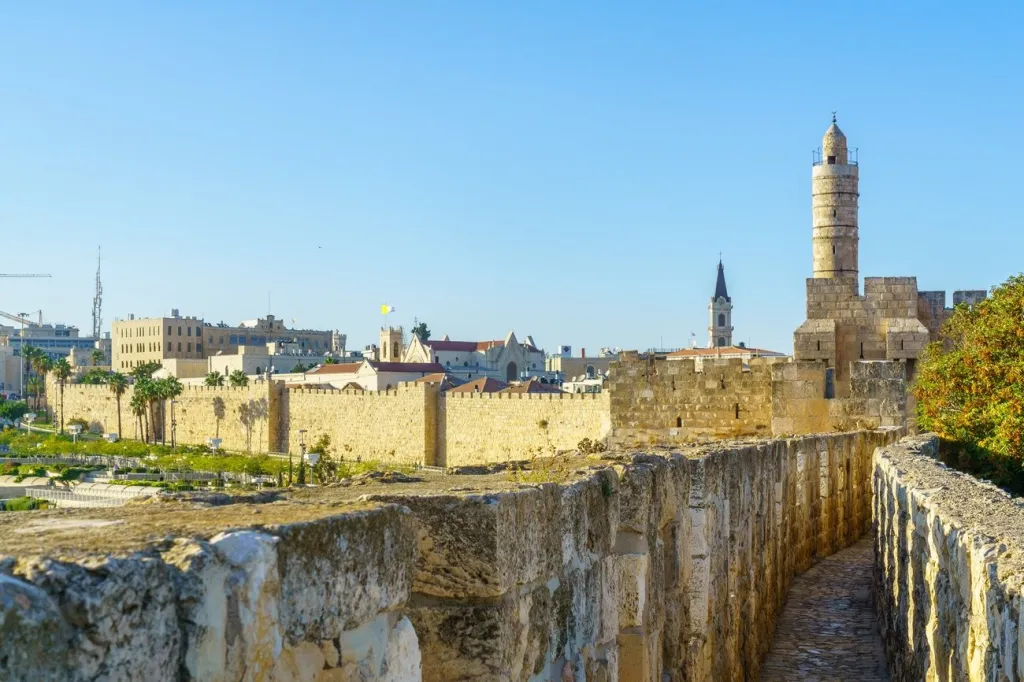
See Jerusalem from above on the ancient fortification walkway. The Ramparts Walk follows the top of the Old City walls. You can walk about three-quarters of the perimeter.
Views look out over both old and modern Jerusalem. The walk takes about an hour per section. Steps are uneven in places. Sunset walks offer particularly memorable views.
10. Visit the City of David Tunnels
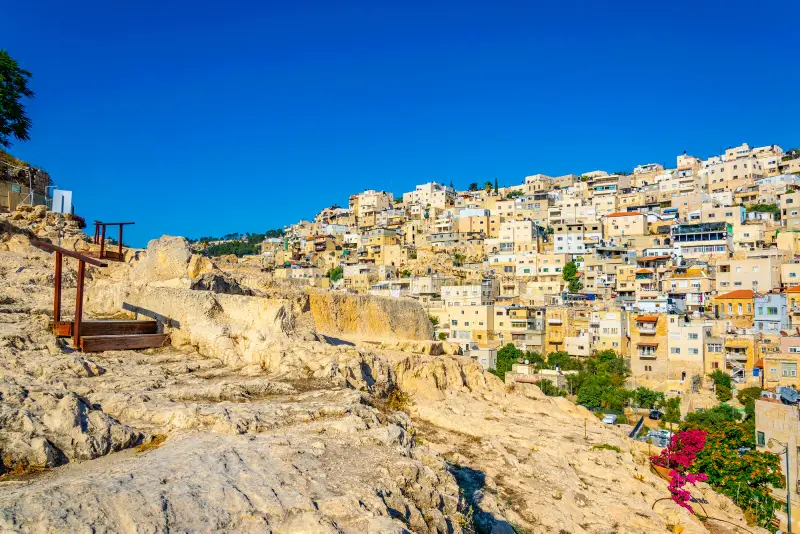
Wade through ancient water tunnels beneath Jerusalem. This archaeological site reveals Jerusalem’s earliest settlement layers dating back 3,000 years.
Hezekiah’s Tunnel is the main attraction. You can walk through the 1,750-foot water tunnel in knee-deep water.
The experience takes about 40 minutes. Wear water shoes. A dry route exists for those who prefer not to get wet.
11. Experience the City of David Light Show
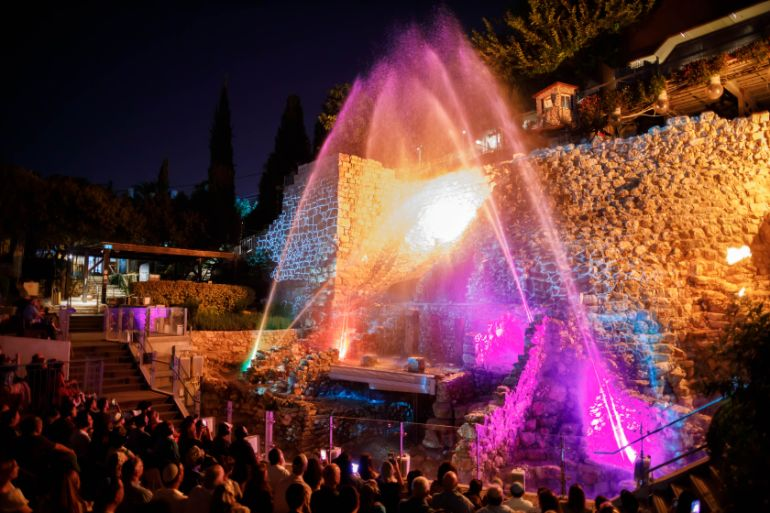
Watch history come alive through multimedia presentations. The nighttime show projects images onto ancient walls.
Stories from Jerusalem’s 3,000-year history unfold through animation. Shows run several times per week in multiple languages.
The presentation lasts about 45 minutes. Book tickets online in advance.
12. Visit the Garden of Gethsemane
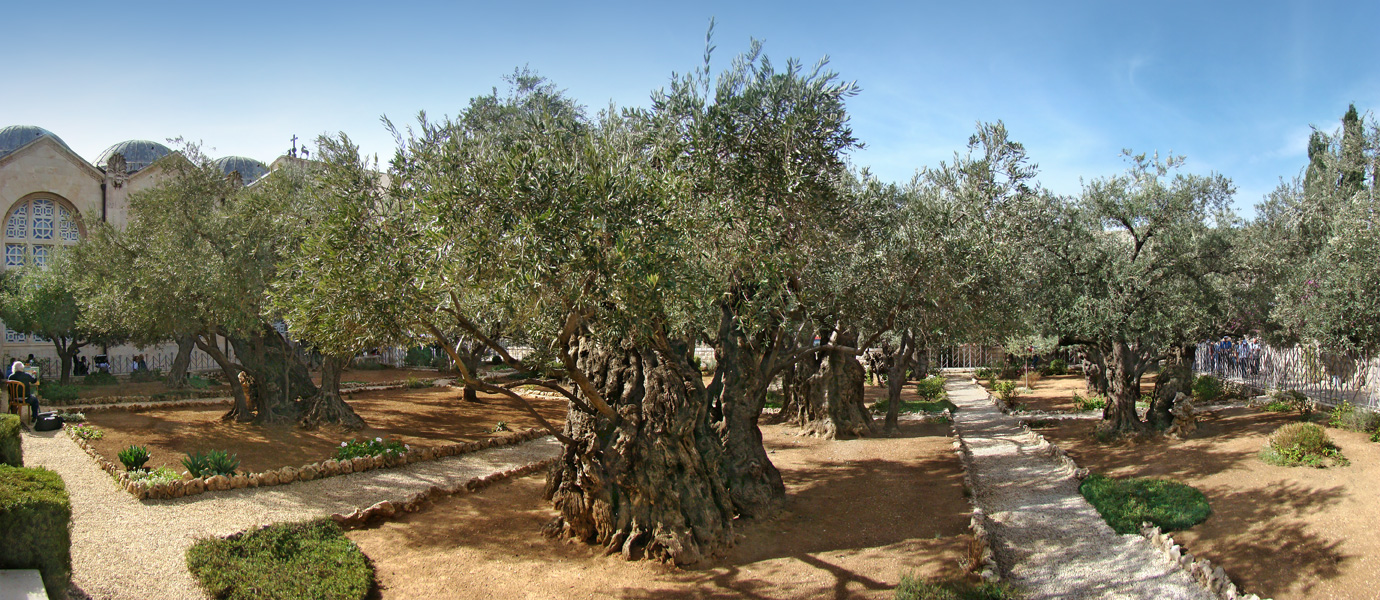
Walk among ancient olive trees where Jesus prayed. This garden sits at the foot of the Mount of Olives. Christians believe Jesus prayed here before his arrest.
Eight olive trees may be over 900 years old. The Church of All Nations stands adjacent. Early morning visits allow quiet contemplation.
13. Admire the Sunset from Mount of Olives
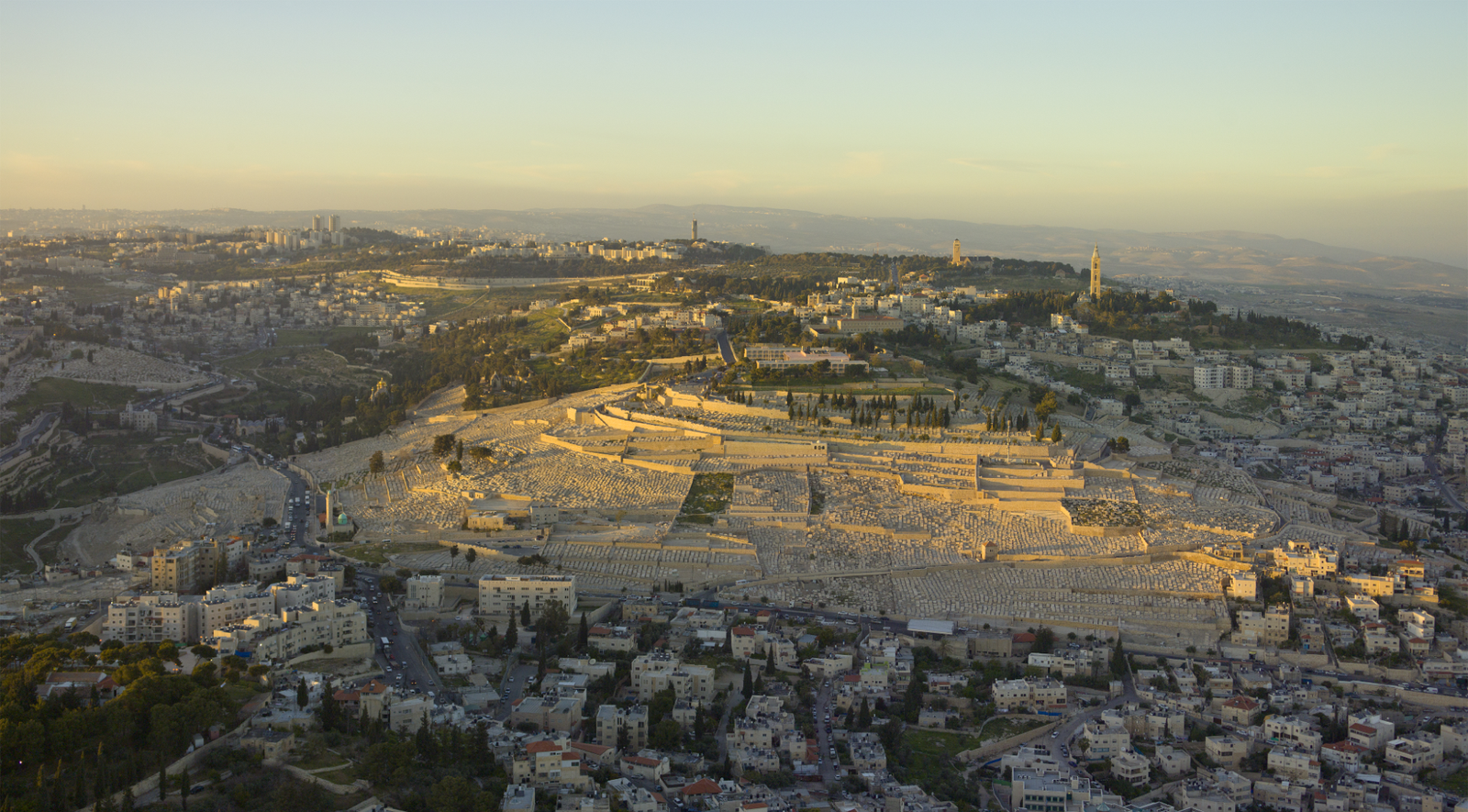
Watch the Old City turn golden from the best viewpoint. The Mount of Olives provides the most famous view of Jerusalem. The entire Old City spreads out below.
Sunset paints the limestone buildings in warm tones. The main viewpoint sits near the Seven Arches Hotel. Arrive about an hour before sunset to secure a good spot.
14. Visit Yad Vashem Holocaust Memorial
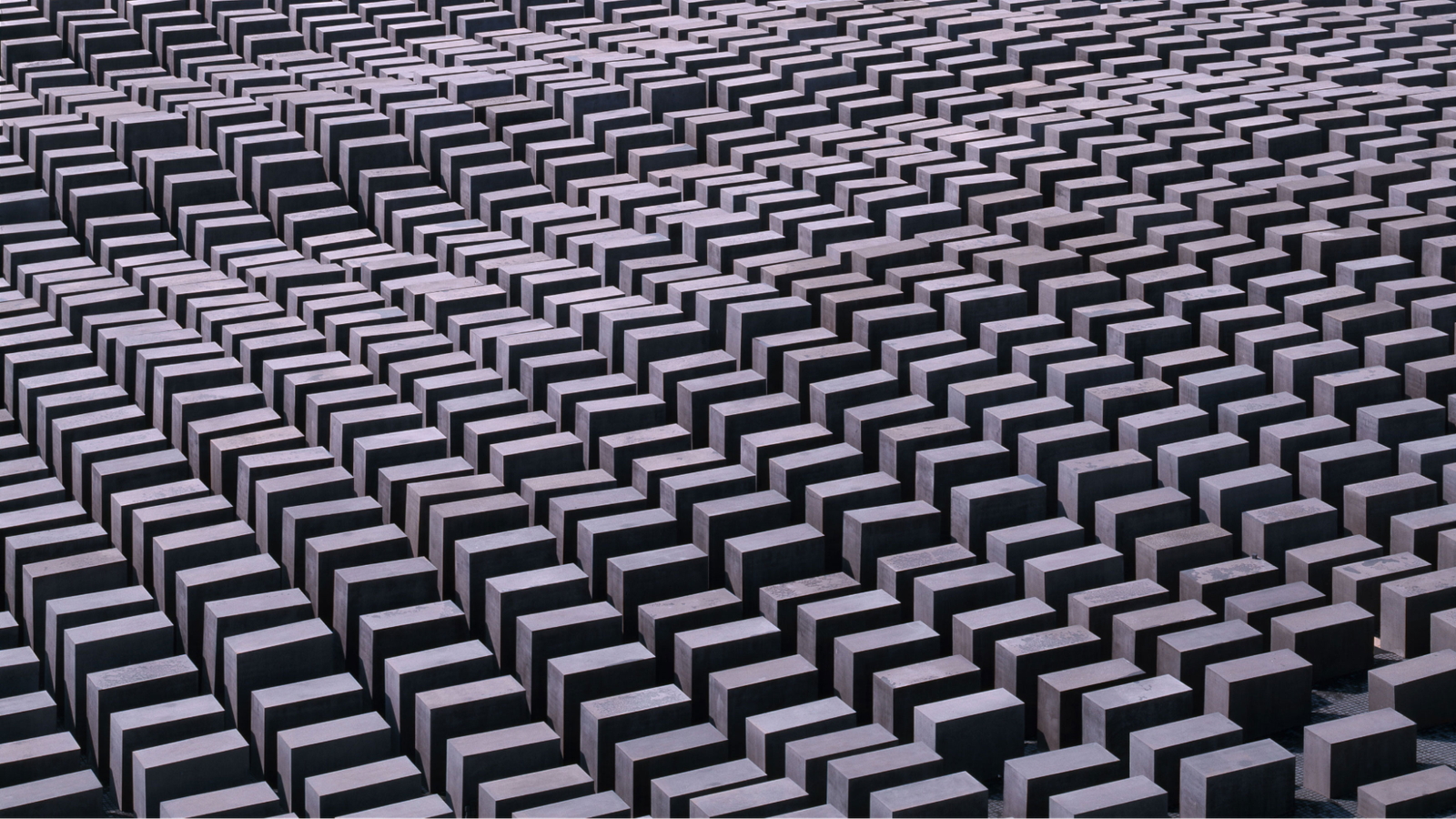
Honor the memory of Holocaust victims at Israel’s national memorial. Yad Vashem serves as Israel’s official Holocaust memorial and museum.
The main museum takes visitors through the Holocaust chronologically. Personal stories and artifacts make the experience deeply moving.
Plan at least three hours. Entry is free but requires advance online booking.
15. See the Israel Museum
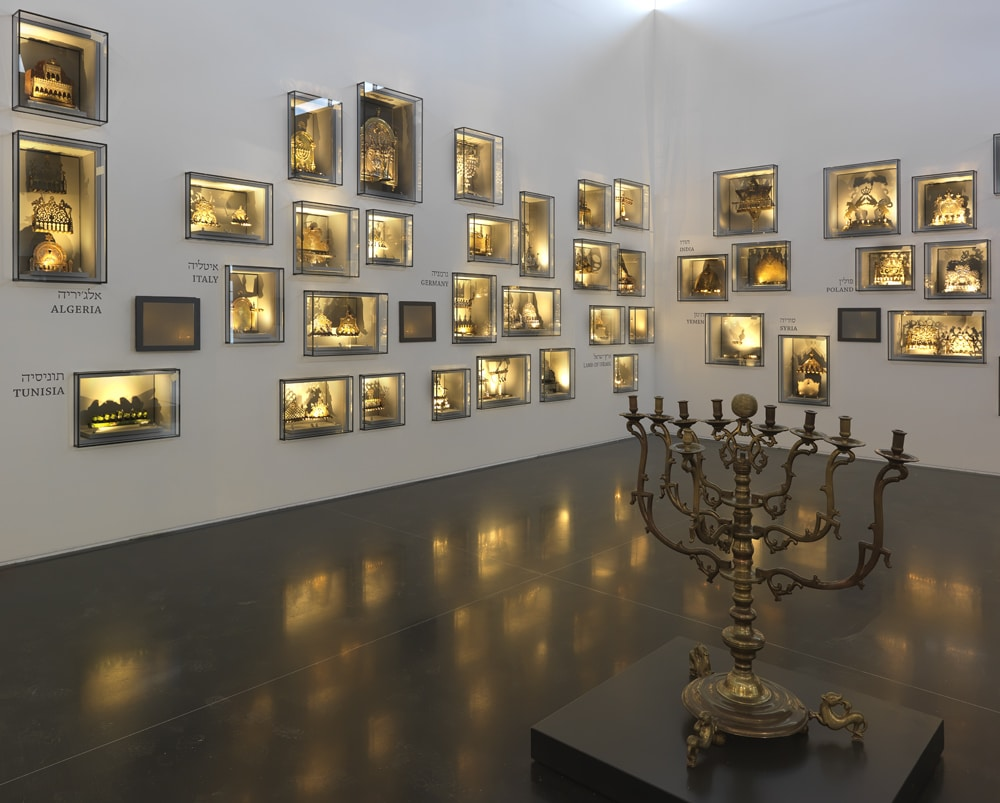
View the Dead Sea Scrolls and world-class art collections. The Israel Museum ranks among the world’s leading art and archaeology museums.
The Shrine of the Book houses the Dead Sea Scrolls. The collection spans 500,000 years of human history.
A scale model shows Jerusalem during Second Temple times. Plan at least half a day for your visit.
16. Wander Through Ein Kerem
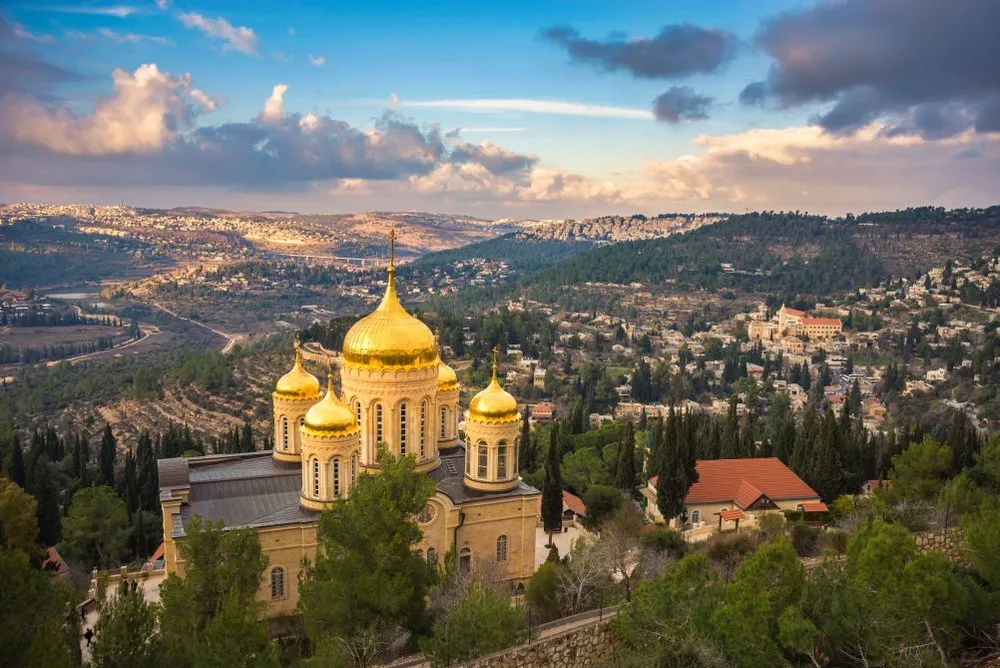
Visit the village where John the Baptist was born. Ein Kerem sits in the hills southwest of central Jerusalem. This peaceful village maintains a small-town feel.
Stone houses with red-tiled roofs line narrow streets. The Church of St. John the Baptist marks John’s birth site. Local artists have studios throughout the village.
17. Visit Mahane Yehuda Market During the Day
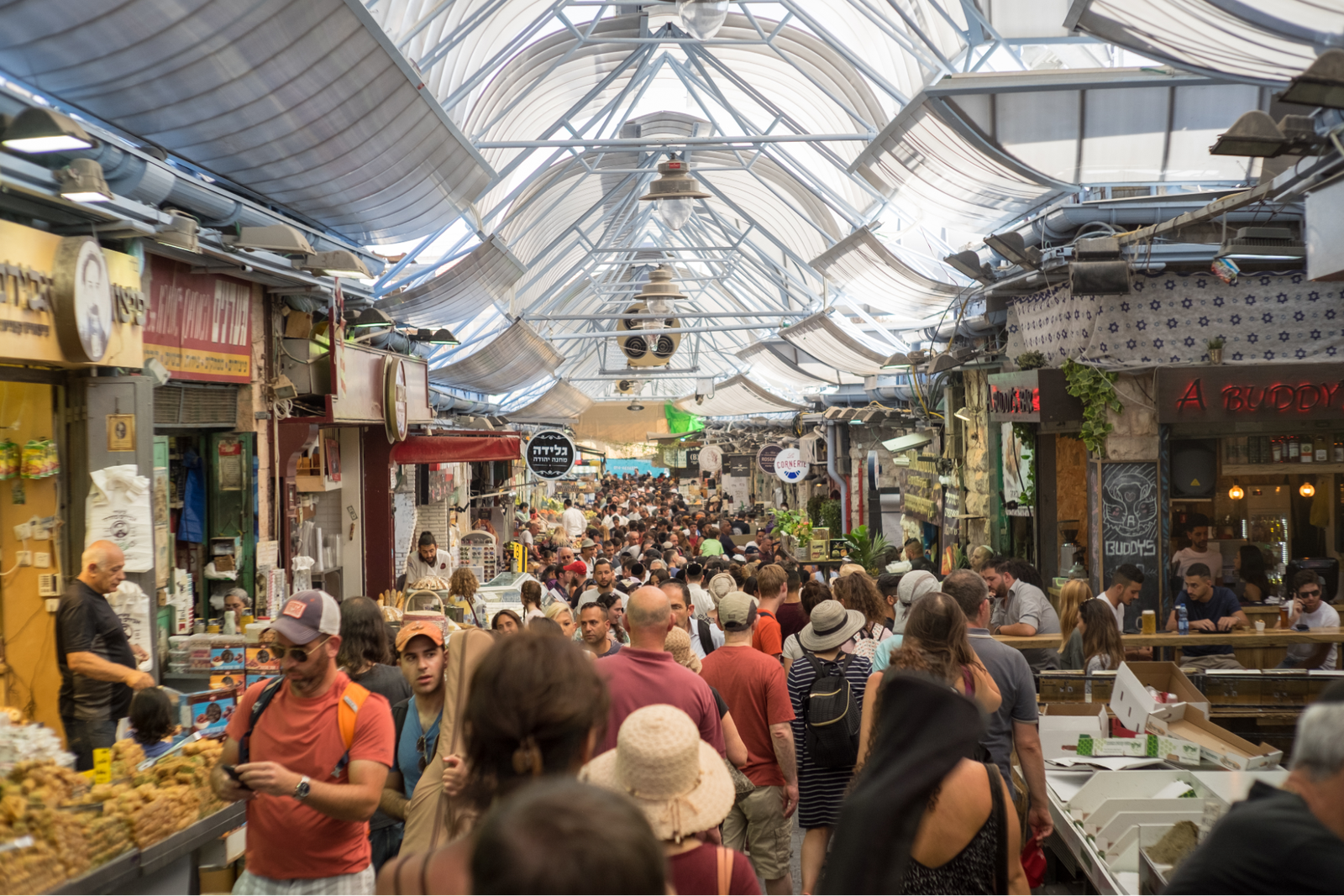
Experience Jerusalem’s most vibrant food market. Mahane Yehuda Market pulses with energy six days a week. Over 250 vendors sell fresh produce, meat, fish, and baked goods.
Vendors call out prices and offer samples.Fresh juice stands squeeze pomegranates to order. Friday mornings are busiest as people shop for Shabbat.
18. Experience Mahane Yehuda Market at Night
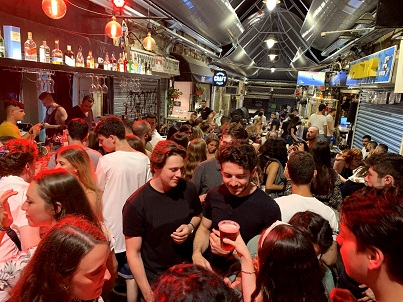
Return after dark for bars, music, and street art. The market transforms after vendors close. Stalls become bar counters. Street art covers the metal shutters.
Over 200 murals decorate the alleys. Wine bars and craft beer spots operate where vegetables sold earlier. Thursday nights draw the biggest crowds.
19. Have a Cocktail at a Local Bar

Sample Jerusalem’s growing cocktail scene. Jerusalem’s bar scene has grown significantly. Creative cocktail bars occupy historic buildings with stone walls.
Local bartenders use Middle Eastern ingredients like date syrup and cardamom. The downtown area near Jaffa Road has several popular spots. Friday nights are busiest.
20. Visit Historic Hotels of Jerusalem
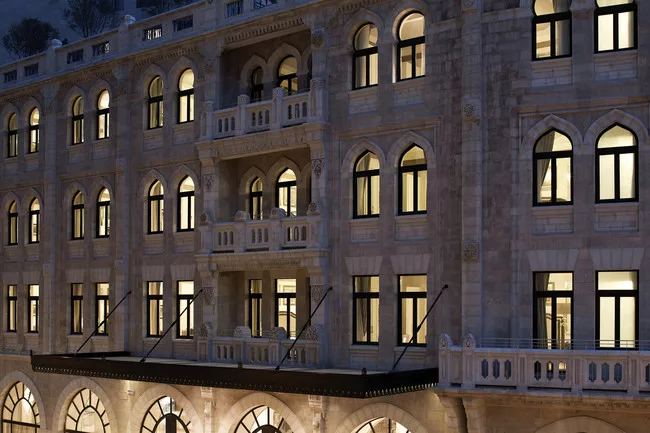
Tour architectural landmarks even if you’re not staying. The American Colony Hotel occupies a former pasha’s palace. Built in the 1860s, it maintains traditional architecture.
The King David Hotel has hosted world leaders since 1931. Both hotels allow visitors to see their public spaces. The architecture reflects Jerusalem’s colonial period.
21. See Jerusalem’s Art Scene
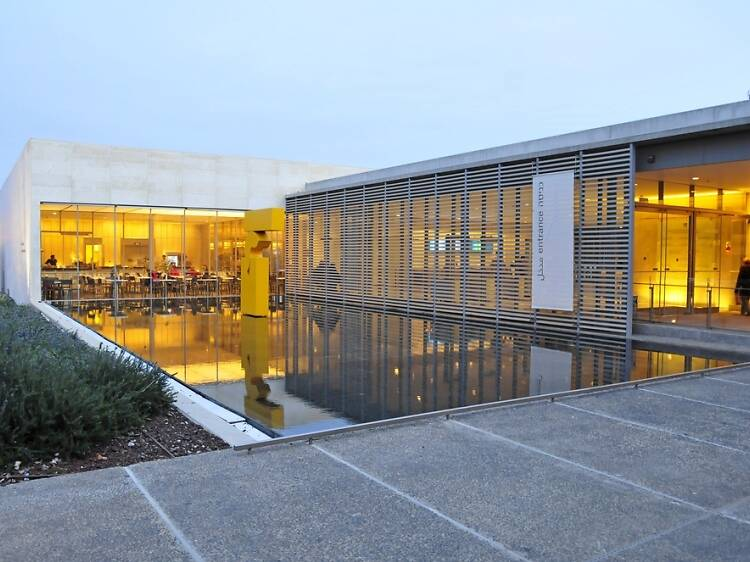
Find contemporary galleries and street art throughout the city. Independent galleries cluster in several neighborhoods.
Street art appears throughout downtown. Large murals decorate building facades. The Hansen House hosts artist studios and exhibitions.
First Station includes gallery space. Many galleries open late on Thursday evenings.
22. Visit the YMCA Jerusalem
See this architectural gem designed by the Empire State Building architect. The Jerusalem International YMCA opened in 1933.
The building combines architectural styles from different religious traditions. Visitors can climb the bell tower for panoramic views.
The YMCA has a public pool and hosts cultural events. Tower visits require a small fee.
23. Take a Day Trip to Masada, Ein Gedi & the Dead Sea
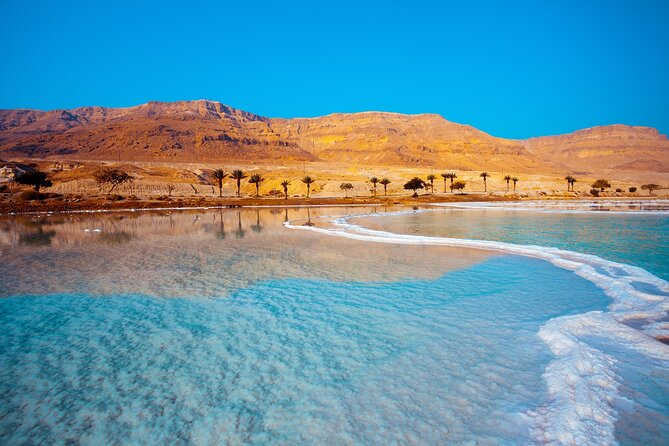
Visit an ancient fortress and float in the world’s saltiest water. Masada sits atop a rock plateau in the Judean Desert.
King Herod built a palace fortress here. Jewish rebels made their last stand against Rome in 73 CE. Ein Gedi oasis offers hiking trails and waterfalls.
The Dead Sea allows anyone to float effortlessly. Tours from Jerusalem typically cover all three sites.
24. Visit Bethlehem
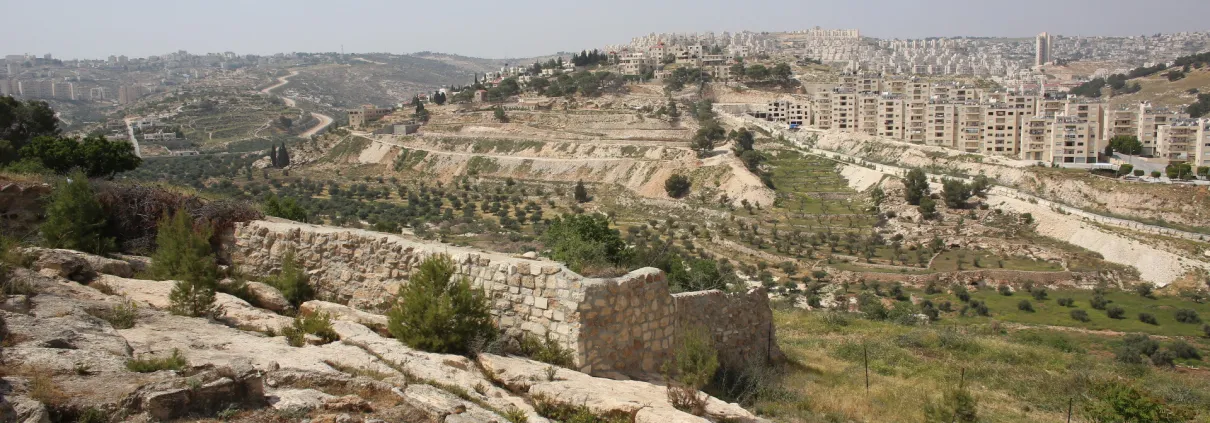
See the birthplace of Jesus just minutes from Jerusalem Bethlehem lies six miles south of Jerusalem.
The Church of the Nativity marks where Christians believe Jesus was born. The Grotto of the Nativity sits beneath the main church.
Bethlehem is in the West Bank. Visitors pass through a checkpoint. Organized tours handle logistics easily.
25. Tour Hebron with a Guide
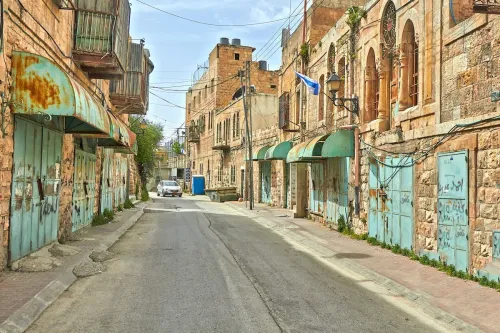
Learn about one of the region’s most complex cities Hebron sits about 30 miles south of Jerusalem.
The Tomb of the Patriarchs contains graves of biblical figures. The old city market shows traditional Palestinian life.
The political situation is complex. Going with a guided tour provides both safety and context.
26. Shop Along Yo’El Moshe Salomon Street
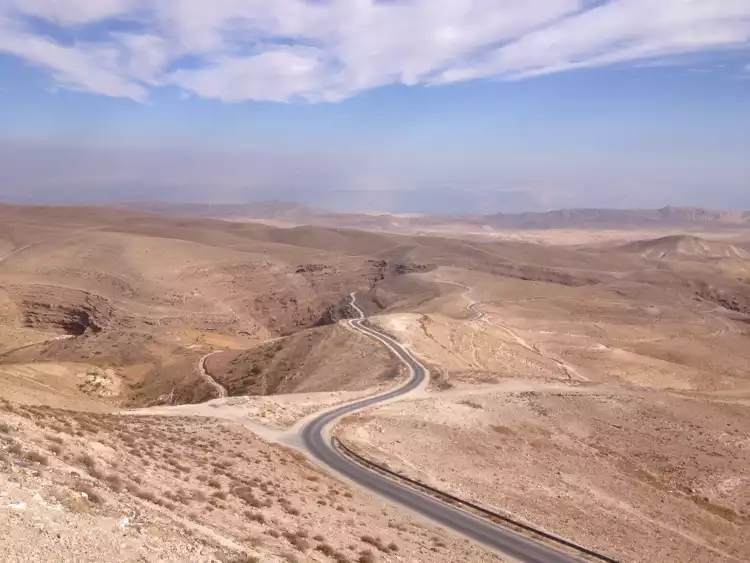
Browse boutiques and galleries in a renovated historic area.This pedestrian street has become a hub for local designers.
Boutiques sell Israeli fashion, jewelry, and home goods. Small cafés and wine bars occupy ground floors.
Israeli designers showcase contemporary takes on traditional crafts. Most shops open late morning and stay open into the evening.
27. Get Off the Beaten Path at Haim Alboher Alley
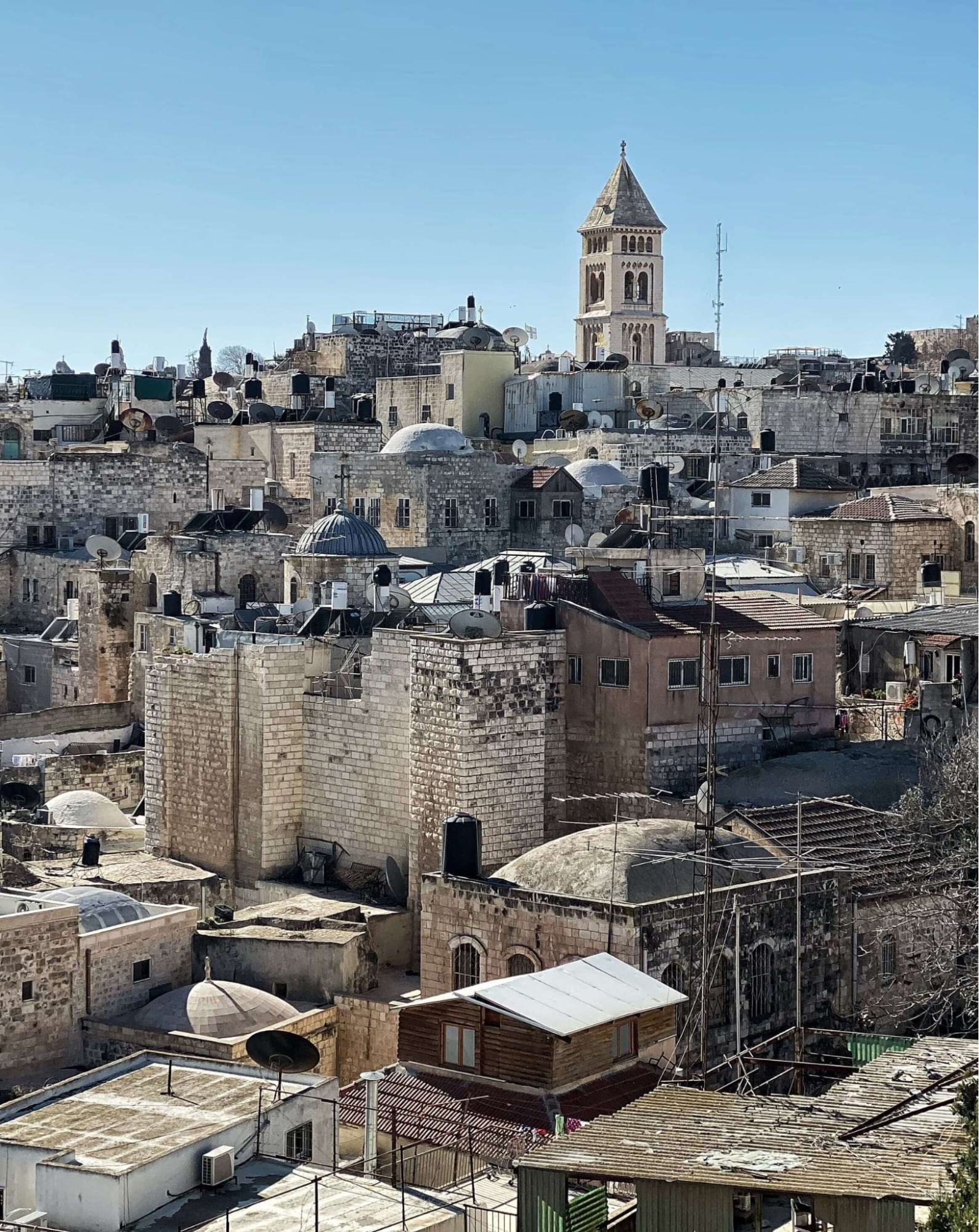
Find a quiet corner away from tourist crowdsThis hidden alley in the Old City offers a break from busy lanes. Local residents live along this narrow passage.
The alley shows daily life continuing as it has for generations. Be respectful when visiting residential areas. Keep noise down and ask before photographing people.
Travel Tips for Visiting Jerusalem
Plan your trip with practical advice for first-time visitors
- The best time to visit is spring or fall when the weather is mild for walking. Summers get hot with temperatures often exceeding 85°F.
- Modest dress is important at religious sites. Cover shoulders and knees at minimum. Women should bring a scarf for head covering at certain locations.
- The Old City is compact and walkable. The light rail connects major areas. Taxis and ride-sharing services are widely available.
- Security is visible throughout Jerusalem. Expect bag checks at tourist sites. Keep your belongings secure in crowded areas.
- Plan around religious observances. Many shops and restaurants close Friday afternoon through Saturday evening for Shabbat. Major sites may have restricted hours during holidays.
Conclusion
Jerusalem rewards those who take time to look beyond the famous sites. The Western Wall and Church of the Holy Sepulcher deserve their reputation, but the city offers much more.
Market vendors share stories. Hidden alleys reveal quiet moments. Walking the ancient streets connects you with thousands of years of history.
Modern Jerusalem buzzes with energy and creativity. Take this list as a starting point. Leave room for spontaneous turns down unfamiliar streets. Let Jerusalem surprise you.
Ready to start planning? Share this guide with your travel companions and begin mapping your route through this remarkable city.
Frequently Asked Questions
How many days do you need to see Jerusalem?
Three to four days covers major religious sites and neighborhoods. A week allows time for day trips to the Dead Sea and Bethlehem.
Is Jerusalem safe for tourists to visit?
Jerusalem is generally safe with visible security throughout. Exercise normal precautions and check current travel advisories before your trip.
What is the dress code for visiting religious sites?
Cover shoulders and knees at minimum. Women should bring a scarf for head covering. Many sites provide wraps if needed.
Can you visit Jerusalem on Friday or Saturday?
Yes, but many shops close Friday afternoon through Saturday evening for Shabbat. The Western Wall and Muslim sites have different access hours.
Do you need a guide to visit Jerusalem?
The Old City and main attractions are accessible without a guide. Guides provide valuable context for complex sites like the City of David.