



Planning a trip to South Africa feels overwhelming with so much to see. I created this South Africa itinerary to help you skip the stress and enjoy the good stuff.
This 10-day guide covers wildlife safaris in Kruger, wine tasting in Stellenbosch, and Cape Town’s best spots.
I’ve done this trip myself and learned what works for first-timers. You’ll get practical tips on where to stay, how to move around, and when to visit each place.
This guide includes safaris, beaches, mountains, and wine country.
Let me show you how to see South Africa’s highlights without rushing.
Why South Africa is Perfect for a 10-Day Trip

South Africa packs incredible variety into a compact area. You can see the Big 5 on safari one day and sip wine overlooking mountains the next.
The country offers world-class wildlife, remarkable coastlines, and vibrant cities all within easy reach.
Ten days gives you enough time to experience the main highlights without feeling rushed. The infrastructure is good, English is widely spoken, and you’ll find options for every budget.
From dramatic landscapes to rich culture and history, South Africa delivers experiences that rival destinations twice its size.
Tips for Visiting South Africa
Get familiar with the basics before you go to make your trip smoother and more enjoyable.
Money
South Africa uses the South African Rand (ZAR) as its currency. Most hotels, restaurants, and shops accept credit cards, but you’ll need cash for small vendors, tips, and some entry fees.
I recommend withdrawing money from ATMs at banks or shopping malls rather than airport kiosks for better rates. Notify your bank before traveling to avoid card blocks.
Keep some small bills handy for parking attendants and market purchases.
Language
South Africa has 11 official languages including Zulu, Xhosa, and Afrikaans. Don’t worry though, English is widely spoken in tourist areas, hotels, and restaurants.
You’ll hear it used for business and signage throughout the country.
Learning a few basic phrases in local languages is appreciated but not necessary. Most South Africans switch easily between languages, and you’ll have no trouble communicating in English.
Best Time to Visit
The best time depends on what you want to do. For safaris, visit during the dry winter months from May to September when animals gather around water sources.
The weather is cooler but perfect for game viewing. Coastal areas are warm year-round, though summer (November to March) brings beach weather.
Wine regions are pleasant any time, but harvest season (February to April) offers special experiences. July to September combines good safari conditions with mild weather in Cape Town, making it ideal for a mixed itinerary.
10-Day South Africa Itinerary
Follow this day-by-day plan to see the best of South Africa in ten days, from wildlife to wine country.
Day 1: Arrive in Johannesburg
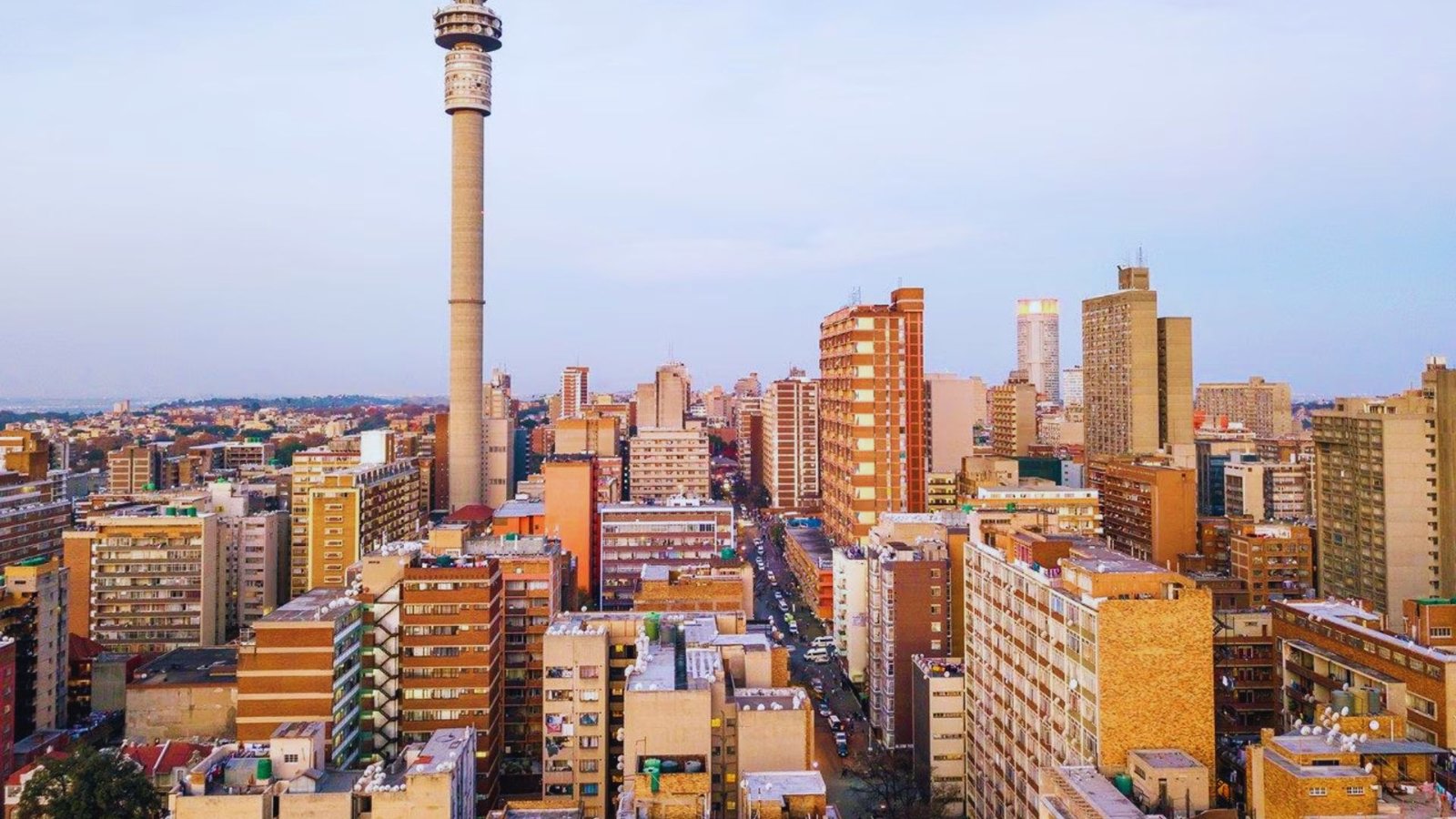
Touch down in Johannesburg and take time to recover from your flight. Long-haul travel can be exhausting, so don’t pack too much into your first day.
If you feel up to it, visit Soweto Township to see where Nelson Mandela and Desmond Tutu lived.
The Apartheid Museum offers powerful insights into South Africa’s history. Stay near the airport if you’re leaving early the next morning.
Protea Hotel or InterContinental Johannesburg both offer comfortable rooms and easy access.
Day 2: Johannesburg → Blyde River Canyon → Kruger
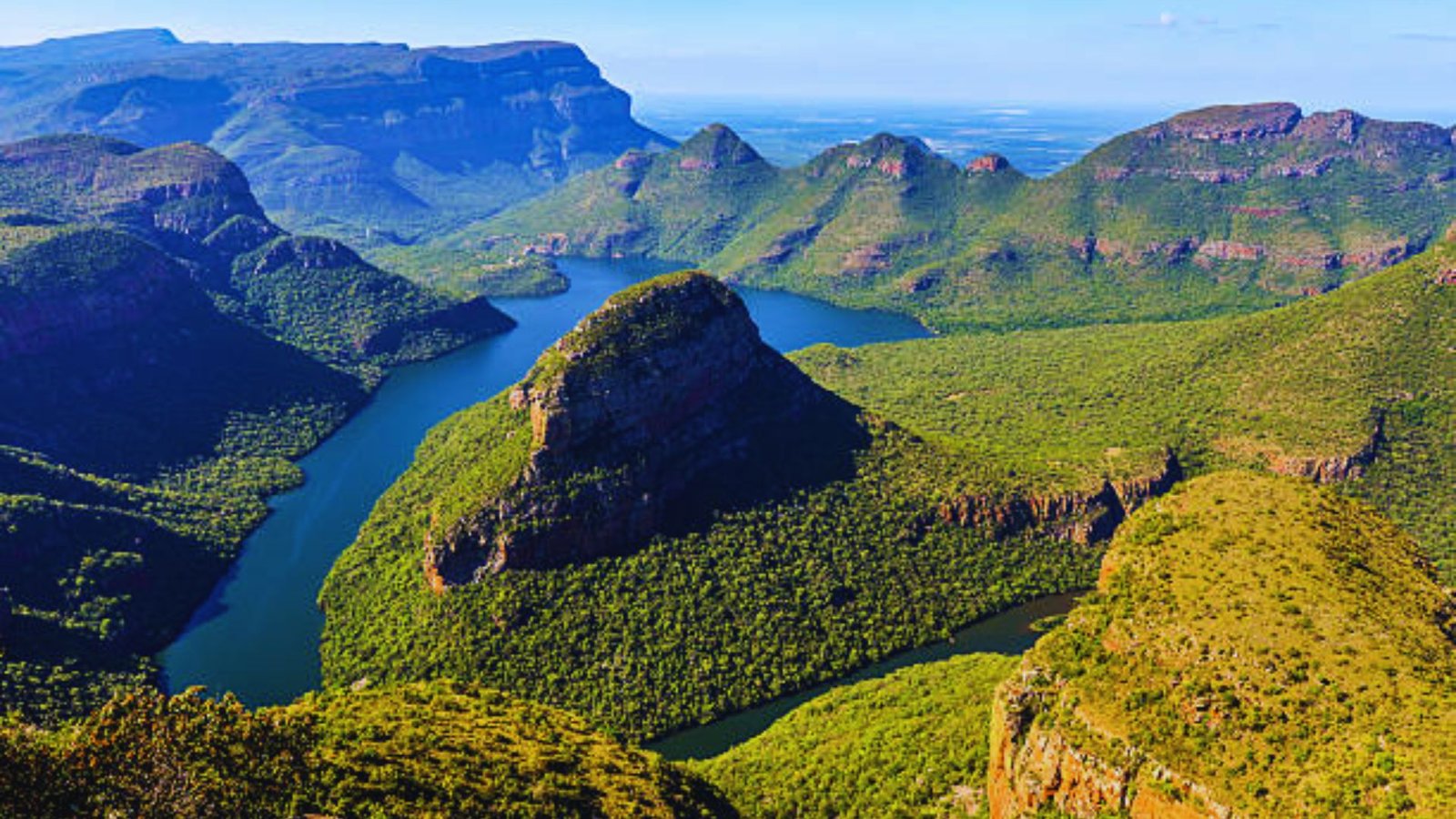
Start early for the scenic drive to Kruger National Park. Stop in Dullstroom for breakfast at one of the charming cafes.
The Panorama Route takes you past incredible viewpoints including Blyde River Canyon and God’s Window.
These stops offer breathtaking views of mountains and valleys. Take your time at each spot for photos and to stretch your legs.
Arrive in White River by evening and check into your hotel. Casterbridge Hollow Boutique Hotel makes a great base near Kruger’s gates.
Days 3 & 4: Kruger National Park Safari
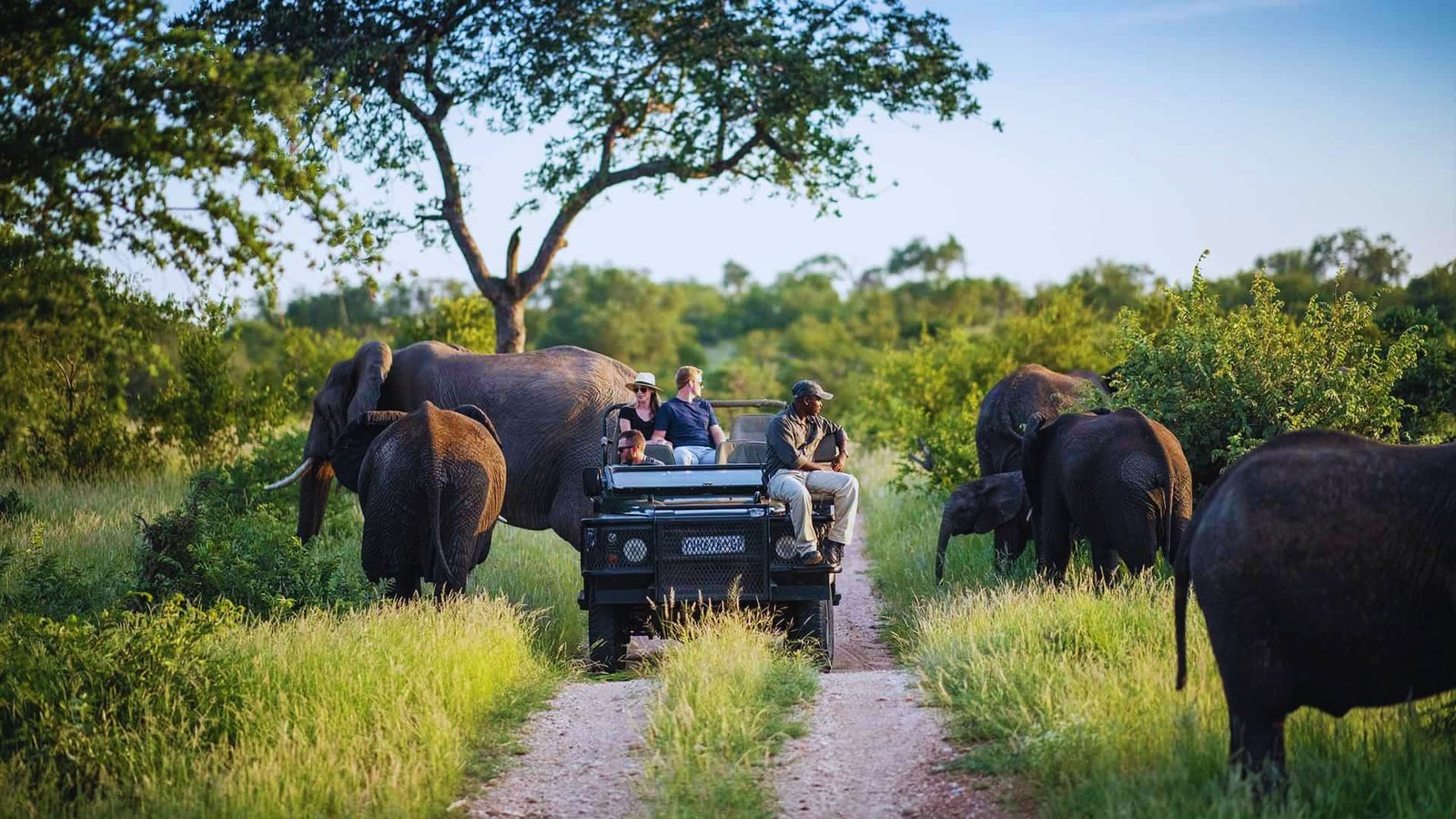
Spend two full days on safari in Kruger National Park. You can self-drive if you’re comfortable, or book a guided tour for expert wildlife spotting.
Early morning drives give you the best chance to see lions, leopards, elephants, rhinos, and buffalo (the Big 5).
Kruger is massive, so focus on specific areas rather than trying to cover everything. The southern section near Skukuza offers reliable sightings.
Pack water, snacks, and binoculars. Stay inside the park at one of the rest camps or book a private lodge just outside for extra comfort.
Day 5: Kruger → Pretoria → Fly to Cape Town
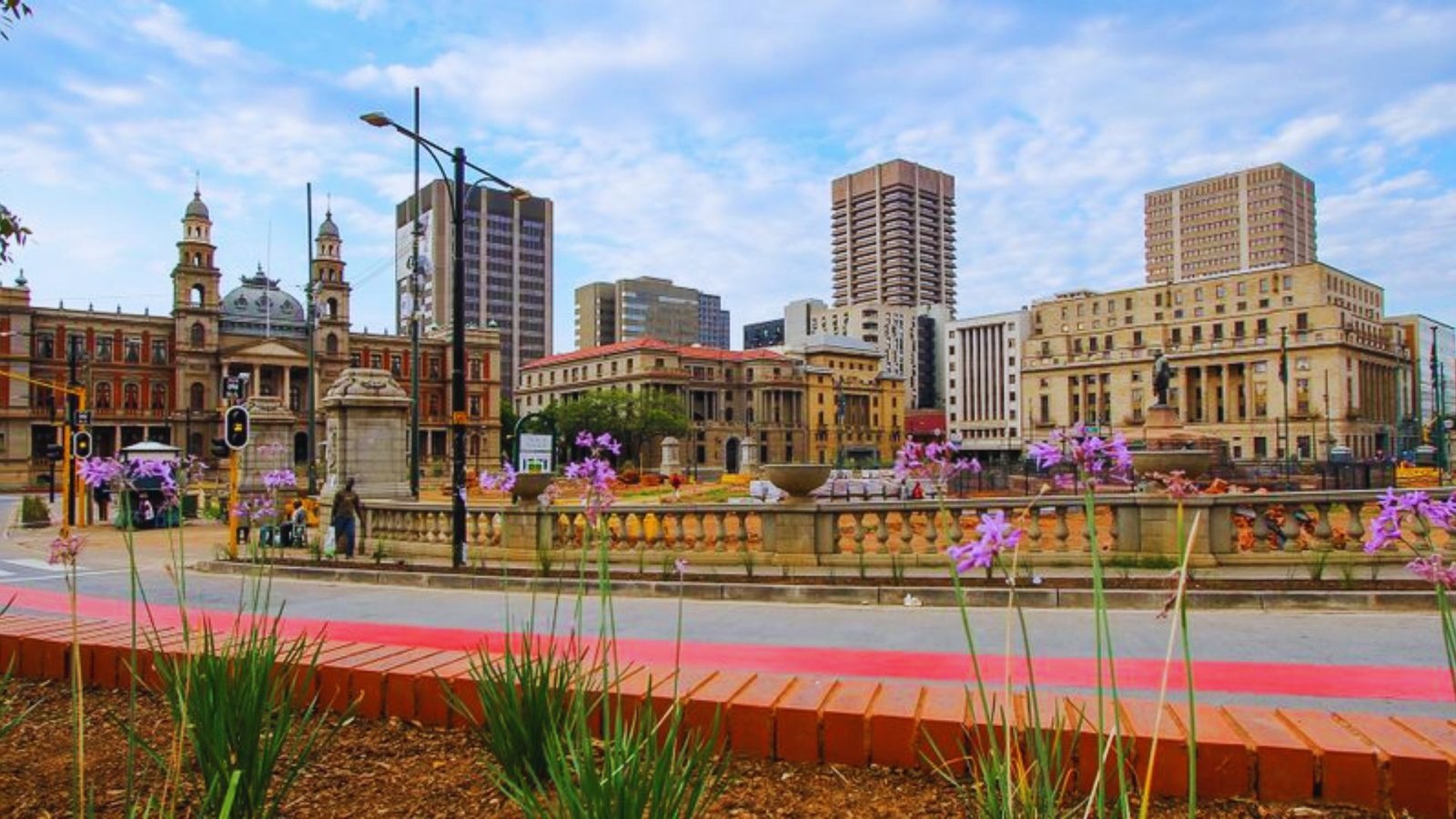
Drive back toward Johannesburg with a quick stop in Pretoria. The Union Buildings and Nelson Mandela statue are worth seeing if you have time.
Catch an afternoon flight to Cape Town (about 2 hours).
The flight offers gorgeous views on clear days. Cape Town has many great neighborhoods to stay in.
I recommend the City Bowl or Camps Bay for first-time visitors. Check into your hotel and grab dinner at a local restaurant to unwind.
Day 6: See Cape Town
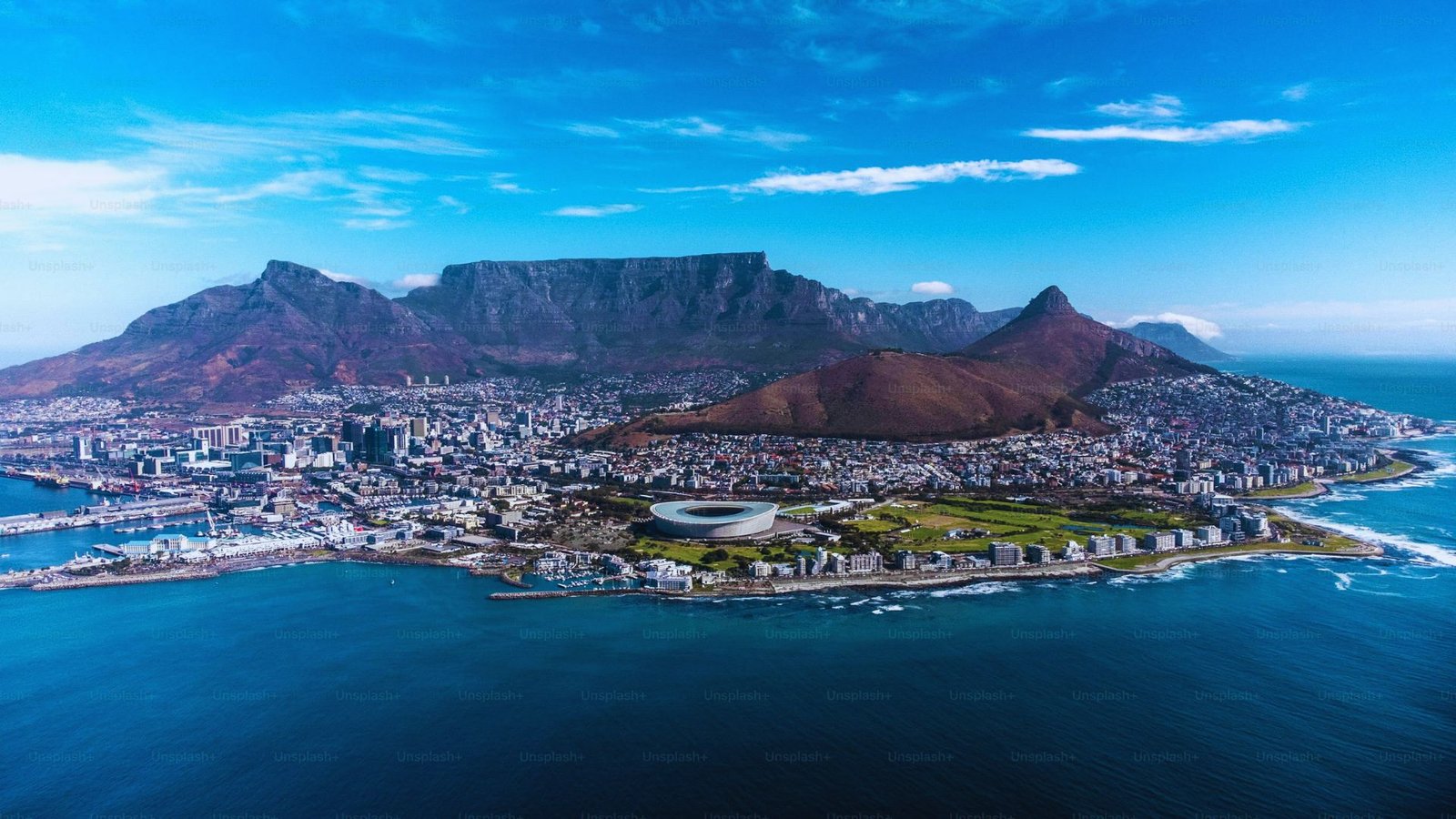
Take a hop-on hop-off bus tour to get oriented with the city. This lets you see multiple attractions at your own pace.
Visit Kirstenbosch Botanical Gardens to see native South African plants against mountain backdrops.
Head to Camps Bay for lunch with ocean views. Take the cable car up Table Mountain in the afternoon if weather permits (it closes in high winds). The 360-degree views are spectacular.
Have dinner at Kloof Street House, a Victorian mansion turned restaurant with cozy rooms and great food.
Day 7: Cape Winelands Tour
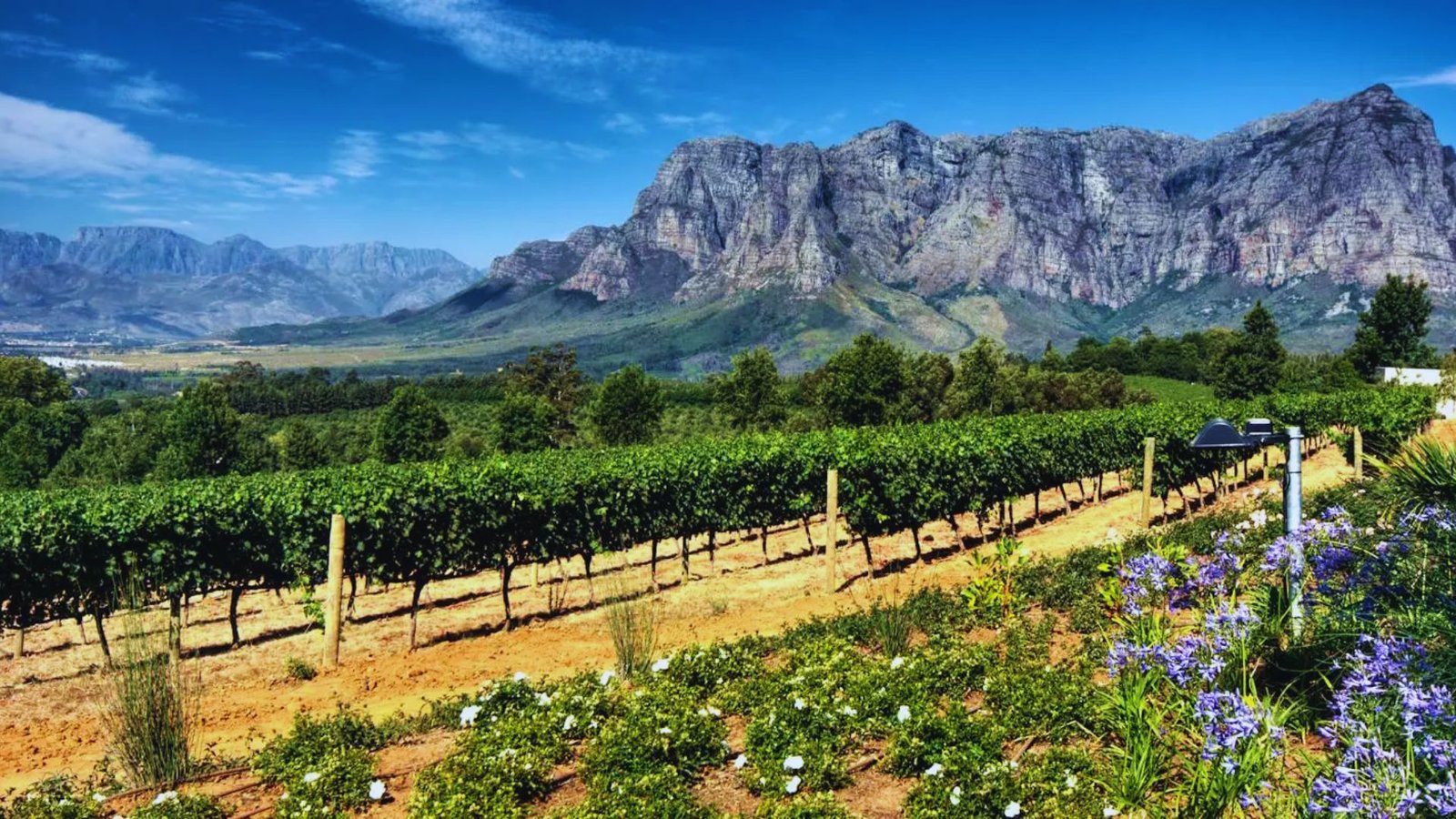
Dedicate a full day to the wine regions around Cape Town. Stellenbosch, Franschhoek, and Paarl are all within an hour’s drive.
Book a guided wine tour so everyone can taste without worrying about driving.
You’ll visit three or four wineries, sample wines, and usually get a lunch break at a scenic estate. The vineyard landscapes are gorgeous, especially with mountain backdrops.
If you prefer to go solo, rent a car and pick your own route. Just choose a designated driver for safety.
Day 8: Cape Point Peninsula
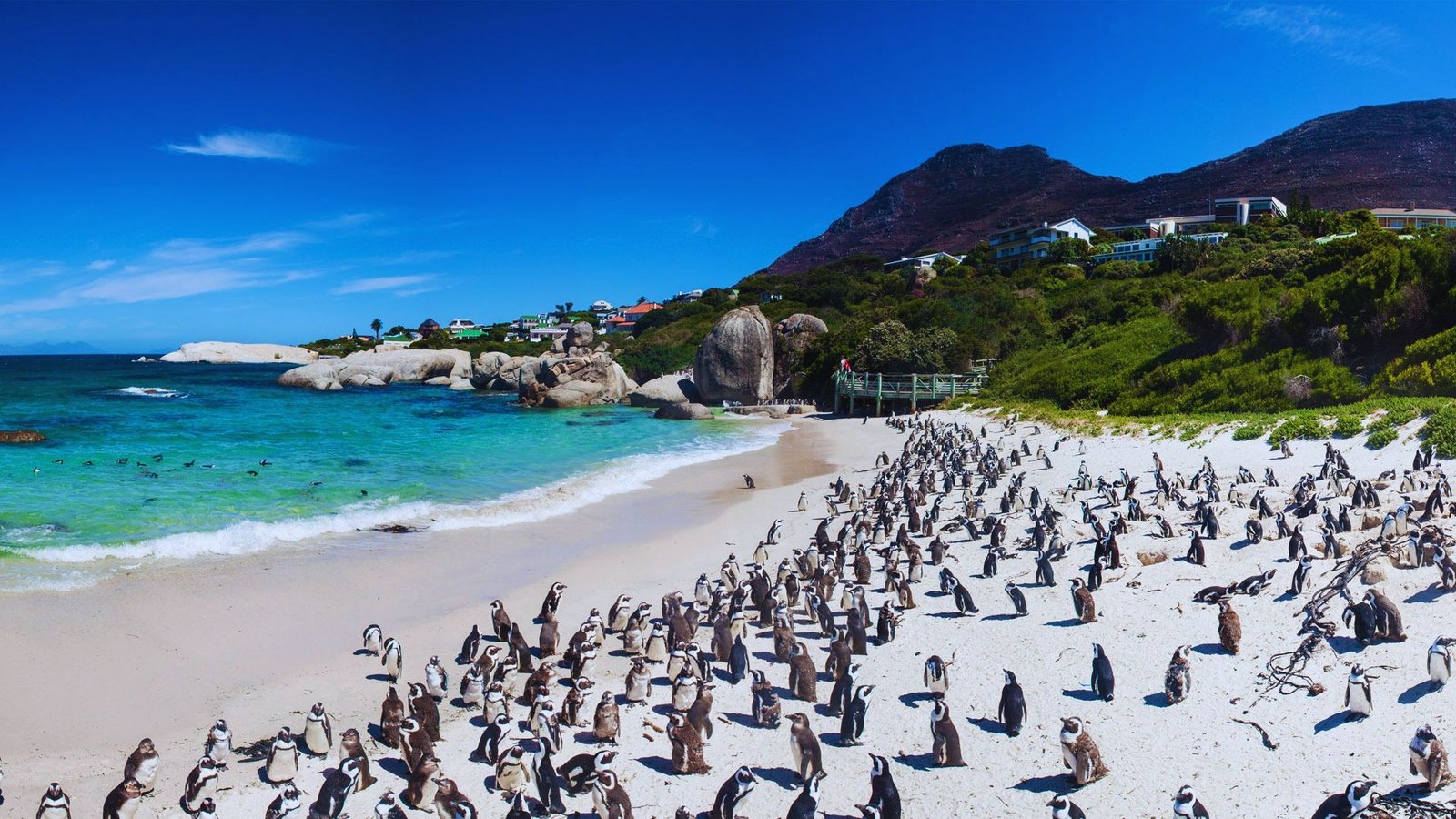
Drive along Chapman’s Peak, one of the most scenic coastal roads in the world. Stop for photos at the many viewpoints.
Visit Boulders Beach to see the African penguin colony up close. These little guys are incredibly photogenic and fun to watch.
Continue to Cape Point and the Cape of Good Hope. You can hike to the lighthouse or take the funicular.
The trails here offer incredible ocean views and chances to spot wildlife like baboons and ostriches.
Day 9: Cape Town Highlights
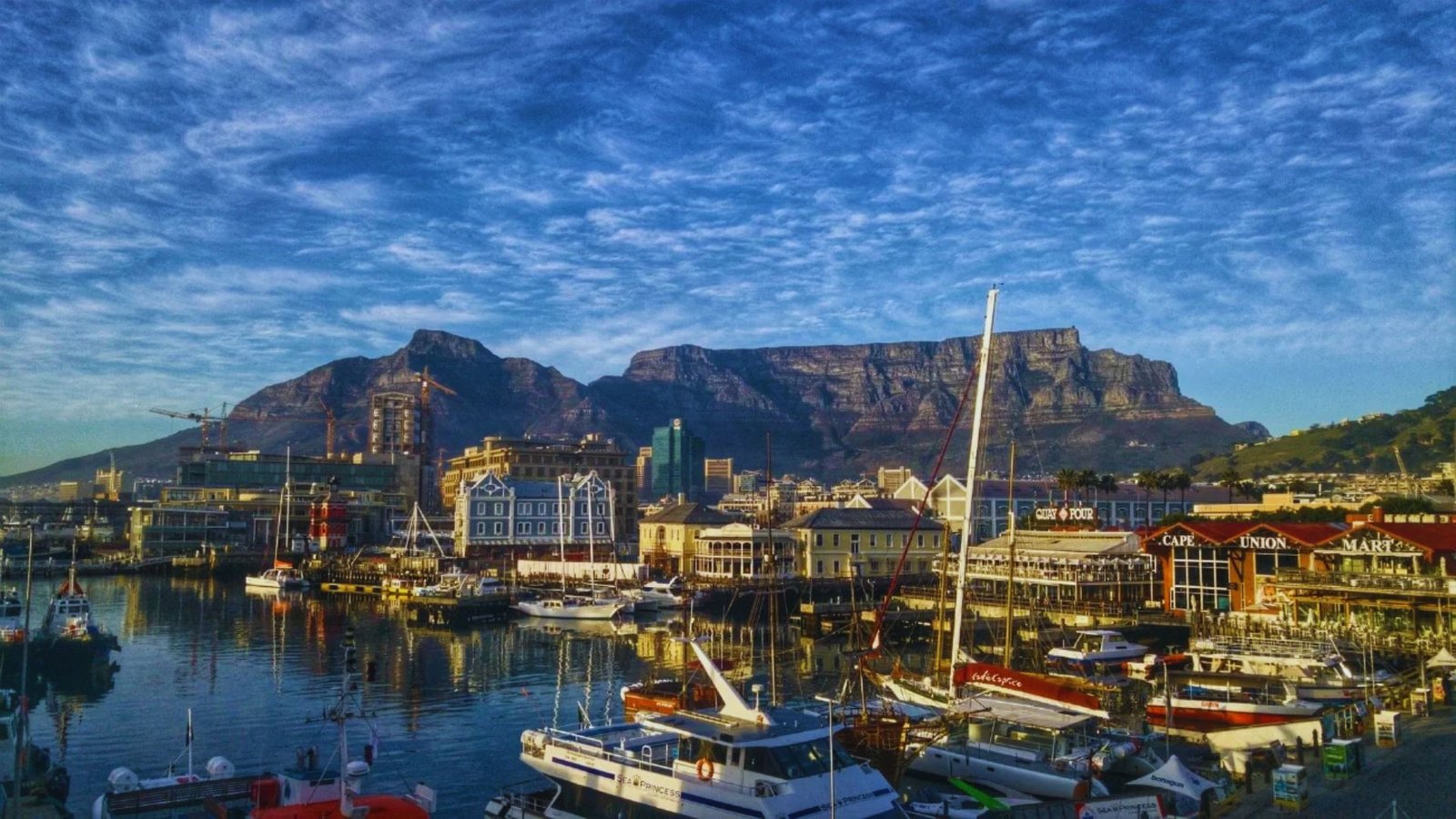
Start in Bo-Kaap, the colorful neighborhood known for its bright houses and Cape Malay culture. Join a walking tour to learn about the area’s history and traditions.
Head to the V&A Waterfront for lunch, shopping, and harbor views.
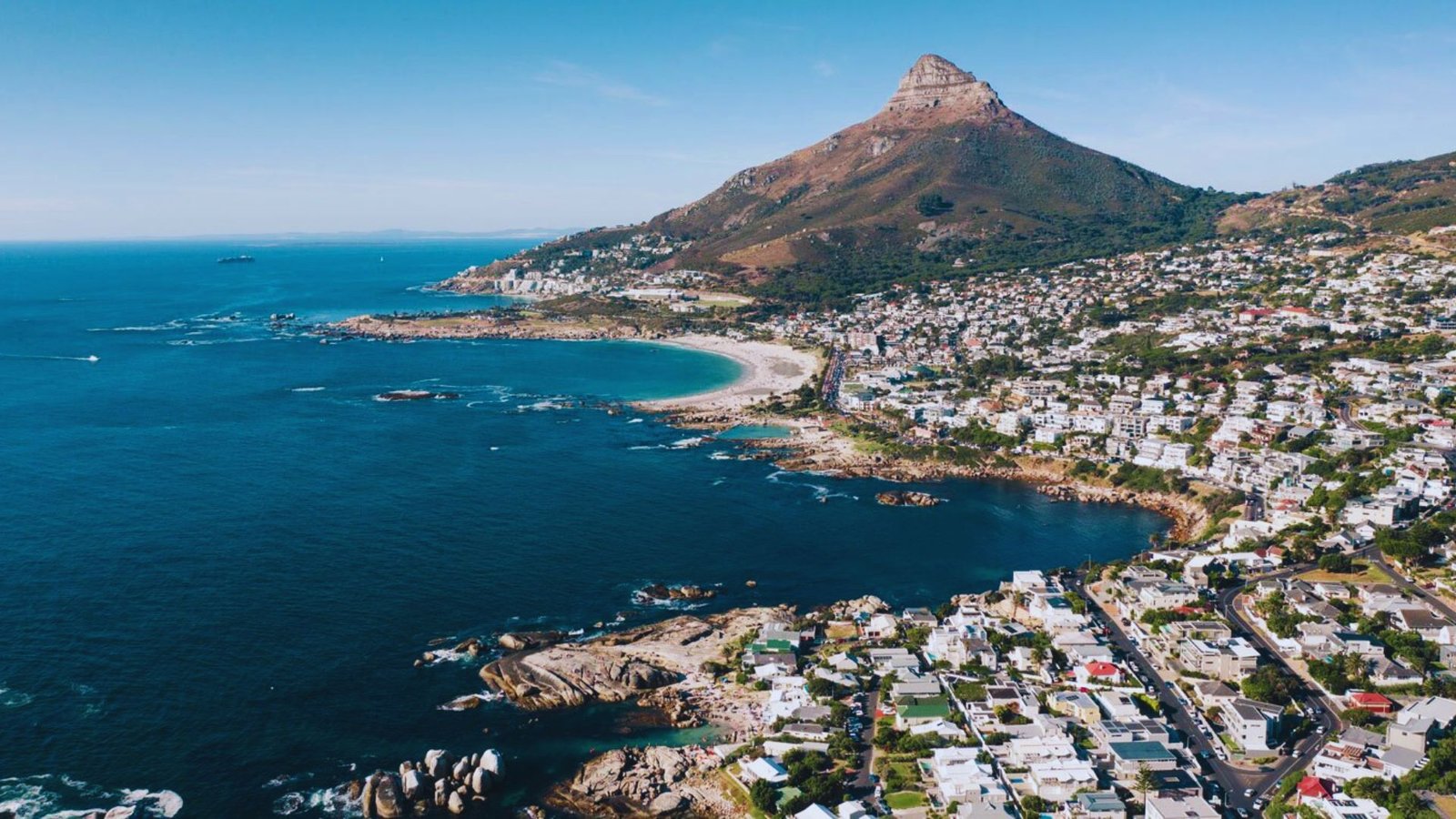
If you’re feeling active, hike Lion’s Head in the late afternoon for sunset views over the city and ocean. The climb takes about 90 minutes up and offers incredible panoramas.
Finish your day with dinner at GOLD Restaurant for traditional African cuisine with live music and dancing.
Day 10: Fly Home
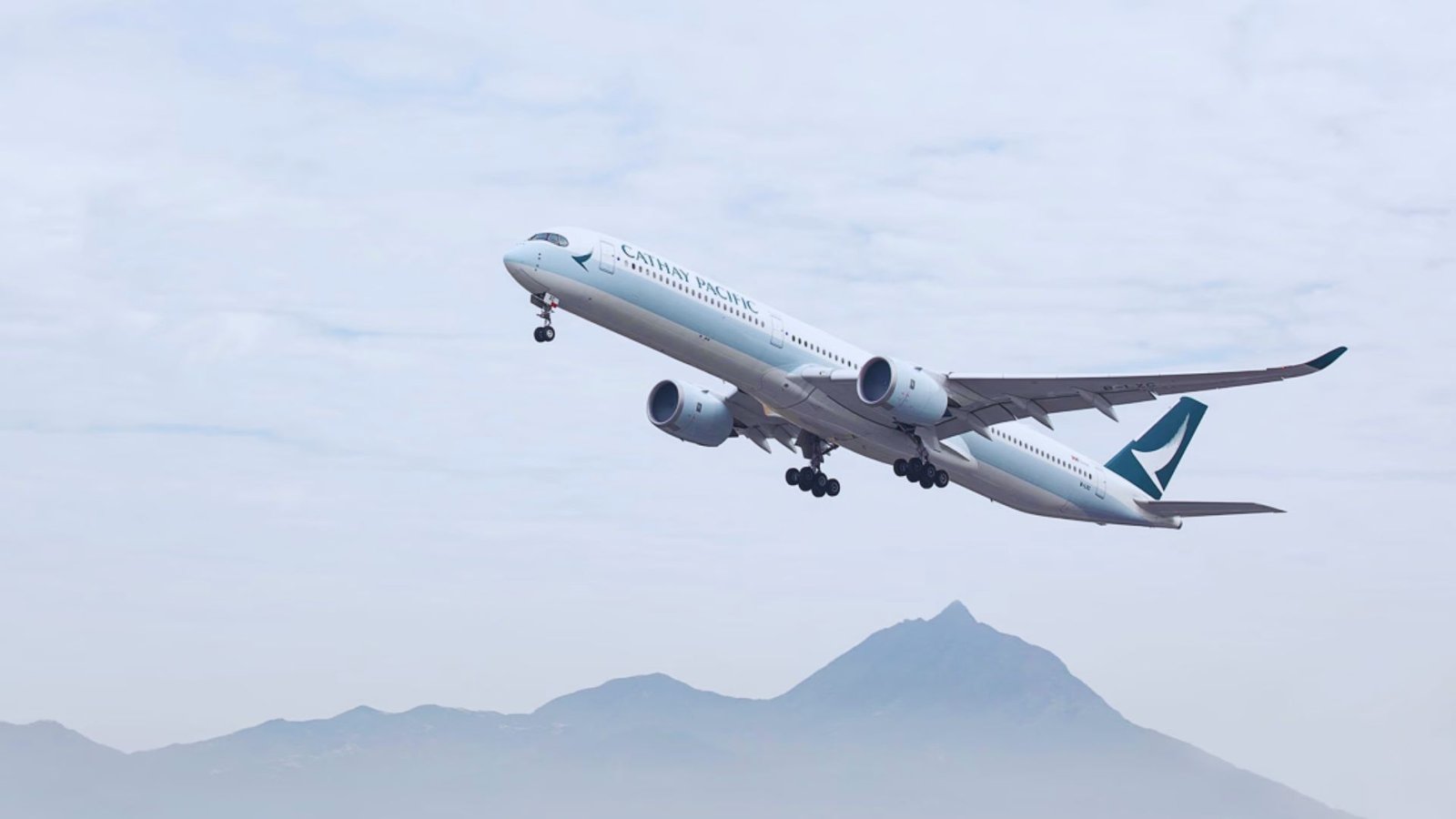
Pack up and head to the airport with plenty of time for international check-in.
If you have a few hours before your flight, browse the shops at the V&A Waterfront for last-minute souvenirs. The airport also has good duty-free shopping.
Reflect on all the amazing experiences from your trip as you head home. South Africa leaves most visitors wanting to return.
Optional Extensions for 15–20 Day Itineraries
Add extra days to your trip for more coastal beauty, safari time, or mountain adventures.
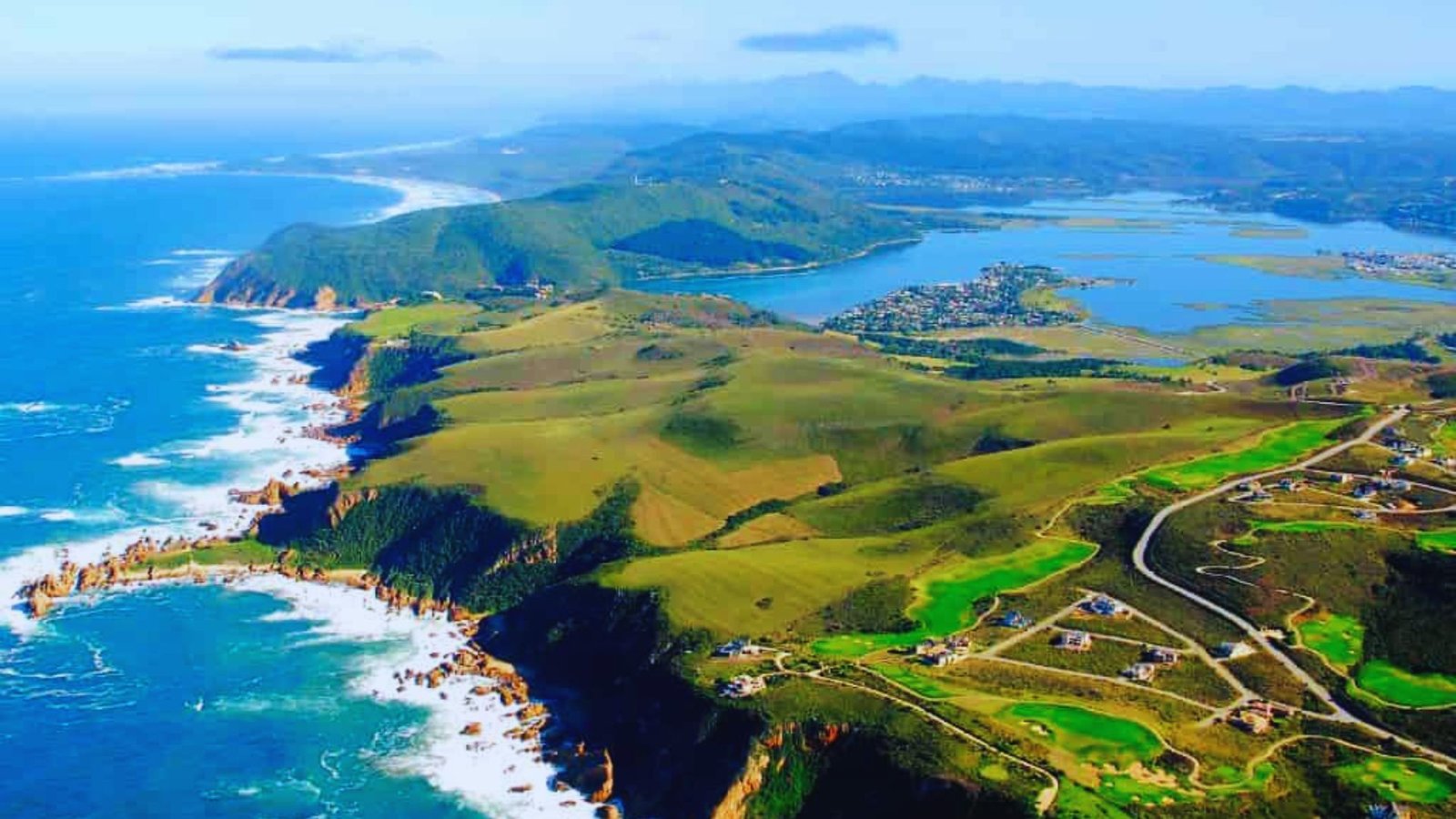
If you have more than 10 days, consider adding the Garden Route. This scenic coastal drive between Mossel Bay and Storms River offers beaches, forests, and charming towns. Knysna is famous for its lagoon and oysters.
Plettenberg Bay has incredible beaches perfect for swimming and whale watching. You could also spend more time on safari at private game reserves like Sabi Sands or Madikwe. These offer more intimate wildlife experiences with expert guides.
For hikers, the Drakensberg Mountains provide challenging trails and dramatic scenery. The Amphitheatre hike and Tugela Falls are particularly rewarding.
Packing Tips for South Africa
Bring the right gear to stay comfortable across different climates and activities during your trip.
Safari Essentials:
- Neutral-colored clothing (khaki, olive, brown)
- Layers for cold mornings and warm afternoons
- Hat, sunglasses, and sunscreen
- Binoculars and camera with zoom lens
General Items:
- Light jacket for windy Cape Town weather
- Comfortable walking shoes for cities and hikes
- Swimsuit for beaches and pools
- Universal adapter and portable charger
- Medications (specific brands may not be available)
Final Tips & Resources
Make your South Africa trip run smoothly with smart planning for transport, safety, and helpful tools.
Transportation:
- Rent a car for flexibility at major airports
- Book Johannesburg to Cape Town flights early for better prices
- Use budget airlines like FlySafair and Kulula
- Join organized tours for wine tastings and day trips
Safety:
- Keep valuables hidden
- Avoid walking alone at night
- Stay in well-traveled areas
- South Africa is safe with basic precautions
Helpful Apps:
- Google Maps (download offline)
- Uber for city transport
- Zomato or TripAdvisor for restaurants
- Keep emergency numbers handy
- Register with your embassy
Conclusion
South Africa completely changed how I think about travel. The wildlife, mountains, and coastline stay with you long after you get home.
This south africa itinerary gives you the highlights without cramming too much into each day.
I’ve watched sunrises over Kruger and sunsets from Lion’s Head, and both moments felt magical in their own way.
Use this guide to plan your trip with confidence. Start booking those flights and get excited.
If this helped you, share it with friends who need travel inspiration. Comment below and tell me which day you’re most excited about!
Frequently Asked Questions
Is South Africa safe for tourists?
Yes, South Africa is safe for tourists who take standard precautions. Stick to well-traveled areas, keep valuables secure, and avoid walking alone after dark. Most visitors have trouble-free trips.
Do I need a visa to visit South Africa?
Many countries receive visa-free entry for up to 90 days. Check requirements based on your nationality before booking. US, UK, and EU citizens typically don’t need advance visas.
How much does a 10-day South Africa trip cost?
Budget $1,500-$3,000 per person depending on accommodation choices and activities. This includes flights within South Africa, hotels, meals, and tours. Safari lodges and wine tours increase costs.
Can I self-drive in Kruger National Park?
Absolutely! Self-driving in Kruger is popular and gives you control over your schedule. Roads are well-maintained, and you’ll spot plenty of wildlife. Just follow park rules and speed limits.
What vaccinations do I need for South Africa?
No vaccinations are required for most travelers. Consider routine vaccines like hepatitis A and typhoid. Malaria prophylaxis is recommended only if visiting specific areas like Kruger during wet season.