
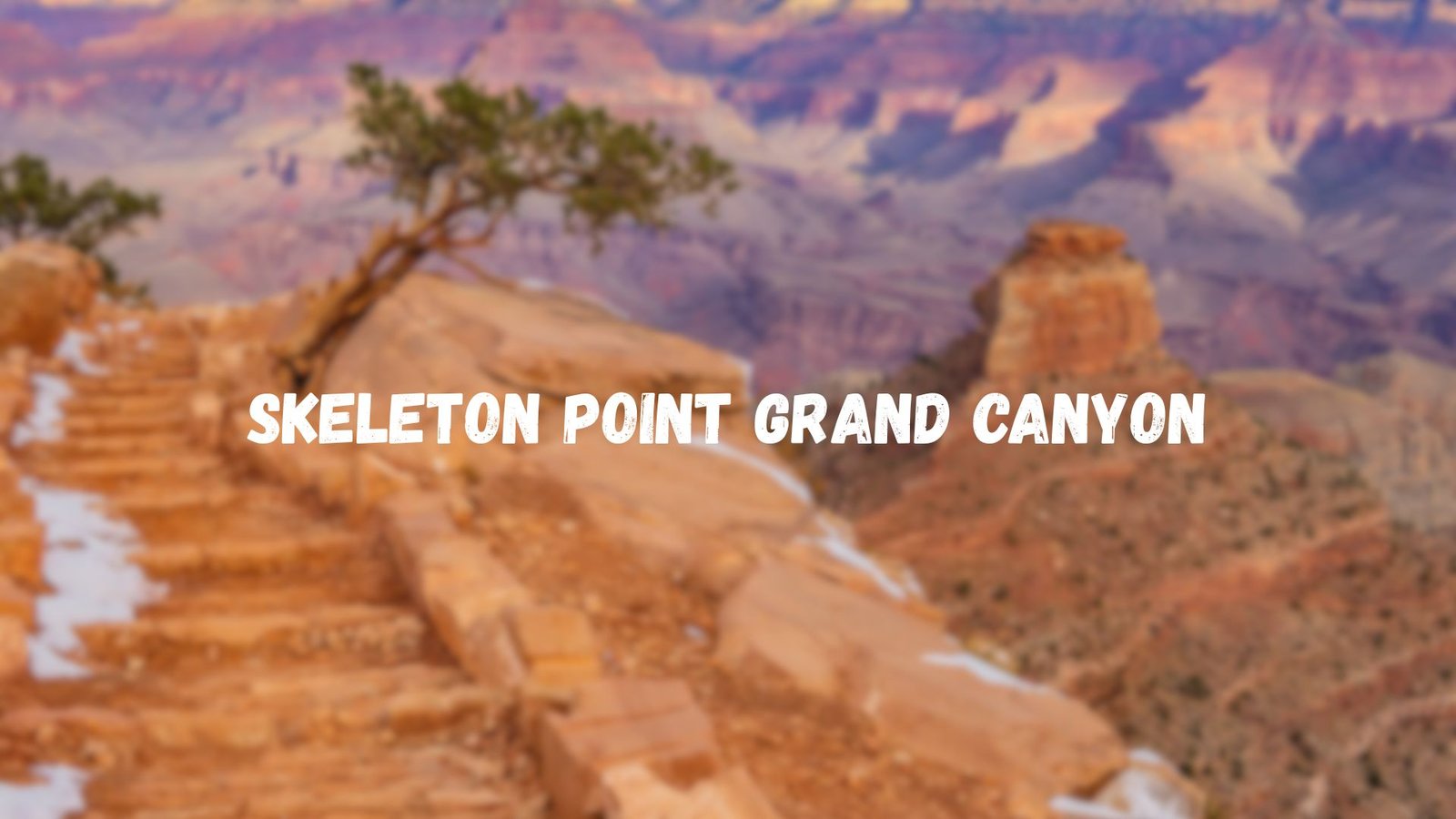




Have you ever stood at the edge of something so vast it takes your breath away? That’s exactly what happened to me at Skeleton Point in the Grand Canyon.
This spot on the South Kaibab Trail is one of my favorite day hikes, and I want to share everything I learned with you.
The trail is challenging, but the views make every step count. In this guide, I’ll walk you through the trail details, how difficult it really is, what to pack, and crucial safety tips.
Let’s get you ready for this incredible hike.
Quick Facts About Skeleton Point

Here’s what you need to know before you start:
- Location: South Kaibab Trail, South Rim, Grand Canyon
- Roundtrip Distance: 6 miles (9.6 km)
- Elevation Change: 2,040 to 4,124 feet
- Estimated Hiking Time: 4 to 6 hours
- Difficulty Level: Hard and strenuous
- Water Availability: None on the trail. You must bring all your water.
Getting to the South Kaibab Trailhead

Getting to the trailhead requires planning since there’s no direct parking. Learn your shuttle options and timing to start your hike smoothly.
Parking and Shuttle Access
You can’t park at the trailhead itself. The National Park Service doesn’t allow public parking there to reduce congestion.
Your best option is taking the free shuttle bus. Look for the Kaibab Rim (Orange) Route or the Hiker’s Express shuttle. Both routes stop right at the trailhead.
The shuttles run frequently during peak season. If you arrive when shuttles aren’t operating, taxis are available from the main visitor areas.
Tips for Day Hikers
Start your hike as early as possible, ideally before 7 AM. Early starts help you avoid afternoon heat and crowds on the trail.
You’ll also finish before the hottest part of the day. Park your car in Lot 1 or Lot 2 near the visitor center.
These parking areas fill up quickly, so arrive early. They’re designed for day hikers and connect easily to the shuttle system.
Trail Overview
The South Kaibab Trail follows a ridgeline as it drops into the canyon. This gives you amazing panoramic views in every direction.
However, the trail has almost no shade. You’ll be completely exposed to the sun, wind, and any storms that roll in.
The trail surface is mostly packed dirt with some rocky sections. You’ll face steep switchbacks, especially through an area called “The Chimney.” These turns are sharp and can be challenging on the way back up.
Conditions change dramatically with the seasons. Winter brings ice and snow, making the trail slippery and dangerous.
Summer temperatures can soar above 100 degrees, especially as you go lower into the canyon. Spring and fall offer the most comfortable hiking conditions.
Turnaround Points Along the South Kaibab Trail
The South Kaibab Trail has several stopping points. You can choose where to turn around based on your fitness level and time.
Ooh Aah Point

Distance & Elevation: 1.8 miles roundtrip / 790 to 1,370 feet
This is a short hike that’s perfect for beginners or families. The views are impressive for such a quick trip. You can complete this in about an hour.
Cedar Ridge

Distance & Elevation: 3 miles roundtrip / 1,120 to 2,409 feet
Cedar Ridge has restrooms, which makes it a popular stop. It’s a great spot to take a break, eat snacks, or have lunch. The views here are already stunning.
Skeleton Point

Distance & Elevation: 6 miles roundtrip / 2,040 to 4,124 feet
This is the main goal for most day hikers. The panoramic views from here are worth every step. Take your time getting there. Drink water regularly and stop when you need to rest. Bring your camera because the photo opportunities are incredible.
The Tipoff

Distance & Elevation: 9 miles roundtrip / 3,280 to 5,862 feet
Only experienced hikers should attempt this distance. It’s too far for a safe day hike. Most people need to camp overnight if they go this far down.
Trail Safety Tips
- Bring at least 4 liters of water per person and pack high-calorie snacks like nuts, energy bars, or trail mix. You’ll need more fuel than you think for this strenuous hike.
- Wear sunscreen, a hat, and sunglasses to protect yourself from intense sun exposure. Dress in layers so you can adjust as temperatures change throughout the day.
- In winter, carry traction devices like microspikes or crampons for icy sections. The trail becomes slippery and dangerous when covered in ice or snow.
- During summer months, start before sunrise and finish by 10 AM to avoid extreme heat. Never hike during the hottest hours between 10 AM and 4 PM.
- If you meet mules on the trail, step to the uphill side and stand completely still. Wait quietly until the mule train passes before continuing your hike.
- Check the weather forecast and current trail conditions before you leave. Conditions can change quickly, and ranger updates help you stay safe.
Hiker Experiences & Insights

Hikers who start early, around 6 or 7 AM, enjoy fewer crowds and cooler temperatures. Many notice the temperature rising significantly as they go down into the canyon.
Most agree the climb back up is the hardest part, requiring frequent rest stops. Experienced hikers recommend taking short breaks every 15 to 20 minutes and drinking water before you feel thirsty.
The effort is worth it. The views from Skeleton Point are absolutely breathtaking and make every challenging step count.
Nearby Amenities & Accommodations
Tusayan, just outside the park entrance, has hotels and restaurants. Inside the park, Mather Campground offers camping but fills up fast during busy seasons.
Food and water options are limited inside the park. Stock up on supplies before your hike. The general store near the visitor center sells snacks and water at higher prices.
Pick up a free shuttle map at any visitor center. It shows all routes and trailhead locations to help you plan your day.
Conclusion
Skeleton Point is one of those hikes that stays with you long after you finish. Yes, it’s challenging and will test your stamina, but the panoramic views make it all worthwhile.
You get that true Grand Canyon experience without having to hike all the way to the river. I can’t stress enough how important preparation is.
Bring plenty of water, start early, and know your limits. Take breaks when you need them. This hike isn’t a race.
When you finally stand at Skeleton Point and look out at those incredible views, you’ll understand why so many people keep coming back.
Stay safe and have an amazing time out there.
Frequently Asked Questions
How long does it take to hike to Skeleton Point?
Most hikers take 4 to 6 hours to complete the roundtrip. The climb back up takes longer than going down, so plan accordingly.
Is Skeleton Point suitable for beginner hikers?
This trail is rated as strenuous and challenging for beginners. If you’re new to hiking, consider starting with Ooh Aah Point or Cedar Ridge instead.
Can I hike to Skeleton Point in summer?
You can, but it’s not recommended during peak heat hours. If you hike in summer, start before sunrise and finish by 10 AM.
Is there water available on the South Kaibab Trail?
No, there are no water sources along the entire trail. You must bring at least 4 liters of water per person for this hike.
Do I need a permit to hike to Skeleton Point?
No permit is required for day hikes to Skeleton Point. Permits are only needed if you plan to camp overnight in the canyon.