





Planning a trip to Sequoia National Park with kids? You’re in the right place. I’ve explored this park with my own family, and I know exactly what works for young visitors.
This guide shares 21 activities that keep children engaged while you enjoy the giant trees together.
You’ll find practical tips on gear, safety, and realistic expectations for hiking with little ones. I’ll cover everything from the famous General Sherman Tree to interactive ranger programs.
My goal is simple: help you create memories without the stress. We’ll look at iconic sequoia experiences, scenic trails, and hands-on activities that work for different ages.
Let’s make your family visit smooth and fun.
Why Sequoia National Park is Perfect for Families

Families thrive here because the park balances wonder with accessibility. The giant sequoias create instant awe in kids of all ages.
Many trails are short and manageable for small legs. The park offers both learning and fun. Children can touch ancient bark and explore meadows.
Rangers run programs designed just for young visitors. Trails like Congress Trail are paved and stroller-friendly.
You can see massive trees without intense hikes. The park provides benches and rest stops along popular routes. Wildlife sightings add excitement to every walk.
Kids love spotting deer and squirrels. The fresh air and open space let children run and play safely. Educational opportunities appear everywhere.
Signs explain tree growth and forest ecology. Your kids learn without realizing they’re in an outdoor classroom.
21 Family-Friendly Activities in Sequoia National Park
This park offers experiences that keep kids engaged from toddlers to teens.
I’ve organized activities into three categories based on what works best for different family styles and energy levels.
Iconic Sequoia Experiences

- General Sherman Tree: Stand before the world’s largest tree by volume. The short paved path makes this accessible for all ages. Kids love comparing their height to the massive trunk. The walk takes about five minutes downhill. Bring a camera for scale photos. Visit early in the morning to avoid crowds.
- Congress Trail: This two-mile loop circles through giant sequoias on a paved path. The trail is mostly flat and stroller-friendly. Named sequoias along the way create a scavenger hunt atmosphere. Kids enjoy finding trees named President, Senate, and House. Plan about 90 minutes for the full loop with children.
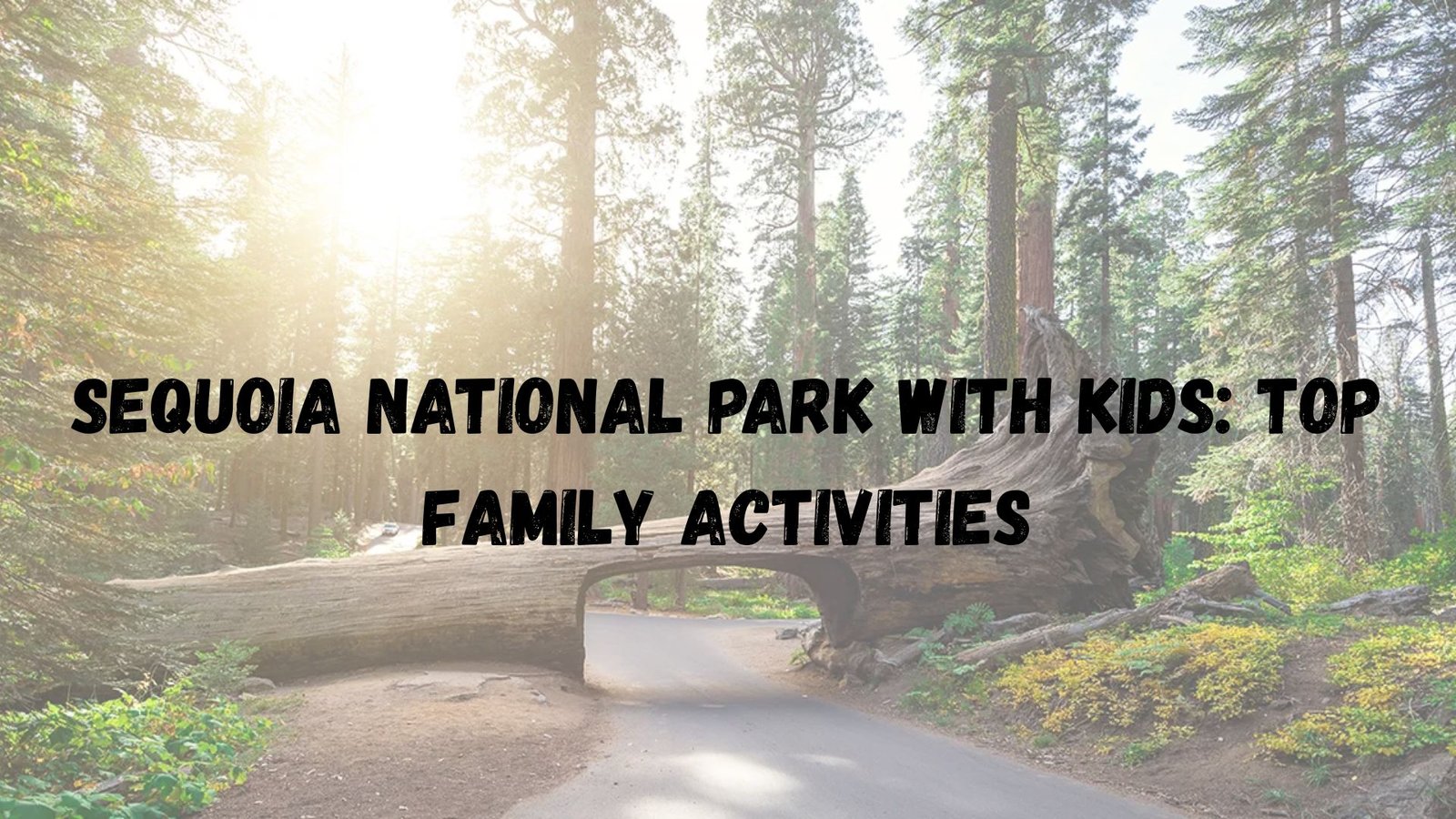
- Tunnel Log: Drive your car through a fallen sequoia trunk. Kids go crazy for this photo opportunity. The tunnel sits along Crescent Meadow Road. Most standard cars fit, but large RVs cannot pass. Let kids walk through on foot as well.
- Auto Log: Park your vehicle on top of a fallen giant sequoia. This unique experience shows the trees’ incredible size. Located near the Giant Forest Museum. Your car looks tiny sitting on top. The attraction takes just a few minutes but creates lasting memories.
- Tharp’s Log: Explore the hollowed sequoia where Hale Tharp lived each summer. Kids see how pioneers used these trees as shelter. The log sits in Crescent Meadow. Walk inside the log that served as a cabin from 1861 to 1890. Children imagine living inside a tree.
- Giant Forest Museum: Learn about sequoia ecology through interactive displays. The museum answers kids’ burning questions about these trees. Free admission and clean restrooms available. Kids push buttons, watch videos, and examine tree cross-sections. Plan 30 to 45 minutes for a thorough visit.
- Big Trees Trail: Walk this wheelchair-accessible boardwalk through the forest. The half mile loop takes about 30 minutes. Perfect for the youngest family members. The paved surface works for strollers and wheelchairs without steps. Kids spot chipmunks and squirrels along the trail.
Scenic Hikes & Nature Trails

- Moro Rock: Climb 350 stairs to panoramic views of the Great Western Divide. The climb challenges kids while remaining safe with railings. Not recommended for those afraid of heights. Kids feel accomplished reaching the 6,725-foot summit. The round trip takes 30 to 60 minutes.
- Crescent Meadow Trail: Stroll through the meadow John Muir called the gem of the Sierra. This easy one-mile loop stays mostly flat. Wildflowers bloom in spring and summer. Kids enjoy the open space after walking under tall trees. Deer often graze here in the early morning or evening.
- Tokopah Falls Trail: Hike 1.7 miles to a beautiful 1,200-foot waterfall. The trail follows the Marble Fork of the Kaweah River. Best visited in late spring when snowmelt creates heavy flow. Kids love watching water cascade over rocks. Plan about two hours for the 3.4 mile round trip.
- Little Baldy Trail: Summit this granite dome via a 3.4-mile round trip. The trail offers great views without extreme difficulty. Older kids handle this moderate hike well. The summit provides 360 degree views. Pack extra layers since the exposed summit gets windy.
- Hazelwood Nature Trail: Walk this half-mile interpretive trail near the Lodgepole Visitor Center. Signs explain forest ecology at a child’s reading level. The short distance works for restless toddlers. Kids read about plants, animals, and forest processes. Complete the loop in 20 to 30 minutes.
- Wolverton Meadow: Enjoy this easy meadow walk from the Wolverton parking area. The flat terrain makes for stress-free family time. Wildlife frequently appears in early morning hours. Wildflowers paint the meadow in July and August. Black bears sometimes feed in the meadow during berry season.
- Crystal Cave Tour: Tour marble caverns filled with formations tickets required in advance. The cave stays cool even on hot days. Kids must be 42 inches tall for the tour. Book tickets online weeks before your visit. Inside, stalactites and stalagmites create an underground wonderland.
Interactive & Family-Friendly Activities

- Junior Ranger Program: Kids complete activity booklets to earn official Junior Ranger badges. The program teaches park stewardship through fun challenges. Pick up booklets at any visitor center. Completing the booklet takes two to four hours. The badge and certificate become treasured souvenirs.
- Visitor Centers: Stop at Foothills or Lodgepole centers for exhibits and ranger talks. Staff answer questions and suggest family-appropriate trails. Restrooms and water refills available. Rangers provide current trail conditions and weather updates. Interactive displays teach about sequoia ecology and park history.
- Ranger-Led Programs: Attend free guided walks and evening campfire programs. Rangers share stories that captivate young audiences. Check bulletin boards for current schedules. Topics range from bears and fire ecology to park history. No reservations needed for most programs.
- Wildlife Watching: Spot black bears, marmots, and deer throughout the park. Bring binoculars to observe animals safely. Early morning and dusk offer the best viewing times. Keep at least 50 yards away from bears at all times. Stop at pullouts and scan meadows with binoculars.
- Picnic at Hospital Rock: Eat lunch at this historic site featuring Native American pictographs. Kids examine ancient rock art while parents relax. Bathrooms and tables make this convenient.The site sits along the Kaweah River with easy water access. Kids wade in shallow pools after eating lunch.
- Wading in the Kaweah River: Cool off in shallow river sections near Hospital Rock. Supervise children closely as currents can be strong. Summer months offer the warmest water temperatures.Bring water shoes to protect feet from slippery rocks. Never wade during high spring runoff when currents are dangerous.
- Stargazing: Watch constellations from Crescent Meadow or Lodgepole campground. The dark skies reveal countless stars. Download a stargazing app to identify what you see. On clear nights, the Milky Way stretches across the sky. Rangers sometimes lead astronomy programs during new moon phases.
Tips for Visiting Sequoia National Park With Kids
Smart preparation makes park visits easier for everyone in the family. These practical suggestions come from real experience with children in the mountains.
- Bring child carriers for toddlers, pack layers for temperature changes, and keep snacks and water bottles handy to prevent meltdowns on trails
- Choose shorter trails and plan one major activity per day, accepting that kids move slower and need frequent breaks along the way
- Store all food properly in bear canisters when camping and teach children to never approach wildlife, keeping at least 50 yards from bears
- Watch for altitude sickness symptoms like headaches or tiredness in children, stay hydrated throughout the day, and apply sunscreen every two hours
- Keep children within sight on cliff-side trails, hold hands on Moro Rock’s exposed sections, and turn back immediately if weather changes suddenly
Conclusion
Sequoia National Park with kids creates memories that last beyond the trip home. I still remember my daughter’s face when she first touched General Sherman’s bark.
Plan at least two or three days to really experience what this place offers. Your kids deserve to see trees that were ancient before anyone built cities.
Start planning now, pack those snacks, and get ready to watch your children stand small beside giants.
Share your own park stories in the comments below. What activity are you most excited to try with your family?
Frequently Asked Questions
What is the best age to take kids to Sequoia National Park?
All ages enjoy Sequoia, but kids aged five and up appreciate the experience most. Toddlers can handle paved trails like Big Trees Trail. Older children tackle moderate hikes like Little Baldy.
How many days should we spend at Sequoia with children?
Three days allows families to see highlights without rushing. Spend one day in Giant Forest, another at Crystal Cave and Moro Rock. Use the third day for easier trails and ranger programs.
Do we need to reserve anything in advance?
Crystal Cave tour tickets must be purchased online ahead of time. Campground reservations fill months early during summer. Lodging inside the park books quickly for peak season dates.
What should we pack for kids visiting Sequoia?
Bring layers since temperatures vary with elevation changes. Pack sunscreen, hats, and plenty of water. Include snacks, first aid supplies, and comfortable hiking shoes.
Are there restaurants and stores inside the park?
Lodgepole Village has a market and restaurant. Wuksachi Lodge offers dining with reservations recommended. Both close or reduce hours in winter months.