



I wasn’t looking for anything specific when I first heard about Portugal’s Schist Villages. But sometimes the best trips happen that way, right?
Central Portugal has 27 of these stone hamlets, tucked into mountains most tourists never see. They’re called Aldeias do Xisto, and honestly, they changed how I think about travel.
You won’t find crowds here. Just quiet trails, home-cooked meals, and locals who still remember when these villages were nearly forgotten.
I’ve spent months visiting these places, and I want to help you experience them too.
Here’s everything you need to know.
What Are the Schist Villages?

These ancient stone hamlets in Central Portugal showcase centuries-old architecture and traditions that nearly disappeared before recent restoration efforts.
History and Heritage
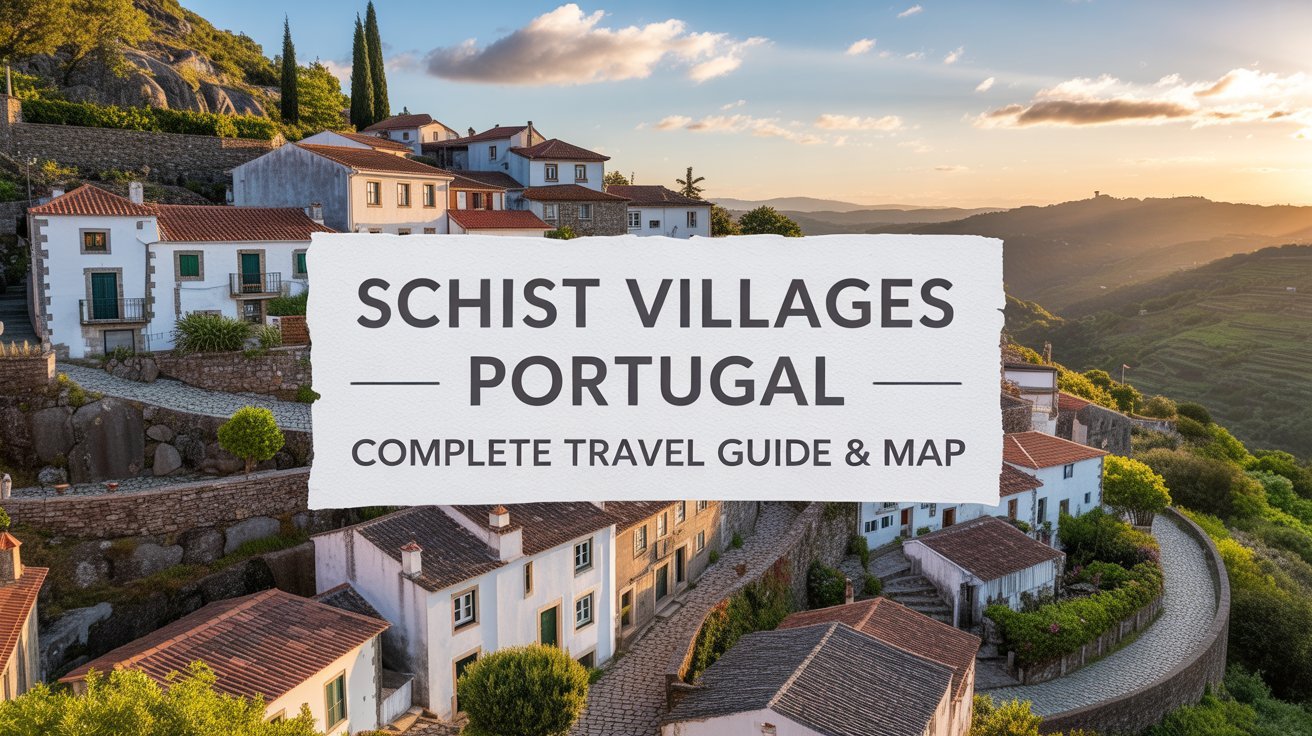
The Schist Villages have been around for centuries. People built these homes using schist, a local stone that splits into thin layers. The builders stacked these pieces without mortar, creating walls that lasted hundreds of years.
Narrow streets wind between buildings. Stone staircases connect different levels. Every village sits tucked into the hillside.
Local craftspeople still work with wool, wood, and clay. Villages hold annual festivals celebrating saints and harvests. Grandmothers teach younger family members recipes that haven’t changed in decades.
Revitalization of the Villages
By the 1990s, many villages were nearly empty. Young people had moved to cities. Houses crumbled. Streets grew silent.
ADXTUR changed that. This organization worked with communities to restore the villages using traditional methods. They created hiking trails and tourist facilities. They helped residents start small businesses.
Tourism brought these places back to life. Families now earn income through guesthouses and restaurants. Artisans sell their crafts. Young people are coming back because there’s work here again.
Where to Find the Schist Villages

The 27 villages spread across four mountain ranges in Central Portugal, each offering different landscapes and activities.
Map Overview
The villages group into four regions: Serra da Lousã, Serra do Açor, Zêzere River, and Tejo-Ocreza. Each area has its own character.
You can find detailed maps on the official Aldeias do Xisto website. I recommend downloading maps before you go since cell service gets spotty in the mountains.
Mark the villages you want to visit and plan your route based on how much time you have.
Serra da Lousã Group
This is the largest group with 12 villages: Aigra Nova, Aigra Velha, Candal, Casal de São Simão, Casal Novo, Cerdeira, Chiqueiro, Comareira, Ferraria de São João, Gondramaz, Pena, and Talasnal.
Talasnal is probably the most famous. It’s small but beautifully restored. Cerdeira became an artist residency where you can watch craftspeople work.
The hiking here is excellent. Trails connect multiple villages. You can also rent bikes if you prefer wheels over walking.
Serra do Açor Group
Five villages sit in this quieter mountain range: Aldeia das Dez, Benfeita, Fajão, Sobral de São Miguel, and Vila Cova do Alva.
These villages see fewer tourists. The forest trails here feel more remote. Benfeita has incredible viewpoints over the valleys.
If you want peace and solitude, start here.
Zêzere River Group
Six villages line this river valley: Álvaro, Barroca, Janeiro de Baixo, Janeiro de Cima, Mosteiro, and Pedrógão Pequeno.
The river makes this area different. You can swim at river beaches in summer. Rent a canoe and paddle between villages.
The trails follow the water, making them easier than mountain hikes.
Tejo-Ocreza Group
Four villages make up this southern group: Água Formosa, Figueira, Martim Branco, and Sarzedas.
This area feels the most rural. Fewer visitors come here. The food is fantastic because locals still cook traditional recipes.
The landscapes roll gently compared to the steeper northern mountains.
Things to Do in the Schist Villages

From hiking mountain trails to learning traditional crafts, these villages offer activities for every type of traveler.
Outdoor Activities
The Schist paths connect villages through forests and mountains. Trails range from one-hour walks to full-day hikes.
Mountain biking trails suit all skill levels. Rent bikes in larger villages.
Try canoeing on the Zêzere River. Rock climbing, abseiling, and rope slides are available in some areas.
Slow Travel Experiences
River beaches offer great swimming spots. The water stays cold and clear year-round.
Bring your camera for the stone houses, waterfalls, and natural pools along the trails.
Chat with locals about their crafts and traditions. I’ve learned more from these conversations than any guidebook.
Cultural Experiences
Small museums showcase village life. Medieval castles and monasteries dot the region.
Local festivals feature processions, music, and traditional food. Markets sell regional produce and handicrafts.
Watch artisans create linen, wood, and herb products. They sell quality items locals actually use.
Gastronomy of the Schist Villages

Traditional mountain cooking defines the food here. Maranhos, lamb and rice sausages wrapped in tripe, are the signature dish.
Try roast kid that falls off the bone, or chanfana, goat stewed in red wine for hours. Duck rice with orange balances savory and sweet perfectly.
Alheira de Caça uses wild game for a stronger flavor. For dessert, tigeladas offer creamy custard with caramelized tops.
Eat at Varanda do Casal for huge portions and views, Patio do Xisto for seasonal menus, or Vallecula Restaurant for modern takes on classics.
Where to Stay in the Schist Villages

Accommodations range from traditional guesthouses to private rentals, all showcasing stone architecture and local hospitality.
Guesthouses and B&Bs
Restored schist houses offer authentic stays with original stone walls and modern comforts. Casa do Zé Sapateiro is a popular choice where hosts serve homemade breakfast and share village stories.
These family-run places feel like staying with friends. You get thick quilts, wooden tables, and mountain views.
Vacation Rentals
Private rentals suit families or longer stays. You get full kitchens, multiple bedrooms, and more space.
Book in Xisto is the official platform with verified properties. Visit Portugal also lists rentals with photos and reviews.
Options range from small cottages for couples to larger houses for families. Prices stay reasonable compared to coastal areas.
Planning Your Visit

Timing and preparation make all the difference when visiting these mountain villages.
Best Time to Travel
Spring (April to June) and fall (September to October) offer ideal hiking weather with mild temperatures.
Summer is perfect for river activities and swimming, though villages get busier in July and August.
Winter brings cold weather and quiet streets. Check festival dates before booking since most happen in summer and early fall.
Getting There
Coimbra is closest at 45 minutes away. Lisbon is two hours south. Porto takes two and a half hours north.
Rent a car since public transport doesn’t reach most villages. Mountain roads wind but stay well maintained. Download offline maps as backup.
Guided tours from Coimbra work if you prefer not to drive.
Travel Tips
Pack good hiking shoes since stone paths get slippery. Bring layers for changing mountain weather.
Bring a camera with plenty of storage space.
Balance your days by hiking mornings, enjoying long lunches, and spending afternoons swimming or visiting villages. This pace beats rushing through everything.
Conclusion
The Schist Villages showed me a Portugal I didn’t know existed. No beach crowds. No tour buses. Just stone houses, forest trails, and people who remember when life moved slower.
Use the maps in this guide to plan your route. Pick villages based on what matters to you. Hiking? Rivers? Food? Each area offers something different.
Central Portugal hides dozens of places like this. The Schist Villages are just the start. Go see them before everyone else figures out what you’re missing.
Pack your bags, rent that car, and get ready for something completely different.
Frequently Asked Questions
How many Schist Villages are there in Portugal?
There are 27 official Schist Villages spread across Central Portugal. They’re grouped into four regions: Serra da Lousã, Serra do Açor, Zêzere River, and Tejo-Ocreza.
Can I visit the Schist Villages without a car?
A car is highly recommended since public transport doesn’t reach most villages. Some guided tours from Coimbra are available if you prefer not to drive yourself.
What’s the best village to visit first?
Talasnal in Serra da Lousã is the most accessible and beautifully restored. It gives you a great introduction to schist architecture and has nearby hiking trails and restaurants.
Are the Schist Villages family-friendly?
Yes, they’re great for families. Kids love the river beaches, easy trails, and open spaces. Many villages have playgrounds and safe areas for children to run around.
How many days do I need to visit the Schist Villages?
Plan at least two to three days to visit multiple villages comfortably. A week lets you hike extensively, try different restaurants, and really slow down to appreciate the area.