



Planning a San Francisco itinerary shouldn’t feel complicated. I know the struggle.
You want to see the Golden Gate Bridge, taste the best food, and visit the right neighborhoods without wasting time or money.
I’ve been to San Francisco multiple times and learned what works. This guide gives you complete day-by-day plans for one to four days.
You’ll get practical tips on where to go, what to eat, and how to avoid tourist traps.
I’ll walk you through downtown highlights, colorful neighborhoods like the Mission and Haight-Ashbury, coastal trails, and local favorites.
You’ll learn the best times to visit, how to get around, where to stay, and which foods you can’t miss. San Francisco packs so much into 49 square miles.
Let me help you make the most of every hour.
San Francisco Itinerary Overview
Find what you can realistically see and do in San Francisco whether you have one, two, three, or four days.
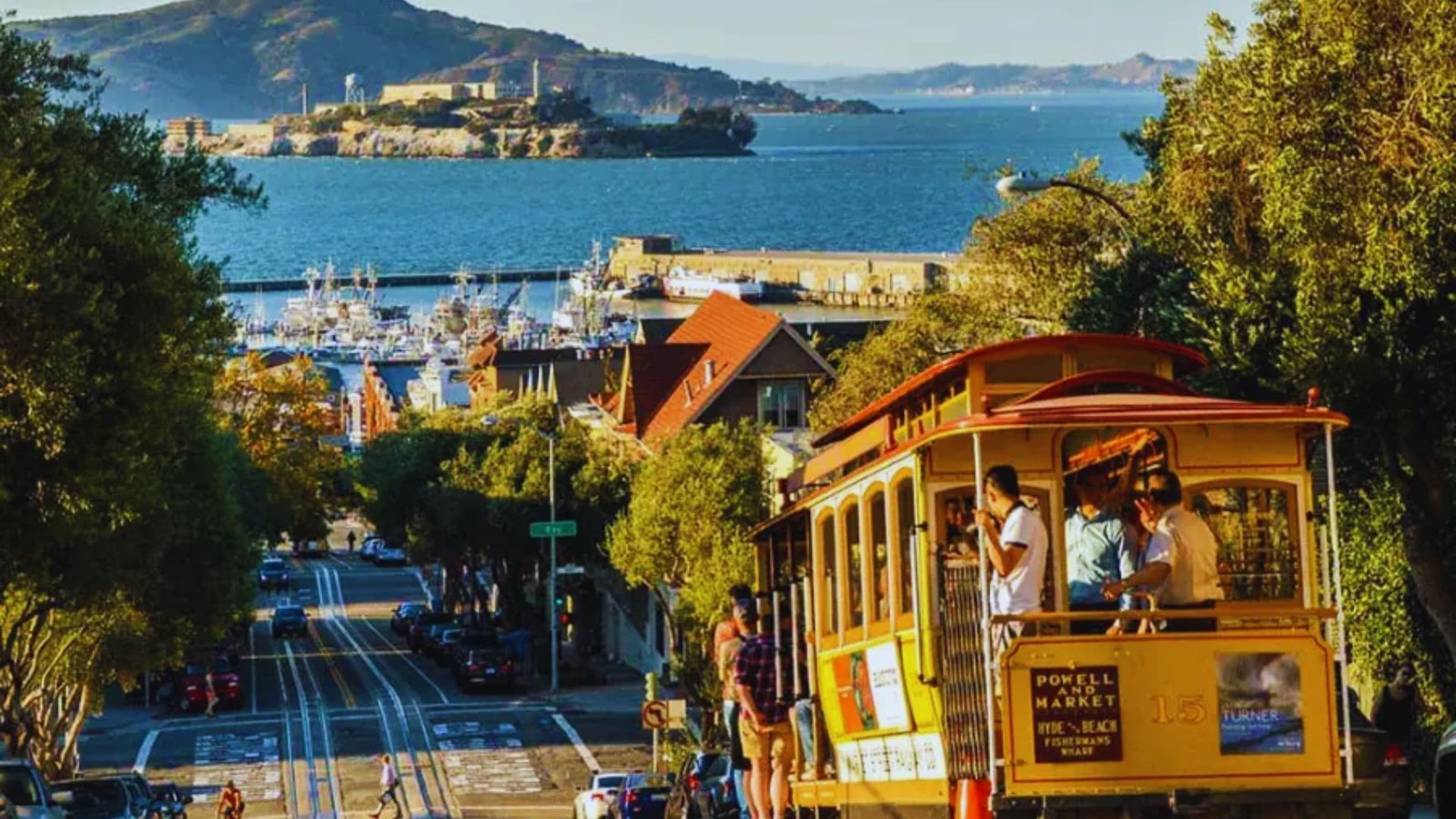
One day means hitting the essentials: Chinatown, North Beach, Lombard Street, Fisherman’s Wharf, Pier 39’s sea lions, and the Ferry Building.
Two days adds Haight-Ashbury, the Painted Ladies at Alamo Square, and the Mission District for tacos and street art.
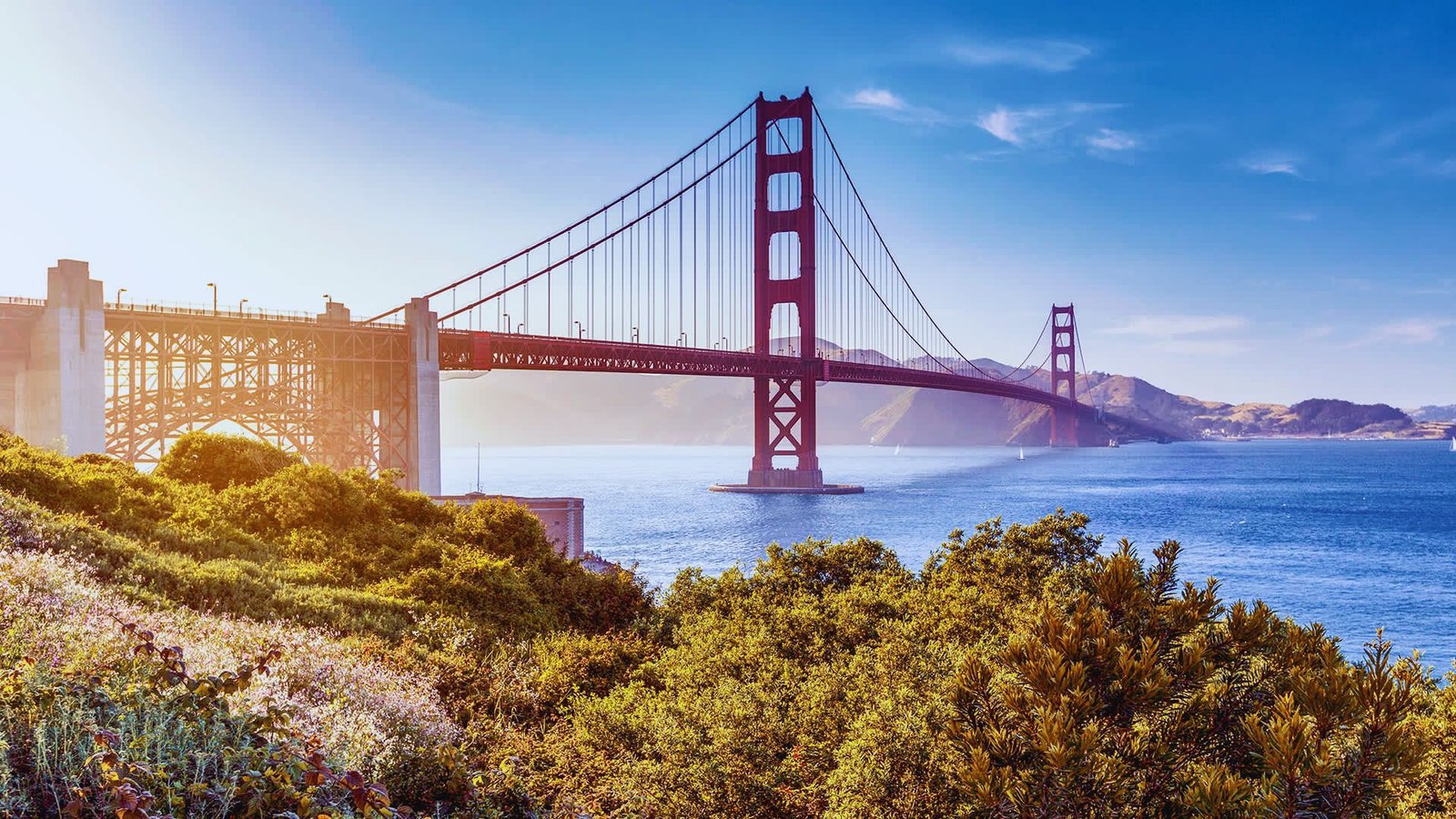
Three days brings in the Golden Gate Bridge, Lands End trail, Baker Beach, and Golden Gate Park museums.
Four days lets you add Alcatraz, Napa Valley wine tasting, or biking to Sausalito.
Day 1: Downtown & Waterfront Highlights
Experience San Francisco’s downtown core and waterfront attractions from Chinatown to Pier 39 in one packed day.
Chinatown & Dragon Gate: Start at the Dragon Gate on Grant Avenue. Walk through narrow alleys to see colorful temples. Stop at Golden Gate Fortune Cookie Factory. Browse herbal medicine shops. Grab dim sum for breakfast.
North Beach: Head into San Francisco’s Italian neighborhood. Stop at Caffe Trieste for espresso. Visit the City Lights Bookstore. Check out Saints Peter and Paul Church.
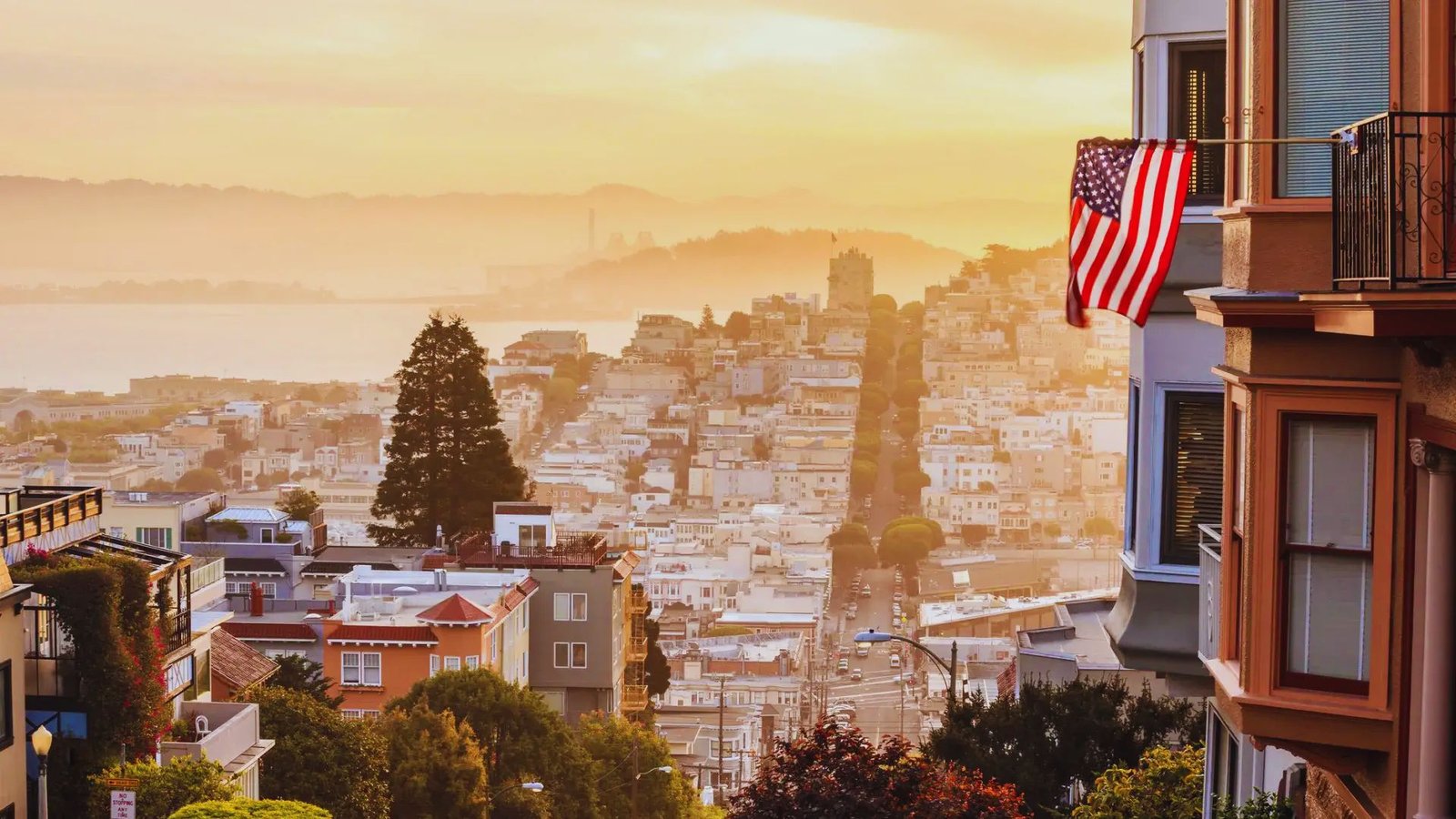
Lombard Street: Visit the famous crooked street with eight hairpin turns. Walk the steps alongside the road for views over the city and bay.
Fisherman’s Wharf & Pier 39: Walk to Ghirardelli Square for chocolate. Continue to Fisherman’s Wharf for street performers and sourdough bakeries. At Pier 39, watch sea lions barking on floating docks. Grab clam chowder in a sourdough bowl.
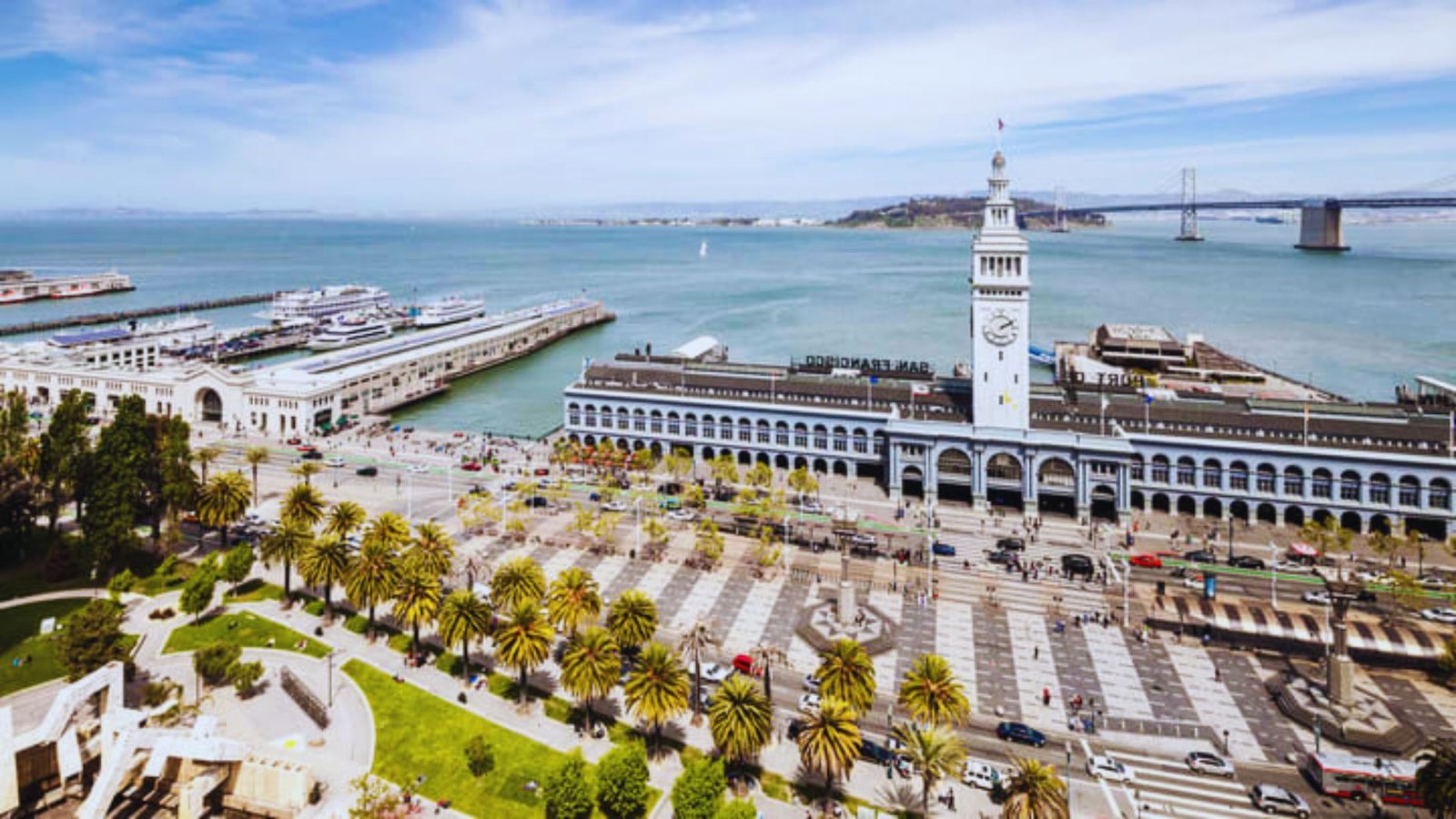
Ferry Building: Walk along the Embarcadero to this historic terminal turned food marketplace. Stop at Blue Bottle Coffee or grab oysters. Visit on Tuesday, Thursday, or Saturday for farmers markets.
Union Square: End your day at the main shopping district. Window shop or sit and people-watch. If you have energy, head to Twin Peaks for panoramic city views as lights come on.
Day 2: Culture, Neighborhoods & Local Flavor
Experience San Francisco’s most colorful neighborhoods from Haight-Ashbury’s hippie history to the Mission’s vibrant street life.
Haight-Ashbury: Start where the 1960s counterculture took root. Browse vintage clothing shops and record stores. Check out Victorian houses where Janis Joplin lived. The vibe is laid-back and funky.
Alamo Square: Walk to see the Painted Ladies’ seven Victorian houses with the skyline behind them. The park sits on a hill perfect for picnics.
Mission District: Head south for the best Mexican food in the city. Visit Mission Dolores, the oldest building in San Francisco. Walk Valencia Street for bookstores and coffee shops. See street murals in Balmy Alley and Clarion Alley.
Dolores Park: This 16-acre green space has incredible city views. On sunny days, half of San Francisco shows up here. The diverse, welcoming energy shows you the community side.
Burritos & Bakeries: Grab a massive burrito at La Taqueria or El Farolito. Stop at Tartine Bakery for morning buns and bread pudding. This neighborhood rewards wandering.
Day 3: Nature, Icons & Museums
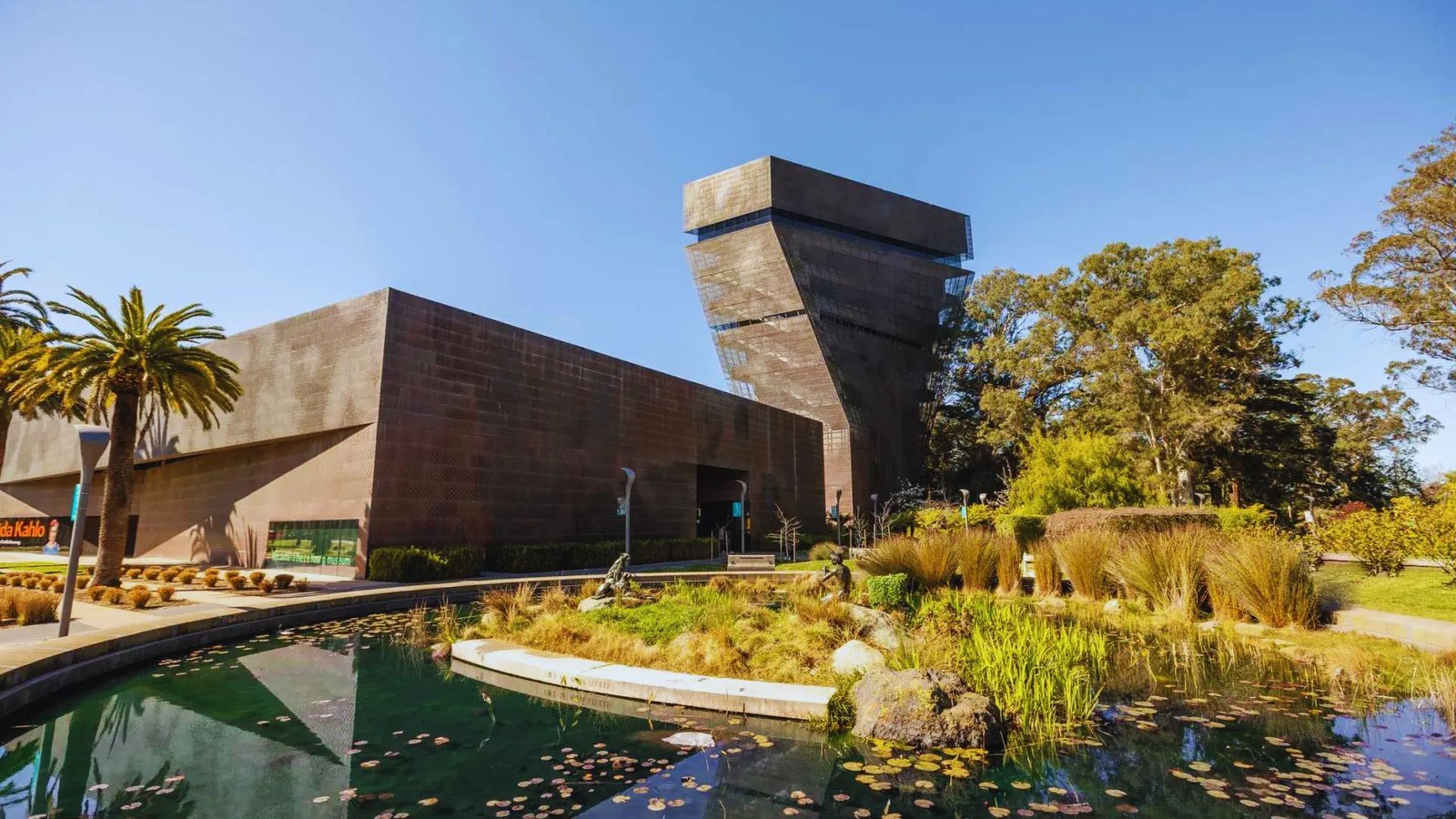
Spend your third day at the Golden Gate Bridge, coastal trails, and Golden Gate Park’s museums.
Golden Gate Bridge: Start early at the city’s most famous landmark. Walk across the 1.7-mile suspension bridge. The views stretch forever on clear days. Fog often rolls through in the morning. Walking across and back takes about an hour.
Lands End Trail: This 1.5-mile coastal hike runs along rugged cliffs overlooking the Pacific. You’ll pass through cypress trees and see abandoned bathhouse ruins. The bridge views from this angle are completely different.
Baker Beach: Sandy beach with direct views of the Golden Gate Bridge. This is probably the best spot to photograph the bridge with a natural foreground. The water is too cold for swimming most of the year.
Golden Gate Park: This 1,000-acre park offers something for everyone. The Japanese Tea Garden has manicured gardens and a tea house. The Conservatory of Flowers has tropical plants. Stow Lake has paddle boat rentals. Pick what interests you.
Museums: The de Young Museum has American art and a tower with city views. California Academy of Sciences combines a natural history museum, aquarium, planetarium, and rainforest. SFMOMA downtown houses modern art. Pick one based on your interests.
Day 4: Day Trips & Alternative Experiences
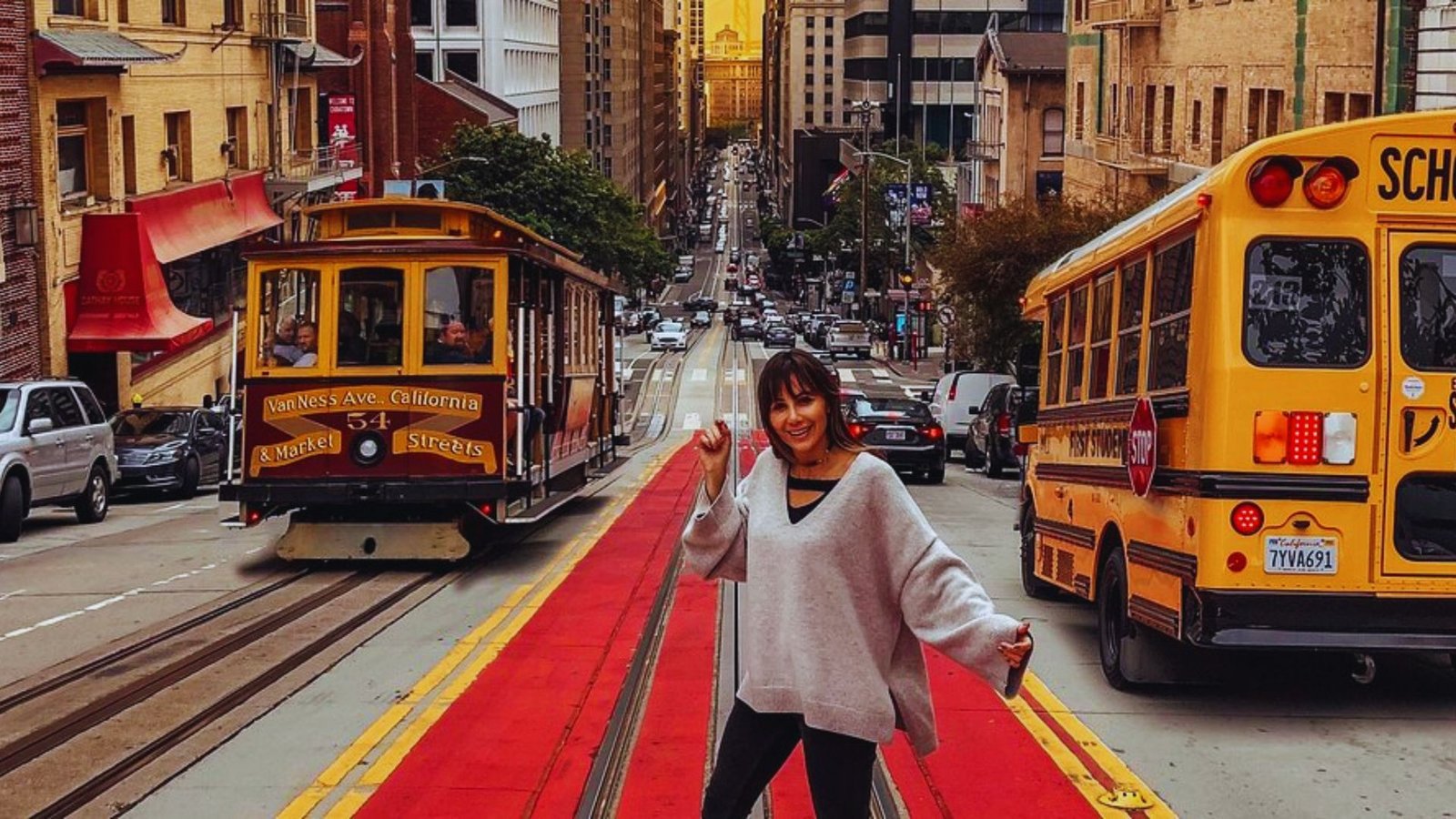
Take a day trip to Alcatraz or Napa Valley, or Experience San Francisco’s lesser-known neighborhoods and experiences.
Alcatraz: The island prison sits 1.25 miles offshore. An audio tour guides you through cell blocks with stories from guards and inmates. Book tickets weeks in advance through the official website. The whole trip takes three hours.
Bike to Sausalito: Rent a bike in Fisherman’s Wharf and ride across the Golden Gate Bridge. Have lunch in Sausalito and ferry back. The whole loop takes about four hours.
Napa Valley: The wine country sits 90 minutes north with hundreds of wineries. Most require reservations now. Book a tour that handles transportation and stops at multiple wineries.
Alternative Experiences: Visit the Richmond District for authentic Asian food. Check out Golden Gate Heights with wild parrots. Take a food tour. Visit the Wave Organ. See street art in the Tenderloin.
Practical Tips
Prepare for San Francisco’s unique weather, navigate the city efficiently, and avoid common tourist mistakes.
- Transportation: San Francisco is walkable, but the hills will test your legs. Use Muni buses, light rail, and cable cars for longer distances. Download Muni Mobile, Google Maps, and Lyft/Uber apps.
- Where to Stay: First-timers should stay near Union Square, Fisherman’s Wharf, or Nob Hill. Budget options start around $80-100 per night. Mid-range hotels run $200-300. Location matters more than amenities.
- What to Pack: Weather changes constantly. Pack layers you can add or remove. A light jacket is mandatory even in summer. Comfortable walking shoes are non-negotiable. Skip the umbrella.
- Safety: Most tourist areas are safe. Avoid the Tenderloin and parts of the Mission at night. Don’t leave anything visible in your car break-ins happen citywide.
- Food: Don’t miss Mission burritos, sourdough bread, Dungeness crab, and dim sum. Try Tartine Bakery for breakfast. Get clam chowder at Boudin. Visit Irish coffee’s birthplace at Buena Vista Cafe.
- Tourist Traps: Skip Pier 39 restaurants. Walk a few blocks for better food. Avoid peak afternoon cable car crowds. Book Alcatraz through the official site, not third parties.
Conclusion
I’ve spent enough time in San Francisco to know that every trip feels different. The city changes with the weather, the neighborhoods you choose, and the pace you set.
My favorite memory? Getting lost in the Mission and finding a taqueria locals swore by. Your best moments will come from following your instincts, maybe a random coffee shop in North Beach or an unplanned sunset at Baker Beach.
Pack layers, book Alcatraz early, and don’t try to see everything. Drop a comment below with your questions!
Frequently Asked Questions
How many days do you need to see San Francisco?
Three days gives you enough time to cover major attractions, see different neighborhoods, and experience the Golden Gate Bridge without feeling rushed. One or two days work for quick trips but you’ll miss a lot.
What is the best month to visit San Francisco?
September and October bring the warmest, clearest weather with less fog and fewer tourists. Spring (April-May) is also good. Summer can be cold and foggy despite being peak tourist season.
Is San Francisco safe for tourists?
Most tourist areas like Fisherman’s Wharf, North Beach, and the Marina are safe. Avoid the Tenderloin and parts of the Mission at night. Car break-ins happen citywide, so never leave valuables visible in your vehicle.
Do I need a car in San Francisco?
No, most visitors don’t need a car. The city is compact with good public transit. Parking is expensive and difficult. Rent a car only if you’re taking day trips to Napa Valley or coastal areas outside the city.
What food should I try in San Francisco?
Don’t miss Mission-style burritos, sourdough bread, Dungeness crab, cioppino, and dim sum in Chinatown. Irish coffee at Buena Vista Cafe and pastries from Tartine Bakery are also San Francisco classics worth trying.