





Rome can feel overwhelming when you’re visiting for the first time. There’s so much history packed into every corner that it’s hard to know where to start.
I’ve put together this Rome 3 day itinerary to help you see the best of the city without rushing or missing the highlights.
This guide covers the Colosseum, Vatican City, Trevi Fountain, and the main spots that make Rome worth visiting.
You’ll get practical tips on timing, tickets, and how to move between attractions so you can actually enjoy your trip instead of stressing about logistics.
Let’s get started.
What Makes Rome Perfect for a 3-Day Visit
Rome’s compact historic center means you can see major landmarks without spending hours in transit.
Most famous sites sit within walking distance of each other. The metro connects outer attractions like the Vatican and Colosseum.
Three days gives you enough time to cover ancient ruins, Renaissance art, and lively piazzas without feeling rushed.
How to Get Around Rome
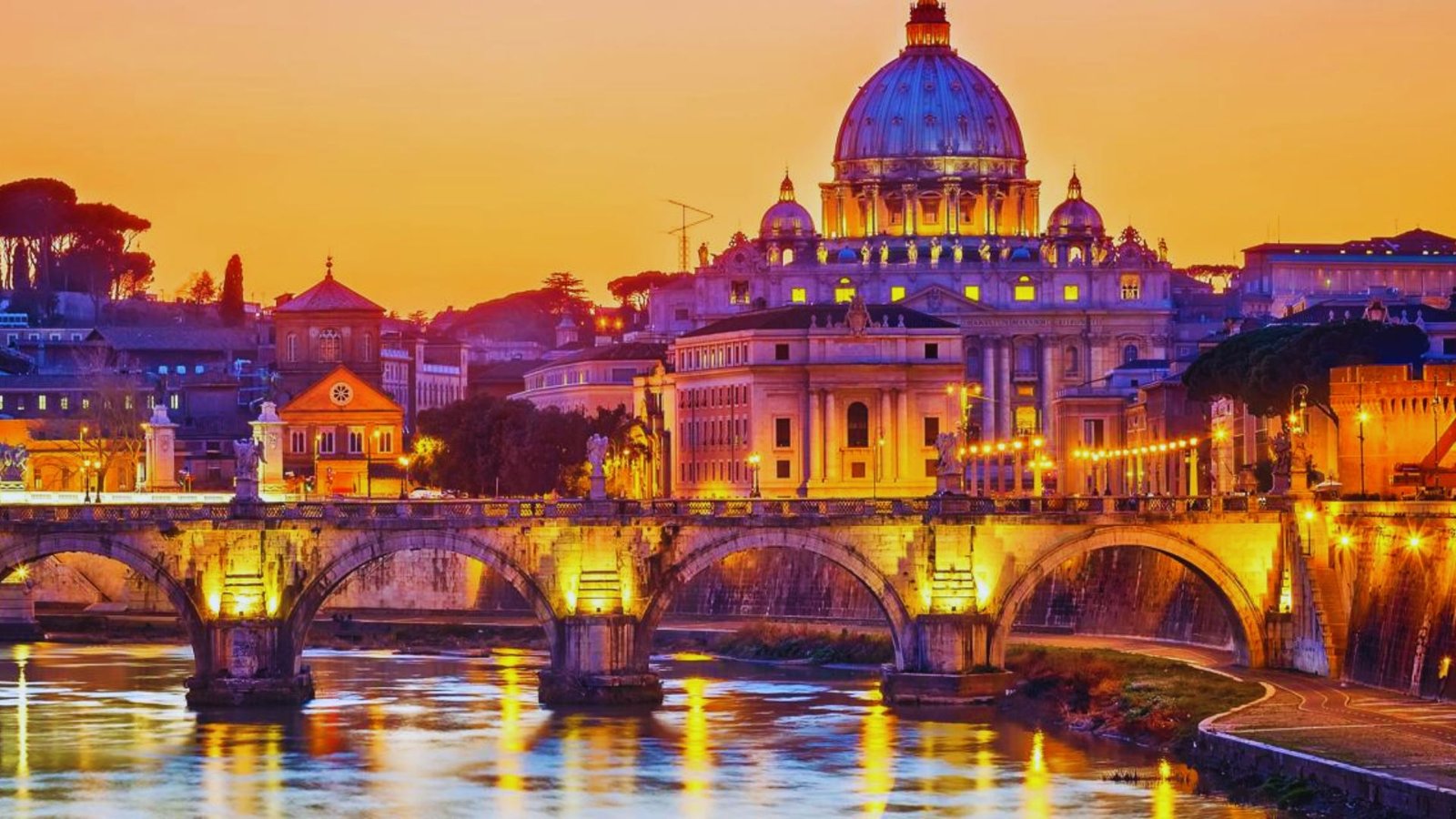
Getting around Rome is easier than expected once you know your options between walking, public transit, and taxis.
Walking – Find the Historic Center
The historic center is best seen on foot. Most major sites like the Pantheon, Trevi Fountain, and
Spanish Steps are within a 20-minute walk of each other.
Wear comfortable shoes because cobblestone streets can be tough on your feet.
Public Transportation
Rome’s metro has two main lines: Line A (Spanish Steps and Vatican) and Line B (Colosseum).
A single ticket costs around €1.50 and works for 100 minutes.
Buy tickets at tobacco shops or metro stations before boarding.
Taxis and Rideshares
Only use licensed white taxis with meters.
Uber and Free Now work in Rome but can be pricier.
I recommend taxis for airport transfers or when traveling with heavy bags.
Where to Stay in Rome
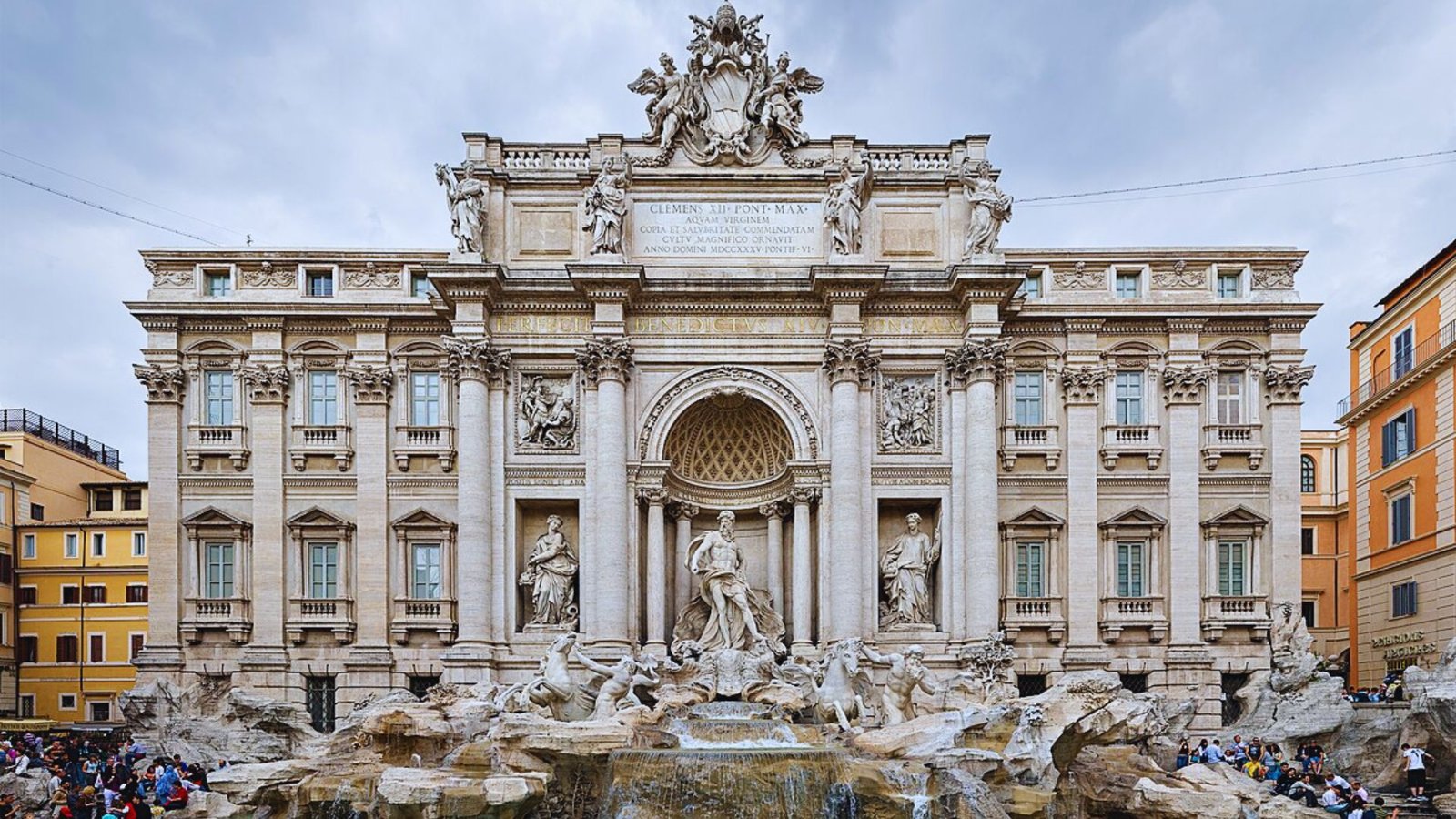
Your neighborhood choice affects how much time you spend commuting versus sightseeing, so pick wisely based on what you want to see first.
Centro Storico puts you steps from the Pantheon and Piazza Navona. Monti offers character with artisan shops and trattorias near the Colosseum.
Trastevere has cobblestone charm and great restaurants across the river. Prati is quieter, close to the Vatican, and more affordable.
Stay within the Aurelian Walls to keep you close to everything.
Day 1: Historic Center Highlights
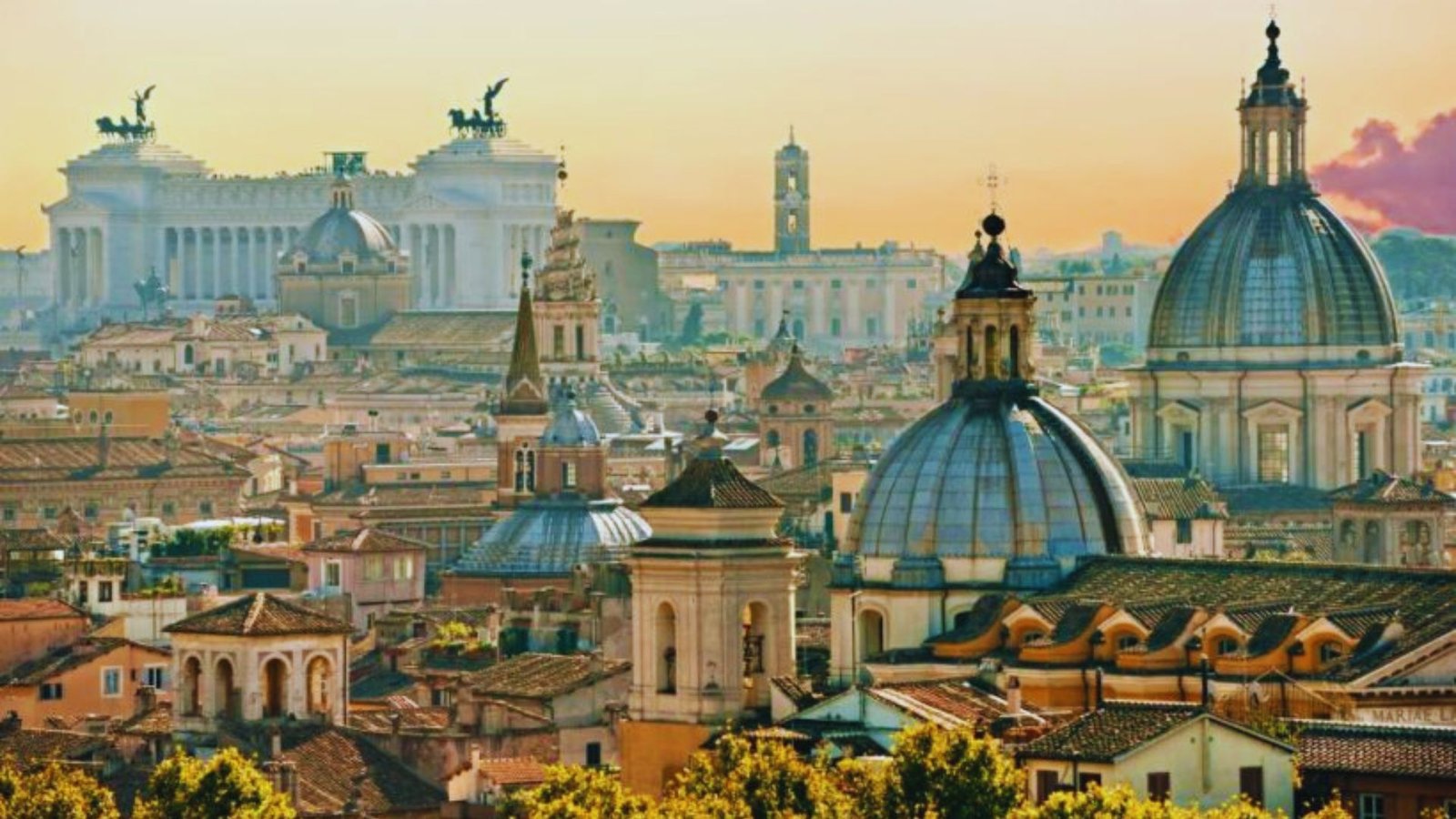
Your first day covers Rome’s most famous squares, fountains, and ancient monuments in the walkable heart of the city.
Morning: Start with Coffee & Cornetto
Romans take breakfast seriously but keep it simple. Stop at a local bar for espresso and a cornetto. Stand at the counter like locals do for cheaper prices.
Then head to the Spanish Steps and climb to the top for views over the rooftops arrive early before the midday crowds.
Pantheon
The Pantheon is nearly 2,000 years old. Entry is free but now requires timed tickets you can book online. Spend 20 minutes inside, then grab a table at a nearby cafe.
The ancient dome and open oculus make it one of Rome’s most impressive structures.
Piazza Navona
Three fountains line this oval piazza, with Bernini’s Fountain of the Four Rivers as the star. It’s touristy but worth seeing, especially in the evening.
Stop by Campo dei Fiori next this square hosts a morning market selling produce, flowers, and spices, then transforms into a social hub with outdoor seating and wine bars by evening.
Trevi Fountain
Toss a coin over your left shoulder to ensure you’ll return to Rome. The fountain gets mobbed throughout the day, so visit early morning or after 10 PM.
The baroque masterpiece is worth seeing despite the crowds, and the coin toss tradition adds a fun touch to your visit.
Day 2: Vatican City & Surroundings
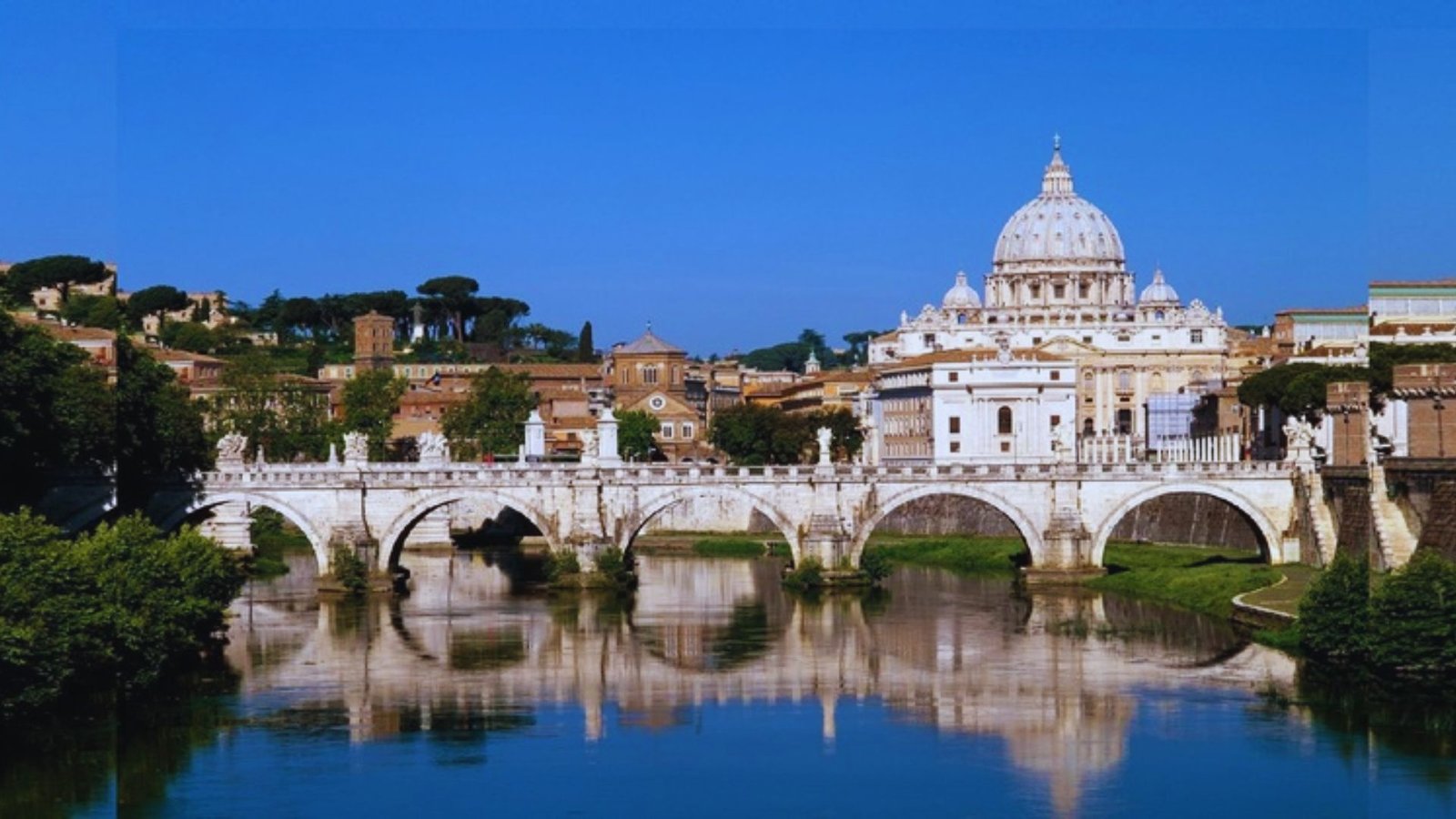
Day two focuses on Vatican City, the world’s smallest country and home to some of history’s greatest art.
Vatican Museums & Sistine Chapel
Book skip-the-line tickets online weeks in advance. Entry lines can take 2-3 hours otherwise. Follow signs to the Sistine Chapel, Michelangelo’s masterpiece.
Plan at least 3 hours for the museums. Go right when they open at 9 AM to avoid the worst crowds.
St. Peter’s Basilica
Entry is free but requires a security check. The dome climb costs extra and offers incredible city views. You can take an elevator partway up, then climb 320 steps to the top.
Dress modestly with covered shoulders and knees.
St. Peter’s Square
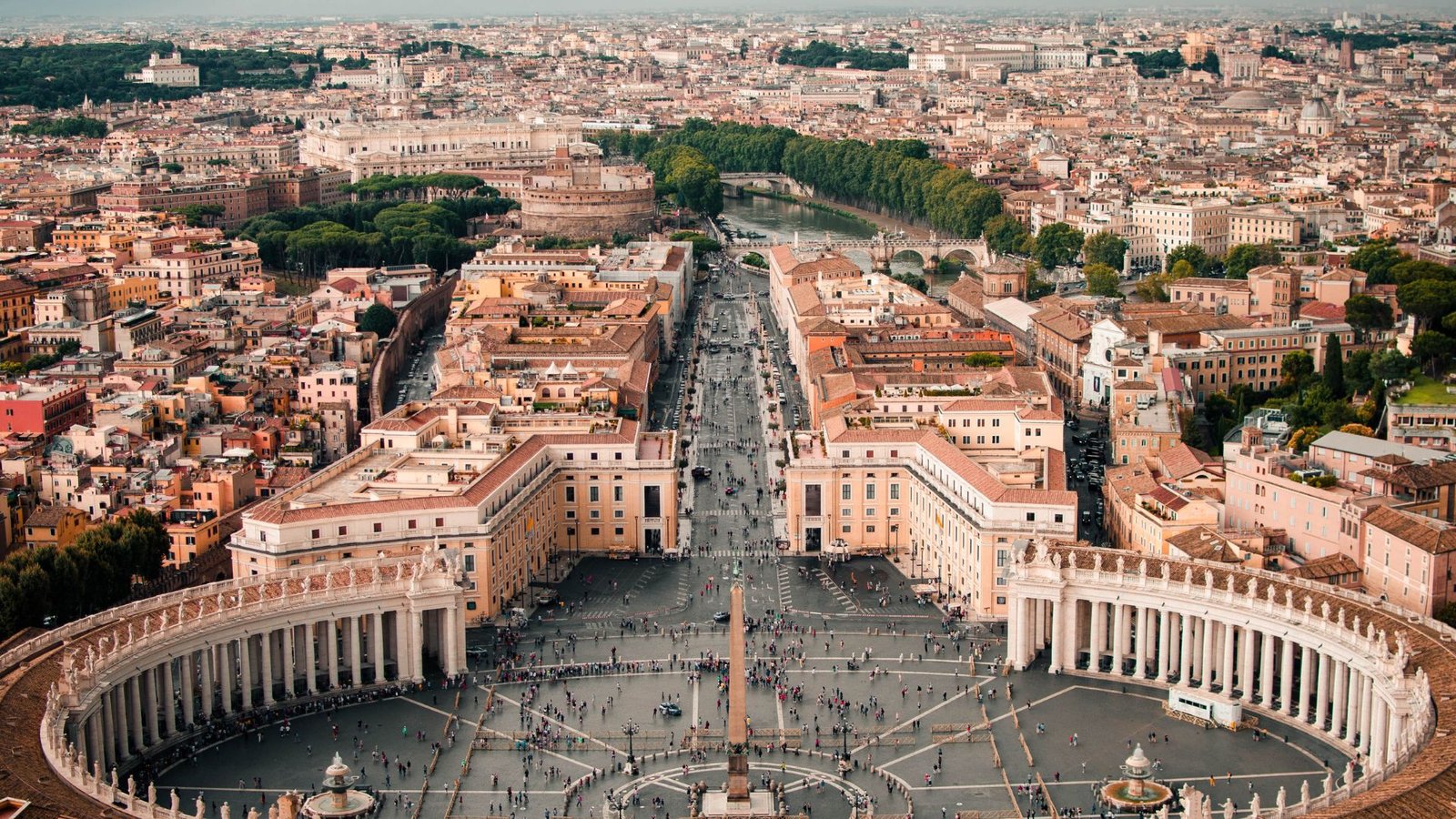
Bernini’s colonnades wrap around this massive square. Stand on the round stones set in the pavement for the optical illusion where all columns align.
If you’re there on a Sunday at noon, the Pope gives a blessing from his window.
Castel Sant’Angelo
Walk along the bridge lined with angel statues. Climb to the top terrace for views over the Tiber River and city.
The bridge walk takes only a few minutes and costs nothing.
Day 3: Ancient Rome

Your final day takes you through the ruins and monuments that defined the Roman Empire.
Piazza Venezia & Vittoriano
Take the glass elevator to the top terrace for 360-degree views. From up there, you can see the Forum, Colosseum, and across the city.
The white marble monument dominates the piazza and is hard to miss.
The elevator ride costs a few euros but saves you the climb and delivers some of the best panoramic views in Rome.
Capitoline Hill
The overlook behind the museums shows the Roman Forum spread below. It’s one of the best photo spots in Rome.
Michelangelo designed the square layout, and the position gives you a perfect vantage point over ancient ruins.
The view helps you understand the scale and layout of the Forum before you walk through it.
Colosseum
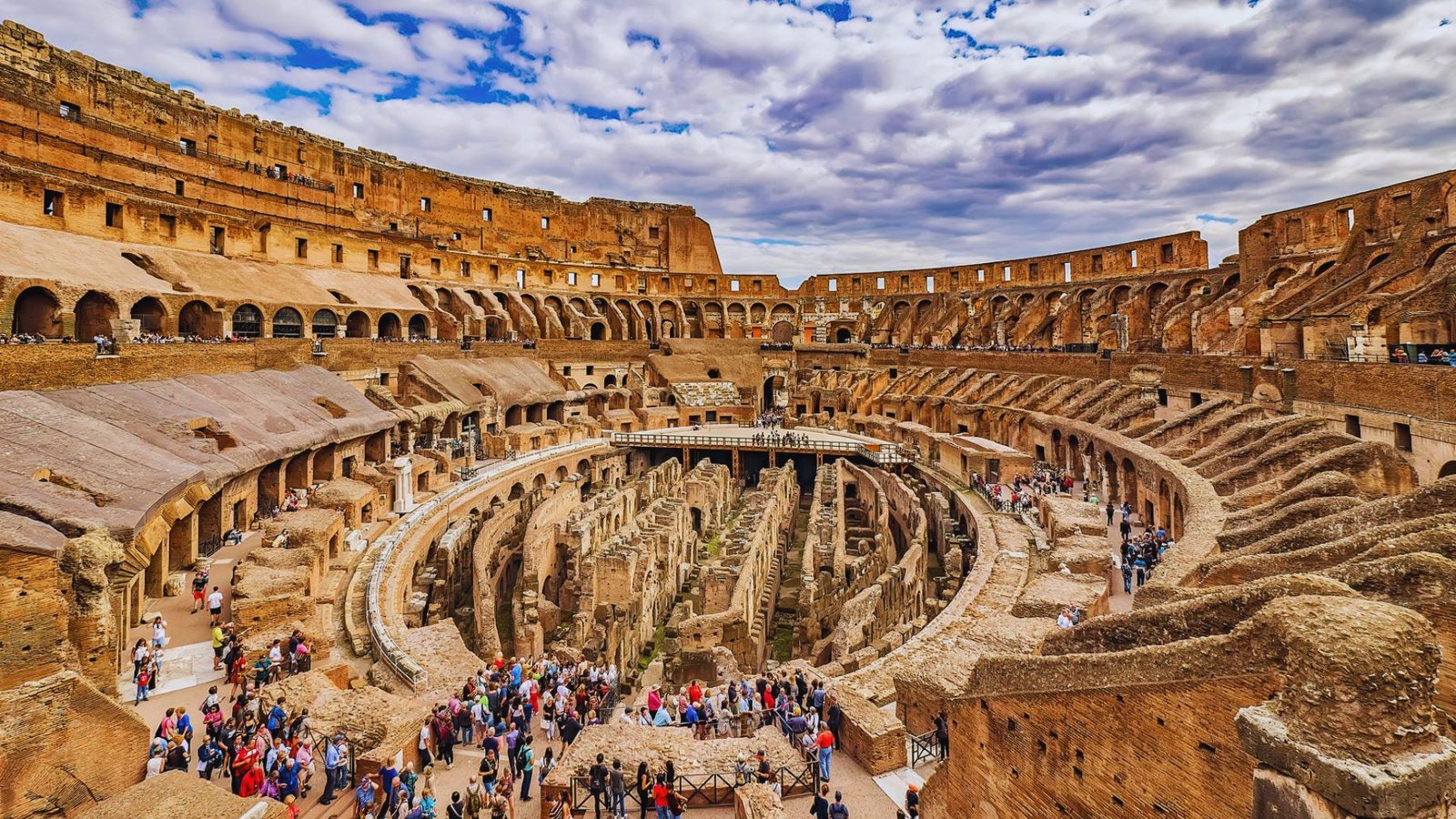
Book tickets online in advance to skip the entrance line. Guided tours give you context about gladiator fights and the arena’s engineering.
Self-guided visits work fine if you read up beforehand. Plan 1-2 hours here.
Roman Forum & Palatine Hill
Your Colosseum ticket includes the Forum and Palatine Hill. The Forum was ancient Rome’s city center with temples, government buildings, and markets.
Palatine Hill sits above the Forum and offers good views.
Give yourself at least 90 minutes to wander through both areas.
Basilica of San Giovanni in Laterano
This is Rome’s cathedral. Most tourists skip it, which means you’ll have the place mostly to yourself.
The interior is grand with beautiful mosaics and artwork.
Where to Eat & Drink During Your 3 Days
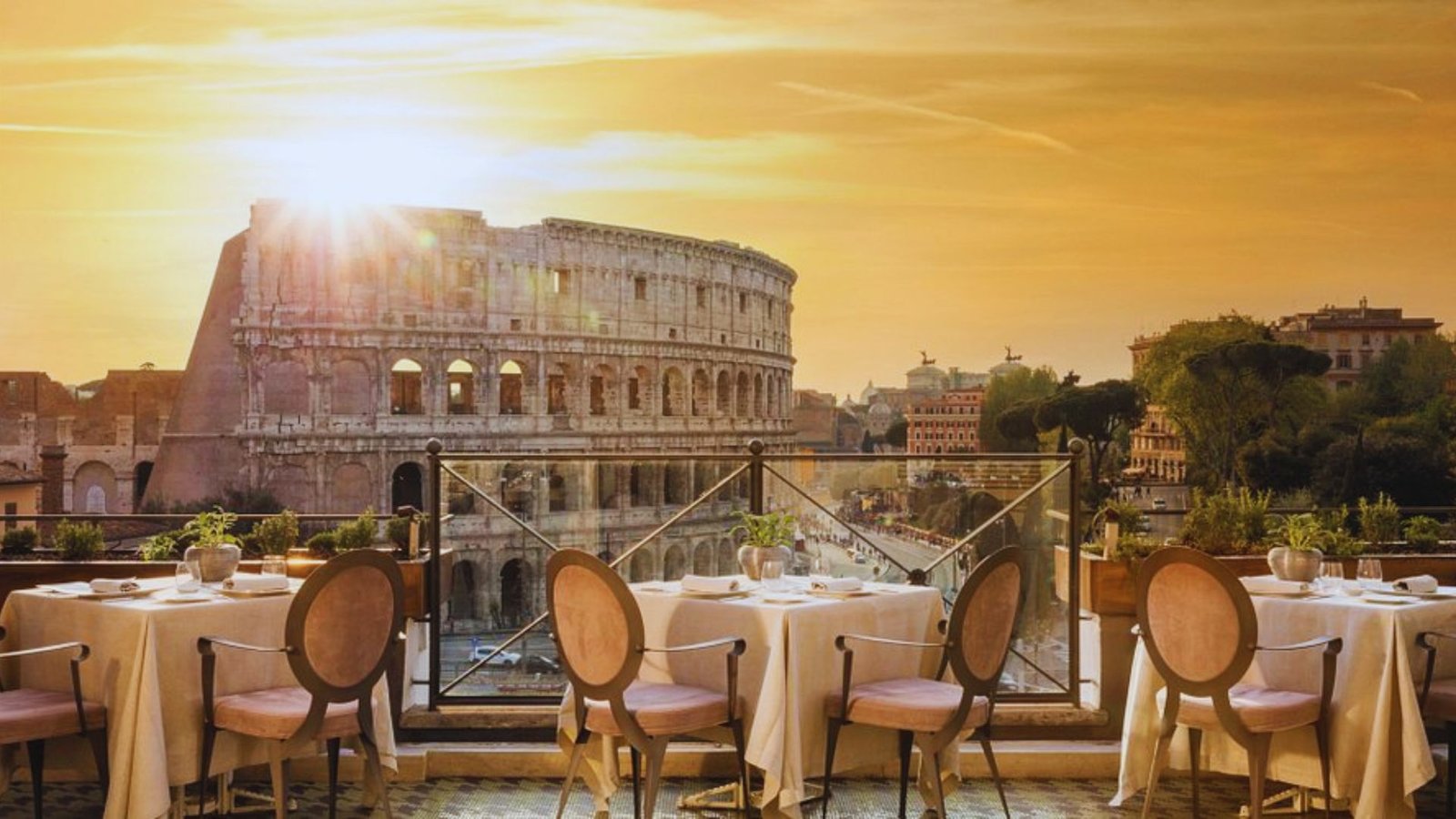
Rome’s food scene is one of the trip’s highlights, and knowing where to eat makes a huge difference.
Best Restaurants
Armando al Pantheon serves classic Roman dishes like cacio e pepe and carbonara. Pizzeria da Baffetto near Piazza Navona has thin-crust Roman pizza.
Walk a few blocks away from major sites for better quality and prices.
Gelato Stops
Skip chain gelaterias with bright colors and mountain-high displays. La Gelateria Frigidarium near the Vatican has creamy gelato in natural flavors.
Look for gelato stored in covered metal tins rather than plastic tubs.
Food Tips
Families should try pizza al taglio (by the slice) for quick, cheap meals. Most Romans eat dinner late, around 8-9 PM.
Cover charges of €1-3 per person are standard.
Additional Tips for First-Time Visitors
A few practical tips will help your trip run smoother and save you money and time.
- Spring (April-May) and fall (September-October) offer the best weather and fewer crowds than summer. July and August get brutally hot and packed with tourists.
- Vatican Museums and Colosseum tickets sell out weeks ahead in high season. Book online as early as possible. Underground Colosseum tours and Borghese Gallery require advance booking always.
- Visit major sites early morning or late afternoon. The Trevi Fountain and Spanish Steps are packed midday but quieter after 9 PM. Buy a Roma Pass if you’re visiting multiple museums.
- Pickpockets work in crowded areas like the metro and tourist sites. Keep your bag in front of you and watch your phone.
- Romans dress well, so skip the athletic wear if you want to blend in. Churches require covered shoulders and knees.
- Tap water from fountains is safe to drink and helps you save money.
Conclusion
Rome will probably overwhelm you at first, and that’s completely normal. I remember standing in the Pantheon on my first visit, trying to wrap my head around how old everything was.
This Rome 3 day itinerary gives you a solid framework, but don’t stress if you miss something or need to rest. Take your time at the sites that interest you most. Eat slowly. Sit in piazzas.
The city rewards people who slow down. What are you most excited to see? Drop a comment below.
Frequently Asked Questions
How many days do you need in Rome?
Three days is enough to see the main highlights including the Colosseum, Vatican, and historic center without feeling rushed.
Is Rome walkable in 3 days?
Yes, Rome’s historic center is very walkable with most major sites within 20 minutes of each other on foot.
What is the best month to visit Rome?
April, May, September, and October offer the best combination of pleasant weather and manageable crowds.
Do I need to book Colosseum tickets in advance?
Yes, book Colosseum tickets online at least 1-2 weeks ahead, especially during peak season when same-day tickets often sell out.
How much does a 3-day trip to Rome cost?
Budget €80-120 per day for mid-range travel, including accommodation, food, and entrance fees.
Can you see the Vatican and Colosseum in one day?
It’s possible but exhausting Vatican Museums need 3-4 hours and the Colosseum another 2-3 hours, so split them across two days.