





Living in Los Angeles puts you within reach of some of America’s most amazing natural places. From the Pacific Ocean to desert valleys, from giant trees to deep canyons, you can find it all just a few hours away.
This guide covers nine national parks near Los Angeles that you can visit for day trips or weekend getaways. Each park offers something different. You’ll learn how far each one is, what makes it special, and when to go.
If you want to see island sea caves, climb desert rocks, or walk among the world’s largest trees, there’s a park waiting for you. Some sit close enough for quick day trips, while others make perfect weekend escapes. Let’s look at your options and help you plan your next outdoor trip.
How Far Are National Parks From LA?
The good news? Several national parks sit close enough to Los Angeles for easy visits. The closest parks take just two to three hours to reach. Others make great weekend trips. Channel Islands National Park sits just 70 miles away and needs a boat or plane ride from Ventura. Joshua Tree National Park is 140 miles away, about 2.5 hours of driving.
The middle-distance parks take four to five hours. Sequoia National Park is 240 miles from LA. Pinnacles National Park sits 250 miles away. Kings Canyon National Park is 260 miles out, while Death Valley National Park is 290 miles. All of these work well for weekend getaways.
The longest drives take six hours or more, but still count as reachable national parks near Los Angeles. Yosemite National Park is 315 miles away, taking about 6 hours. Grand Canyon National Park in Arizona is 495 miles and takes 7 to 8 hours. Saguaro National Park near Tucson is the furthest at 500 miles, also 7 to 8 hours. Each park gives you a different experience. Read on to learn more about what each location offers and how to plan your visit.
National Parks Near Los Angeles Worth Visiting
Now let’s get into each national park in detail. You’ll find everything you need to know about what makes each location special, when to visit, and what activities await you. These parks are listed starting with the closest options and moving to the furthest destinations from Los Angeles.
Channel Islands National Park
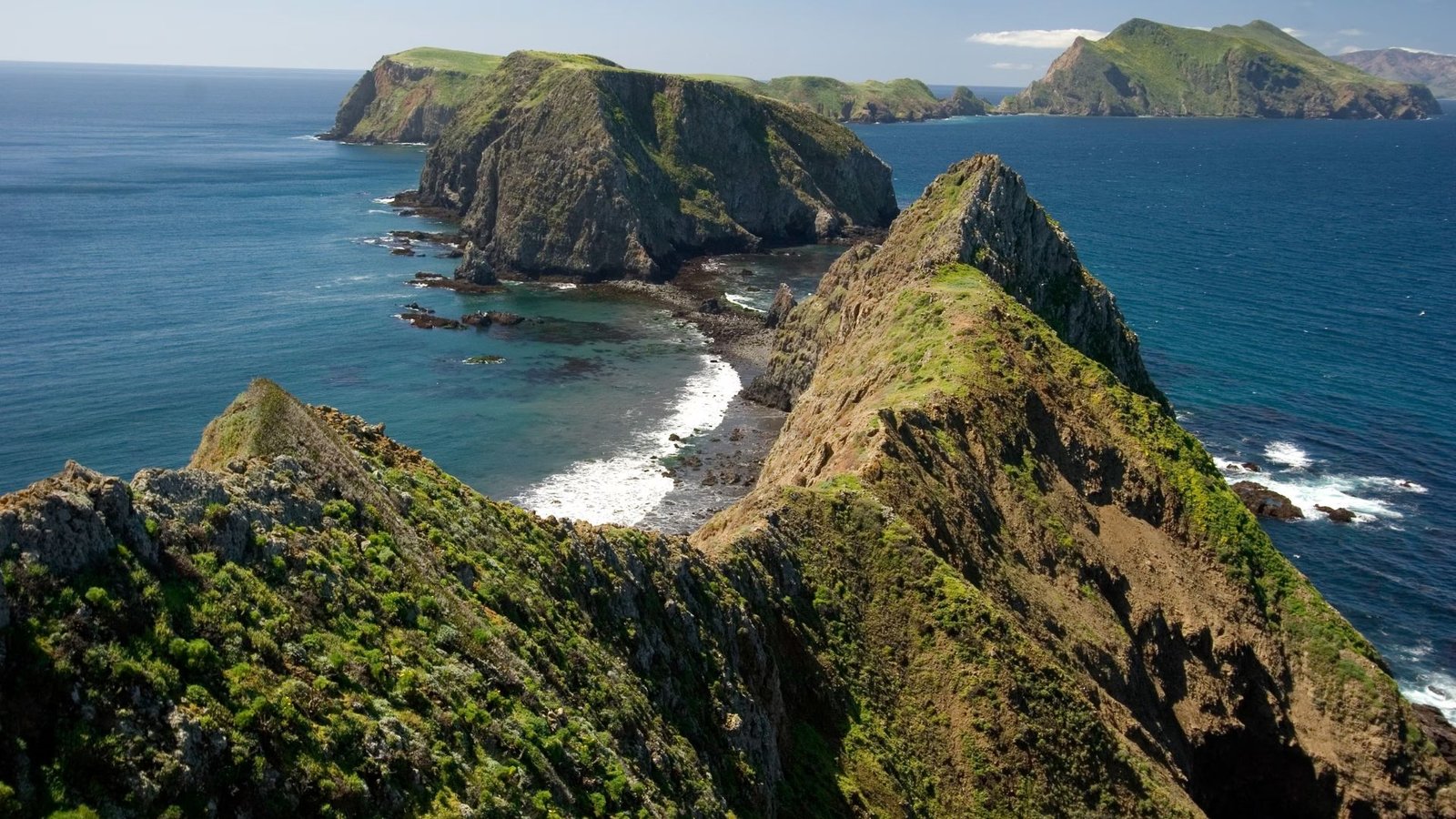
The Channel Islands sit just off the coast near Ventura. You’ll need to take a boat or seaplane to reach the islands, which makes this park feel extra special.
The park includes five islands with sea caves, kelp forests, and animals you won’t find anywhere else. The island fox lives only here. You can go kayaking, snorkeling, whale watching, and hiking. Spring brings wildflowers, while summer offers calm seas for water activities. Fall and winter are great for spotting whales.
Book your boat or plane tickets early. The island ferries fill up fast, especially on weekends. Bring layers of clothing since the weather changes quickly.
Joshua Tree National Park

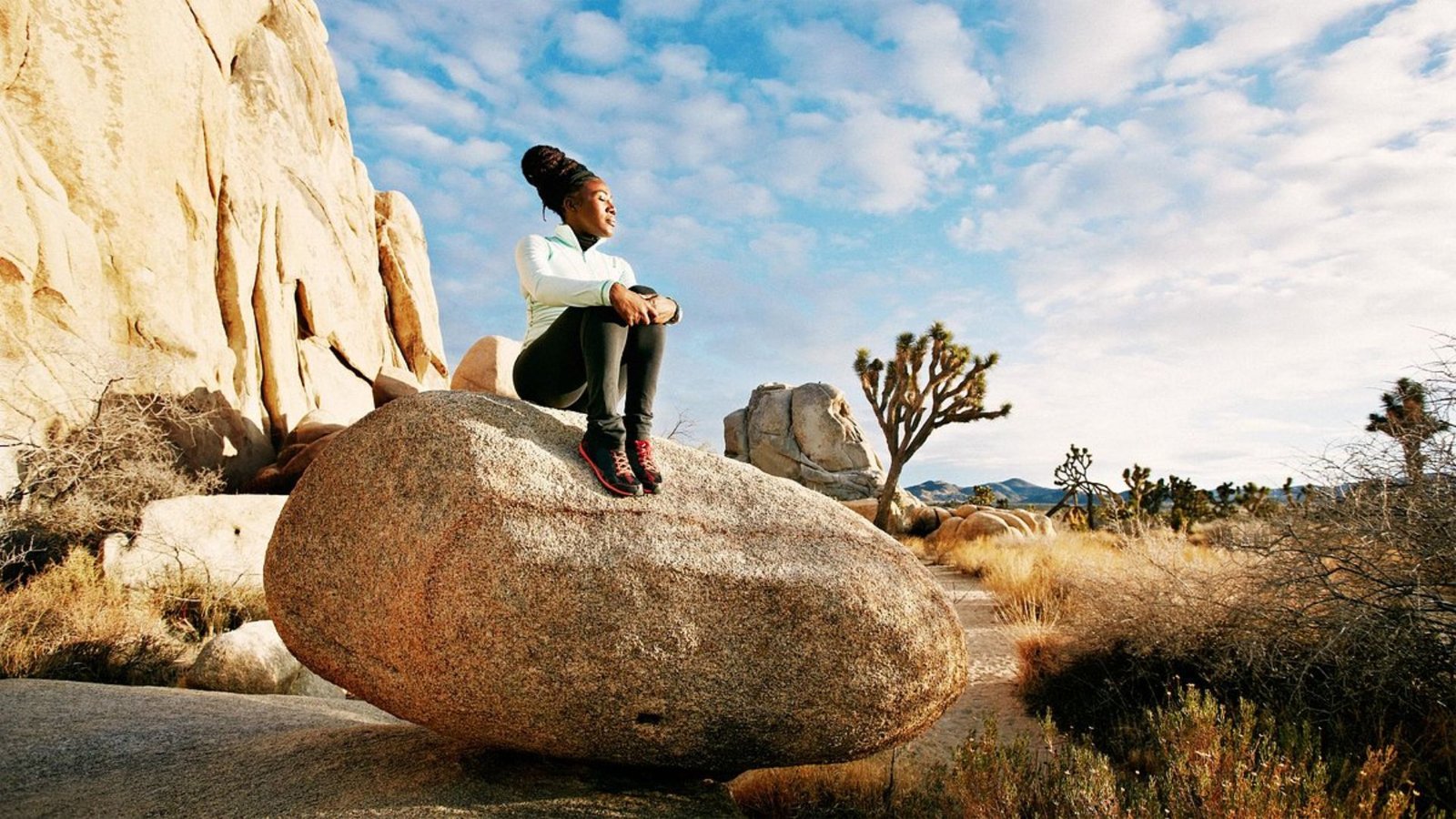
Joshua Tree ranks as the closest major national park to Los Angeles. At just 140 miles away, you can reach it in about 2.5 hours. This makes it perfect for day trips or quick weekend getaways.
The park sits where two deserts meet: the Mojave and Colorado. Strange Joshua trees dot the landscape alongside huge rock formations. Rock climbers love the thousands of climbing routes here. Photographers come for the wild desert views and star-filled skies at night.
Visit in spring or fall for the best weather. Winter works too, though nights get cold. Summer heat can reach dangerous levels, so avoid June through August unless you go very early in the morning.
Death Valley National Park

Death Valley holds several records. It’s the hottest, driest, and lowest place in North America. Badwater Basin sits 282 feet below sea level. Despite the harsh name, the park shows off amazing beauty with colorful mountains, dunes, and strange salt flats.
The drive from Los Angeles takes about 4 to 5 hours, covering roughly 290 miles. Scenic drives make up the main activity here since the heat limits hiking. Short walks to key spots like Zabriskie Point and Mesquite Flat Dunes work well. The golden hour light makes photos pop.
Only visit from late October through early April. Summer temperatures can kill. Always carry extra water, even in winter. Tell someone your plans and stick to marked roads and trails.
Pinnacles National Park

Pinnacles formed from an ancient volcano millions of years ago. Today, tall rock spires and deep talus caves make up this smaller park. It sits about 250 miles from Los Angeles, taking 4 to 5 hours to reach.
The park became famous for bringing back California condors. You might spot these huge birds soaring overhead. Hiking trails wind through the rock formations and into caves. Rock climbers find good routes here, too.
Spring brings wildflowers and mild weather. Fall offers similar conditions. Summer gets very hot, so start hikes early. Winter can be rainy, but still hikeable. The park has fewer trails than other parks, but offers quality over quantity.
Sequoia National Park
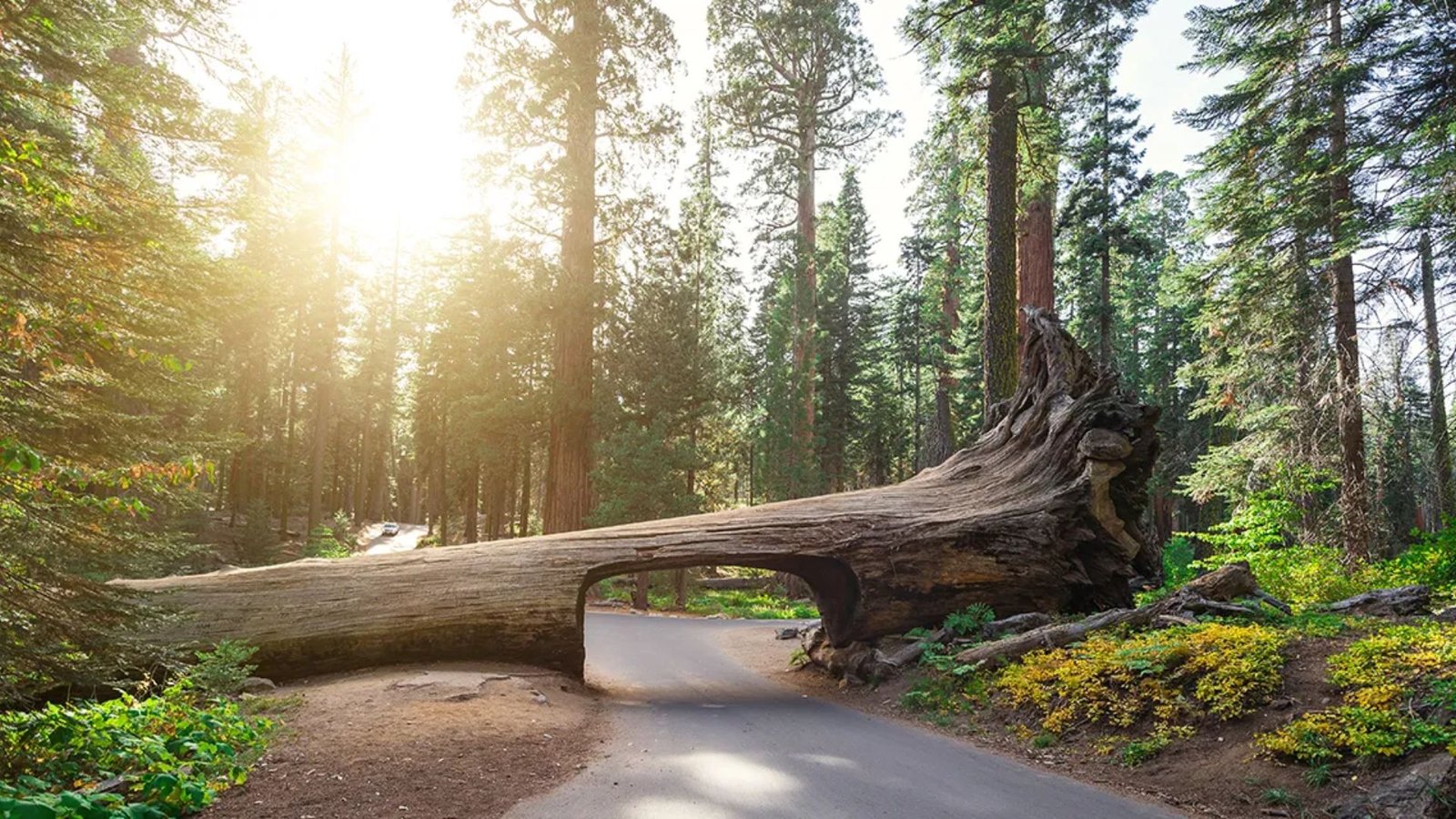
Giant sequoia trees are the largest living things on Earth. Sequoia National Park protects thousands of these ancient giants. The General Sherman Tree stands as the biggest of all, and you can walk right up to it.
The park is 240 miles from LA, about 4 to 5 hours of driving. Beyond the big trees, you’ll find high mountain terrain with great hiking. Moro Rock gives amazing views after a steep climb. Crystal Cave offers underground tours in summer.
Late spring through fall works best for visiting. Snow closes many roads in winter, though the giant trees look magical with snow on their branches. You can easily combine this park with Kings Canyon since they connect.
Kings Canyon National Park

Kings Canyon connects directly to Sequoia but feels wilder and less crowded. The canyon itself drops deeper than the Grand Canyon in places. About 90% of the park is wilderness, meaning no roads or buildings.
Located 260 miles from Los Angeles, the drive takes 4.5 to 5 hours. The Cedar Grove area offers riverside walks and waterfall hikes. The scenic byway through the canyon ranks among California’s most beautiful drives. Alpine lakes dot the high country for backpackers.
Visit from late May through October when roads stay open. Winter snow closes the high country. This park sees fewer visitors than Sequoia, so you’ll find more quiet spots to enjoy nature.
Yosemite National Park

Yosemite needs no introduction. El Capitan, Half Dome, and Yosemite Falls have appeared in countless photos and movies. This glacier-carved valley showcases nature’s power and beauty.
At 315 miles and about 6 hours from LA, Yosemite makes the longest drive among California parks on this list. But most visitors say it’s worth every mile. Towering granite cliffs, thundering waterfalls, and meadows filled with wildflowers await.
Spring brings peak waterfall flow. Summer offers warm weather but huge crowds. Fall colors paint the valley in September and October. Winter turns the park into a snow-covered wonderland. Book lodging and permits months in advance. The park fills up fast year-round.
Grand Canyon National Park
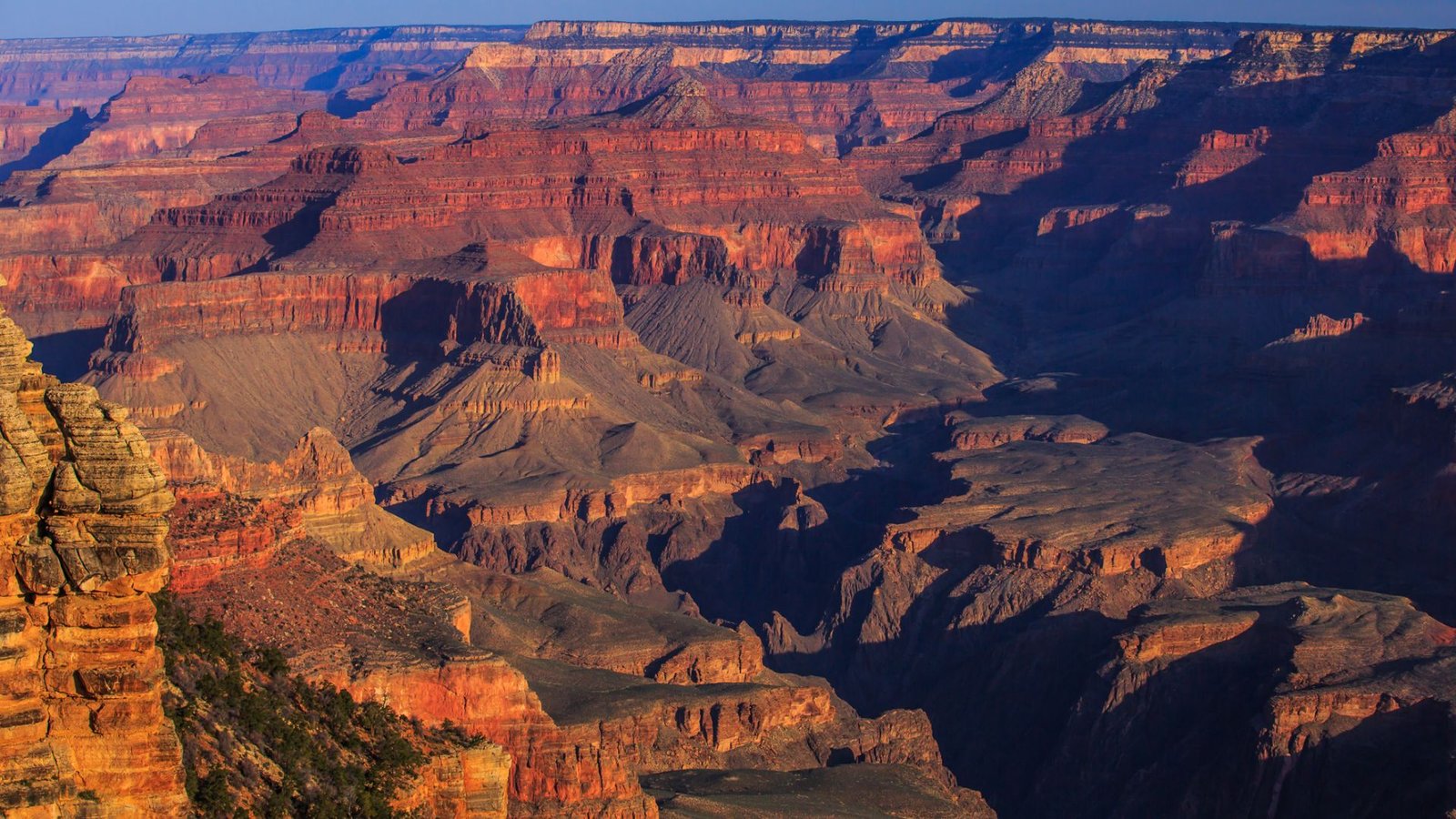
The Grand Canyon stretches across northern Arizona, about 495 miles from Los Angeles. The 7 to 8-hour drive makes this a solid weekend trip destination. Seeing the canyon in person beats any photo.
Nearly two billion years of rock layers create the colorful bands you see in the canyon walls. The Colorado River carved this massive gorge over millions of years. The South Rim stays open year-round and offers the easiest access. Dozens of viewpoints line the rim road.
Spring and fall give the best weather. Summer brings hot temperatures and big crowds. Winter can be beautiful with fewer people, but snow may affect travel. Sunrise and sunset offer the most dramatic light for photos and viewing.
Saguaro National Park
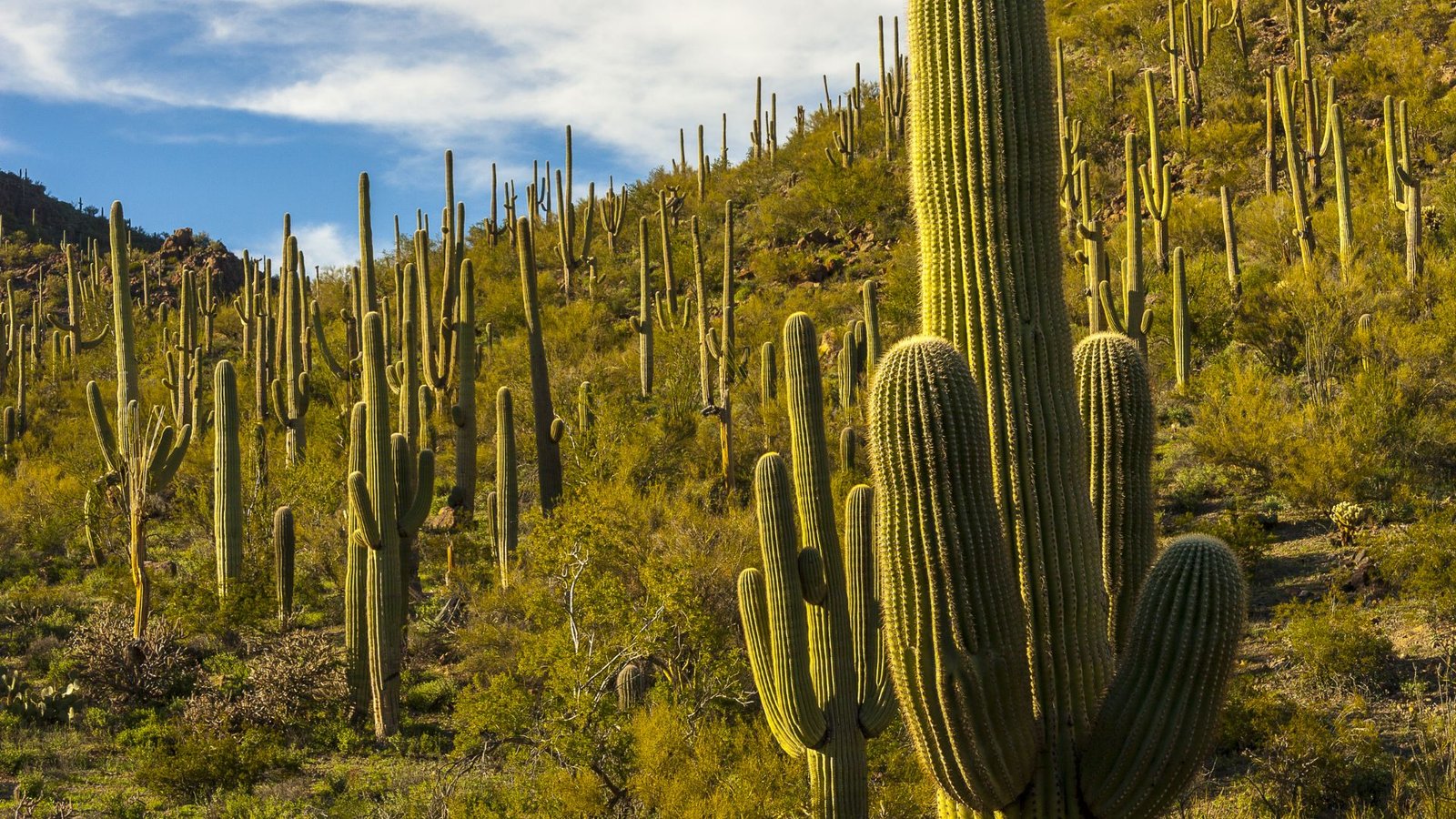
Saguaro National Park protects the iconic tall cacti with arms that appear in every desert movie. Located near Tucson, Arizona, this park sits about 500 miles from Los Angeles. The drive takes 7 to 8 hours.
The park has two sections, one east and one west of Tucson. Both offer scenic drives and hiking trails through forests of saguaro cacti. These giants can live 200 years and grow over 40 feet tall. Sunsets here paint the desert in orange and pink.
Visit from October through April when temperatures stay comfortable. The cacti bloom in late April and May. Summer heat makes this park dangerous for hiking. Wildlife like coyotes, javelina, and roadrunners live among the cacti.
Tips for Visiting National Parks From Los Angeles
Planning makes your park visits better and safer. Different parks need different approaches based on their location and climate.
- Spring and fall work well for most parks
- Summer suits the mountain park, but avoid the deserts
- Winter fits desert parks, but mountain roads may close
- Check each park’s website for current conditions before you go
- Water (bring way more than you think for desert parks)
- Sunscreen, hat, and sunglasses for sun protection
- Layers of clothing since temperatures change
- Snacks and good walking shoes
- First aid kit and phone charger
- Many parks norequireed reservations for entry or camping
- Gas up before entering remote parks
- Download offline maps since cell service may not work
- Start early to avoid crowds and the afternoon heat
Check the National Park Service website for each park before you go. Road closures, weather alerts, and reservation requirements change throughout the year.
Conclusion
Los Angeles gives you access to an amazing variety of national parks. You can visit ocean islands, desert valleys, giant tree forests, and deep canyons all within a day’s drive. Each park offers something different to see and do.
Start with the closer parks like Joshua Tree or Channel Islands if you’re new to park visits. These make easy day trips or weekend getaways. As you gain experience, try the longer drives to Yosemite or the Grand Canyon.
Living near so many national parks near Los Angeles is a real advantage. You can visit the same parks in different seasons and see how they change. Pick one park that sounds good to you, check the website, and start planning. Your next outdoor experience is waiting.
Frequently Asked Questions
How Much Does It Cost to Enter National Parks?
Most parks charge $30 to $35 per vehicle for a seven-day pass. The America the Beautiful Annual Pass costs $80 and covers all national parks for one year. If you plan to visit three or more parks, the annual pass saves money.
Can I Bring My Dog to These Parks?
Most national parks have strict pet rules. Dogs must stay on leash and can only go on paved roads and developed areas. They cannot go on trails or into buildings. Service animals are always allowed.
Which Park Is Best for a Day Trip?
Joshua Tree and the Channel Islands work best for day trips from Los Angeles. Joshua Tree takes just 2.5 hours to reach. The Channel Islands need a boat ride, but you can do it in one day. Both let you see a lot without rushing.
Do I Need a Special Vehicle for Desert Parks?
No, regular cars work fine for all main park roads. Death Valley, Joshua Tree, and Saguaro have paved roads to major sites. Some dirt roads need high clearance, but you can see most attractions from regular roads.
What Should I Bring for a Desert Park Visit?
Bring at least one gallon of water per person, more if hiking. Pack sunscreen, a wide hat, and lightweight long sleeves. Bring snacks, a charged phone, and tell someone your plans. Start activities earlybefore the heat builds up.