




I visited Lake Atitlan a few years ago and quickly realized one town wasn’t enough.
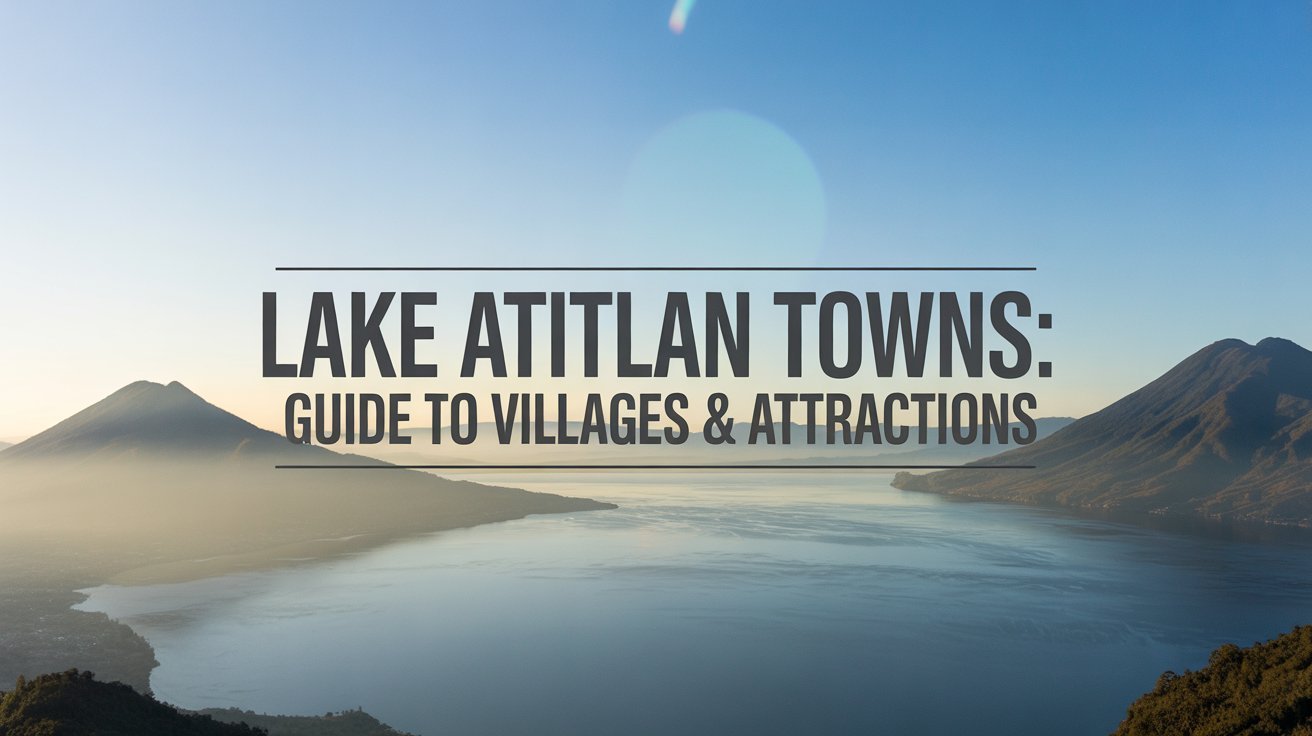
This volcanic crater lake in the Guatemalan highlands is surrounded by villages, and each one feels completely different.
Some are quiet and traditional. Others are filled with backpackers and yoga retreats. A few focus on Mayan culture and local crafts.
I found myself hopping between towns by boat, and honestly, that’s the best way to experience this place.
Each village has its own personality, from lakeside cafes to hiking trails to bustling markets. If you’re heading to Lake Atitlan, plan to visit several spots.
You’ll get a much richer experience that way.
How to Travel Between Lake Atitlan Towns

Getting around Lake Atitlan is part of the fun. You have several options depending on where you’re going and how much time you have.
By Boat (Lancha)
Most people use boats to hop between towns. These small lanchas run throughout the day and offer great views of the lake and volcanoes. You’ll find boat docks in every village.
Fares are cheap, usually between 10 and 25 quetzales per ride. Schedules can be loose, but boats run frequently during the day. After 5 or 6 PM, service slows down.
Always check the last boat time if you’re planning an evening trip.
Walking and Hiking Trails
If you like hiking, the Lower Mayan Trail connects several towns on the north shore. This path links Santa Cruz, Jaibalito, Tzununa, and San Marcos. The full walk takes about three hours.
The trail is mostly flat with some rocky sections. Wear good shoes and bring water. I recommend going with someone else for safety. \
The views are incredible, but some parts are isolated.
Tuk-tuk and Camioneta
For short trips around towns like Panajachel or San Pedro, tuk-tuks work well. They’re quick and affordable. Agree on the price before you get in.
Camionetas are small pickup trucks with benches in the back. They run set routes between nearby villages.
Locals use them all the time. Just flag one down and ask if it’s going your way.
Chicken Bus
These colorful old school buses connect some towns by road. They’re the cheapest option and give you a real local experience.
The main route runs from Panajachel around the eastern side of the lake. They’re useful for reaching San Lucas Toliman or getting to towns not well connected by boat. But they’re slow and can get crowded.
For most tourists, boats are easier and faster.
Lake Atitlan Towns and Villages Guide
The lake is surrounded by eleven towns, each offering different experiences from backpacker hostels to traditional Mayan villages and yoga retreats.
1. Panajachel – The Tourist Hub

Panajachel is the main gateway to Lake Atitlan. It’s busy and commercial, with plenty of shops, restaurants, and hotels. The waterfront promenade offers lake views and boat access to other villages.
Visit Reserva Natural Atitlan for nature trails and a butterfly sanctuary. The nearby Chichicastenango market runs on Thursdays and Sundays. You’ll find accommodations for every budget here.
2. Santa Cruz la Laguna – Best Volcano Views

Santa Cruz is quiet and peaceful, with some of the best volcano views on the lake. It’s great for kayaking and paddleboarding.
The Lower Mayan Trail starts here if you want to hike to neighboring villages. Several lakeside lodges offer comfortable stays with waterfront restaurants. This town attracts people looking for a calm, scenic base.
3. Jaibalito – Secluded Village for Relaxation

You can only reach Jaibalito by boat or on foot. It’s tiny and extremely peaceful. Most people come here to swim, relax, and disconnect.
La Casa del Mundo is a popular cliffside hotel with incredible views. There are a few small restaurants and guesthouses. This village is perfect if you want total quiet and natural beauty.
4. Tzununa – The Permaculture Hub

Tzununa is small and laid back, known for its focus on sustainable living. Atitlan Organics runs permaculture farm tours where you can learn about organic farming.
There are yoga classes and hiking trails nearby. A handful of eco-friendly lodges and vegetarian restaurants serve visitors. It’s ideal for travelers interested in sustainability and wellness.
5. San Marcos la Laguna – Spiritual Hippy Haven

San Marcos has a strong New Age vibe with yoga studios, meditation centers, and wellness retreats everywhere. Many people come for healing therapies and spiritual practices.
Cerro Tzankujil Nature Reserve offers cliff jumping and forest trails. You’ll find vegetarian cafes, health food spots, and holistic accommodations. This town attracts the yoga and spiritual wellness crowd.
6. San Juan la Laguna – The Colorful Art & Coffee Town

San Juan celebrates Mayan culture through art and crafts. Visit weaving cooperatives to see traditional textiles being made. Colorful murals cover many buildings throughout town.
Mirador Kaqasiiwaan provides panoramic lake views. Coffee tours show you the local growing process. Small guesthouses and local eateries offer authentic experiences. It’s perfect for culture and art lovers.
7. San Pedro la Laguna – Backpacker Hub

San Pedro is lively and budget friendly, popular with backpackers and long term travelers. The Indian Nose hike at sunrise is a must do.
You can also climb San Pedro Volcano or soak in nearby hot springs. Hostels, cheap restaurants, and bars line the streets. Spanish schools attract students from around the world. It’s social and active.
8. Santiago Atitlan – The Authentic Maya Town

Santiago is the largest town on the lake and feels authentically Guatemalan. Local markets sell traditional Mayan textiles and produce. Visit the shrine of Maximon, a unique folk deity.
Hiking trails lead into the surrounding hills. You’ll find basic hotels and local comedores serving traditional food. This town offers real cultural immersion.
9. San Lucas Toliman – The Forgotten Coffee Town

San Lucas is small, quiet, and often overlooked by tourists. It’s a working town surrounded by coffee plantations. Take a coffee tour to learn about production.
You can hike Volcan Toliman from here. The San Lucas Mission does community work in the area. Simple accommodations and local restaurants serve visitors looking for authenticity.
10. San Antonio Palopo – The Pottery Town

San Antonio is known for its pottery and ceramics. Local artisans create beautiful handmade pieces you can buy as souvenirs.
The town itself is small and traditional. Visit Iglesia de San Antonio Palopo, a lovely colonial church. It’s a quick stop rather than an overnight destination. A few small eateries serve basic Guatemalan food.
11. Santa Catarina Palopo – The Vibrant “Blue Town”

Santa Catarina became famous for the Pintando el Cambio project, which painted many buildings in bright blue and traditional patterns. The colorful streets make for great photos.
Visit Mirador Santa Catarina for panoramic views. Nearby hot springs offer relaxation. Tzampoc Resort sells day passes if you want upscale amenities. It’s a popular day trip spot.
Tips for Planning Your Lake Atitlan Town Visits
- Match towns to your interests: Pick San Marcos for yoga and wellness, San Pedro for hiking and nightlife, or San Juan for art and culture.
- Plan for at least 3 days: This gives you time to visit three or four towns without rushing. A week lets you really settle in.
- Respect local customs: Many villages are traditional Mayan communities. Ask before taking photos of people and dress modestly in smaller towns.
- Keep your belongings secure: Lake Atitlan is generally safe, but petty theft happens. Don’t flash expensive items and watch your bags on boats.
- Learn basic Spanish phrases: English isn’t widely spoken outside Panajachel and San Pedro. A few simple phrases help a lot with locals.
Conclusion
Lake Atitlan’s towns each have their own personality. From the backpacker scene in San Pedro to the quiet art villages like San Juan, there’s something for everyone around this lake.
I’m glad I visited multiple towns during my trip. Staying in just one spot would have given me a limited view of what makes this place special. The boat rides between villages are easy and affordable, so there’s no reason not to hop around.
Take your time here. Experience the local culture, try the hiking trails, and soak in the volcano views.
For more detailed tips, check out my full Lake Atitlan travel guide and recommendations on where to stay.
Frequently Asked Questions
How many towns are around Lake Atitlan?
There are about eleven main towns and villages around the lake. Each one has a different vibe, from busy tourist spots to quiet traditional communities.
What is the best town to stay in at Lake Atitlan?
It depends on what you want. San Pedro works for backpackers, San Marcos suits yoga lovers, and Panajachel offers the most amenities and easy boat access.
How do you get around Lake Atitlan?
Most people use small boats called lanchas to move between towns. You can also walk, hike trails, or take tuk-tuks for short distances within villages.
Is Lake Atitlan safe for tourists?
Yes, it’s generally safe for visitors. Use common sense with your belongings, avoid isolated areas at night, and ask locals for current safety advice.
How many days should I spend at Lake Atitlan?
I recommend at least three to five days. This gives you enough time to visit several towns and really appreciate the different cultures and activities available.