




Planning a quick trip to Japan’s old capital? You’re in the right place. Kyoto has centuries of history, hundreds of temples, and great food packed into one small city. The best part? You can see the top spots in just two days.
This Kyoto 2-day itinerary covers the must-see places without rushing. You’ll walk through thousands of red gates, see golden temples, and eat at local markets.
I’ll show you exactly where to go, when to arrive, and how to get around.
You’ll visit famous shrines, stroll through bamboo forests, and try local dishes. By the end of your 48 hours, you’ll know why millions of people love this city each year.
Let’s get started with your perfect two days in Kyoto.
Quick Overview: Your 2 Days in Kyoto
This Kyoto 2-day itinerary splits your time between South and West Kyoto. Day one focuses on the famous Fushimi Inari Shrine, the historic Gion area, and busy food markets.
Day two takes you to the western bamboo forests and the Golden Pavilion. Both days end with great food and evening walks.
Day 1 Highlights
Your first morning starts at Fushimi Inari Shrine with its famous orange gates that wind up the mountain. This early start beats the crowds and gives you the best photos. After lunch in Gion, you’ll visit Kiyomizu Temple and walk down charming old streets lined with shops and tea houses.
The day wraps up at Nishiki Market, where locals shop for fresh food and snacks. You can try different Japanese treats as you walk through the covered market. Downtown Kyoto comes alive in the evening with restaurants and bars along the river.
Day 2 Highlights
Day two begins in Arashiyama, home to Kyoto’s famous bamboo grove. The tall bamboo stalks create a green tunnel that feels like another world. You’ll also visit a peaceful temple garden before heading back toward the city center.
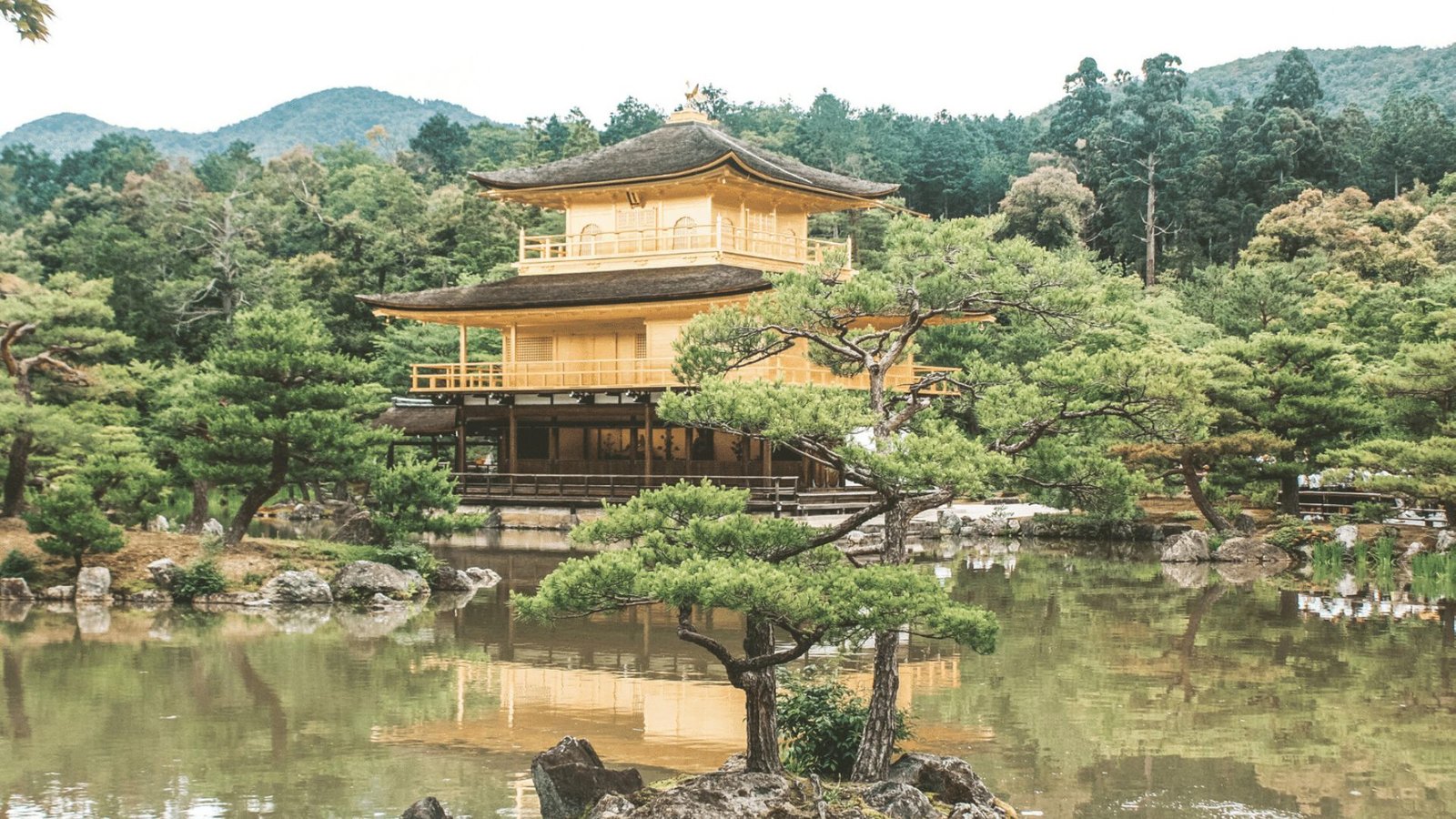
The afternoon brings you to Kinkakuji, the Golden Pavilion that shines bright against its pond and gardens. After taking photos, you can spend your final evening along Pontocho Alley. This narrow street lights up at night with traditional restaurants where you can enjoy your last dinner in Kyoto.
Day 1: Temples, Shrines, and Traditional Streets
Day one of your Kyoto 2-day itinerary mixes the spiritual side of Kyoto with its historic neighborhoods.
You’ll climb mountain paths, walk through old streets, and eat at markets where families have sold food for generations.
Morning: Start Early at Fushimi Inari Shrine
Set your alarm and arrive at Fushimi Inari before 9 AM. The early morning light makes the thousands of orange torii gates glow, and you’ll have the paths mostly to yourself. Tour groups arrive later, so going early means better photos and a peaceful walk.
The main trail takes you through gate after gate up Mount Inari. You can hike to the top in about 1.5 to 2 hours, or just walk the first section and turn back.
Small shrines dot the path, and you’ll see fox statues everywhere since foxes are messengers in Shinto belief. Take the JR Nara Line from Kyoto Station to Inari Station. The shrine sits right outside the station, making it super easy to reach.
Lunch in Gion
After your morning hike, head to Gion for lunch. This historic neighborhood has small restaurants serving fresh sushi, noodle bowls, and bento boxes. Look for places with plastic food displays in the window to see what they offer.
Try a traditional teishoku set meal, which gives you rice, miso soup, grilled fish, and pickles. Many lunch spots offer good deals between 11 AM and 2 PM.
Afternoon: Kiyomizu-dera Temple and Historic Gion
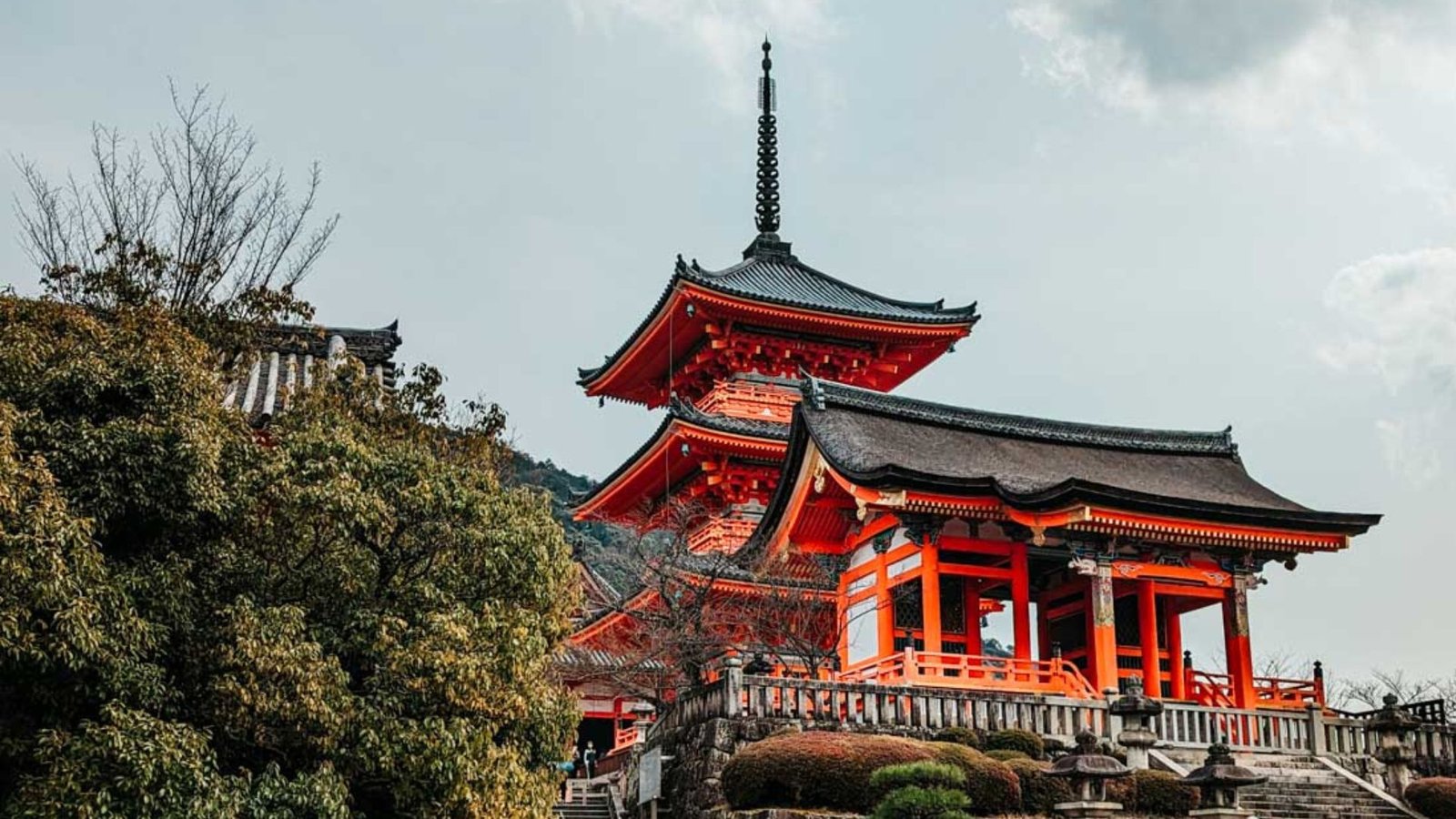
Walk uphill through souvenir shops to reach Kiyomizu-dera Temple. This famous temple sits on a hillside with a large wooden stage that juts out over the valley. The view from the stage shows Kyoto spreading below.
Inside the temple grounds, you can drink from three streams of sacred water, each said to bring different blessings.
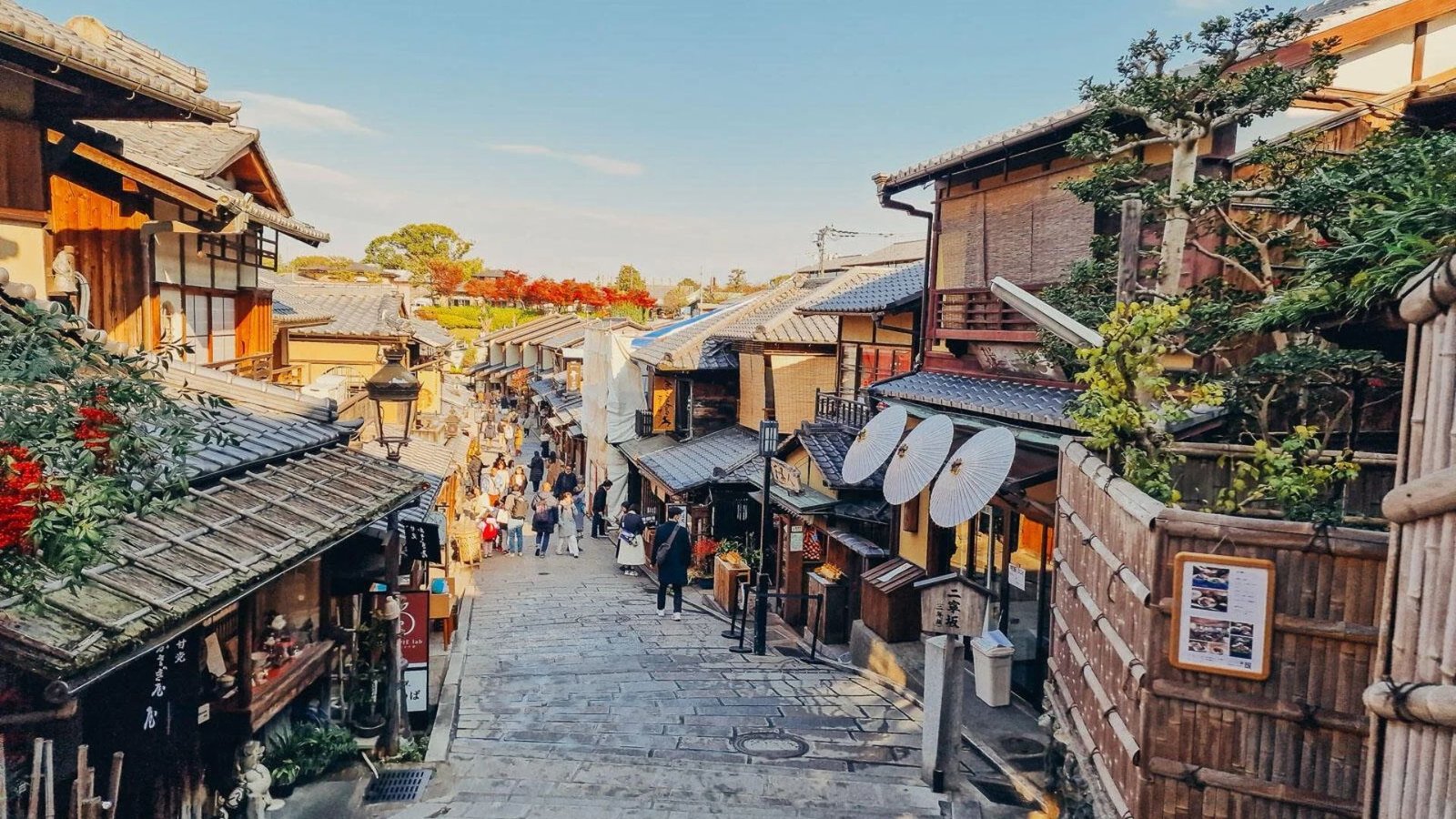
Coming back down, take the scenic route through Sannen zaka and Ninen zaka streets. These sloping lanes have preserved wooden buildings now filled with craft shops, tea houses, and ice cream stands.
Stop at the five-story Yasaka Pagoda for photos. Continue to Yasaka Shrine, which marks the entrance to the main Gion district. In the early evening, you might spot geishas and maikos walking quickly to appointments, though remember to be respectful and not chase them for photos.
Evening: Nishiki Market and Downtown
Nishiki Market runs for several blocks under a covered arcade. Vendors sell everything from fresh seafood and pickles to kitchen knives and green tea. Grab samples of grilled fish, sweet mochi, or crispy rice crackers as you browse.
For dinner, the downtown area around Kawaramachi Station has tons of options. You’ll find everything from cheap ramen shops to nicer restaurants serving kaiseki meals.
After eating, take an evening walk along the Kamo River or through the narrow lanes of Pontocho, where red lanterns light up traditional buildings.
Day 2: Nature, Golden Temples, and Local Life
The second day of your Kyoto 2-day itinerary takes you west to Arashiyama and north to one of Japan’s most photographed temples. You’ll spend more time in nature and less time in crowded areas.
Morning: Arashiyama Bamboo Grove
Catch an early train to Arashiyama to beat the crowds at the bamboo grove. The path through towering bamboo shoots creates an almost magical feeling.
Light filters through the green stalks, and the bamboo creaks and rustles in the wind. The main path only takes about 10 minutes to walk, but you’ll want to linger and take photos.
Right next to the grove sits Tenryu-ji Temple, a Zen temple with a beautiful pond garden. The garden was designed over 700 years ago and still looks amazing today.
If you have extra time and energy, Okochi Sanso Villa offers another garden with great views, though it costs more to enter.
Lunch in Arashiyama
Arashiyama has plenty of lunch spots along its main street. Try soba or udon noodles at one of the small shops near the bamboo grove. Several places serve shojin ryori, Buddhist vegetarian meals that are healthy and filling.
The area also has cafes where you can rest your feet and plan the afternoon. Green tea soft serve makes a nice treat on warm days.
Afternoon: Kinkakuji(Golden Pavilion)
From Arashiyama, take a bus or taxi to Kinkaku-ji north of Kyoto. This temple really is covered in gold leaf, and it reflects perfectly in the pond in front of it.
The top two floors shine bright on sunny days. Walk the path around the pond to see the temple from different angles.
The grounds include a small garden and a tea house, though you can’t go inside the golden building itself. Most people spend about 45 minutes here, which gives enough time to walk around, take photos, and visit the small shops near the exit.
The temple closes at 5 PM, so plan to arrive by 3:30 PM at the latest.
Evening: Return to Downtown
If you finish at Kinkaku-ji early, consider stopping at Daitoku-ji Temple complex on the way back. This area has several small temples with rock gardens and is much quieter than the main tourist spots. Otherwise, head straight back to downtown Kyoto for your last evening.
Dining along the Kiyamachi dori canal offers a nice atmosphere with outdoor seating in good weather. Pontocho Alley, just across the river, has narrow lanes packed with restaurants. You can peek inside to see what appeals to you.
Some places offer sake tasting flights if you want to try different types of Japanese rice wine. End your Kyoto 2-day itinerary with a final stroll along the river before heading back to your hotel.
Practical Tips for Your Kyoto Visit
Getting around Kyoto is easier than you might think. The city has a subway system with two main lines and lots of buses that connect all the major spots.
Most tourists buy a one-day bus pass for 700 yen, which pays for itself after three rides. The pass works on city buses but not on trains or private bus lines.
Here are key transportation tips:
- Download a transit app like Google Maps or Hyperdia to plan routes
- Buses display their number and main stops in English
- Taxis are clean and safe, but cost more than public transit
- Most hotels can explain the best way to reach popular sites
- Keep your hotel address in Japanese to show taxi drivers
For timing your visit, avoid peak cherry blossom season in early April and fall colors in November if you want smaller crowds.
These times are gorgeous but packed with tourists. Summer can be hot and humid, while winter stays mild and sees fewer visitors. Late June offers a nice middle ground with warm weather and manageable crowds.
For where to stay, pick a hotel near Kawaramachi Station or Kyoto Station for easy access to trains and buses.
Kawaramachi puts you closer to Gion and downtown restaurants. Kyoto Station works better if you’re taking day trips or have early trains to catch. Both areas have hotels at different price points.
Conclusion
This Kyoto 2-day itinerary gives you a solid taste of what makes Kyoto special. You’ll see ancient temples, walk through bamboo forests, eat at local markets, and wander historic streets. Two days lets you hit the main highlights without feeling rushed.
Of course, Kyoto has hundreds more temples, gardens, and neighborhoods to see. If you can extend your stay to three or four days, you’ll have time for places like the Philosopher’s Path, more temples in the eastern hills, or a day trip to nearby Nara. But even with just 48 hours, you’ll leave with great memories and photos.
Kyoto rewards visitors who start early, walk a lot, and stay curious. Pack comfortable shoes, charge your camera, and get ready for two amazing days in Japan’s cultural heart.
Frequently Asked Questions
Is Two Days Enough Time in Kyoto?
Two days cover the main highlights like Fushimi Inari, Kinkakuji, and Gion. You’ll miss smaller temples and some neighborhoods, but you’ll get a good sense of the city. Three or four days is better if your schedule allows.
How Much Does a Trip to Kyoto Cost?
Budget around 8,000 to 12,000 yen per day for food, transport, and temple fees. Most temples charge 400 to 600 yen to enter. Meals range from 800 yen for lunch to 2,000 yen for dinner. A day bus pass costs 700 yen.
Can You Visit Kyoto From Osaka as a Day Trip?
Osaka and Kyoto are only 30 minutes apart by train. Day trips work fine, but staying overnight lets you see temples early before crowds arrive. You’ll also enjoy the evening atmosphere without rushing back to Osaka.
What Should I Wear in Kyoto?
Wear comfortable walking shoes since you’ll cover several miles each day. In summer, bring a hat and sunscreen. Winter needs a warm jacket. Temples don’t have strict dress codes, but keep shoulders and knees covered as a sign of respect.
Do I Need to Speak Japanese to Visit Kyoto?
Major temples and train stations have English signs and maps. Download Google Translate to read menus and signs. Learning basic phrases like “thank you” (arigato) and “excuse me” (sumimasen) helps, but you can visit Kyoto speaking only English.