



Planning your first safari feels like a big task. I know because I’ve helped dozens of travelers figure out their Kenya trips.
This Kenya itinerary for first-time travelers breaks down everything you need. I’ll show you how many days to spend, which parks to visit, and what to expect from the wildlife.
You’ll learn about costs, where to stay, and how to avoid common mistakes that waste time and money.
I’m covering Maasai Mara game drives, Amboseli’s elephants, Lake Nakuru’s flamingos, and beach options on the coast. Plus the practical stuff like packing lists, safety tips, and booking advice.
Let’s build your Kenya safari the right way.
Best Time to Visit Kenya for First-Time Travelers
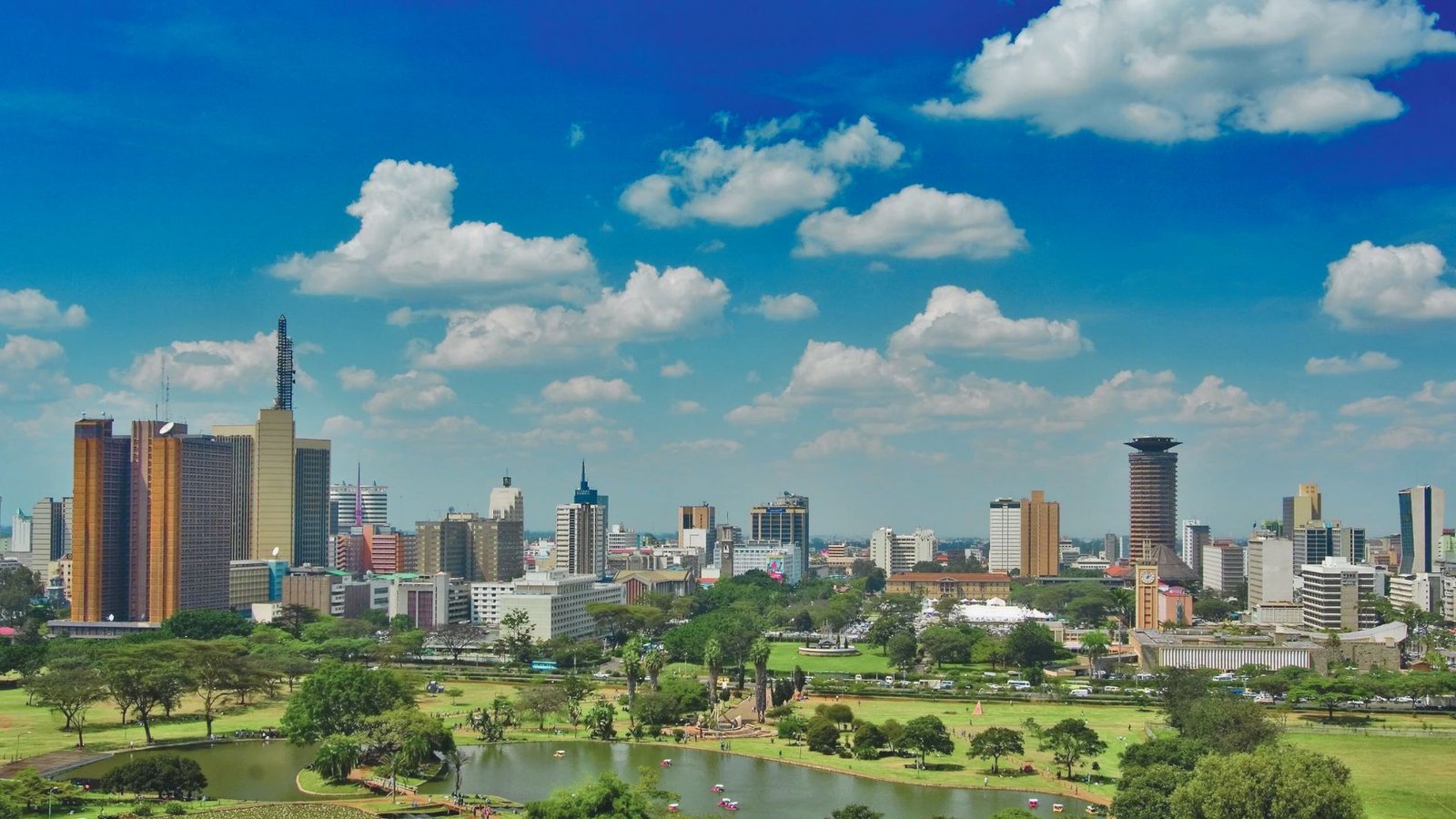
Kenya has year-round wildlife viewing, but timing affects what you see and how much you pay.
Peak season runs from July to October. This coincides with the Great Migration in Maasai Mara. Expect higher prices and crowds. Book at least six months ahead.
Shoulder season includes January to February and June. Wildlife viewing stays excellent. Prices drop by 20 to 30 percent. I prefer these months for value and comfort.
Dry season (June to October) brings animals to water sources. They’re easier to spot. Green season (November to May) sees baby animals everywhere. February and March are calving months.
April and May get the most rain. Some camps close. But prices hit rock bottom.
Kenya sits on the equator. Expect 70-80°F during the day. Higher altitude areas like Nairobi are cooler. Pack layers.
For good weather, great wildlife, and reasonable prices, visit in June or January.
Day-by-Day Kenya Itinerary for First-Time Travelers
This 10-day plan covers Kenya’s highlights without overwhelming your schedule.
Day 1: Arrive in Nairobi

Most international flights land in Nairobi early in the morning. Get to your hotel and rest. Don’t pack activities into day one.
If you feel alert, walk around the Karen neighborhood. Visit the Karen Blixen Museum or Kazuri Beads workshop.
Giraffe Centre lets you feed endangered Rothschild giraffes. David Sheldrick Elephant Orphanage opens for one hour daily at 11 AM. Baby elephants run out for their milk bottles.
Both places do real conservation work. Your entry fees support wildlife protection.
Days 2-4: Maasai Mara National Reserve
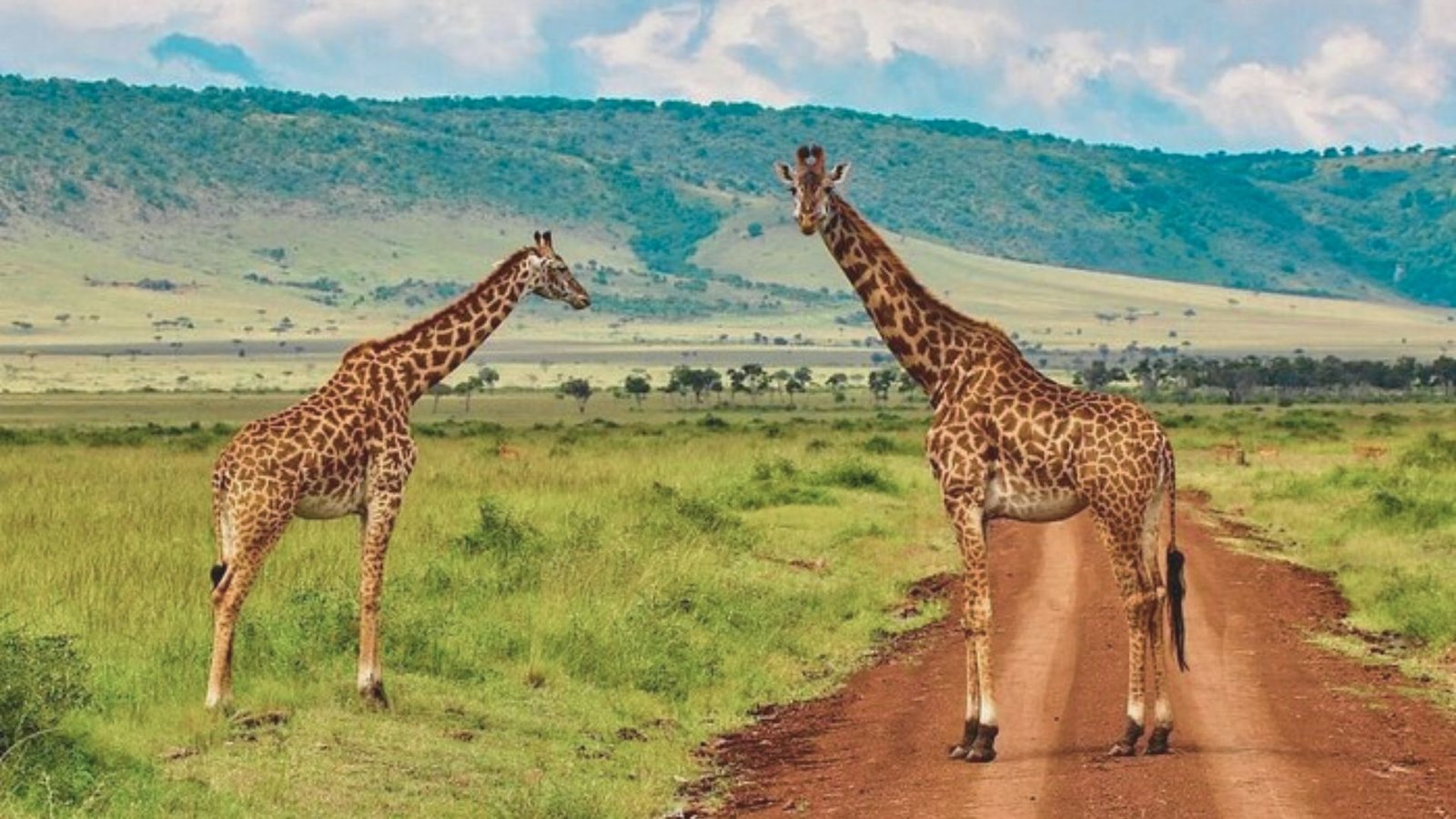
Maasai Mara gives you the best shot at seeing all Big Five animals. Lions, leopards, elephants, buffalo, and rhinos.
You’ll do two game drives daily. One at sunrise (around 6:30 AM) and one in late afternoon (3:30 PM). Morning drives are cold. Bring a jacket.
Your guide makes the experience. Good guides know animal behavior and communicate with other drivers about sightings.
Conservancies are private lands bordering the reserve. Fewer vehicles allowed. You can do walking safaris and night drives. They’re quieter but cost more.
Luxury options run $800-1,500 per person per night. Mid-range camps cost $300-500 per person. Budget camps keep costs under $150 per person.
Day 5: Lake Nakuru National Park
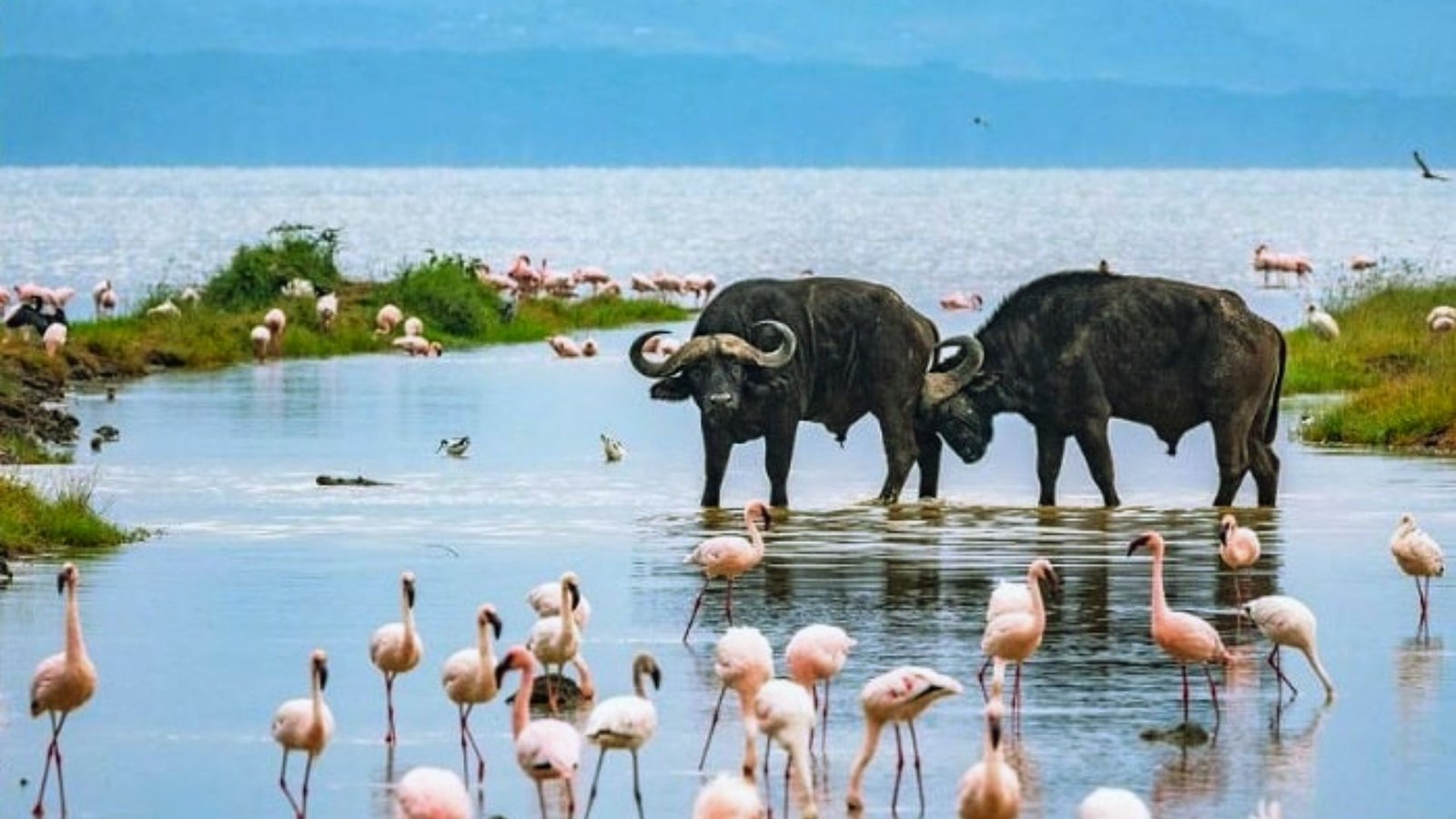
Lake Nakuru is Kenya’s rhino sanctuary. Both black and white rhinos live here. The lake attracts thousands of flamingos.
Over 450 bird species live here. Look for Rothschild giraffes, tree-climbing lions, and leopards. Baboons are everywhere. Keep windows up and food hidden.
The park is compact. You can drive the whole circuit in three hours.
Day 6: Lake Naivasha
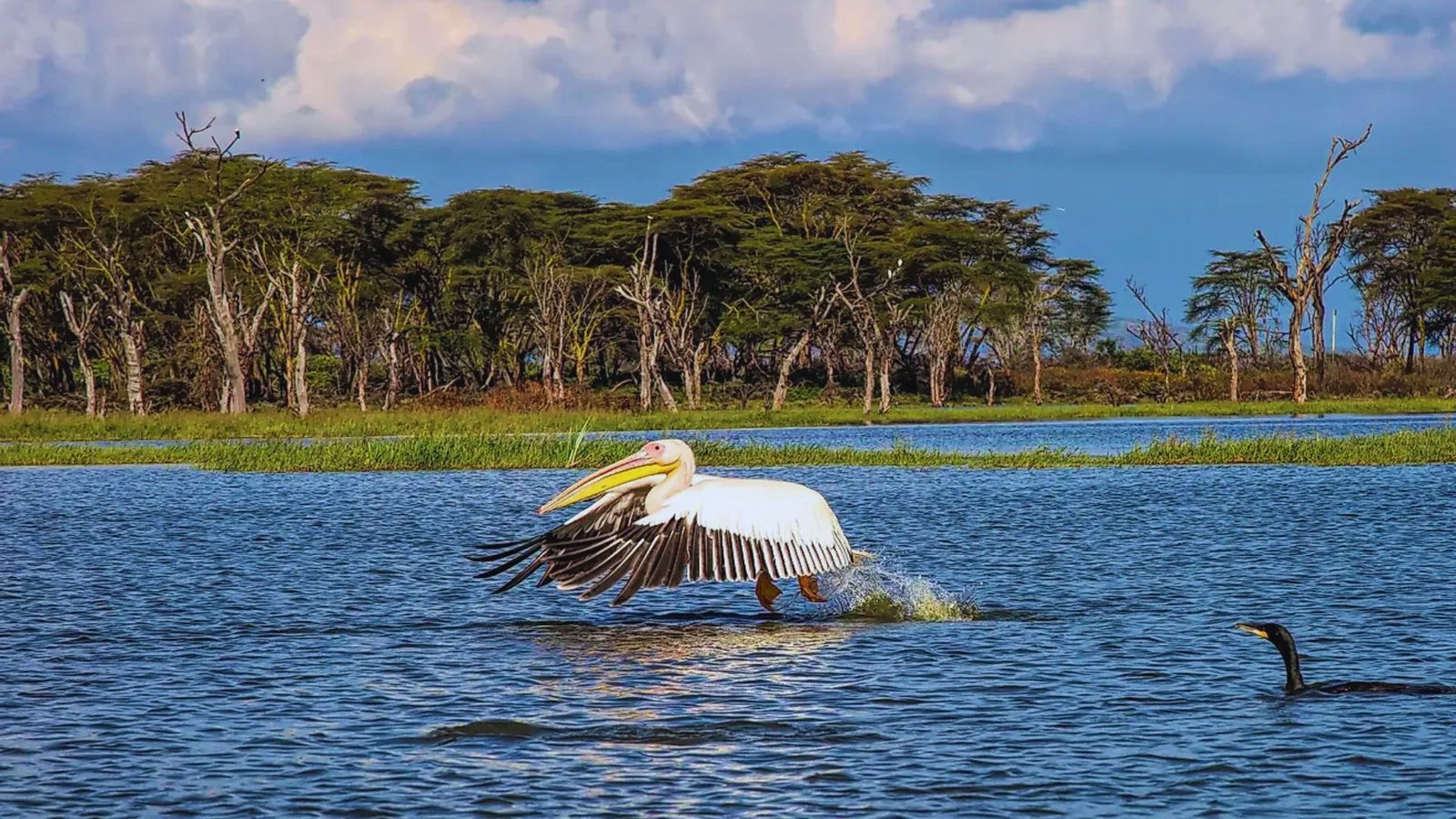
This freshwater lake sits in the Great Rift Valley. The boat safari feels peaceful after days in safari vehicles.
Hippos surface near boats. Fish eagles perch on trees. The boat ride lasts about an hour.
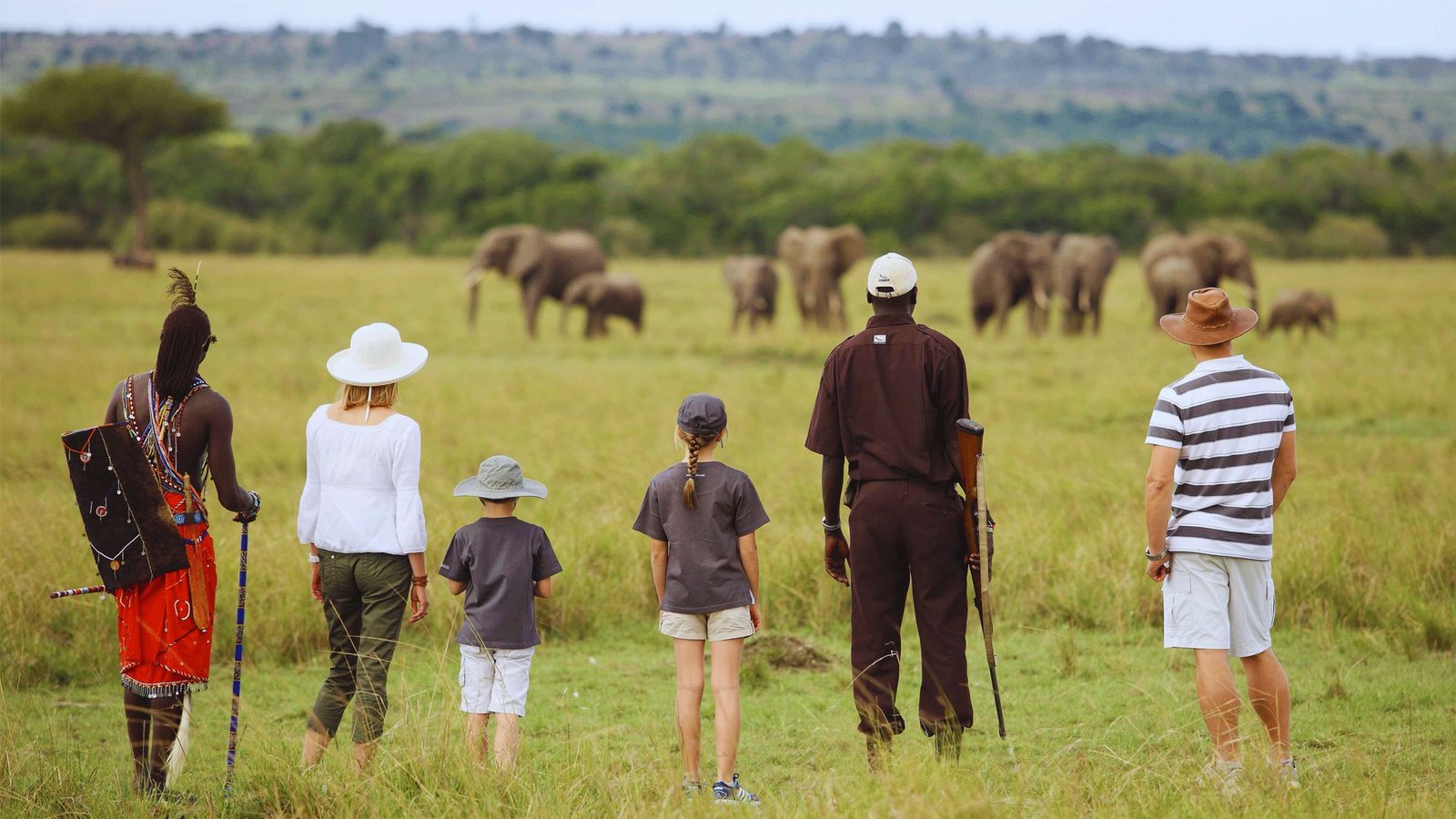
Crescent Island has no predators. You can walk freely among animals. Zebras graze a few feet away. It’s the only place in Kenya where you walk with wildlife without armed guards.
Budget 90 minutes for the walk.
Days 7-8: Amboseli National Park
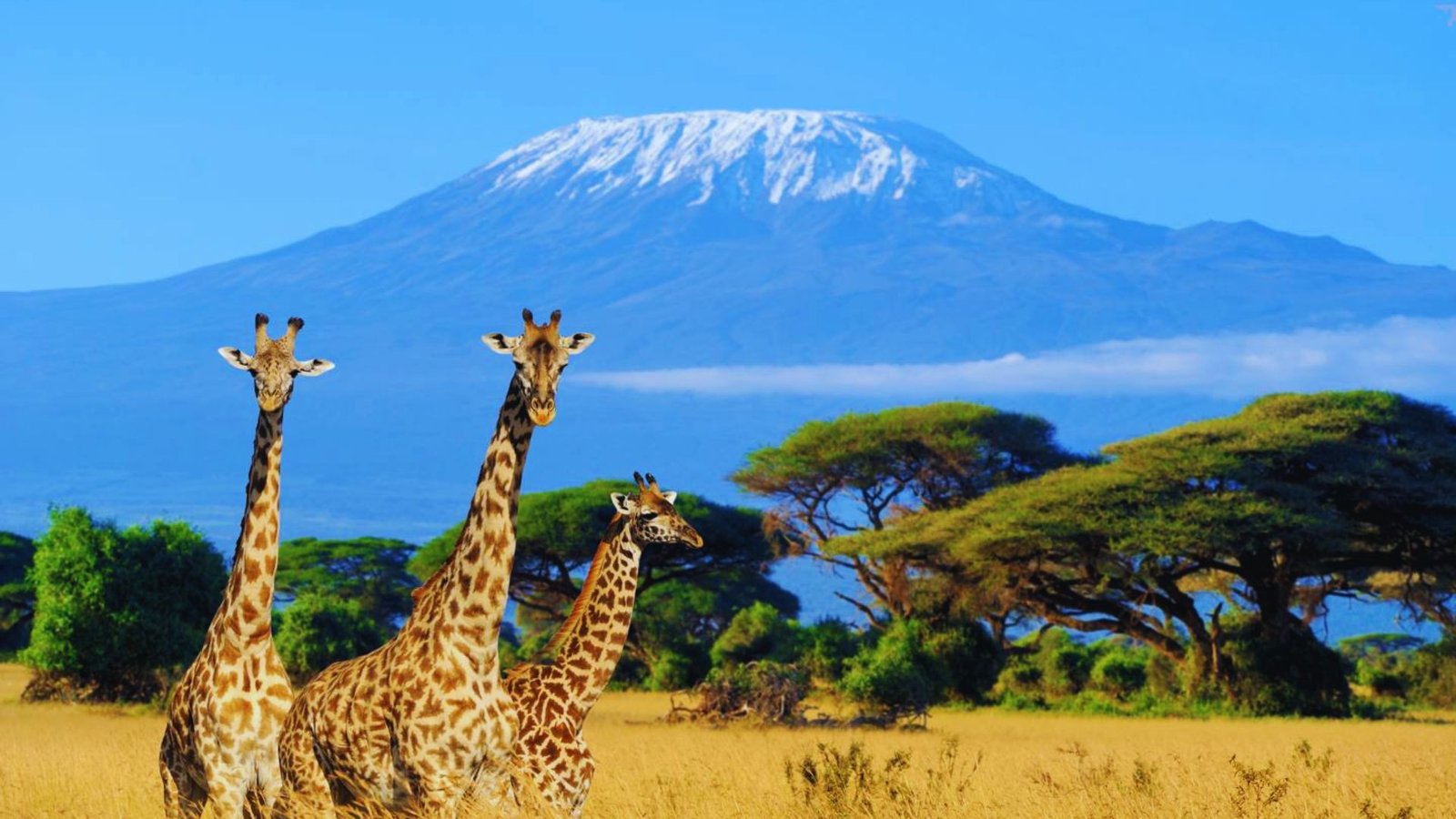
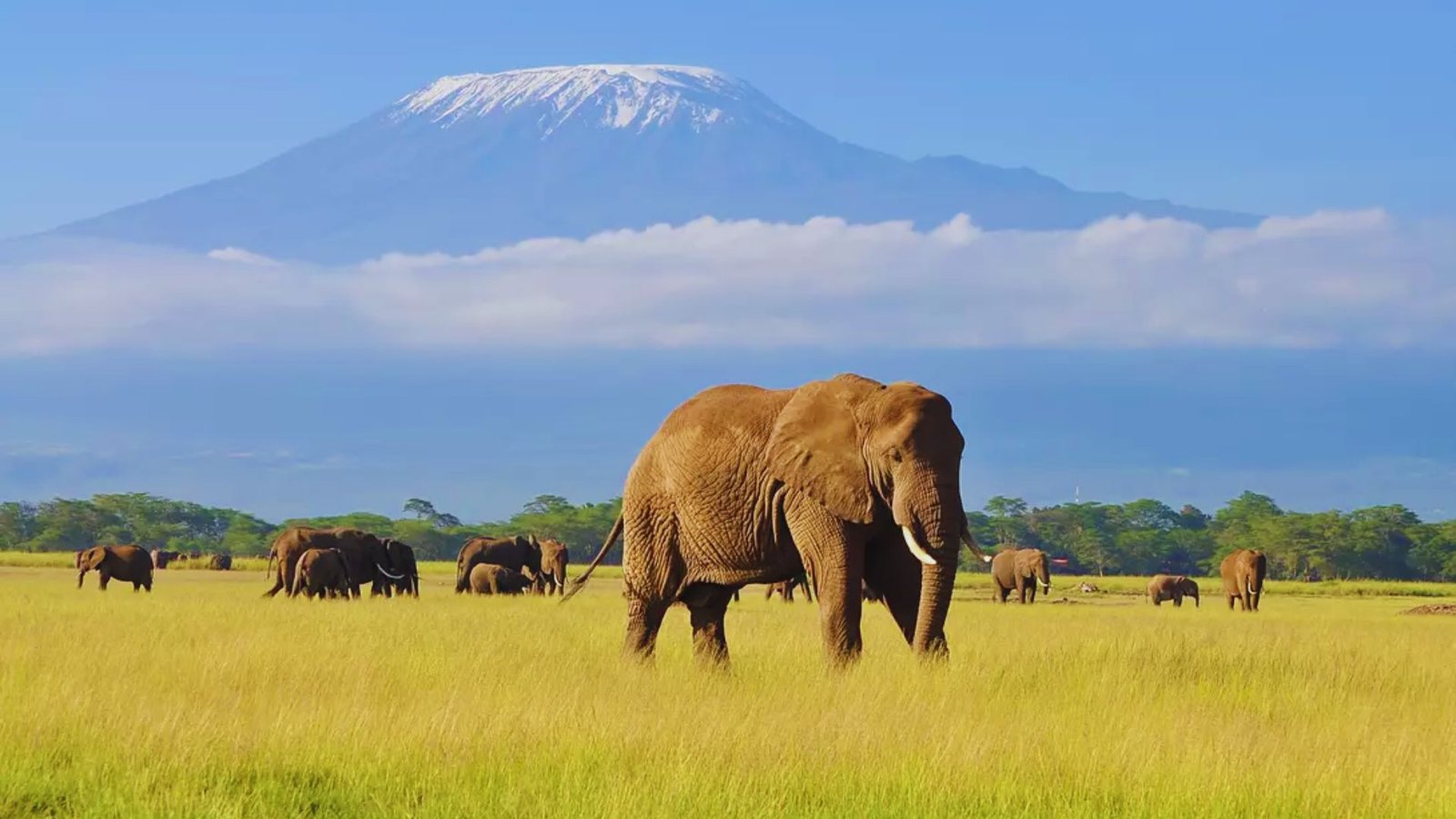
Amboseli is famous for large elephant herds and Mount Kilimanjaro views.
Elephants here are relaxed around vehicles. Mount Kilimanjaro rises behind the plains on clear mornings. Clouds usually roll in by mid-morning.
Wake up for sunrise drives. Kilimanjaro is visible before clouds form. Dust adds drama to afternoon shots.
Tortilis Camp offers luxury at $600-800 per person per night. Ol Tukai Lodge sits inside the park at $300-450 per person. Kibo Safari Camp provides budget-friendly tents under $200 per person.
Days 9-10: Diani Beach (Optional Add-On)
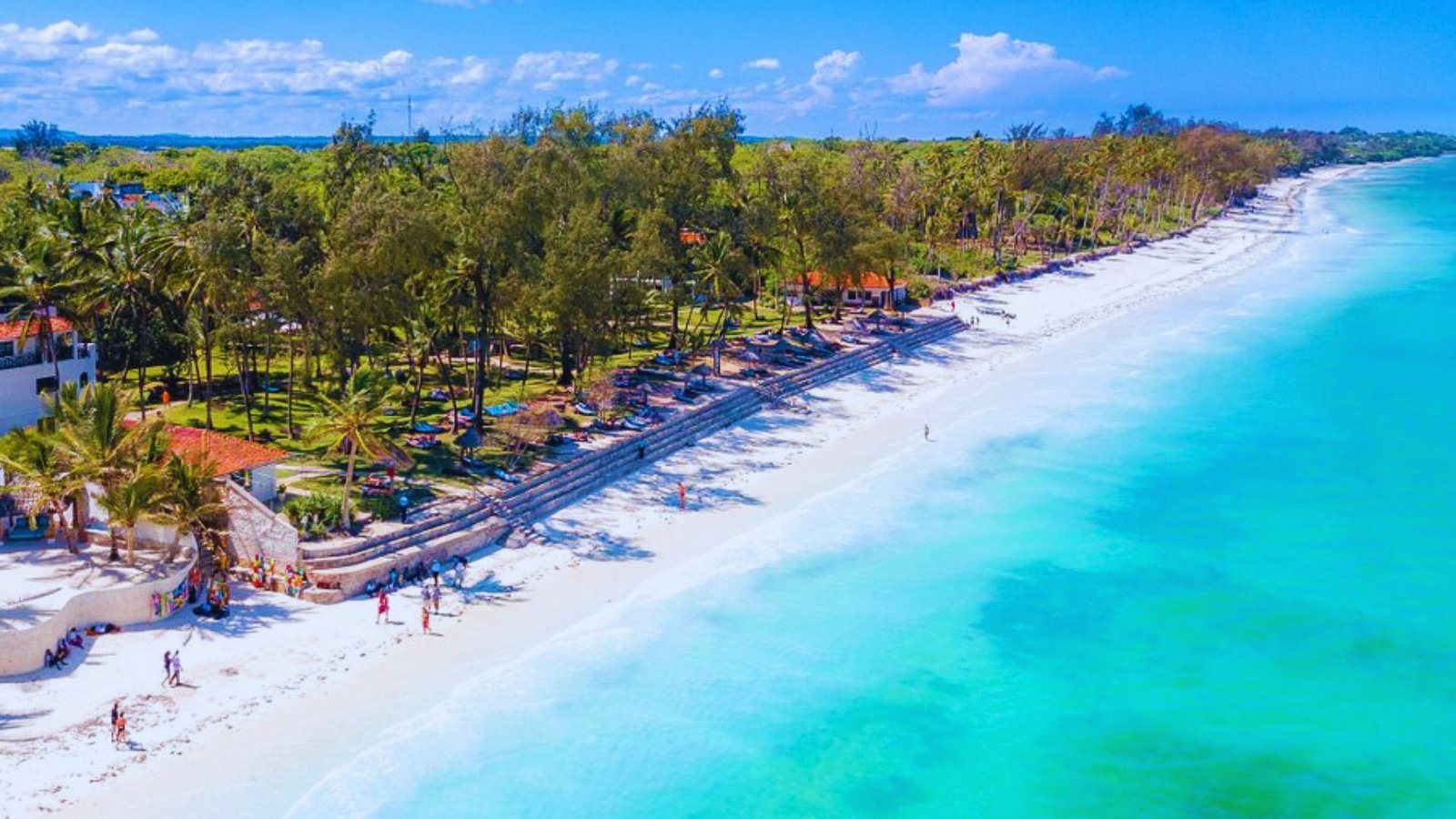
After eight days of early mornings and dusty roads, your body needs rest. Diani Beach provides that perfectly.
White sand stretches for miles. Turquoise water stays warm year-round.
Water activities include snorkeling, dhow sailing, and stand-up paddleboarding. Most people prefer lying on beach chairs. Reading books. Swimming. Napping.
Not everyone wants beach time. Add Samburu National Reserve in the north. Spend extra nights in Maasai Mara. Visit Tsavo East or West.
The choice depends on what you value most.
Where to Stay in Kenya for First-Time Visitors

Accommodation ranges from basic camps to ultra-luxury lodges.
Lodges are permanent buildings with solid walls and reliable electricity. They’re more stable in bad weather and better for families.
Tented camps use heavy canvas structures with real beds, bathrooms, and electricity. You hear wildlife sounds at night and feel more connected to the environment.
I prefer tented camps. Hearing lions roar while lying in bed is part of the safari experience.
National parks are government-protected areas with lower costs. Private conservancies limit vehicle numbers and allow walking safaris and night drives. Conservancies cost 30-50% more but offer exclusivity.
Most safari camps include all meals. Drinks are sometimes extra. Game drives with a guide come standard. You’ll share a vehicle with 4-6 other guests.
Most camps have armed guards at night. Stay in your tent after dark unless escorted by staff.
Tips to Plan Your First Kenya Safari
Safari planning gets easier when you know your options for tours, transport, and costs.
- Tour operators handle everything from accommodations to transfers and guides. For first-timers, use recommended operators like Gamewatchers Safaris, Basecamp Explorer, or Origins Safaris.
- Flying between parks takes 30-60 minutes versus 5-8 hours driving. Adds $200-400 per person per flight but saves significant time.
- Driving by road costs less and lets you travel in 4×4 safari vehicles. Better for budget travelers who don’t mind longer transit times.
- Game drives run twice daily with your safari guide. Morning drives start at sunrise, afternoon drives begin around 3:30 PM. Your guide spots animals you’d never see alone.
- Budget $70-80 per person per day for park fees. Add $10-15 per person daily for guide tips and $5-10 for camp staff.
What to Pack for a Kenya Safari
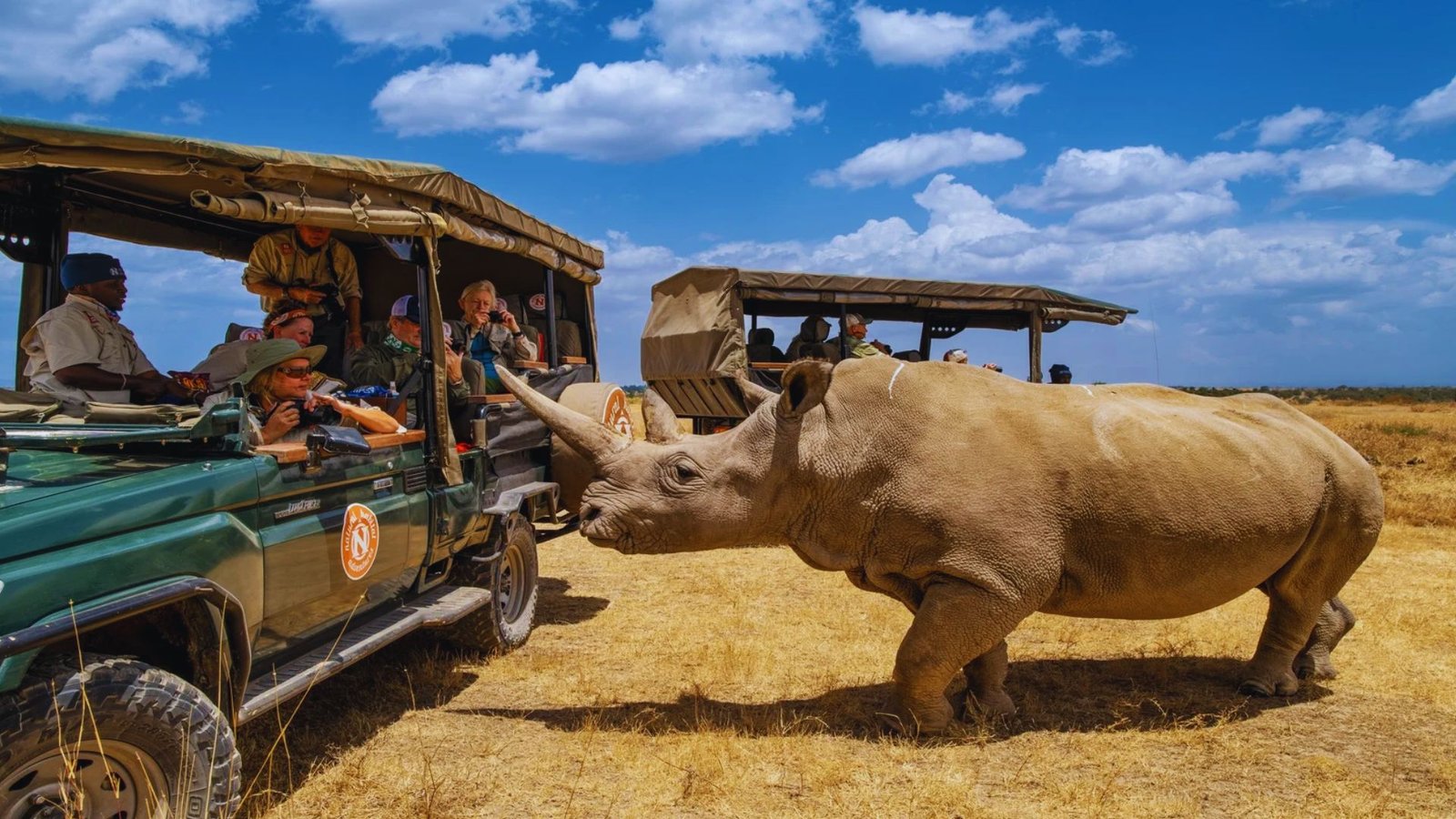
Wear neutral colors like khaki, olive, brown, and tan. Avoid bright colors.
Bring light long-sleeve shirts, fleece jackets, lightweight pants, a hat with brim, and comfortable closed-toe shoes. Pack 5-6 outfits for a 10-day trip. Most lodges offer laundry service.
A telephoto lens (300mm or longer) gets you closer to animals. Extra batteries and memory cards. Binoculars and external battery pack.
Passport needs six months validity. Visa costs $50 at evisa.go.ke. Apply at least one week before travel.
Travel insurance is non-negotiable. Get coverage that includes medical evacuation. Malaria prevention medication is recommended.
Sunscreen (SPF 30+) and insect repellent with DEET are must-haves.
Costs and Budget Tips for a First Kenya Trip
Budget safaris run $200-350 per person per day. Mid-range costs $350-600. Luxury ranges from $600-1,500+.
A 10-day safari for two costs:
Budget: $4,000-7,000, Mid-range: $7,000-12,000, Luxury: $12,000-30,000+
International flights add $800-1,500 per person.
Travel in shoulder season (April-May or November) cuts costs by 30-40%. Drive instead of fly between parks. Book 6-12 months ahead for best rates.
Is Kenya Worth It for First-Time Safari Travelers?
Wildlife density rivals anywhere on the continent. Accessibility is a major advantage. International flights connect directly to Nairobi.
You can see the Big Five, relax on beaches, and explore cultures in two weeks. Kenya costs less than Botswana or private South African reserves.
Start planning 6-12 months ahead. Use a local tour operator. Set realistic expectations. You might not see all Big Five.
Kenya delivers. The wildlife and experiences live up to expectations.
Conclusion
I still remember watching elephants cross a dusty Amboseli plain with Kilimanjaro rising behind them. That moment changed everything for me.
Planning your Kenya itinerary for first-time travelers feels big at first. But break it down. Choose your dates, pick 3-4 parks, find the right operator, and book ahead.
The planning effort pays off that first morning when you watch lions at sunrise.
Kenya works beautifully for first-timers. The infrastructure supports you. The wildlife shows up. The memories last forever.
What excites you most about Kenya? Drop a comment below and share your plans.
Frequently Asked Questions
How much does a 10-day Kenya safari cost?
Budget trips cost $4,000-7,000 per person. Mid-range runs $7,000-12,000. Luxury safaris range from $12,000-30,000+. This includes accommodation, meals, game drives, and park fees but not international flights.
What is the best month to visit Kenya?
June through October offers the best weather and wildlife viewing. January and February are excellent with fewer tourists. July to September brings the Great Migration but comes with peak prices.
Is Kenya safe for first-time travelers?
Yes, Kenya is safe for tourists who follow basic precautions. Safari areas are secure with professional guides. Stay in your vehicle during game drives and use hotel safes for valuables.
Do I need a visa for Kenya?
Yes, most visitors need a visa. Apply online at evisa.go.ke at least one week before travel. The electronic visa costs $50 and takes 2-3 days to process.
Can I see the Great Migration in Kenya?
Yes, the Great Migration reaches Maasai Mara from July through October. Wildebeest and zebras cross the Mara River during this time. August and September offer the best chances for river crossings.