






Is Venice worth visiting? Get honest insights on crowds, costs, and why this floating city creates unforgettable memories.
I’ve walked Venice’s narrow streets four times now, and people always ask me: Is it really worth the hype? I get it.
You’ve heard about the crowds, the high prices, and the sinking buildings. But you’ve also seen those dreamy photos of gondolas gliding through ancient canals.
So is Venice worth visiting? Let me give you the honest answer. This guide covers 17 real reasons why Venice deserves your time, what to expect when you arrive, the best times to go, and how many days you actually need.
I’ll share my personal experiences and help you decide if this floating city fits your travel style.
Is Venice Worth Visiting?
Yes, Venice is absolutely worth visiting, but with realistic expectations.
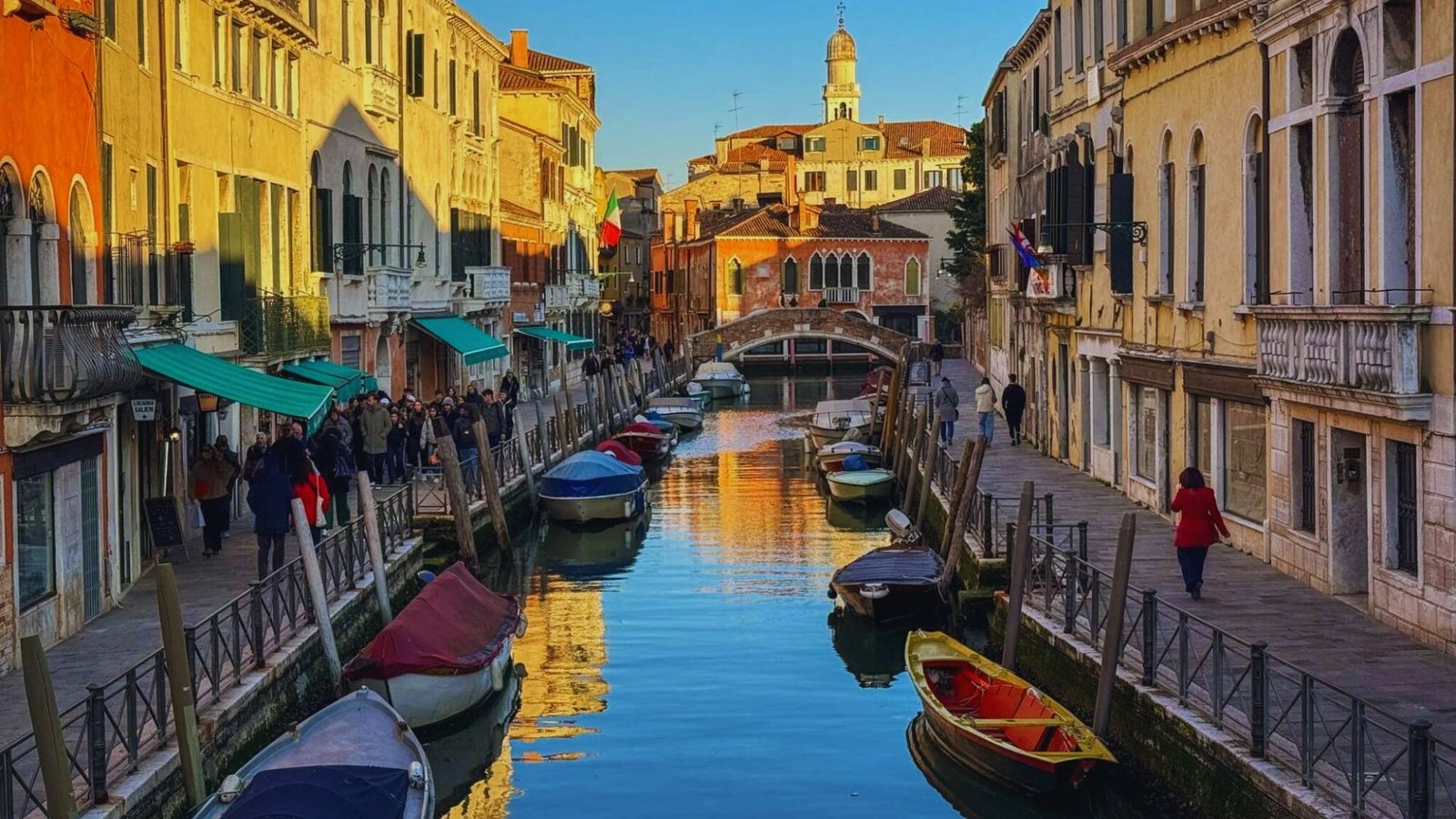
This city offers something you won’t find anywhere else: a living museum built entirely on water. No cars, no streets, just canals and bridges connecting centuries-old buildings.
Venice is perfect for history lovers, art fans, couples seeking romance, and photographers. It’s great for food enthusiasts who love fresh seafood.
Expect crowds during peak season, higher prices than mainland Italy, and lots of walking across bridges. You’ll deal with narrow passages and occasional flooding.
But you’ll experience a city frozen in time, where every corner reveals something remarkable.
17 Reasons Why Venice Is Worth Visiting
Venice delivers experiences you won’t find anywhere else on the planet.
- One of the Most Special Cities in the World: Venice sits on over 100 small islands connected by 400+ bridges. No roads exist, just canals and walkways. The entire city rises from water on wooden stakes driven into mud centuries ago.
- Gorgeous and Historic Architecture: Buildings blend Venetian Gothic, Byzantine, and Renaissance styles. Doge’s Palace features pink and white marble. St. Mark’s Basilica glows with gold mosaics. The Rialto Bridge has stood since 1591.
- Romantic Gondola Rides: About 400 traditional gondolas remain, each steered by licensed gondoliers. Rides cost €80-100 for 30 minutes. Share the cost with other travelers to save money while experiencing centuries of tradition.
- Rich and Powerful History: Venice ruled as “La Serenissima” for over 1,000 years. Venetian merchants controlled trade routes between Europe and Asia. This maritime empire’s wealth funded the art and architecture that defines the city today.
- World-Class Museums and Landmarks: Doge’s Palace features secret passages and the Bridge of Sighs. The Correr Museum covers Venetian history. Accademia Galleries house Renaissance masterpieces. The Naval Museum shows Venice’s sea power.
- Incredible Italian and Venetian Cuisine: Fresh Adriatic seafood dominates menus. Try sarde in saor, black squid ink risotto, and fritto misto. The cicchetti culture at bacari rivals Spanish tapas with small plates and local wine.
- Famous Art and Cultural Scene: The Venice Biennale brings contemporary art every two years. The Peggy Guggenheim Collection displays modern art. Tintoretto, Titian, and Veronese masterpieces hang in their original Venetian buildings.
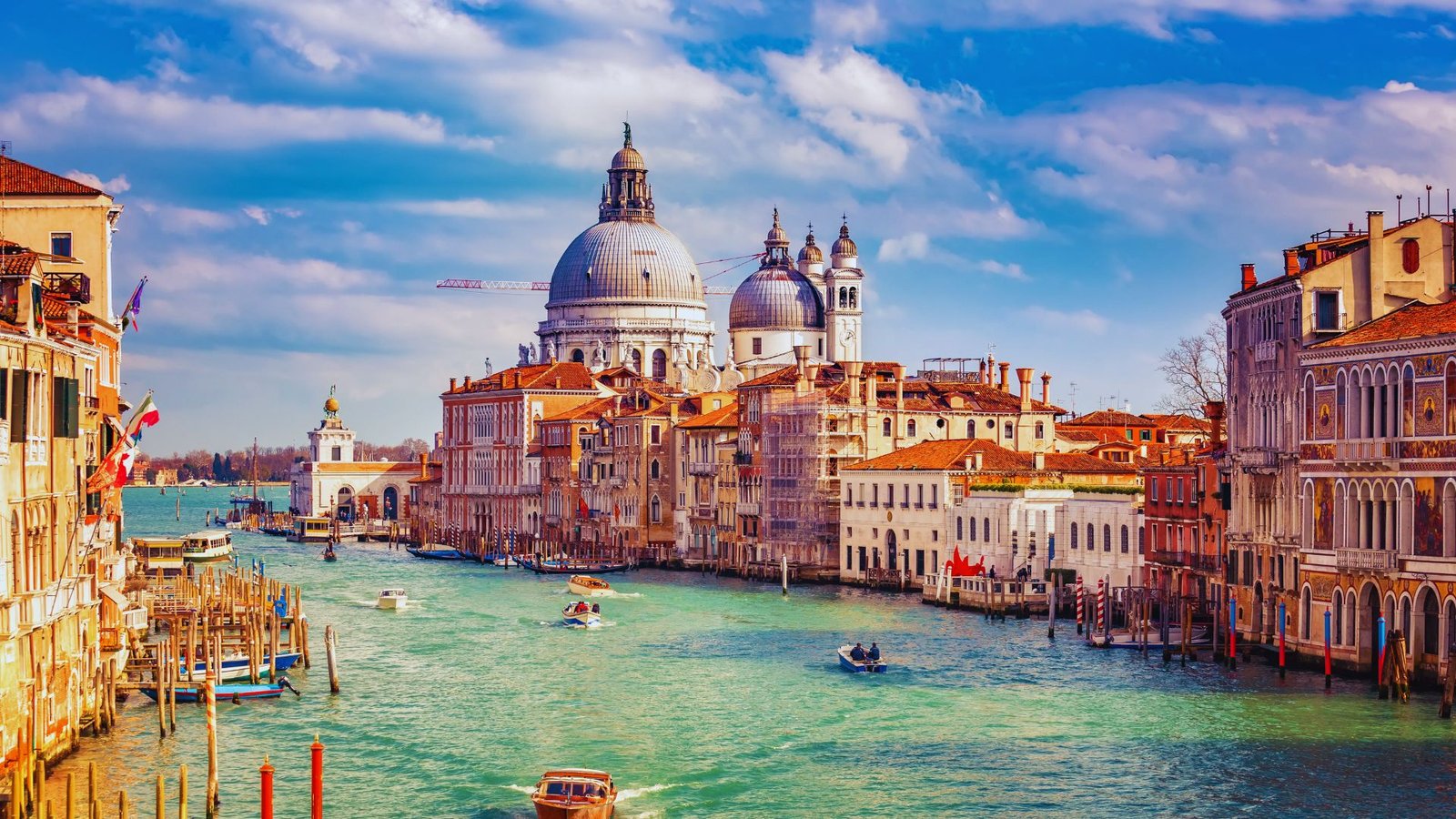
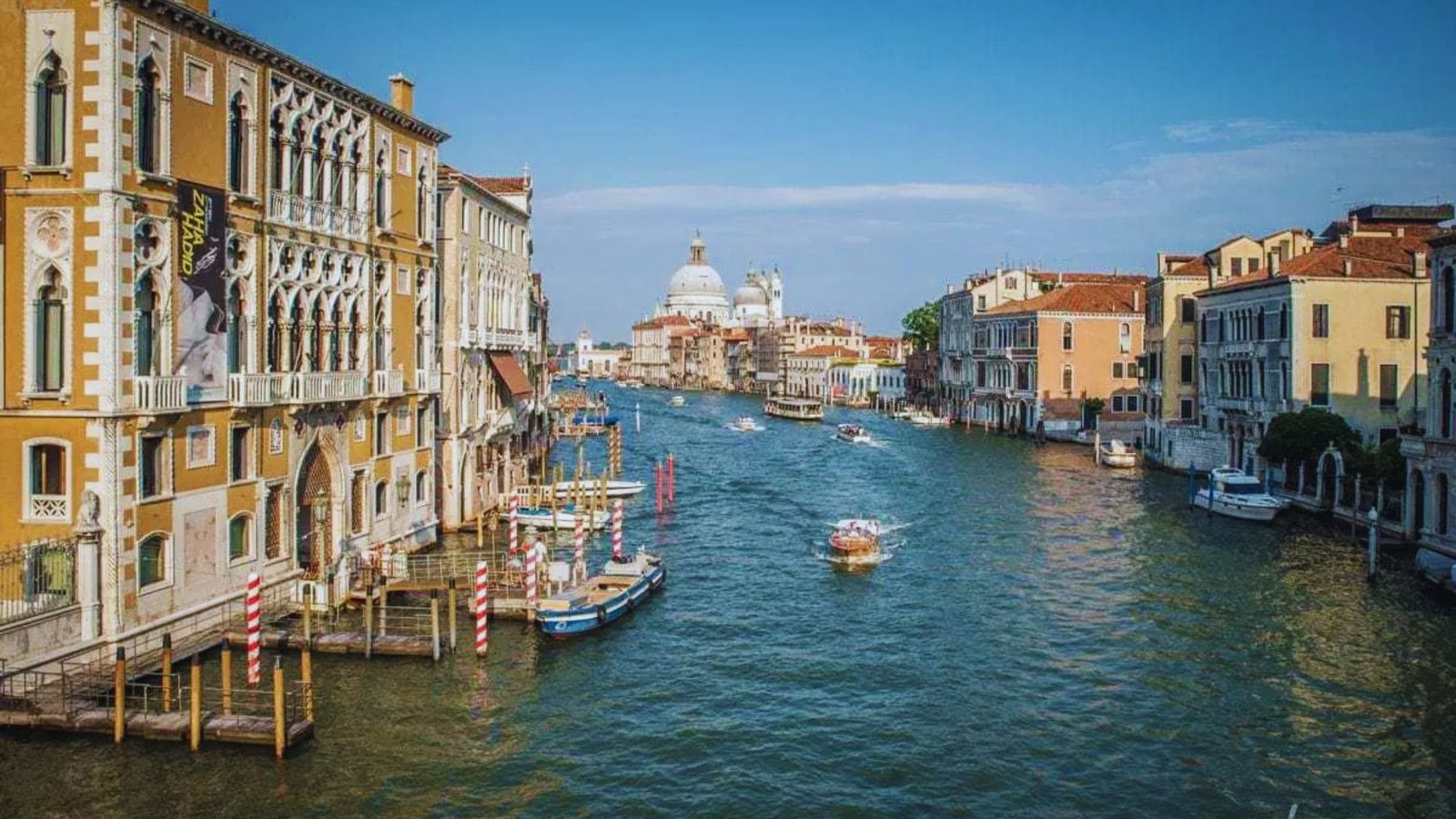
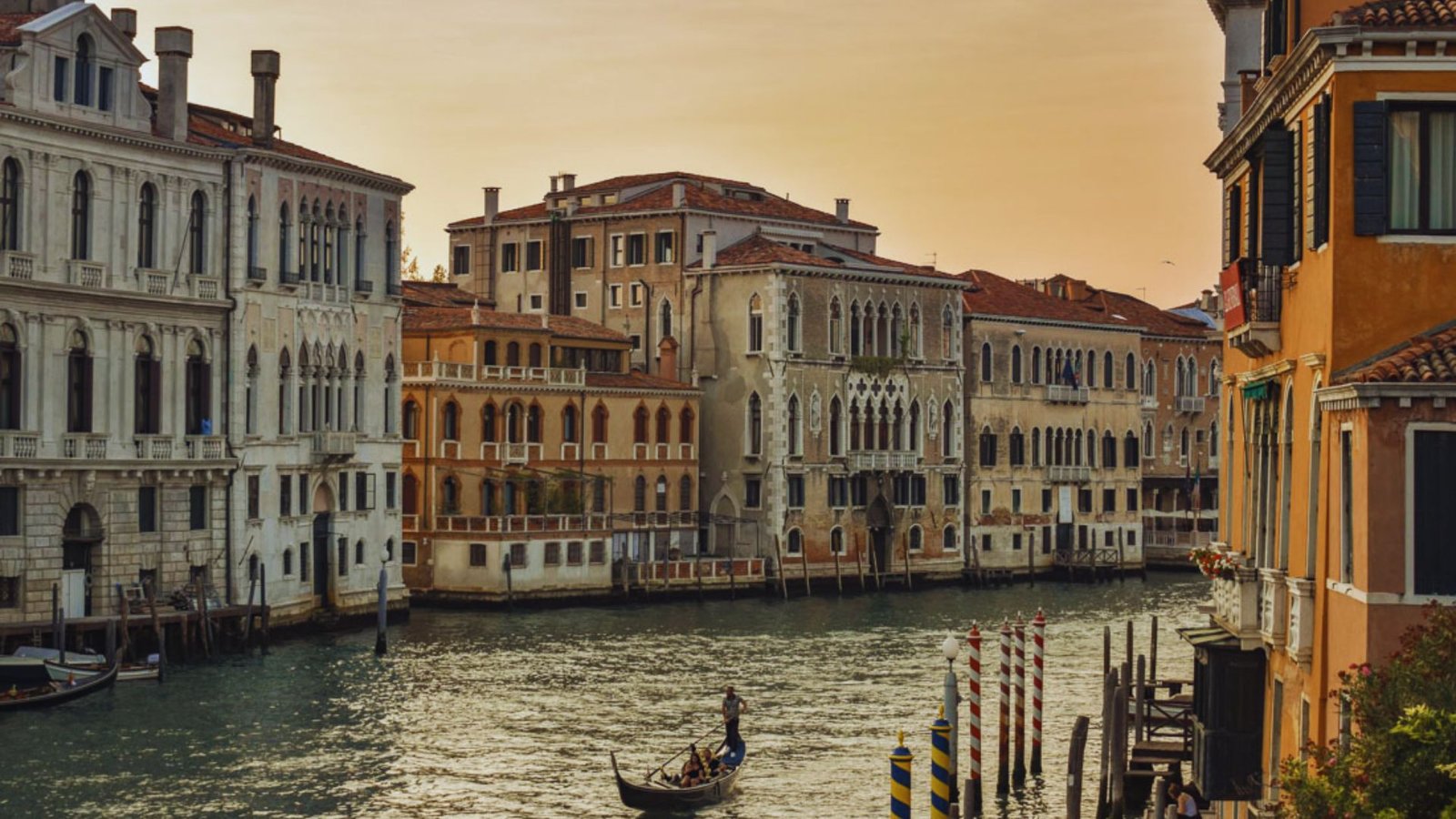
- Iconic Canals and Waterways: The Grand Canal stretches 2.5 miles through Venice. Palaces line both sides. Delivery boats, ambulances, and garbage collection all happen on water. The canals serve as both highway and public square.
- Easy Island Hopping from Venice: Murano sits 10 minutes away. Watch glass-makers blow intricate sculptures. Burano takes 40 minutes. Fishermen painted houses bright colors to spot home through fog. Both offer quieter alternatives.
- St. Mark’s Square and Its Landmarks: Napoleon called this “the finest drawing room in Europe.” St. Mark’s Basilica features Byzantine domes and gold mosaics. The Campanile rises 323 feet. Caffè Florian has served coffee since 1720.
- Special Shopping Experiences: Traditional Venetian masks are handmade and painted. Murano glass ranges from jewelry to chandeliers. Look for the “Vetro Artistico Murano” trademark. Small artisan workshops sell handmade paper and leather goods.
- Vibrant Festivals and Events: Venice Carnival fills streets with costumes and masks each February. The tradition dates to 1162. The Venice Film Festival happens in September. Regatta Storica features historic boats racing the Grand Canal.
- Affordable Sightseeing by Vaporetto: A 24-hour vaporetto pass costs €25. The slow boat down the Grand Canal rivals gondola rides for views. You’ll pass under Rialto Bridge and see marble palaces at a fraction of gondola prices.
- Unforgettable Venetian Sunsets: Sunset from Rialto Bridge turns the Grand Canal golden. The Zattere promenade offers views across to Giudecca island. Watch from a vaporetto as the sun silhouettes domes and bell towers.
- Classical Music and Opera Traditions: Teatro La Fenice remains one of Italy’s top opera houses. Churches host classical concerts almost every evening. Vivaldi composed “The Four Seasons” here. Check posted schedules for affordable concerts.
- Wine Tasting and Veneto Wines: The Veneto region produces Prosecco, Amarone, Valpolicella, and Soave. Wine bars pour local bottles by the glass. Many bacari offer wine flights to sample several regional varieties.
- The Lido – A Quieter Side of Venice: This barrier island has sandy beaches and bike-friendly streets. The Venice Film Festival takes over each September. The rest of the year offers a peaceful escape just 10 minutes away.
Things to Know Before Visiting Venice
These realities will help you plan better and avoid common frustrations.
Crowds and overtourism: Venice gets 30 million visitors yearly in a city of 50,000 residents. St. Mark’s Square and Rialto Bridge get shoulder-to-shoulder packed during peak season. Get up early and wander backstreets to avoid crowds.
Higher costs: Restaurants, hotels, and attractions cost more than Rome or Florence. Simple sandwiches run €8-12. Budget hotels start around €150 per night. You’re paying for operating in a car-free island city.
Accessibility and flooding: Bridges have stairs with no ramps. “Acqua alta” floods low-lying areas from October to March. Sometimes water covers St. Mark’s Square knee-deep. Check flood forecasts before your trip.
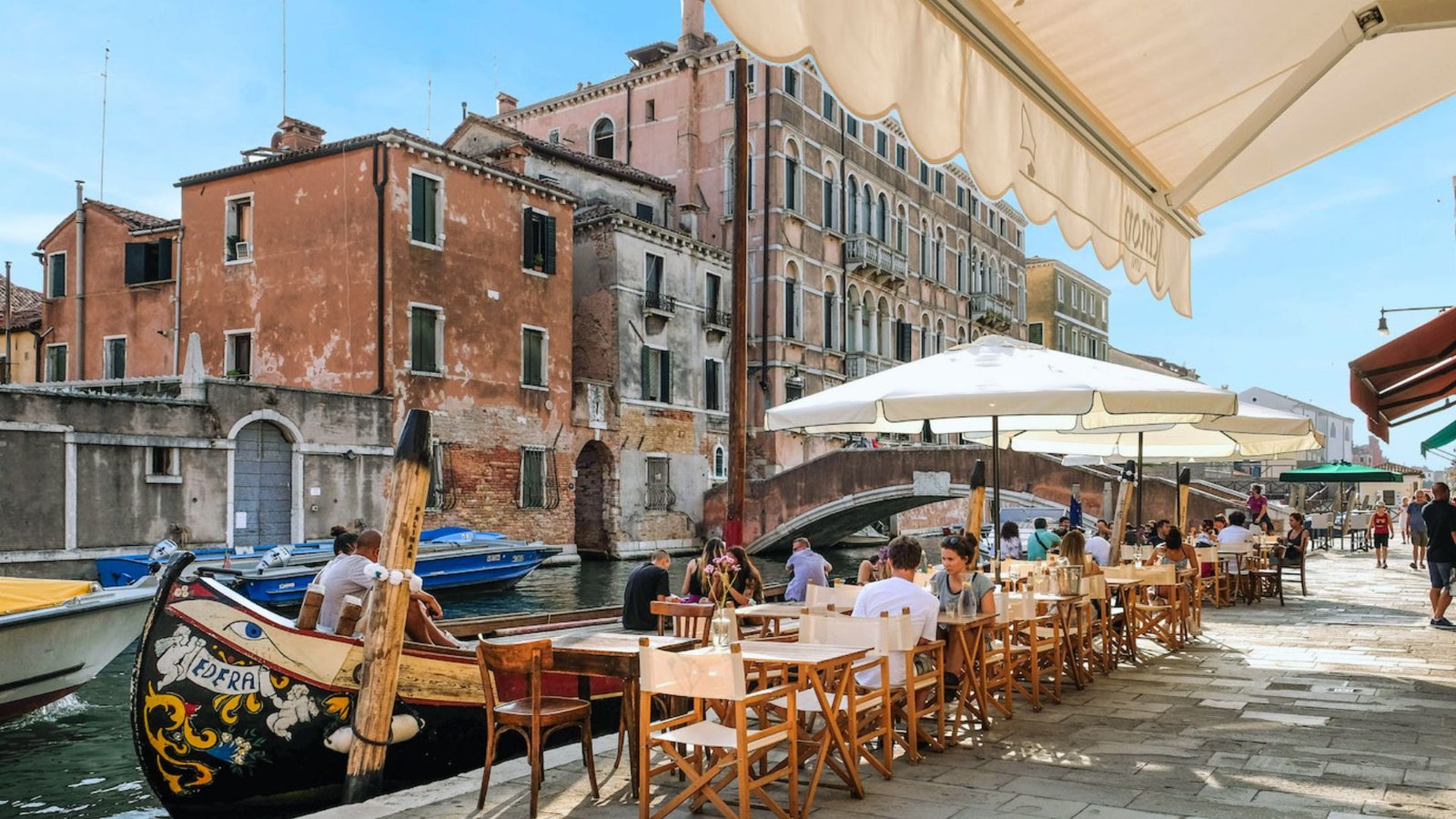
Avoiding tourist traps: Restaurants near landmarks charge double for mediocre food. Walk 10 minutes away to find where locals eat. Avoid places with photo menus or aggressive hosts.
How Many Days in Venice Are Enough?
One day covers the highlights but feels rushed. You’ll see St. Mark’s Square and take a gondola ride, but miss the quieter side of Venice.
Two to three days is ideal. You have time for major landmarks, island visits, and wandering backstreets without sprinting around.
Four or more days of work for art lovers or those wanting a slower pace. I’ve spent five days here and still found new corners each time.
Day 1: Classic Venice Highlights
Start early at St. Mark’s Square. Tour the Basilica (free) and climb the Campanile (€10). Visit Doge’s Palace including the Bridge of Sighs.
Lunch at a bacaro near Rialto Market. Try cicchetti and local wine. Cross the Rialto Bridge and wander San Polo neighborhood.
Watch the sunset from the bridge. Dinner at a local trattoria. End with an evening vaporetto ride down the Grand Canal.
Day 2: Art, Islands, and Local Life
Morning vaporetto to Murano for glass-blowing demonstrations. Continue to Burano for lunch among colorful houses.
Return to visit Accademia Galleries or Peggy Guggenheim Collection. Wander Dorsoduro neighborhood in the late afternoon.
Sunset at Zattere promenade. Aperitivo at a waterfront bar.
Day 3: Hidden Venice and Cultural Depth
Morning in the Cannaregio neighborhood. Visit the Jewish Ghetto, synagogues, and Jewish Museum.
Lunch at a local osteria. Afternoon at Teatro La Fenice or Correr Museum.
Late afternoon vaporetto to the Lido. Bike to the beach or walk the waterfront. Final dinner at your favorite bacaro with Veneto wine.
Conclusion
Venice isn’t perfect. The crowds can frustrate you. The prices might shock you. But this floating city offers something no other place on Earth can match. I’ve returned four times because each visit reveals new layers I missed before.
The quiet canals at sunrise, the taste of fresh seafood at a neighborhood bacaro, the way light bounces off water onto ancient buildings. These moments justify every hassle.
Is Venice worth visiting? For me, absolutely yes. Go with realistic expectations and an open mind, and Venice will reward you with memories that last forever.
Frequently Asked Questions
Is Venice expensive to visit?
Yes, Venice costs more than most Italian cities. Budget around €150-200 daily for mid-range travel. Staying in Mestre and eating at bacari instead of tourist restaurants helps cut costs.
How many days should I spend in Venice?
Two to three days is ideal. One day covers the highlights but feels rushed. Four or more days lets you slow down and see quieter neighborhoods beyond the main tourist areas.
What is the best month to visit Venice?
April, May, September, and October offer good weather with fewer crowds. Avoid July and August when it’s hot and packed. Winter has low prices but brings cold weather and flooding risks.
Is Venice really sinking?
Yes, Venice sinks about 1-2 millimeters yearly. The MOSE flood barrier now protects against high tides. Ongoing engineering projects work to preserve the city for future generations.
Can you walk everywhere in Venice?
Yes, Venice is completely walkable. You’ll climb many bridge stairs. Vaporetti (water buses) help for longer trips or when your legs get tired. Wear comfortable walking shoes.