


Planning a camping trip to Hunting Island State Park? I’ve got you covered. This guide walks you through campsite types, booking steps, pet rules, and what to expect during your stay.
I’ve researched official park information and firsthand camper experiences to give you accurate, practical details.
Whether you need an RV hookup or a quiet tent site, this article answers your questions.
Let’s help you plan a great coastal camping trip.
Overview of Hunting Island State Park Camping
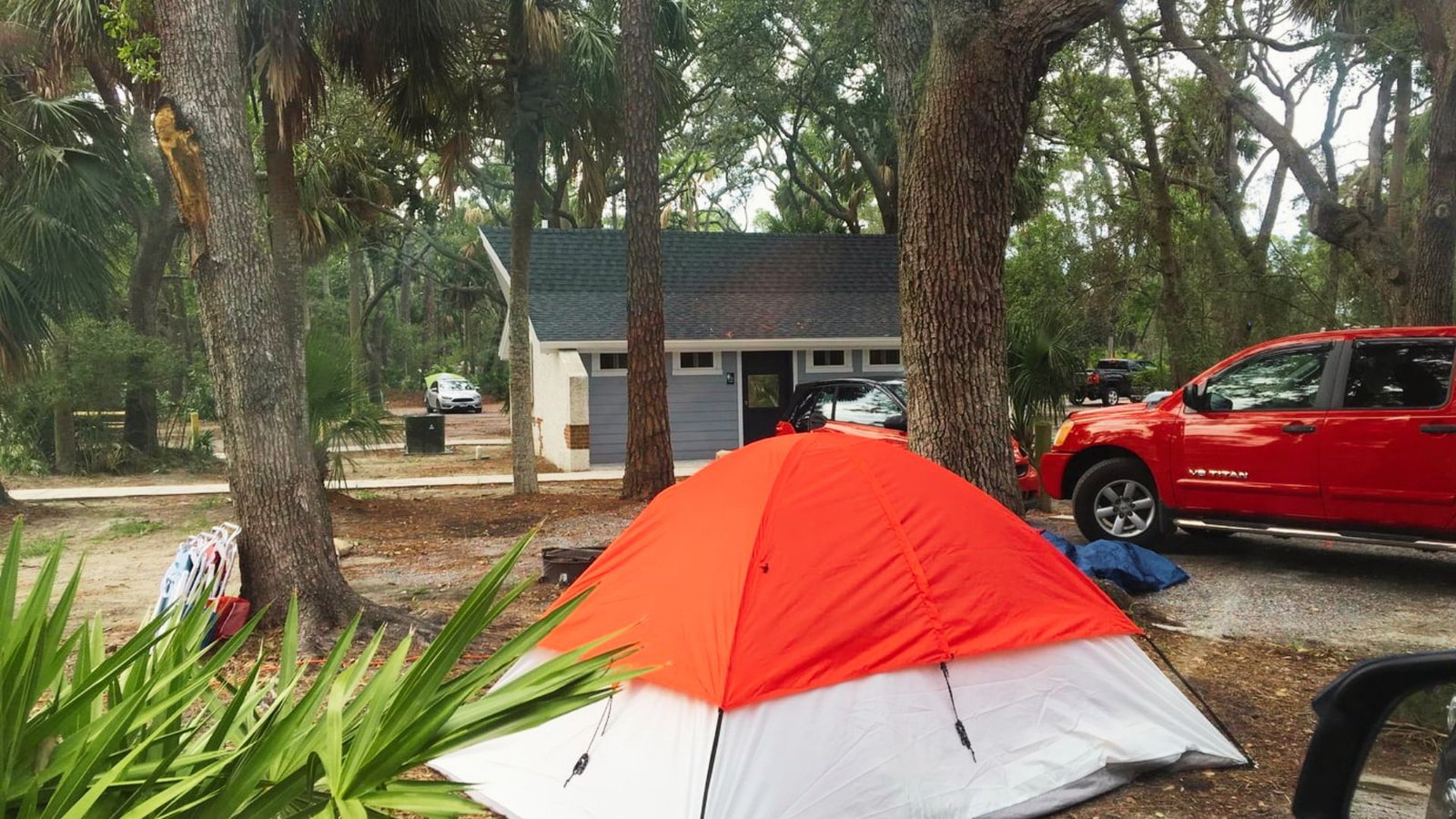
Hunting Island offers coastal camping with full facilities, beach access, and forest trails for tent and RV campers.
Hunting Island State Park sits on South Carolina’s Atlantic coast, 16 miles east of Beaufort, covering over 5,000 acres of maritime forest, salt marsh, and sandy beaches.
Many campsites offer a short walk to the shore.
The campground accommodates tent and RV campers. RV sites include paved pads with water and electric connections for rigs up to 40 feet.
Tent campers can choose standard sites or walk-in areas for more privacy.
Camping Options at Hunting Island State Park
Choose from RV sites with hookups, standard tent spots, walk-in areas, or rustic zones based on your comfort needs.
RV and Tent Campsites
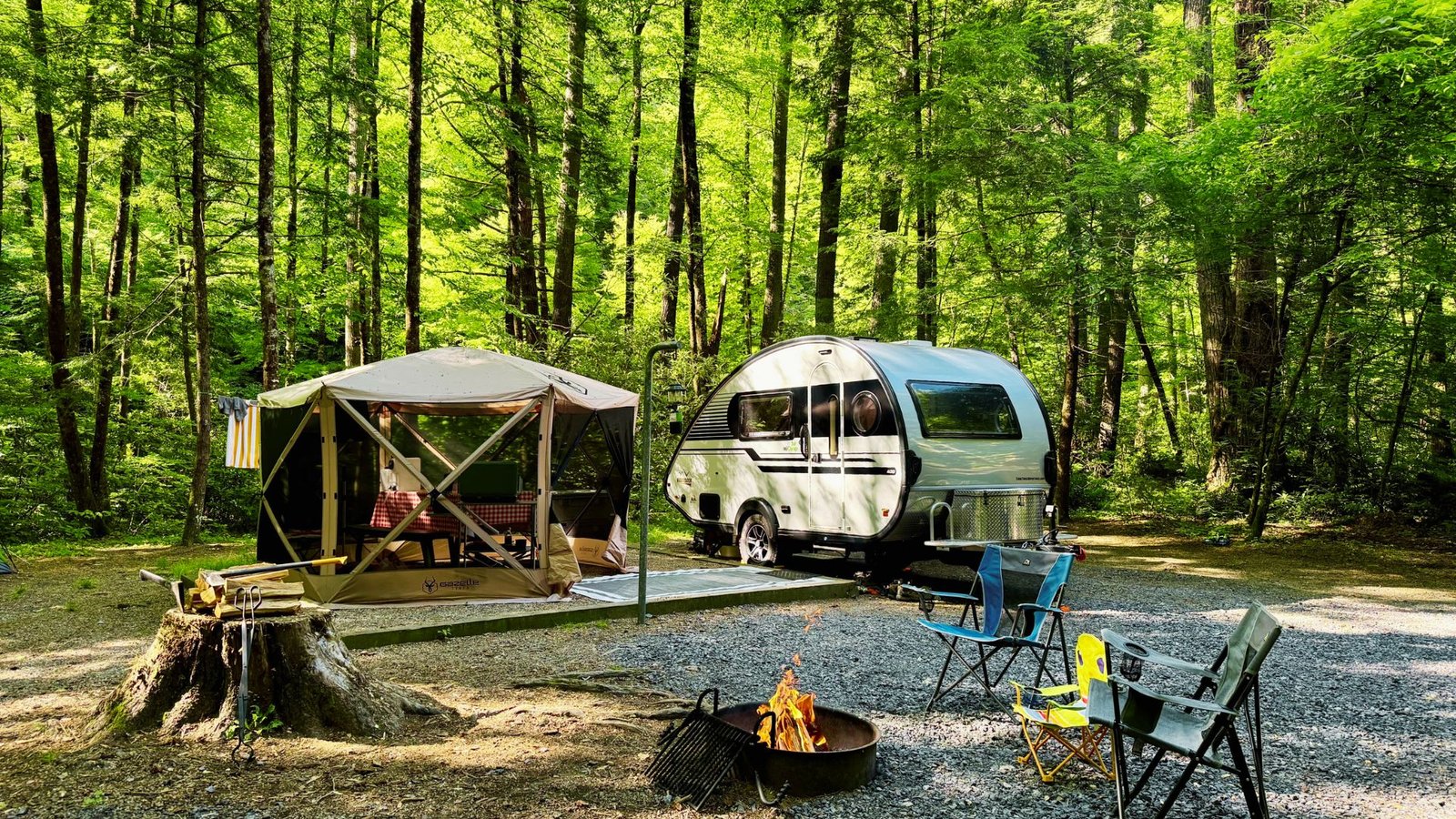
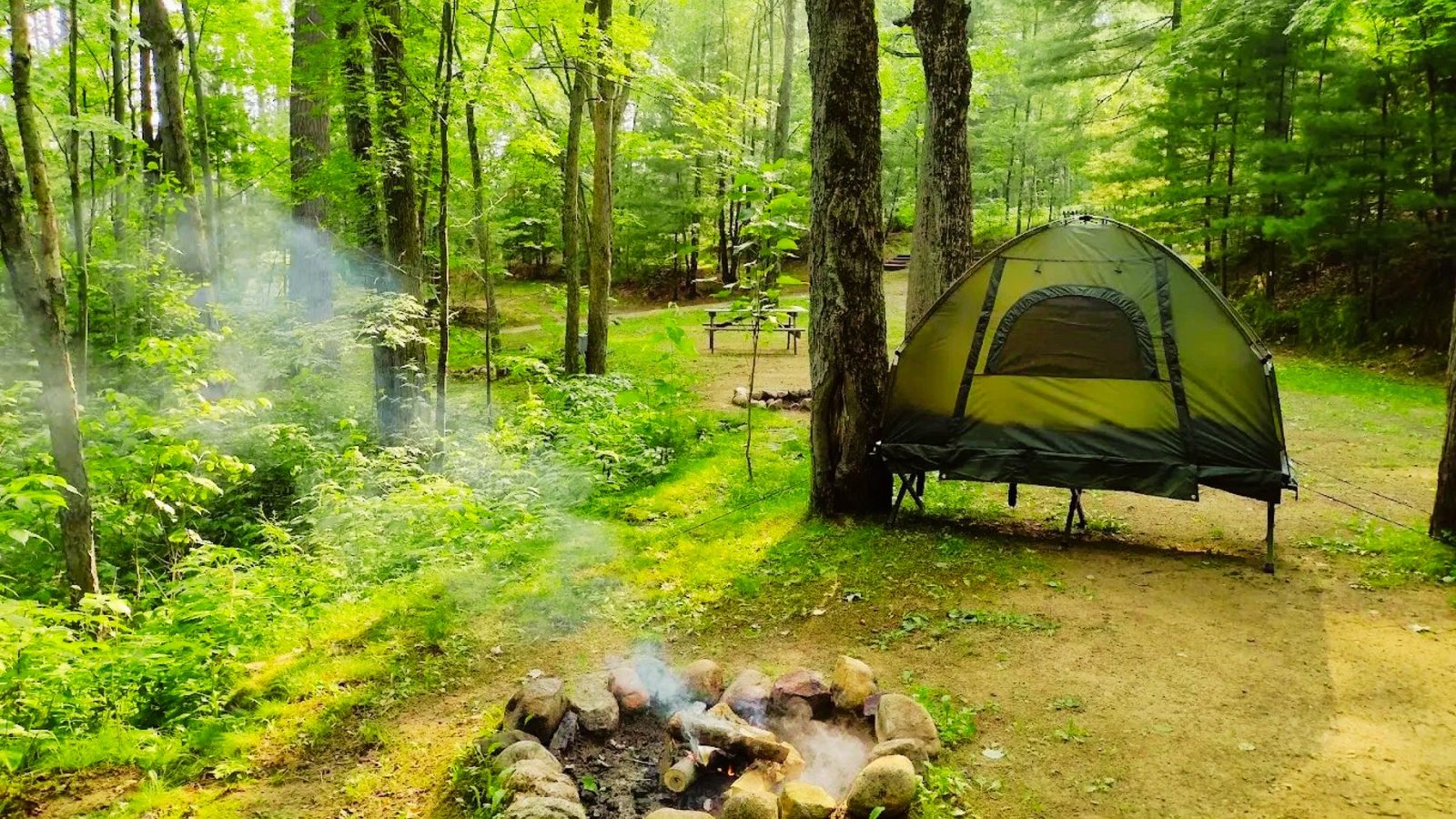
The main campground has 100 sites with full hookup and standard camping areas. Most include a picnic table and fire ring.
Full hookup sites provide water and 50 amp electric service for RVs. Standard sites have electricity only, requiring water tank fills at the dump station.
These cost less and work for smaller campers or tents. Sites vary in shade and privacy. Check the campground map when booking.
Walk In Tent Sites
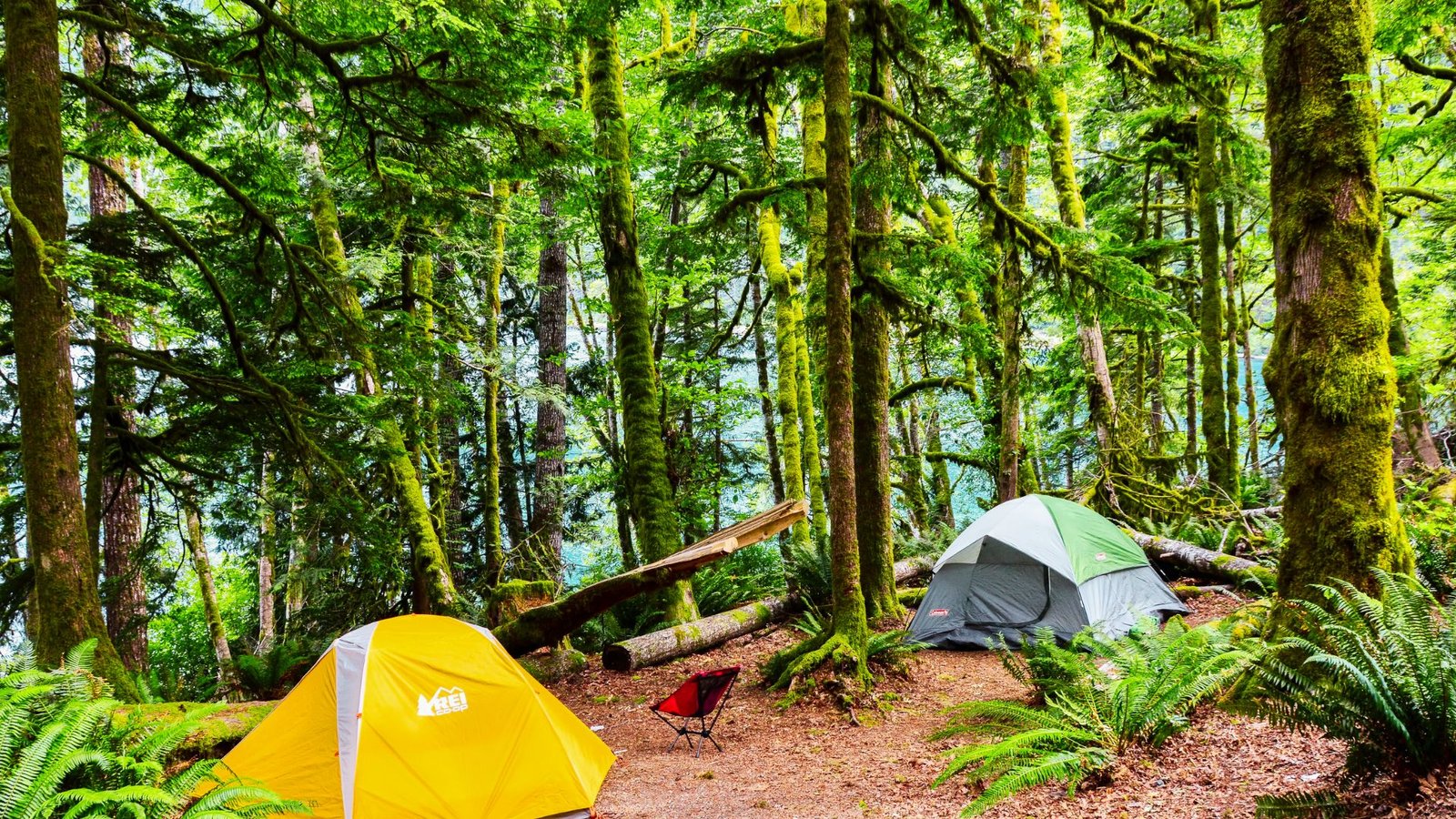
Walk in sites require carrying your gear about 50 to 100 yards from the parking area. These spots offer more peace and quiet than the main campground.
Only tents are allowed. Sites have gravel tent pads, picnic tables, and fire rings.
Bathhouses are shared with the main campground, about a five-minute walk away. These sites fill up fast during summer weekends, so book early.
Rustic Tent Camping Areas

Rustic sites sit farther from amenities with a cleared spot for your tent and fire ring. No electric or water hookup at the site.
Water spigots are at central locations. Restrooms and showers are accessible but not next to your site.
Rustic camping costs less and offers more space between sites with better wildlife viewing. Bring all your supplies.
Maximum RV Length and Site Accessibility

The park accepts RVs up to 40 feet long. Check your reservation to confirm site dimensions. Pull through sites are limited.
Most are back in sites requiring careful maneuvering. Roads are paved and wide enough for large vehicles.
Fifth wheels, travel trailers, and motorhomes all fit. Sites are relatively level, though you might need leveling blocks.
Campground Facilities and Amenities
The campground provides water and electric hookups, clean bathhouses, a small camp store, and well maintained roads and sites.
Water and Electrical Hookups
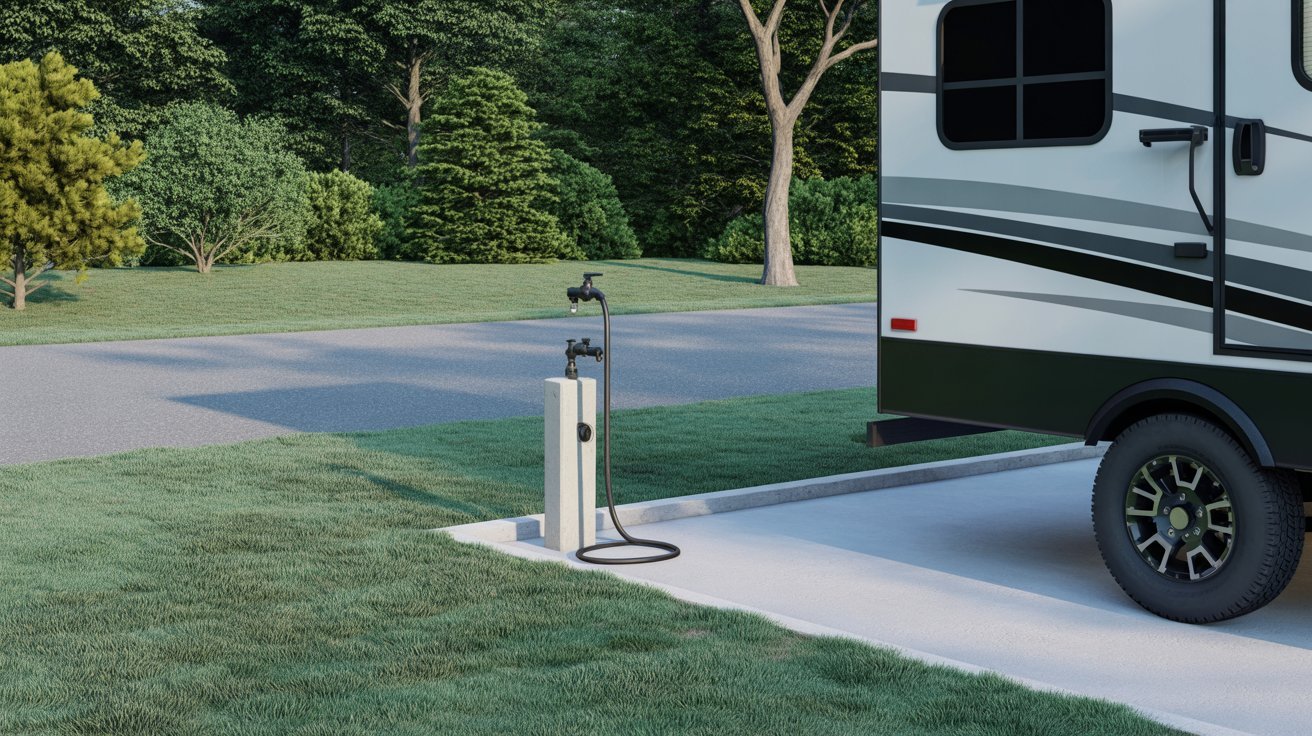
Full hookup sites include water and 50 amp electric service. Connections are in good condition and clearly marked at the back of each site.
Bring your own hoses and power cords. A 25 foot water hose and 30 foot power cord work for most sites. The 50 amp option handles air conditioners and appliances.
Some sites offer 30 amp service instead. Water pressure is steady and safe to drink.
Bathhouses and Restroom Facilities
Two bathhouse buildings serve the campground with flush toilets, sinks, and hot showers. Facilities are cleaned daily during peak season.
Showers have private stalls. Hot water is usually available, though it can run low during busy mornings.
Restrooms are accessible 24 hours and well lit. Bathhouses are centrally located within a five-minute walk of any site.
Camp Store and Supplies
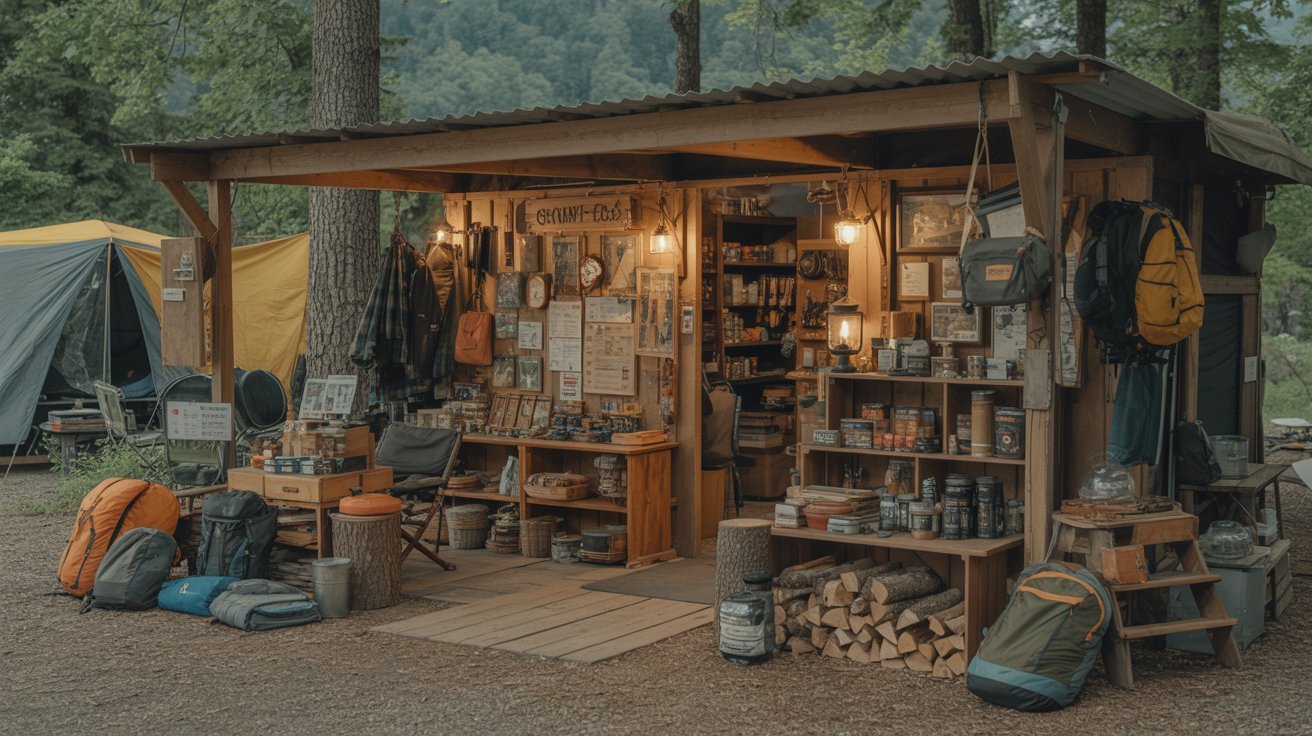
A small camp store near the campground entrance stocks basics like firewood, ice, charcoal, and s’more supplies. Hours vary by season.
The store carries snacks, drinks, and camping supplies, not full groceries. Bring most food from home or shop in Beaufort before arriving.
The store sells souvenirs and beach items like sunscreen and bug spray. Firewood bundles are reasonably priced.
Paved Roads and Packed Soil Campsites
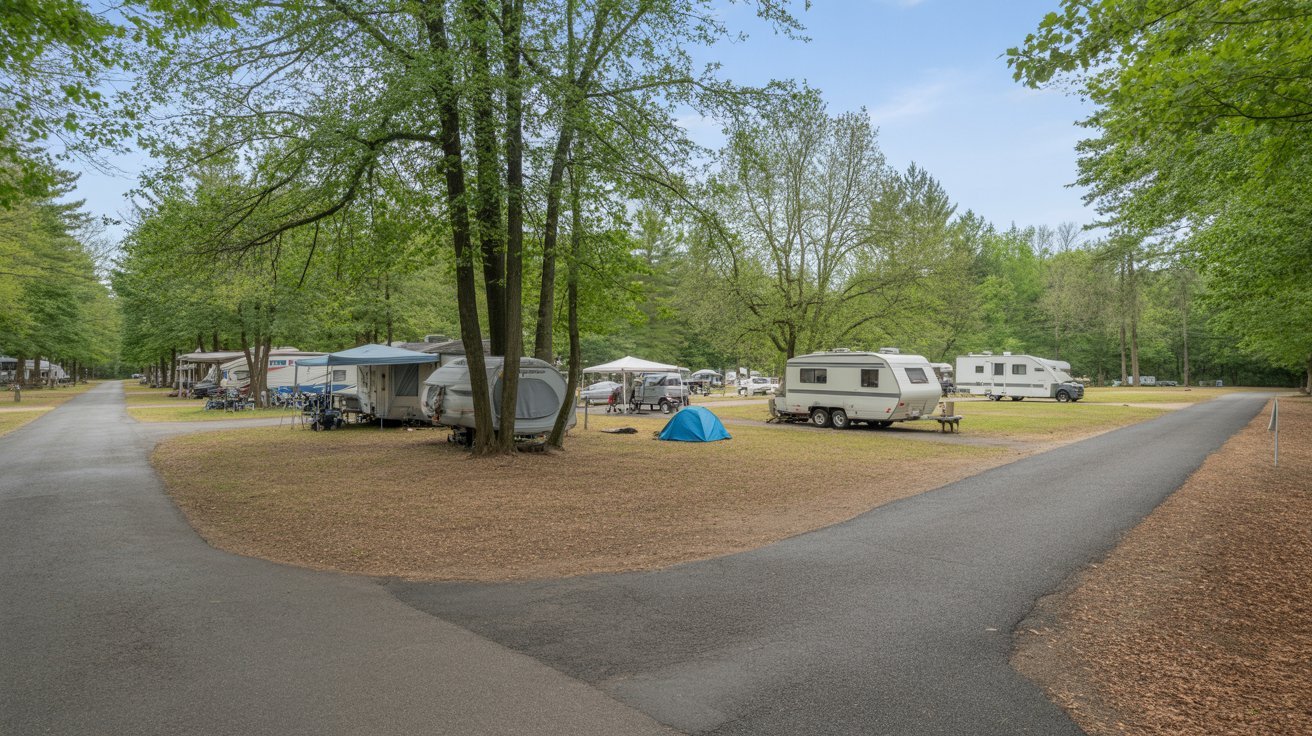
Campground roads are paved and in good shape for large RVs. Speed limits are enforced for safety.
Campsites have gravel or packed soil pads, level enough for RVs without much adjustment. Tent campers get cleared, flat areas.
Roads loop in a simple layout with clearly numbered sites. Request a site farther from the main loop for more privacy.
Pet Policy at Hunting Island State Park
Quick summary to protect wildlife and other visitors. Pets must stay on a leash no longer than six feet at all times. You can’t tie your pet and leave them unattended.
Clean up after your pet or face fines. Pets are not allowed on the beach between 10 a.m. and 5 p.m. from March through October. Walk your dog during early morning or evening hours.
Keep pets away from alligators and snakes. Pets can’t enter park buildings. Check trailhead signage for restrictions.
Campground Availability and Peak Seasons
Weekends and holidays book fast year-round while weekday walk-in sites often have openings even during busy periods.
Weekend sites fill up weeks or months in advance, especially from April through September. Holiday weekends book out first reserve at least three months ahead.
Weekdays have better availability. You can often book just a few days out. August after school starts and September before fall break are good times for last-minute trips.
Making Reservations for Camping
Book campsites online through the state parks system, call for help, or download maps to choose your spot. South Carolina State Parks use an online reservation system.
Search for Hunting Island on the official website to see available dates and sites. Reservations open 11 months in advance. Call the park at 843-838-2011 for questions.
Staff can help you choose the right site. The campground map is available on the South Carolina State Parks website. Print it before arriving.
Campground Rules and Regulations
Follow noise limits, wildlife safety guidelines, and pet rules to keep the campground safe and pleasant for everyone.
- Quiet hours run from 10 p.m. to 6 a.m. Keep music, conversations, and generator noise low. Campfires are allowed in provided fire rings only never leave a fire unattended and fully extinguish before bed
- Do not feed wildlife, including birds, raccoons, and alligators. Feeding animals makes them aggressive and dangerous. Store food in your vehicle or cooler
- Speed limits on campground roads are 15 mph. Watch for kids, pets, and wildlife. All pet rules apply leash requirements and beach restrictions are strictly enforced with fines for violations
- Don’t damage trees or plants. Hammocks should use straps, not nails or rope that cuts bark. Pack out all trash and use recycling bins. Don’t bury or burn trash at your site
- Respect site boundaries. Don’t cut through other campers’ spaces. Keep your gear and vehicles within your assigned area
Outdoor Activities Near the Campground
Hike forest trails through maritime landscapes and walk to nearby beaches for swimming, shelling, and ocean views.
Hiking and Forest Trails
Several trails wind through the park’s maritime forest. The Nature Trail is a short, easy loop near the nature center, about 1.5 miles and taking 45 minutes.
Longer trails follow the marsh edges with live oaks draped in Spanish moss and palmetto plants. Wildlife sightings include deer, raccoons, and many bird species.
Trails are well-marked and mostly flat. Wear bug spray, especially in summer. Bring water and plan morning hikes when heat and humidity are less intense.
Beach Access Near the Campground
The beach is about a half mile from the main campground. You can walk, bike, or drive. The beach is wide, sandy, and great for swimming.
Lifeguards are not on duty, so swim at your own risk and watch for strong currents. Shelling is popular after storms. Stay clear of marked sea turtle nests in summer.
Beach access is free for campers. The beach is less crowded on weekdays.
Planning Your Visit to Hunting Island State Park
Tips for booking campsites, packing supplies, and timing your trip to Hunting Island State Park.
- Book your campsite early reservations open 11 months in advance, with summer weekends and holidays filling up fast
- Pack beach items like chairs, umbrellas, and coolers, plus bug spray and water for trail hikes
- Bring your own hoses and power cords for RV hookups 25-foot water hose and 30-foot power cord work for most sites
- Plan to arrive on weekdays for better availability, quieter camping, and less crowded beaches
- Stop in Beaufort before arriving to stock up on groceries and supplies, as the camp store carries only basics
Conclusion
I’ve camped at coastal parks like Hunting Island, and there’s nothing quite like waking up to ocean breezes and forest sounds.
You’ve now got all the details you need to book the right site and make the most of your stay.
Check site availability early, especially for summer weekends, and don’t forget to pack for beach time and trail hikes.
Ready to reserve your spot? Head to the South Carolina State Parks website and lock in your dates.
Have questions or camping tips to share? Drop a comment below.
Frequently Asked Questions
Can I bring my dog to Hunting Island State Park campground?
Yes, pets are allowed at campsites. Keep your dog on a six-foot leash at all times. Dogs can’t be on the beach from 10 a.m. to 5 p.m. between March and October.
How far in advance should I book a campsite at Hunting Island?
Book 11 months ahead for summer weekends and holidays. Weekday sites often have openings just a week or two out. Check regularly for cancellations if your dates show full.
What size RV fits at Hunting Island campground?
Most sites accommodate RVs up to 40 feet long. Some handle larger rigs. Confirm your site’s dimensions when booking. The campground has paved roads and back-in sites.
Are there showers and bathrooms at the campground?
Yes, two bathhouse buildings provide hot showers, flush toilets, and sinks. Facilities are cleaned daily during busy seasons. Every site is within a short walk of a bathhouse.
What’s the best time of year to camp at Hunting Island?
Spring and fall offer mild weather with fewer crowds. Summer is busiest but great for beach activities. Winter is quiet and cool, good for hiking without heat and bugs.