




Planning a trip to Patagonia? You’re in for something special. I’ve spent time researching these trails, and I can tell you that hiking Patagonia offers some of the most dramatic scenery you’ll find anywhere on Earth.
In this guide, I’ll walk you through everything you need to know. We’ll cover the top trails, from the famous W-Trek to hidden gems.
I’ll share practical tips on timing, packing, permits, and logistics. You’ll learn which trails match your skill level and how to prepare for Patagonia’s wild weather.
If you’re a first-timer or seasoned hiker, this article will help you plan a safe and memorable trip.
Quick Overview for Hikers

Patagonia spans Chile and Argentina at the southern tip of South America, offering trails for every skill level.
Chilean Patagonia features Torres del Paine National Park with the famous W-Trek and O-Circuit. Expect towering granite peaks, bright blue lakes, and well-marked trails.
Argentine Patagonia centers around El Chaltén with iconic hikes to Fitz Roy and Cerro Torre. Trails are less crowded with trailheads right from town.
Day hikes take 4 to 8 hours. Multi-day treks range from 3 to 10 days. The W-Trek covers 50 miles over 4 to 5 days. The O-Circuit adds another 4 days.
Beginners can enjoy day hikes without technical skills while experienced hikers tackle multi-day circuits.
Top Hiking Regions in Patagonia
Three main areas dominate Patagonia’s hiking scene, each offering distinct landscapes and trail options. Knowing the differences helps you choose where to spend your time.
Torres del Paine National Park (Chile)
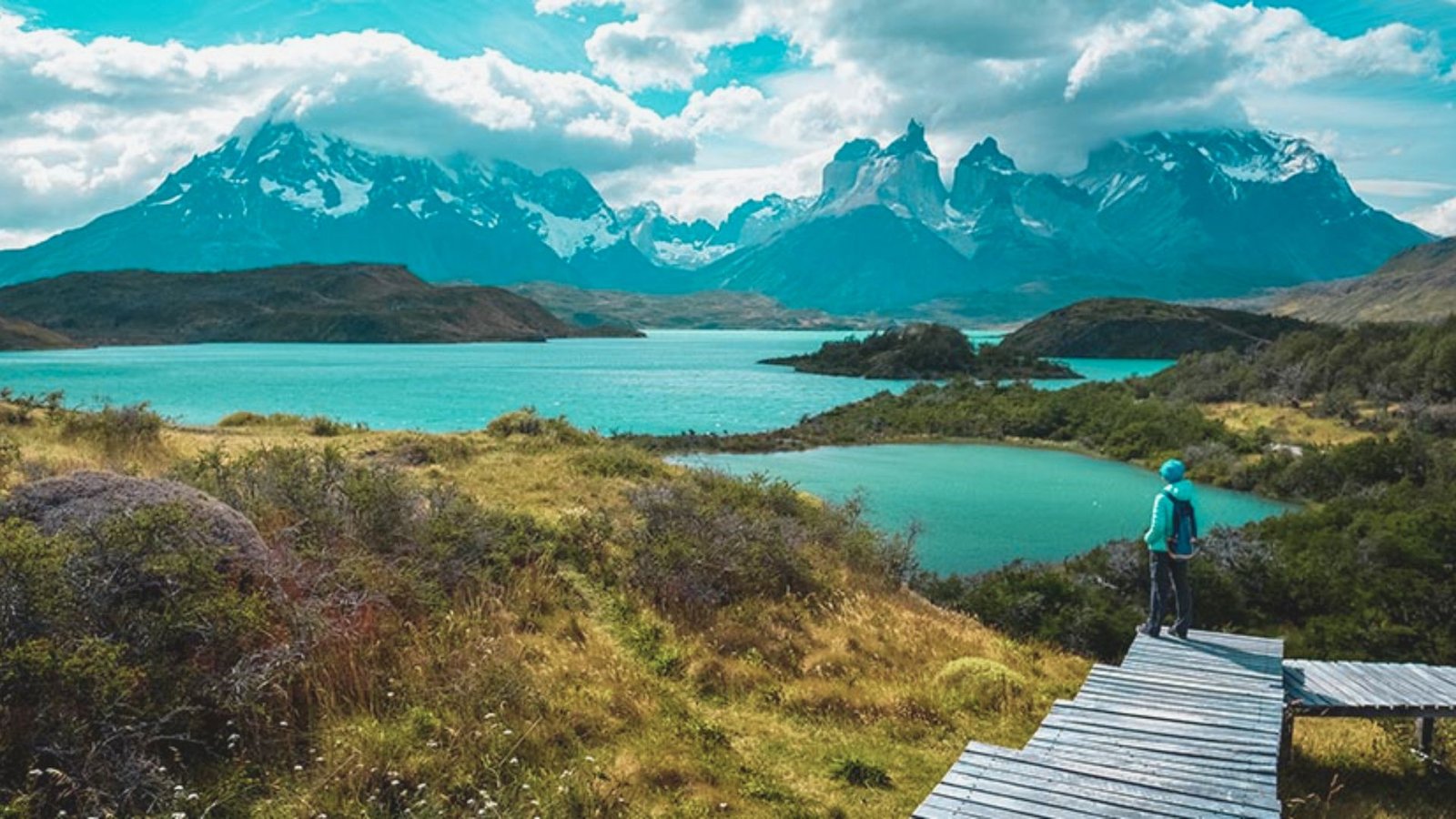
Torres del Paine is the crown jewel of Chilean Patagonia. The park covers nearly 600,000 acres of mountains, glaciers, lakes, and rivers. Three granite towers give the park its name.
The W-Trek and O-Circuit both start here. The park has well-developed trails, campsites, and mountain refuges with clear markings and ranger stations. The landscape changes dramatically as you hike, from turquoise lakes to windswept valleys and glacier viewpoints. Wildlife sightings include guanacos, foxes, and condors.
Access is through Puerto Natales, about 70 miles south. The town has hotels, restaurants, and gear shops.
El Chaltén & Los Glaciares National Park (Argentina)
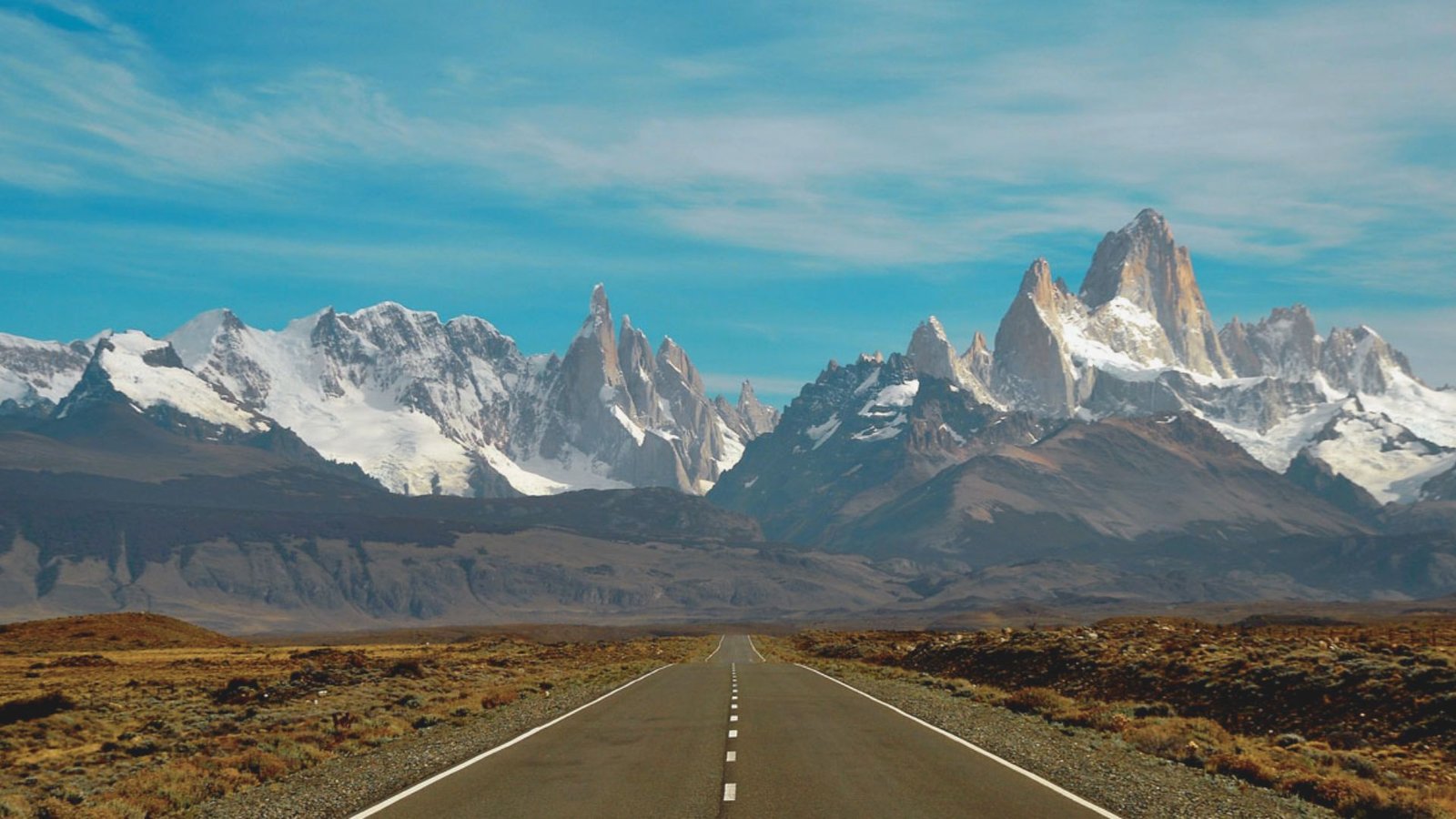
El Chaltén is a small mountain town built for hikers. Trails start right from town with no entrance fees or shuttles needed.
The two most famous hikes lead to Laguna de los Tres and Laguna Torre. Laguna de los Tres offers close-up views of Mount Fitz Roy. Laguna Torre takes you to the base of Cerro Torre. Both can be done as day trips or overnight camping trips. Trails are well-maintained but less developed than Torres del Paine, with free camping areas instead of refugios.
El Chaltén has a laid-back vibe with everything hikers need. Accommodation ranges from hostels to hotels, with hearty restaurant meals.
Tierra del Fuego & Lesser-Known Trails
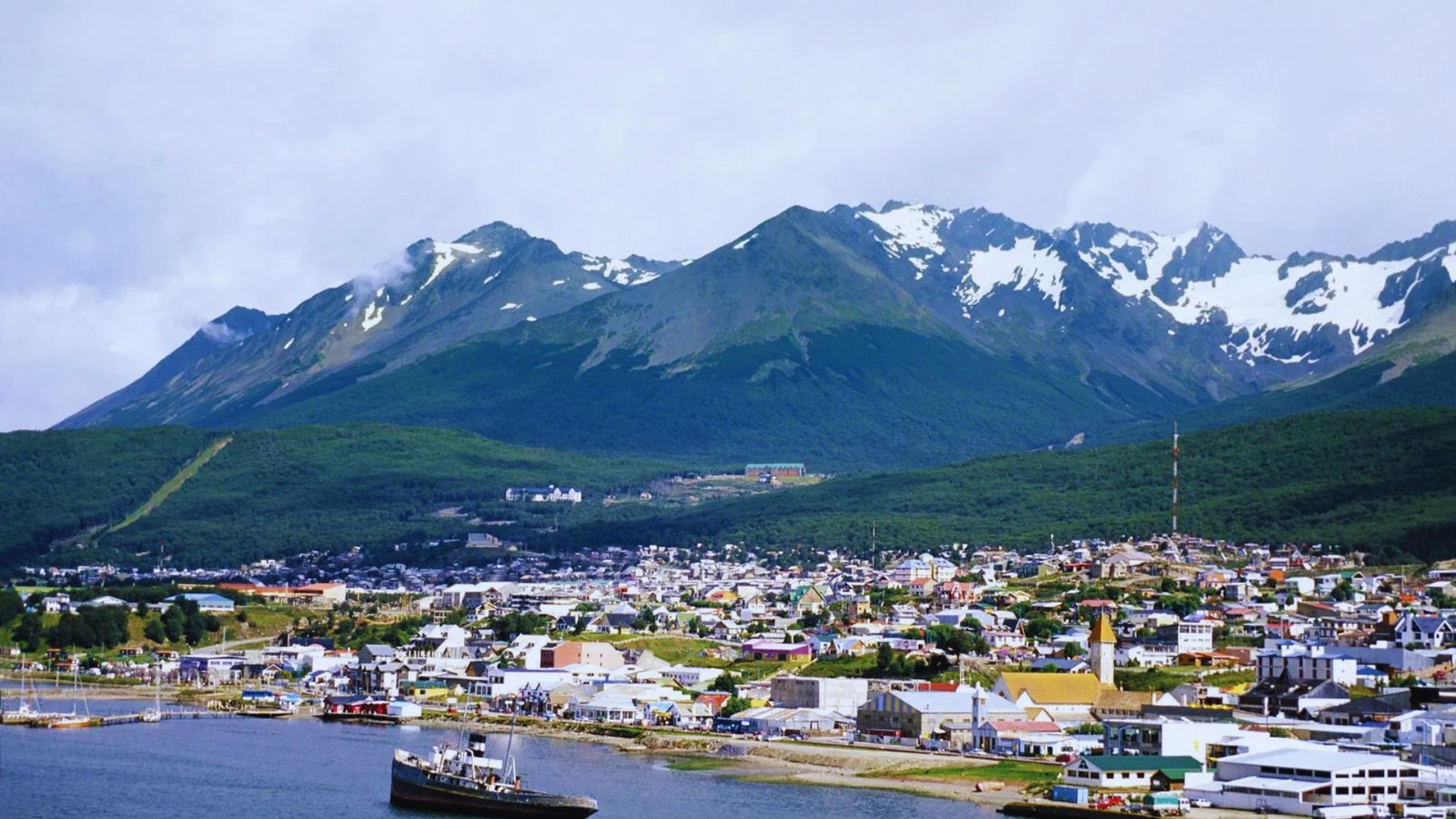
Tierra del Fuego sits at the very southern tip of South America with dense forests, coastal trails, and a maritime climate.
The Dientes de Navarino trek is the southernmost multi-day circuit in the world. It’s rugged and remote, taking 5 to 7 days. In Tierra del Fuego National Park near Ushuaia, shorter trails wind through lenga forests and along the Beagle Channel.
Lesser-known areas like Cerro Castillo in Chile offer incredible hiking with fewer crowds. The Cerro Castillo Circuit is a 3 to 4 day trek through alpine terrain with jagged peaks and bright blue lagoons.
Iconic Trails to Hike

Patagonia’s most famous trails offer different experiences, from day hikes to week-long excursions. Each trail has its own highlights and challenges.
W-Trek: Highlights and Essentials
The W-Trek is Patagonia’s most popular multi-day hike. The trail covers about 50 miles over 4 to 5 days through Torres del Paine.
You’ll hit three major valleys: Base of the Towers with iconic granite spires, French Valley with views in every direction, and Grey Glacier beside a massive ice field. The route connects campsites and refugios. You can camp or stay in mountain huts.
The trail is well-marked and doesn’t require a guide. Fitness matters more than technical skill. The hardest section is the climb to the Base of the Towers with 2,600 feet of elevation gain. Book campsites or refugios months in advance.
O-Circuit: Full Multi-Day Experience
The O-Circuit is the full loop around Torres del Paine. It includes the entire W-Trek plus a remote northern section. The total distance is about 80 miles, taking 8 to 10 days.
The backside is much less crowded. You’ll cross the John Gardner Pass, the highest and most challenging part at 3,900 feet with panoramic glacier views. Weather can be severe with strong winds and rain. Facilities are limited.
The O-Circuit demands good physical fitness and previous backpacking experience. You’ll carry all your gear for multiple days. Start counterclockwise to tackle the hardest sections first.
Laguna de los Tres: Fitz Roy Viewpoint
This is the signature day hike from El Chaltén. Round trip is about 12 miles with 2,600 feet of elevation gain.
Most hikers start early to catch sunrise at the lagoon. The trail begins gently through river valleys. The final hour is a steep climb up loose rock to reach the viewpoint. At the top, you’ll see Fitz Roy’s jagged granite peaks rising above the turquoise lagoon.
The hike takes 8 to 10 hours total. You can camp at Poincenot halfway up and split the hike over two days. Bring layers because weather changes quickly.
Laguna Torre: Cerro Torre Trail
Laguna Torre is another classic day hike from El Chaltén. The route is easier than Laguna de los Tres with less elevation gain.
The trail follows the Rio Fitz Roy through lenga forests and open valleys. It’s about 11 miles round trip with gradual climbing. At the end, you reach Laguna Torre with views of Cerro Torre. A glacier often calves into the lake, creating floating icebergs.
The round trip takes 6 to 8 hours. You can camp at the free campsite near the lake. This trail is less crowded than Laguna de los Tres.
Timing Your Trip
Summer (December to March) is peak season with warmest temps, longest days, and open facilities. December and January offer 50 to 60 degrees and 17 hours of daylight. February has more stable weather with fewer crowds. Expect strong winds up to 80 mph.
Shoulder seasons (October to November and March to April) have fewer crowds and lower prices. Spring brings wildflowers but some snow on high passes. Fall offers autumn colors but shorter days and more storms.
Patagonia’s weather is unpredictable. Carry full rain gear and windproof layers always. Start early as weather worsens during the day. Have backup plans and layer clothing for quick adjustments.
Necessary Hiking Tips
Planning and preparation make the difference between a good trip and a great one.
- Download offline maps before you go. Cell service is unreliable on trails. Apps like Maps.me and Gaia GPS work without the internet. Carry a physical map as backup from park offices.
- Book Torres del Paine permits months ahead. Park entrance costs around $25. Reserve campsites in advance through the online system. Los Glaciares near El Chaltén has no entrance fee or permits needed for day hikes.
- Tell someone your itinerary with expected return dates. Carry a basic first aid kit with blister treatment. Bring extra food for weather delays. Water from streams is generally safe to drink.
- Watch for hypothermia signs: shivering, confusion, exhaustion. Stay dry and layer properly in wet, windy conditions. Use trekking poles for stability on rocky terrain.
- Solo hiking is doable on popular trails. Routes are well-marked and you’ll see other hikers daily. Set your own pace and save money on logistics.
- Guided tours cost $1,500-$5,000 but include expertise, meals, and accommodation. Good option if you want pre-arranged logistics and to learn about local ecology.
Conclusion
I still remember standing at Laguna de los Tres, watching the sunrise light up Fitz Roy’s granite face. The wind was howling, my fingers were numb, but I couldn’t look away. That’s what hiking Patagonia gives you.
Choose trails that match your fitness level. Don’t overcommit on your first trip. The scenery is incredible no matter if you’re doing a day hike or the full O-Circuit.
Be ready for wild weather and pack accordingly. Respect the power of this landscape. Take your time. Soak it in. This might be your trip of a lifetime.
What trail are you most excited to visit? Drop a comment below and let me know.
Frequently Asked Questions
When is the best time to hike in Patagonia?
December through March is the peak season with the warmest weather and longest days. February often has more stable conditions than January with slightly fewer crowds.
Do I need hiking experience to visit Patagonia?
Not for day hikes like Laguna Torre or shorter W-Trek sections. Multi-day treks like the O-Circuit need good fitness and some backpacking experience.
How much does it cost to hike Torres del Paine?
Park entrance is around $25. Camping costs $15 to $30 per night. A camping-based W-Trek runs $200 to $400 total, not including food and transport.
Can I drink the water from streams?
Yes, most hikers drink directly from streams without treatment. The water comes from glaciers and is very clean. Bring purification tablets if you prefer caution.
Is it safe to hike alone in Patagonia?
Yes, solo hiking is common on popular trails. Routes are well-marked and you’ll see other hikers daily. Tell someone your plans and bring emergency supplies.