




I’ve logged hundreds of miles on Montana’s mountain trails, and Glacier National Park remains my top pick for hiking. You’re about to get a curated list of the best trails this park offers.
This guide covers nine incredible hikes, from easy waterfall walks to challenging alpine passes. I’ll share exact distances, difficulty ratings, and what you’ll actually see on each trail.
You won’t find generic descriptions here.
I’ve hiked these paths multiple times, testing them in different seasons and conditions. My experience helps you avoid common mistakes and pick the right trail for your group.
By the end, you’ll know exactly which Glacier National Park hikes match your fitness level and interests.
Best Hikes in Glacier National Park
The trails I’m sharing below cover different skill levels and showcase what makes this park so special.
Each one offers something different, from glacial lakes to mountain passes.
Avalanche Lake Trail
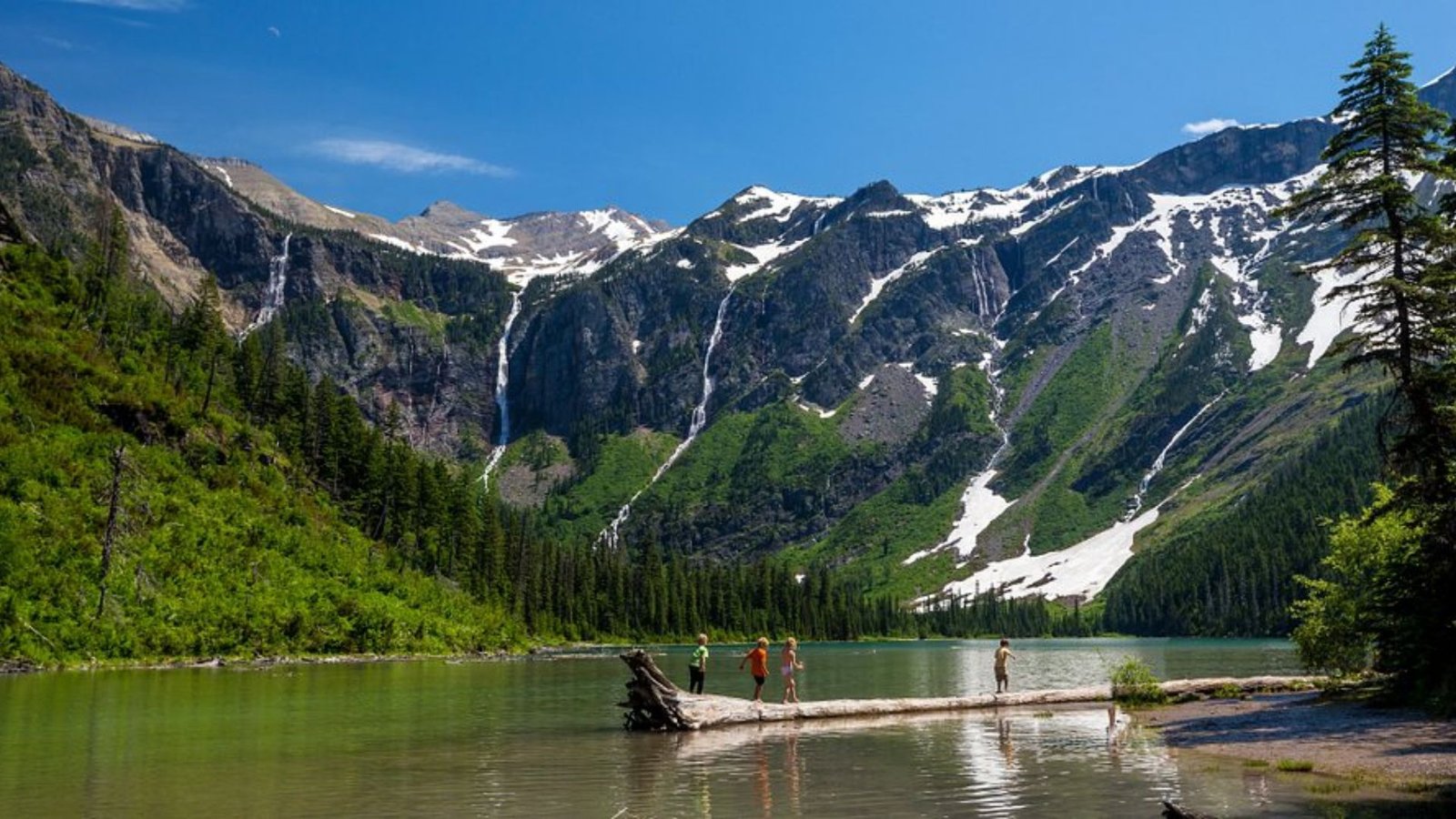
This 5.9-mile out-and-back trail is where most people start their Glacier hiking experience. And for good reason.
You’ll walk through old-growth cedars along Avalanche Creek. The path climbs gradually, so you won’t be gasping for air every few steps.
The forest here feels ancient and cool, even on hot summer days.
The payoff comes at the end. You’ll reach a stunning turquoise lake surrounded by towering peaks. Waterfalls cascade down the rocky walls in early summer.
The moderate difficulty means families with older kids can handle it.
Plan to arrive before 7 AM if you’re visiting in July or August. The parking lot fills up fast, and for good reason.
Hidden Lake Trail
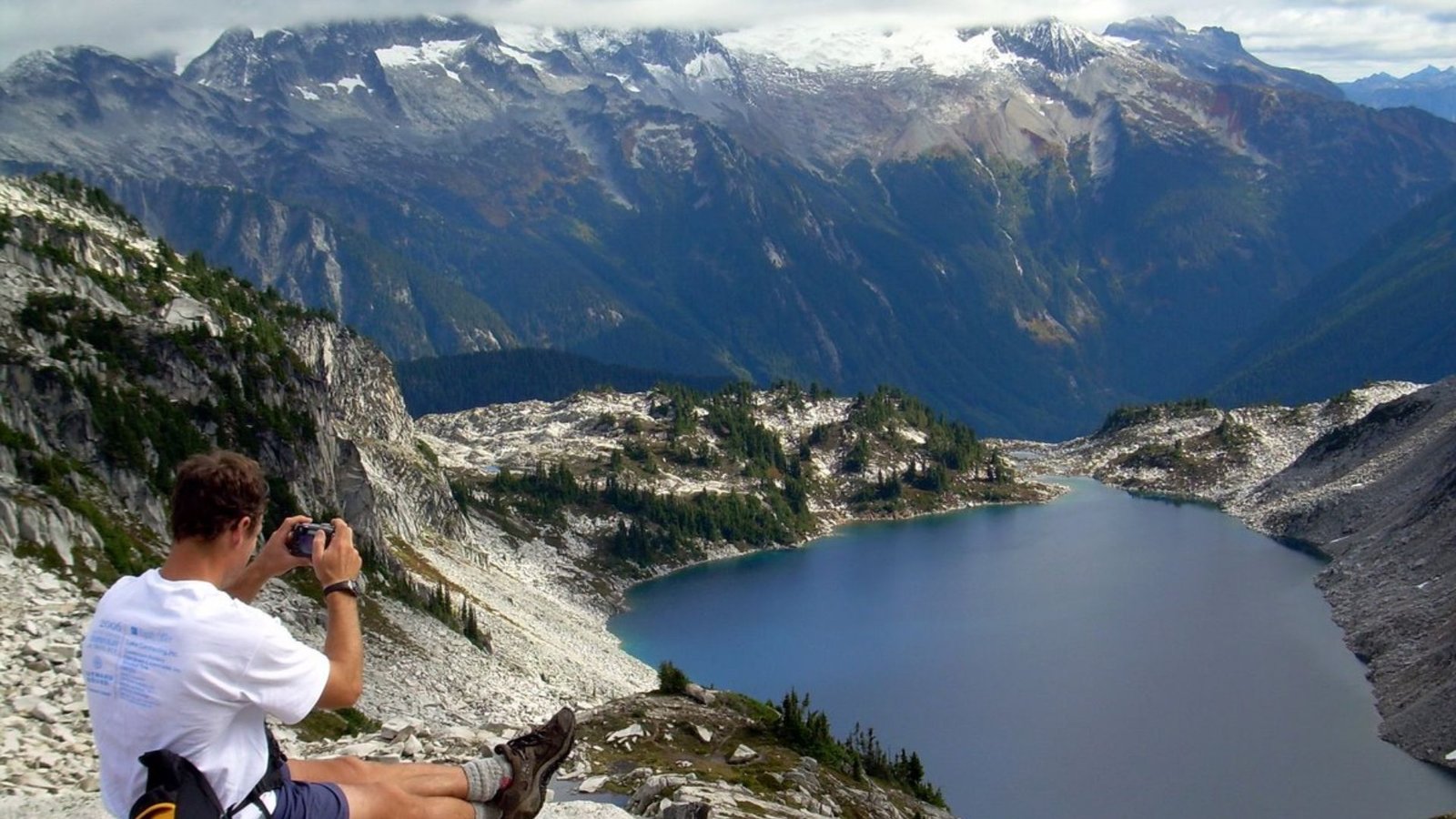
Starting from Logan Pass, this 5.1-mile round trip takes you through alpine meadows bursting with wildflowers. I’ve spotted mountain goats here more times than I can count.
The first 2.5 miles bring you to an overlook that’ll make you stop and stare. You can turn around here or continue down to the lake itself. Most people opt for just the overlook.
Wildflowers peak in late July and early August. The boardwalk section protects the fragile meadow ecosystem while giving you an easy path through the best viewing areas.
Bring your camera because the mountain goats often pose on the rocks near the trail.
This is one of the most popular Glacier National Park hikes, so expect company. The views make up for the crowds.
Grinnell Glacier Trail
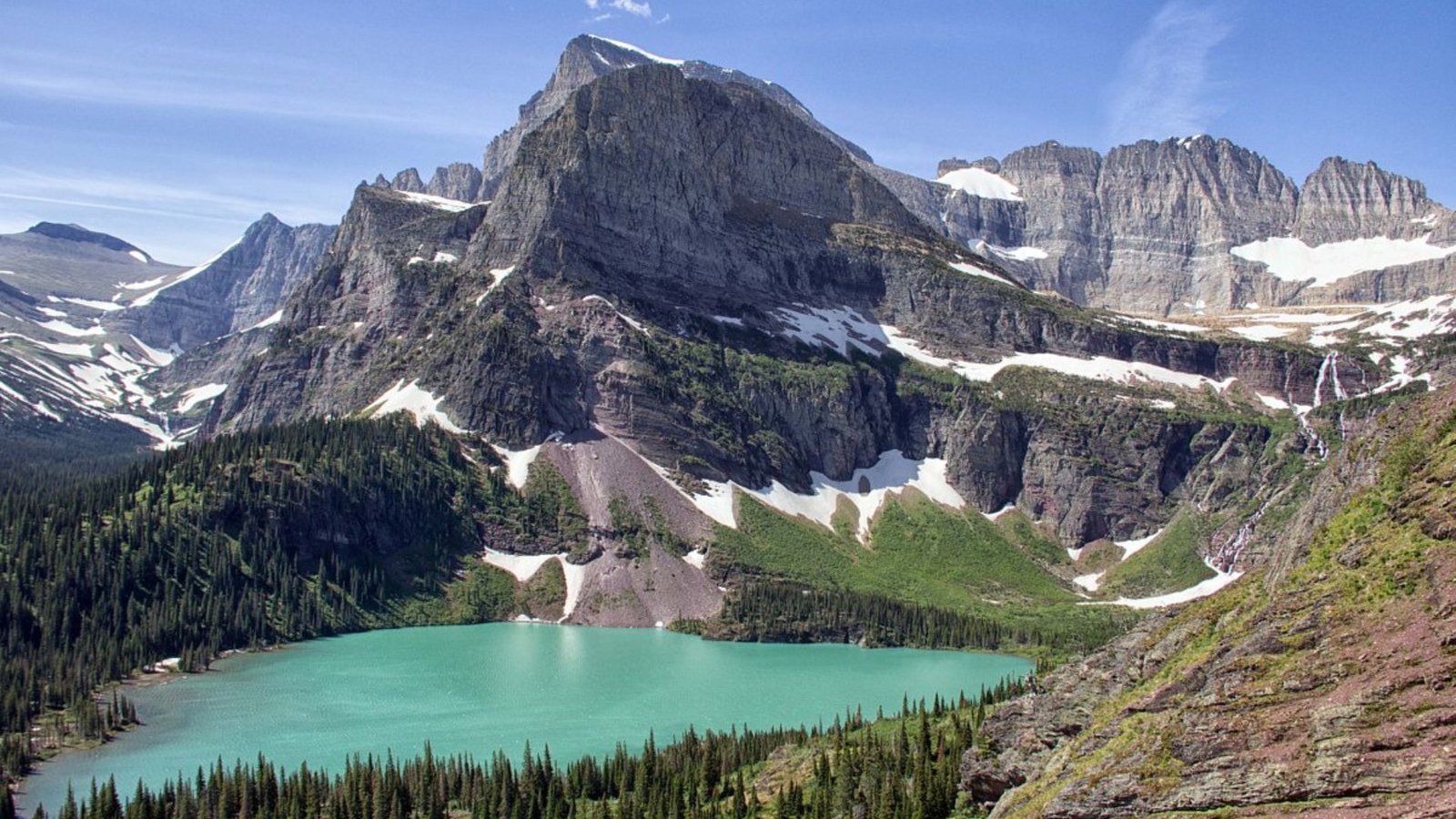
This trail runs 10 to 11 miles depending on where you start. It’s challenging, but you’re hiking to an actual glacier.
You can take a boat across Swiftcurrent and Josephine Lakes to cut a few miles off the hike. I recommend it because it saves your energy for the steep climb ahead.
The aquamarine color of Grinnell Lake is unlike anything you’ve seen before.
The glacier itself sits in a dramatic cirque. You’ll see chunks of ice floating in the meltwater below. Multiple waterfalls pour down the mountainsides along the way.
This ranks as one of the crown jewel Glacier National Park hikes. Come prepared with good boots, plenty of water, and an early start.
Iceberg Lake Trail
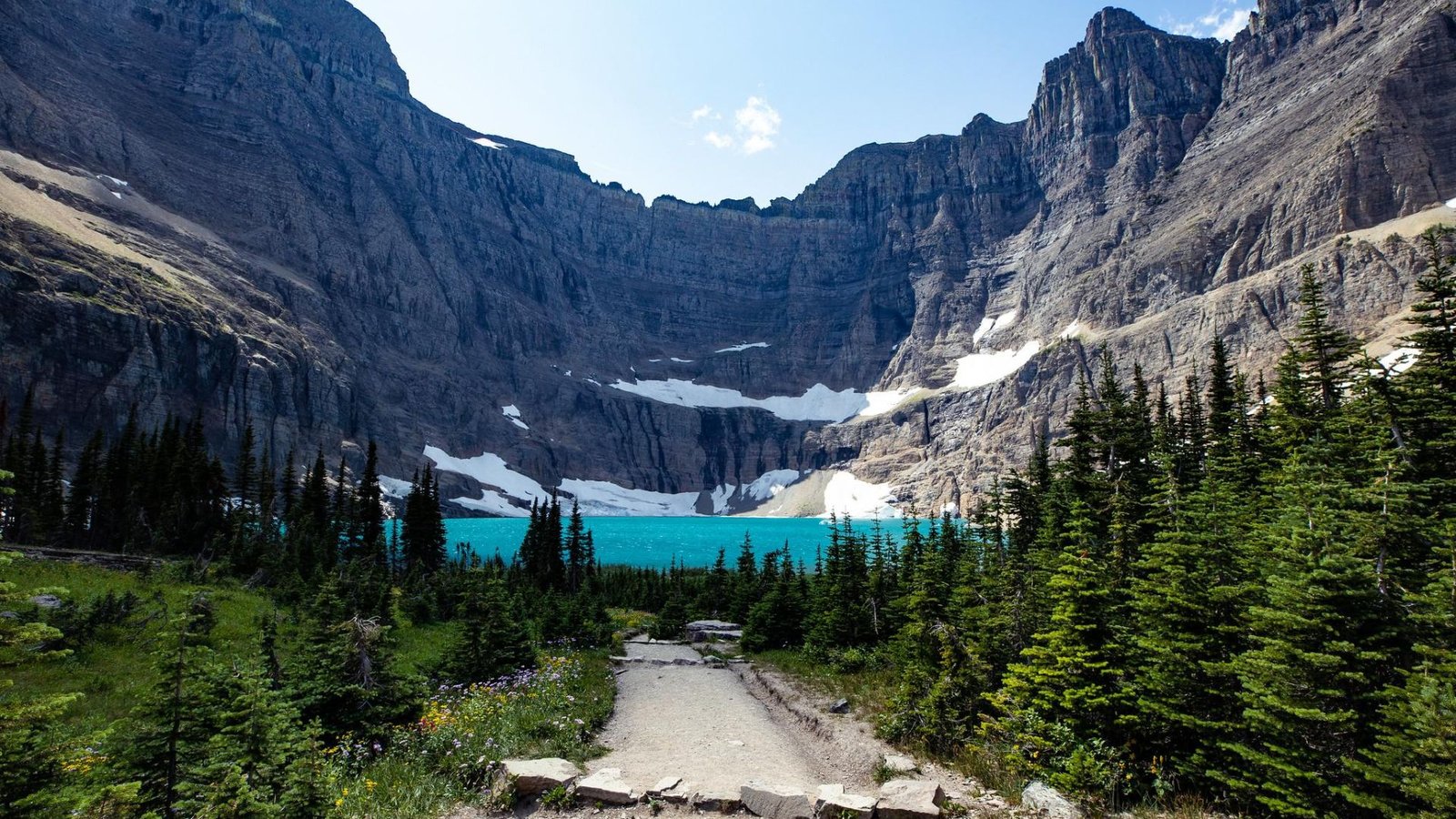
At 9.1 miles round trip, this trail takes you to a lake where icebergs float year-round. Yes, even in August.
The path winds through wildflower meadows before climbing into a massive cirque. Towering peaks surround the lake on three sides.
The water stays cold enough to maintain floating ice chunks throughout the summer. Some brave souls take a quick dip. I tried it once. Once was enough.
The trail is moderate to challenging, with steady elevation gain. You’ll need good fitness but don’t need to be a mountain athlete. The scenery gets better with every mile.
Highline Trail
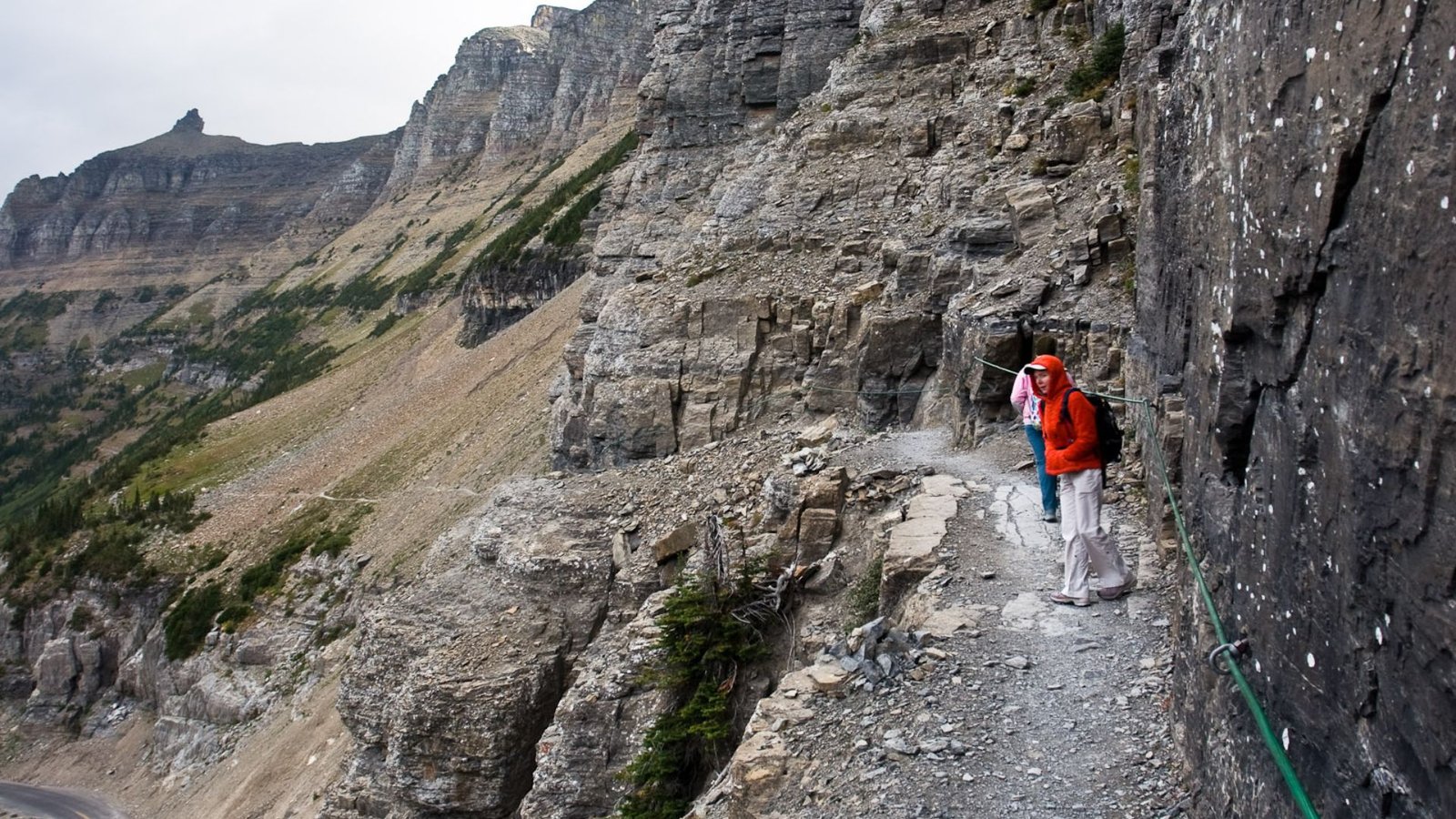
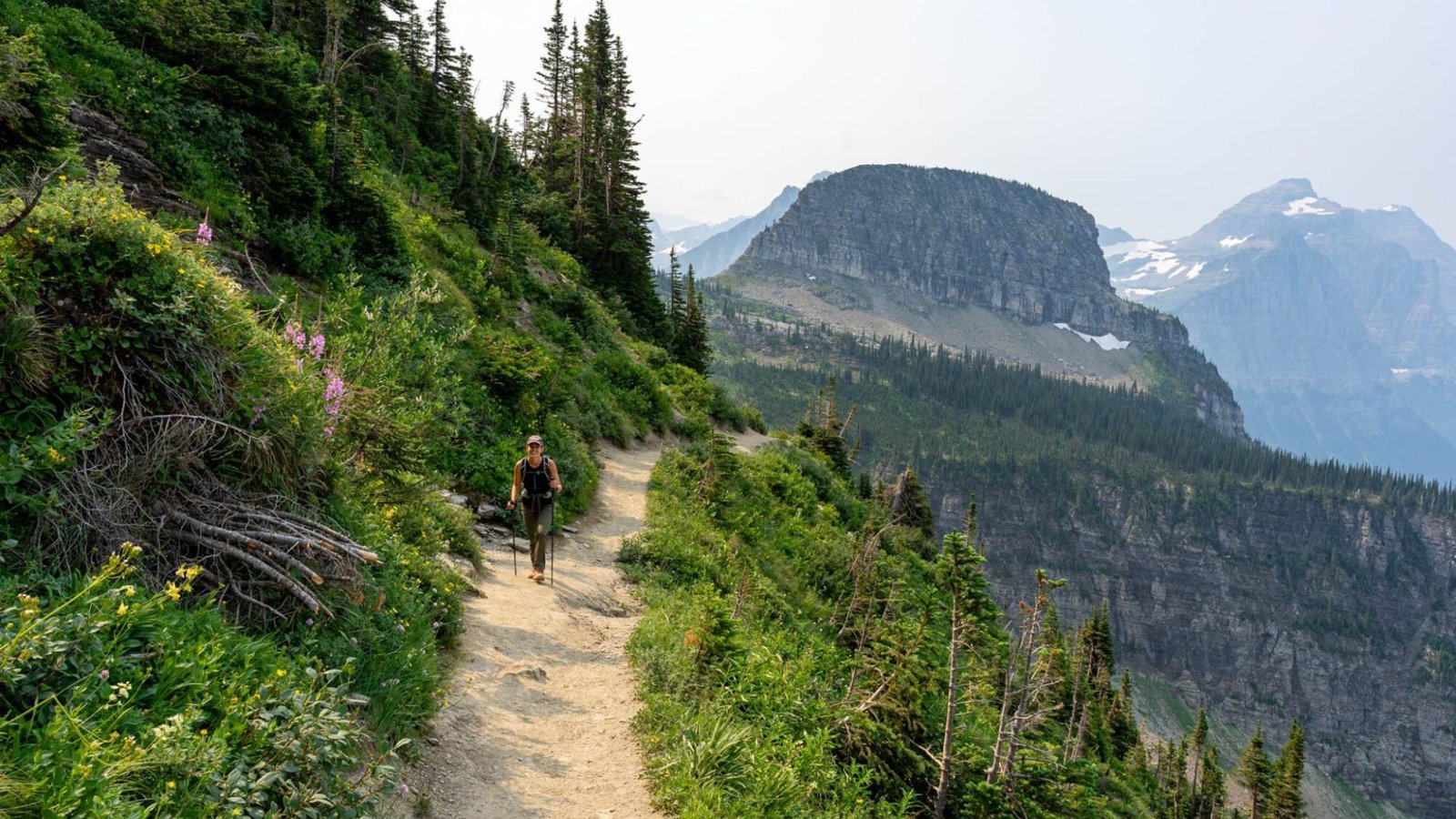
This 14.9-mile trail follows the Continental Divide with mind-blowing views. It’s one of the most talked-about hikes in the entire park.
The trail hugs a cliff face for the first section. A cable is bolted to the rock wall for nervous hikers. If you’re comfortable with exposure, the views are worth any anxiety.
You’ll look down into valleys and across to distant peaks for miles. The trail ends at Granite Park Chalet, though most people turn around before reaching it.
Using the free shuttle system, you can arrange a one-way hike that’s shorter and easier on your knees.
Strong hikers love this trail. It’s long but mostly flat once you’re past the initial section.
St. Mary and Virginia Falls Trail
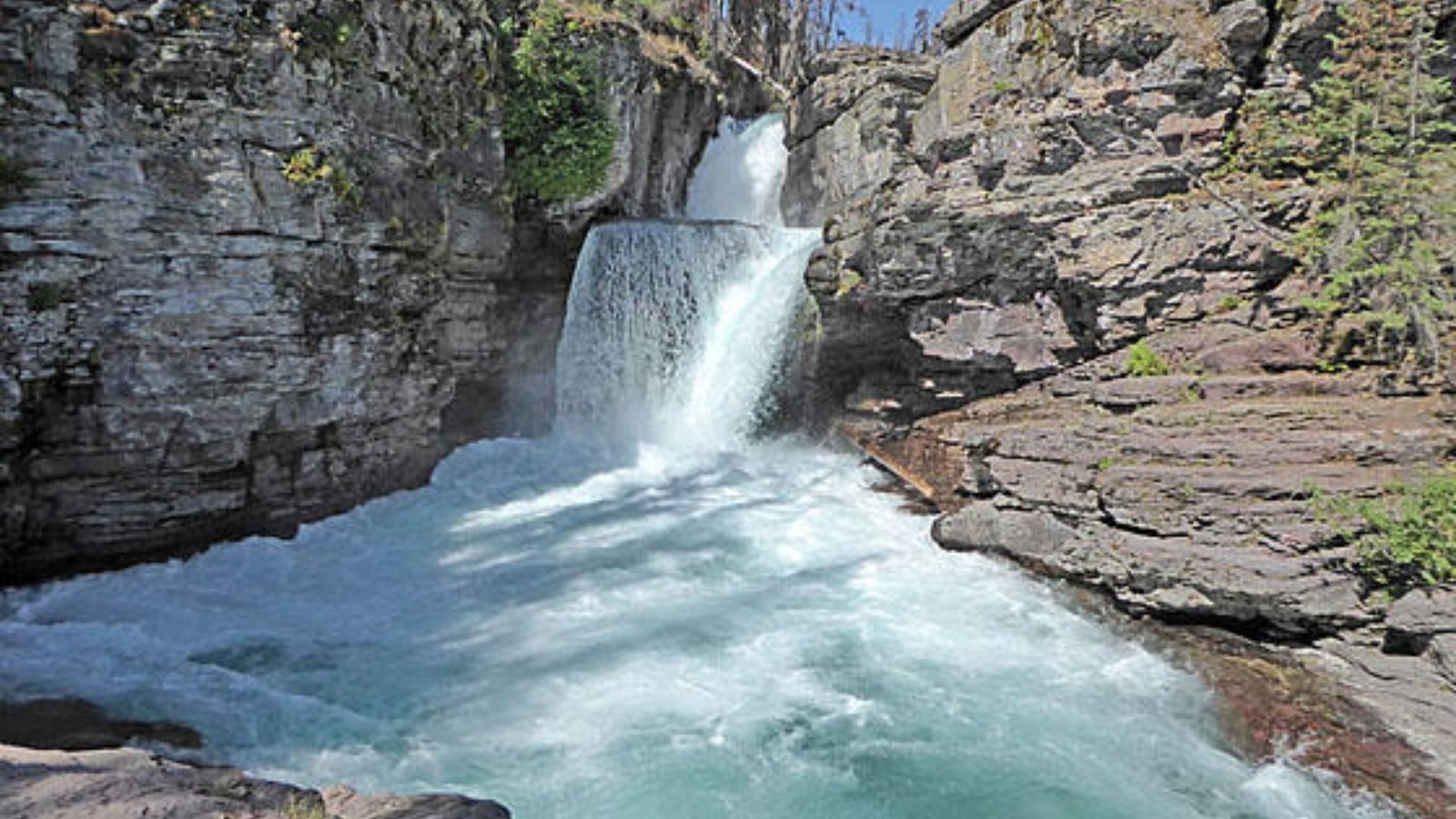
Need a shorter option? This 3.1-mile round trip packs a punch for its length.
You’ll see two waterfalls in quick succession along the St. Mary River. The trail is well-maintained and moderately challenging.
Virginia Falls roars loudest in early summer when snowmelt is at its peak.
This works perfectly as a half-day hike. You can finish by lunch and still have time to visit other parts of the park. The forest section stays cool even on warm afternoons.
Families with good hiking experience handle this one well. It’s one of the better shorter Glacier National Park hikes available.
Ptarmigan Tunnel Trail
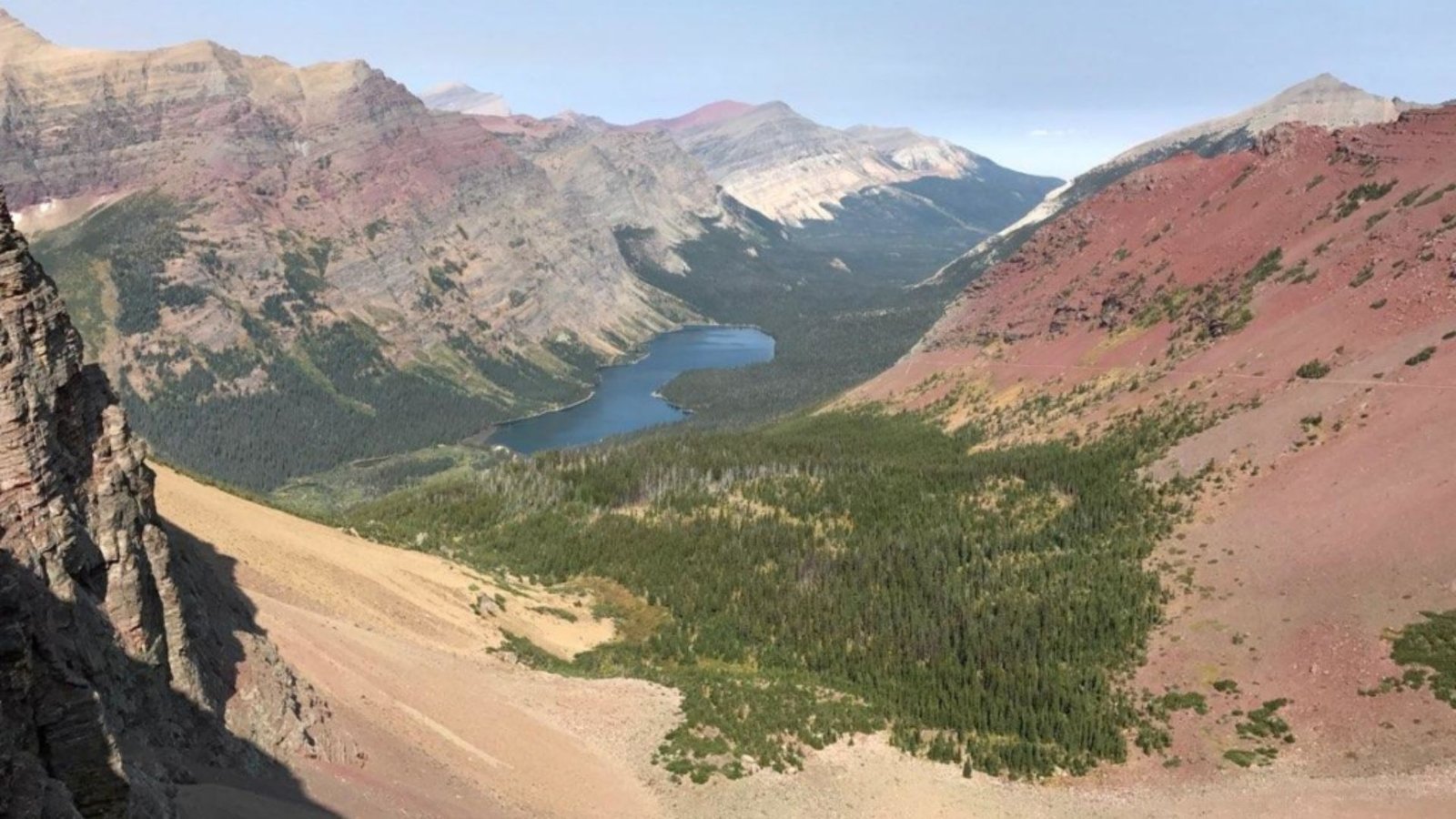
At 10.6 miles out and back, this trail takes you through an actual tunnel carved through the mountain. It’s less crowded than many other challenging hikes in the park.
The tunnel opens to views of the Belly River Valley. You’ll pass Ptarmigan Lake on your way up, with its milky glacial water reflecting the surrounding peaks.
The alpine landscape feels remote and wild.
The trail gains significant elevation, so pace yourself. The tunnel itself is a cool piece of park history, built in the 1930s by the Civilian Conservation Corps.
If you want a challenging hike without fighting crowds, this is your pick.
Siyeh Pass Trail
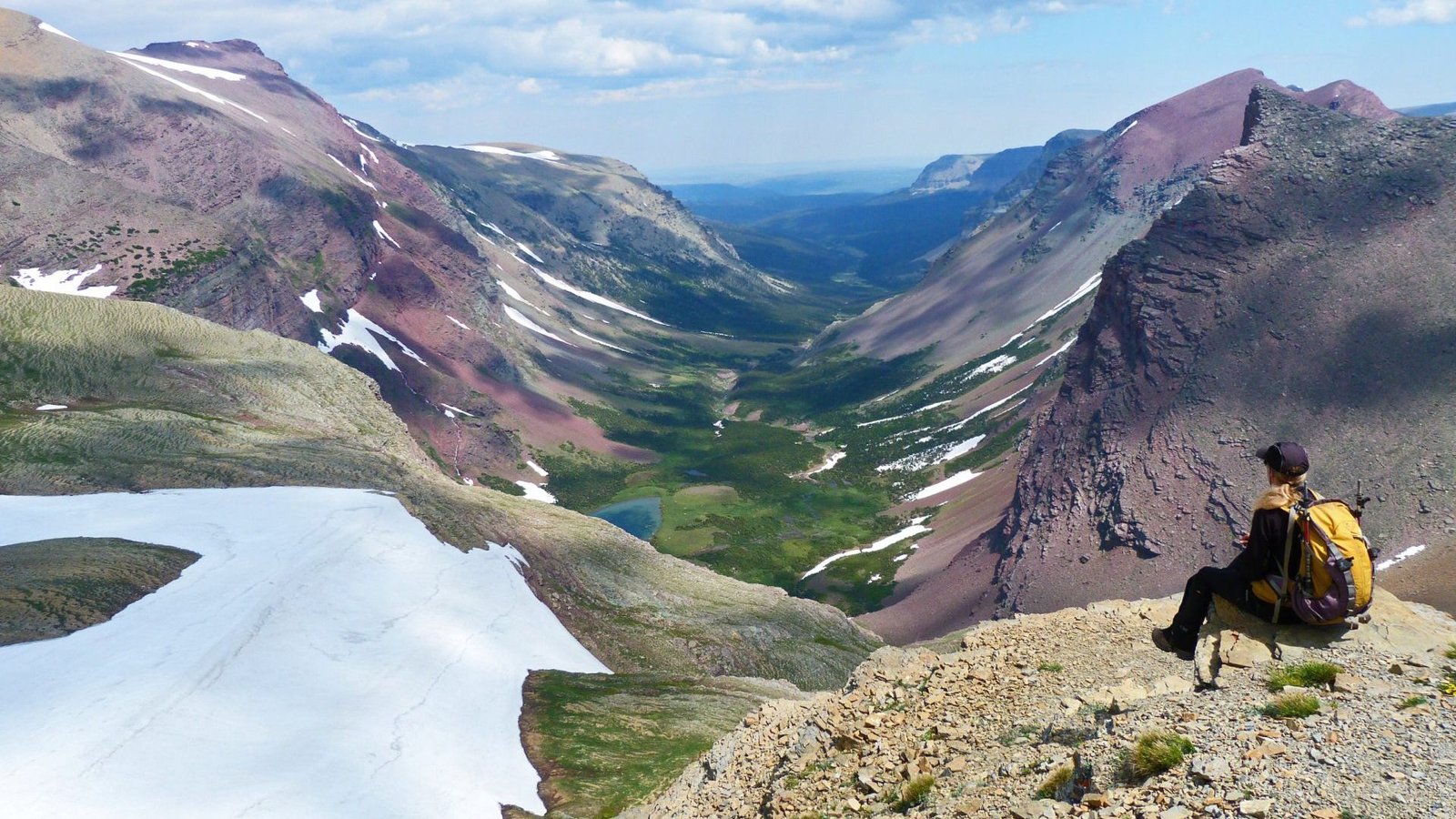
This 9.8-mile point-to-point hike crosses a high alpine pass with sweeping views. You’ll need to arrange a shuttle between trailheads, but it’s worth the logistics.
Preston Park offers stunning wildflower meadows in midsummer. The pass itself sits at over 8,000 feet, giving you panoramic views of glaciers and peaks.
On clear days, you can see for miles in every direction.
The trail feels more remote than some of the popular routes. You’ll likely see fewer people, which adds to the wilderness experience.
The constant scenery changes keep things interesting for the entire distance.
Twin Falls Trail
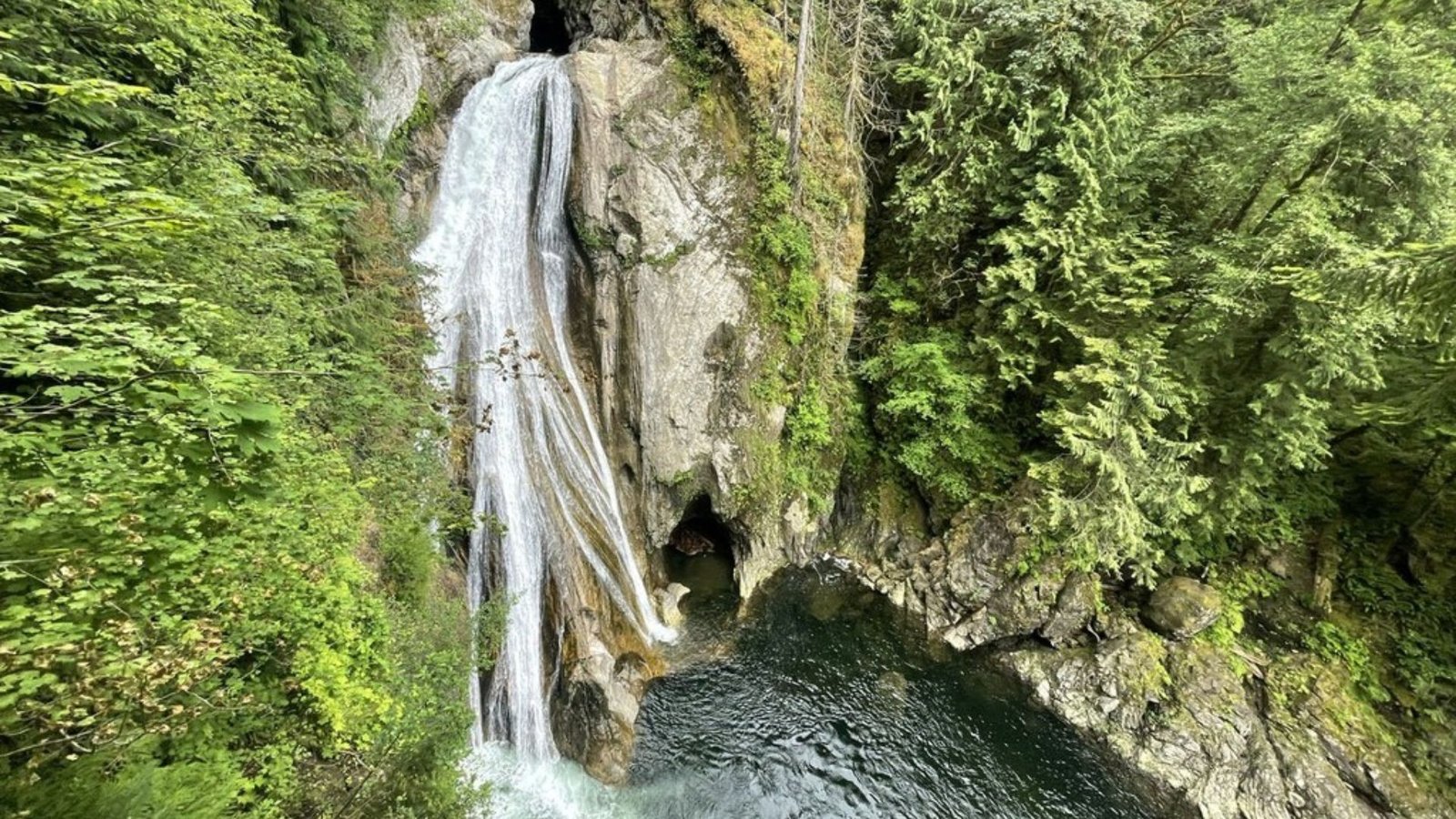
This 2-mile hike from the boat dock combines a scenic boat ride with an easy trail. If you skip the boat, it’s a 7.1 miles round trip.
I recommend taking the boat across Two Medicine Lake. The ride itself is half the experience, with mountains rising straight from the water.
The waterfall at the end features two distinct drops through a rocky gorge.
This works great for families staying in the Two Medicine area. The boat ride makes it accessible for people who want the Glacier experience without a long hike.
The trail stays relatively flat once you’re off the boat. It’s an easy way to see one of the park’s prettier waterfalls.
Tips for Hiking in Glacier National Park
Planning ahead makes a huge difference in your hiking experience here. The park gets crowded in summer, and trailhead parking fills up fast.
Arrive before 6 AM at popular trailheads like Logan Pass and Avalanche Lake. I’m not kidding about this timing. By 7 AM, you might be circling for parking or heading to your backup trail.
The free shuttle system runs along Going-to-the-Sun Road during peak season and saves you parking headaches.
- Check trail conditions before you leave, as snow lingers through July on high-elevation trails
- Bear safety isn’t optional here, so hike in groups of three or more and carry bear spray
- Download trail maps before you arrive because cell service is spotty throughout the park
- Vehicle reservations are required for certain areas during peak season
- The best hiking season runs from May through September for most trails
- Pack layers and rain gear since mountain weather changes quickly
- Keep backup trail options ready in case your first choice is closed
Bear activity causes frequent trail closures. The park posts updates daily, so check the website or stop at a visitor center before heading out.
Making noise while you hike helps prevent surprise encounters.
The weather up here shifts fast. I’ve started hiking in the sunshine and finished in hail. Bring more layers than you think you need.
Planning Your Visit
Timing your trip right makes all the difference. Summer months from July through August offer full trail access and the best weather.
Early fall brings fewer crowds and stunning colors, though some high-elevation trails may close by mid-September.
Park entry fees should be purchased in advance to avoid lines at entrance stations.
In-park lodging at Many Glacier and Lake McDonald books up months ahead, so reserve early if you want to stay inside the park.
- Assess your fitness level honestly before choosing trails, as elevation gain adds difficulty
- The park is divided into distinct areas, namely Lake McDonald, Many Glacier, Two Medicine, and St. Mary
- Bring sun protection, including sunscreen and a hat, as the high altitude intensifies UV exposure
- Carry more water than you think you need, especially on longer hikes
- Rain gear belongs in your pack even on sunny days
- Layers help you adjust to changing temperatures throughout the day
Book accommodations early because options fill up fast. If in-park lodging is full, towns like Whitefish and Kalispell offer plenty of hotels within an hour’s drive.
Consider which area of the park you want to visit most when choosing where to stay.
Vehicle reservations are now required for Going-to-the-Sun Road and North Fork areas during peak times.
Check the park website for current requirements and book as soon as reservations open.
Conclusion
These Glacier National Park hikes offer something for everyone, from families to experienced mountaineers. I’ve given you the details you need to pick trails that match your abilities.
Come prepared with bear spray, layered clothing, and an early start time. Stop at a ranger station when you arrive for current trail conditions and personalized recommendations.
The rangers know these mountains inside out.
The turquoise lakes, active glaciers, and mountain wildlife here create memories you’ll talk about for years.
Just respect the wilderness, follow safety guidelines, and stay flexible with your plans.
Ready to start planning? Book your park entry and lodging now, especially if you’re visiting between July and September.
These trails are waiting for you.
Frequently Asked Questions
Do I Need a Permit to Hike in Glacier National Park?
Day hikes don’t require permits, but you’ll need vehicle reservations for certain areas during peak season. Backcountry camping requires advance permits that can be reserved online or obtained at visitor centers when available.
What Should I Do If I Encounter a Bear on the Trail?
Stay calm and don’t run away. Make yourself appear large by raising your arms. Back away slowly while facing the bear. If it charges, use your bear spray. Always review park bear safety guidelines before hiking.
Are Dogs Allowed on Trails in Glacier?
Dogs aren’t allowed on most trails to protect wildlife and preserve the wilderness experience. You can bring them in campgrounds and on specific roads. Check current regulations before bringing your pet to avoid disappointment.
Can I Swim in the Lakes at Glacier?
Swimming is allowed but the water stays extremely cold year-round. Popular spots for brave swimmers include Avalanche Lake and Iceberg Lake. Most people just dip their feet in before deciding against a full plunge.
How Do I Access Trailheads Without a Car?
The free park shuttle operates along Going-to-the-Sun Road during summer months. Boat tours at Two Medicine and Many Glacier provide access to certain trailheads. Check shuttle schedules as they vary by season and weather conditions.