






Planning an Egypt itinerary for 5 days can feel overwhelming with so many incredible sites to see. I’ve been there, staring at maps and wondering how to fit everything in without rushing through ancient wonders.
This guide breaks down exactly what to see and do across five days in Egypt. You’ll get a realistic day-by-day plan focused on Cairo and the Pyramids, plus practical tips I wish I’d known before my first visit.
I’m covering Old Cairo’s historic sites, the Giza Pyramids, top museums, a day trip to Alexandria, and local markets. You’ll learn where to stay, how to get around, what to pack, and how to avoid common tourist traps.
Let’s make your Egyptian trip smooth and memorable.
Why Visit Egypt for 5 Days?
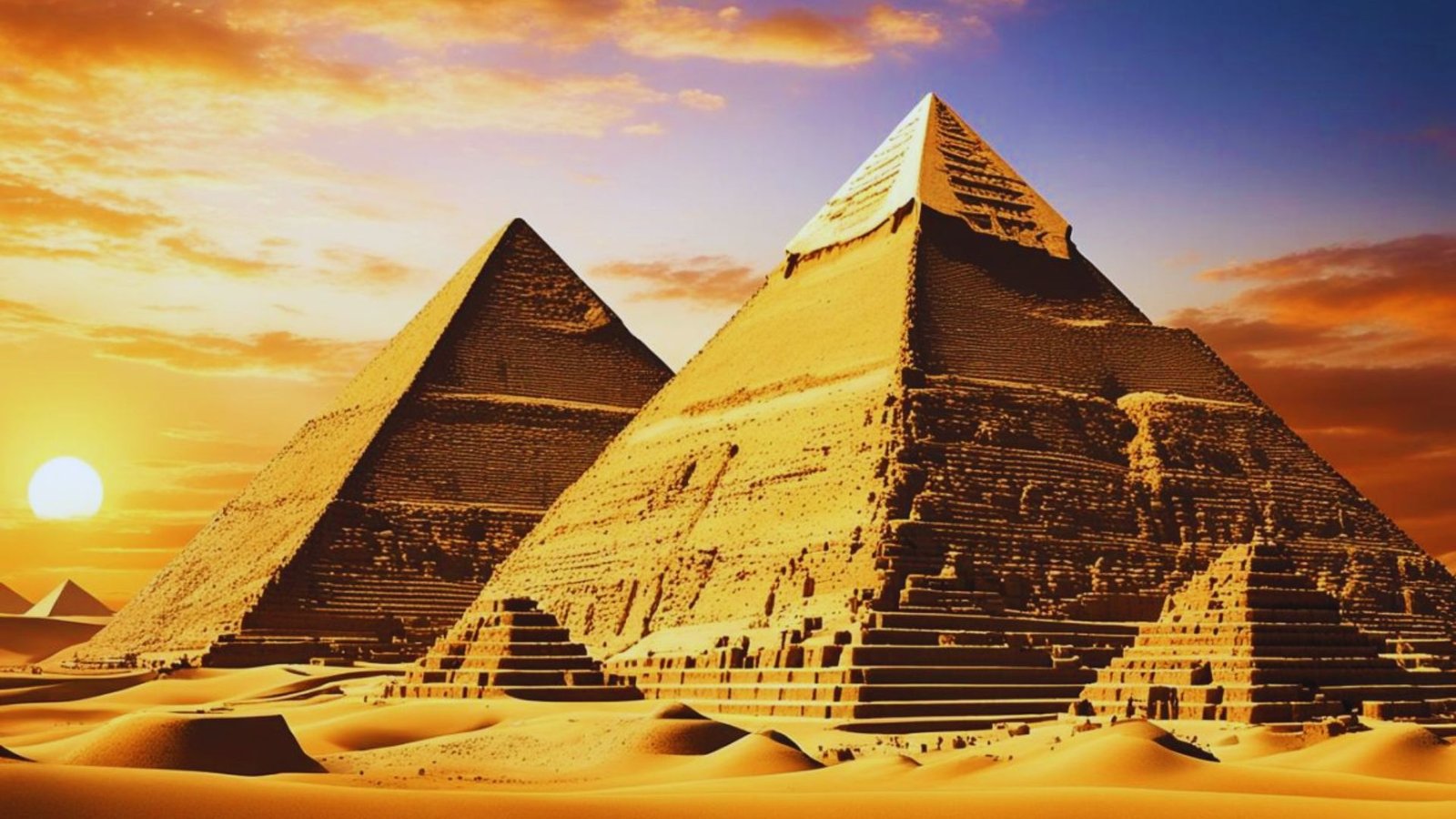
Egypt packs thousands of years of history into accessible areas around Cairo.
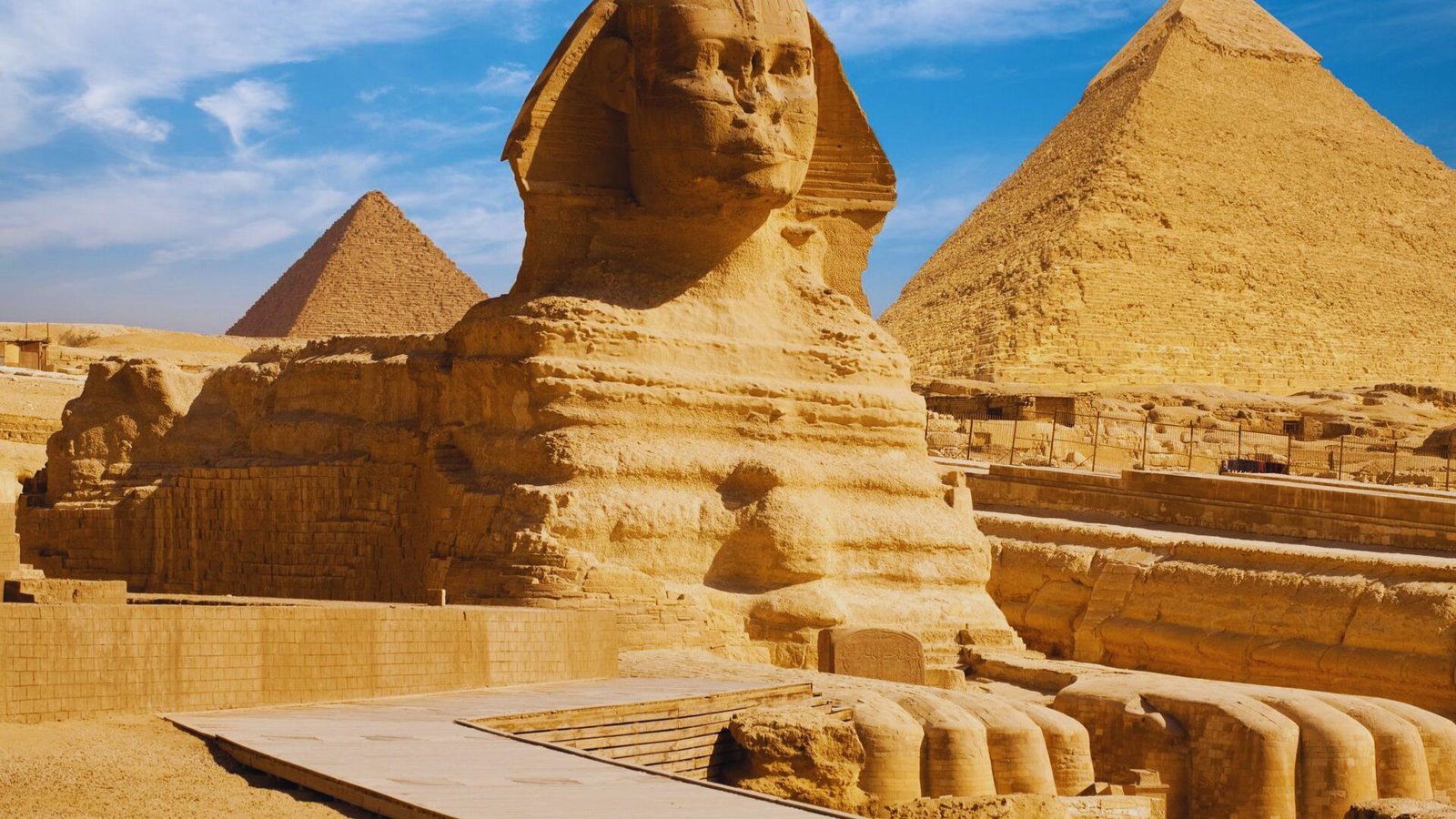
Five days gives you enough time to see the iconic Pyramids of Giza, the Sphinx, and incredible museums without exhausting yourself.
You’ll experience ancient sites over 4,500 years old and museums housing treasures from King Tut’s tomb. Beyond monuments, you’ll taste authentic Egyptian food, haggle in traditional markets, and meet welcoming locals.
This timeframe works perfectly for people with limited vacation time who want to focus on Cairo and surrounding areas rather than spreading themselves thin across the entire country.
Best Time to Visit Egypt
Fall and winter (October through March) bring the most pleasant weather, with temperatures between 60-75°F. This is peak tourist season, so expect larger crowds and higher prices. December and January evenings can get cool and pack a light jacket.
Summer (June-September) brings intense heat, often exceeding 95-100°F. Fewer tourists mean better deals, but you’ll need to start days early and take afternoon breaks indoors.
Travel Essentials
Most visitors need a visa to enter Egypt. You can get one on arrival at Cairo Airport for $25 USD or apply for an e-visa online beforehand. Your passport needs six months validity from arrival.
Egypt is generally safe for tourists, especially in Cairo and Giza. Use common sense, don’t flash expensive items and stick to main areas after dark.
Women should dress modestly with covered shoulders and knees.
Tipping (baksheesh) is expected everywhere. Have small bills ready for guides (100-200 EGP per day), drivers (50 EGP), and restaurant servers (10-15%).
Pack light, breathable clothes in modest styles. Long pants or maxi skirts work better than shorts. Bring comfortable walking shoes, a hat, and sunscreen.
Where to Stay in Cairo
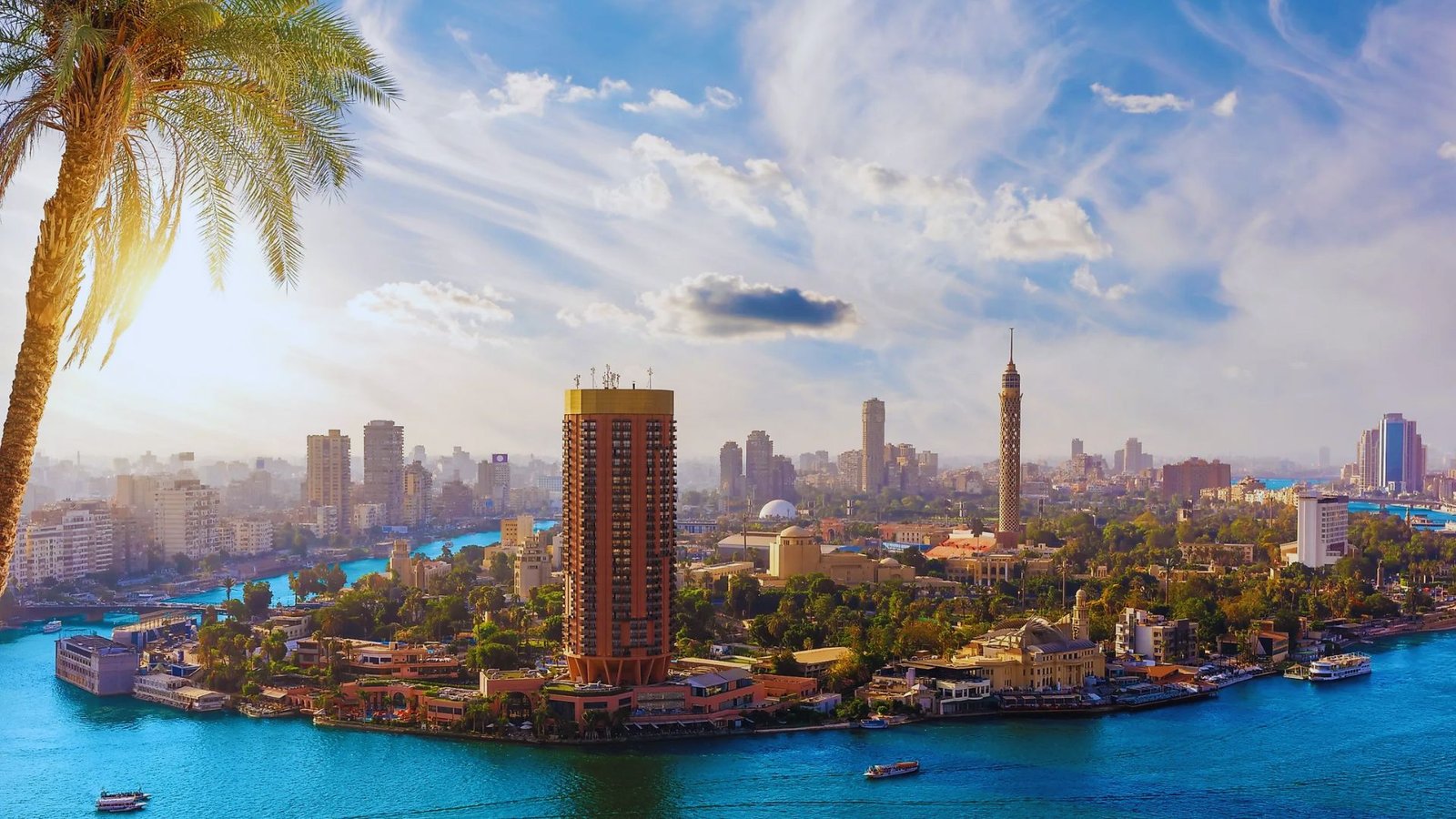
Downtown Cairo near Tahrir Square puts you close to museums, restaurants, and transportation. Mid-range hotels like Steigenberger Hotel El Tahrir cost $80-120 per night.
Staying in Giza lets you walk to the pyramids and beat crowds by arriving early. Hotels like Pyramid View Inn range from $40-100 per night but require Uber or taxis to reach other attractions.
Luxury options include Four Seasons at Nile Plaza and Marriott Mena House ($200-400 per night), while budget travelers can find hostels for $15-30 per night.
Getting Around Cairo
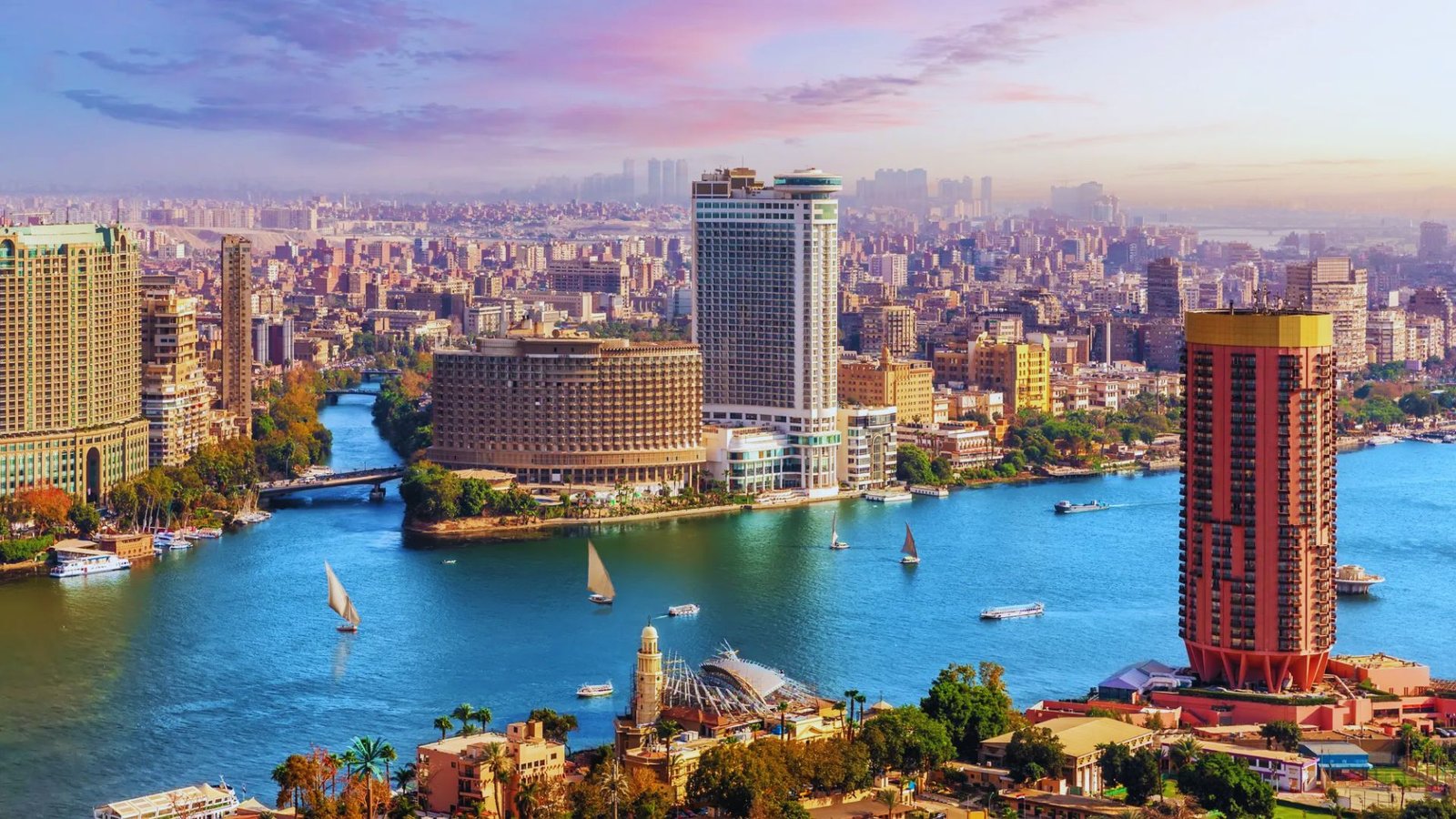
Uber works brilliantly in Cairo and costs much less than tourist taxis, typically 30-60 EGP ($1-2 USD) across the city. I used it for almost everything.
A private guide costs $50-100 per day and handles transportation, tickets, and explanations. Guides know how to avoid crowds and scams while providing historical context you’d miss otherwise.
Egypt Itinerary 5 Days Overview

Day 1 focuses on Old Cairo’s religious sites and Islamic architecture. Day 2 takes you to the Pyramids of Giza and Saqqara. Day 3 covers museums and the Citadel.
Day 4 is a full-day trip to Alexandria. Day 5 wraps up with shopping at Khan El-Khalili bazaar.
This plan keeps similar attractions grouped together to minimize driving time. You’ll have enough time at each site without feeling rushed through Egypt’s highlights.
Day 1: Old Cairo & Islamic Cairo

Start at Coptic Cairo, where ancient Christian churches cluster together.
The Hanging Church dates to the 3rd century, while Saint Sergius Church marks where Mary, Joseph, and baby Jesus supposedly rested. Entrance is free, though donations are appreciated.
Ben Ezra Synagogue stands nearby one of Cairo’s oldest Jewish temples with beautiful Hebrew inscriptions (entry about 100 EGP).
End your day at Al-Azhar Park for green space and incredible views over Islamic Cairo. Come in late afternoon for sunset views over the city’s minarets (entry 20 EGP).
I watched the call to prayer echo across the city as the sun went down the perfect introduction to Cairo.
Day 2: Pyramids of Giza and Saqqara
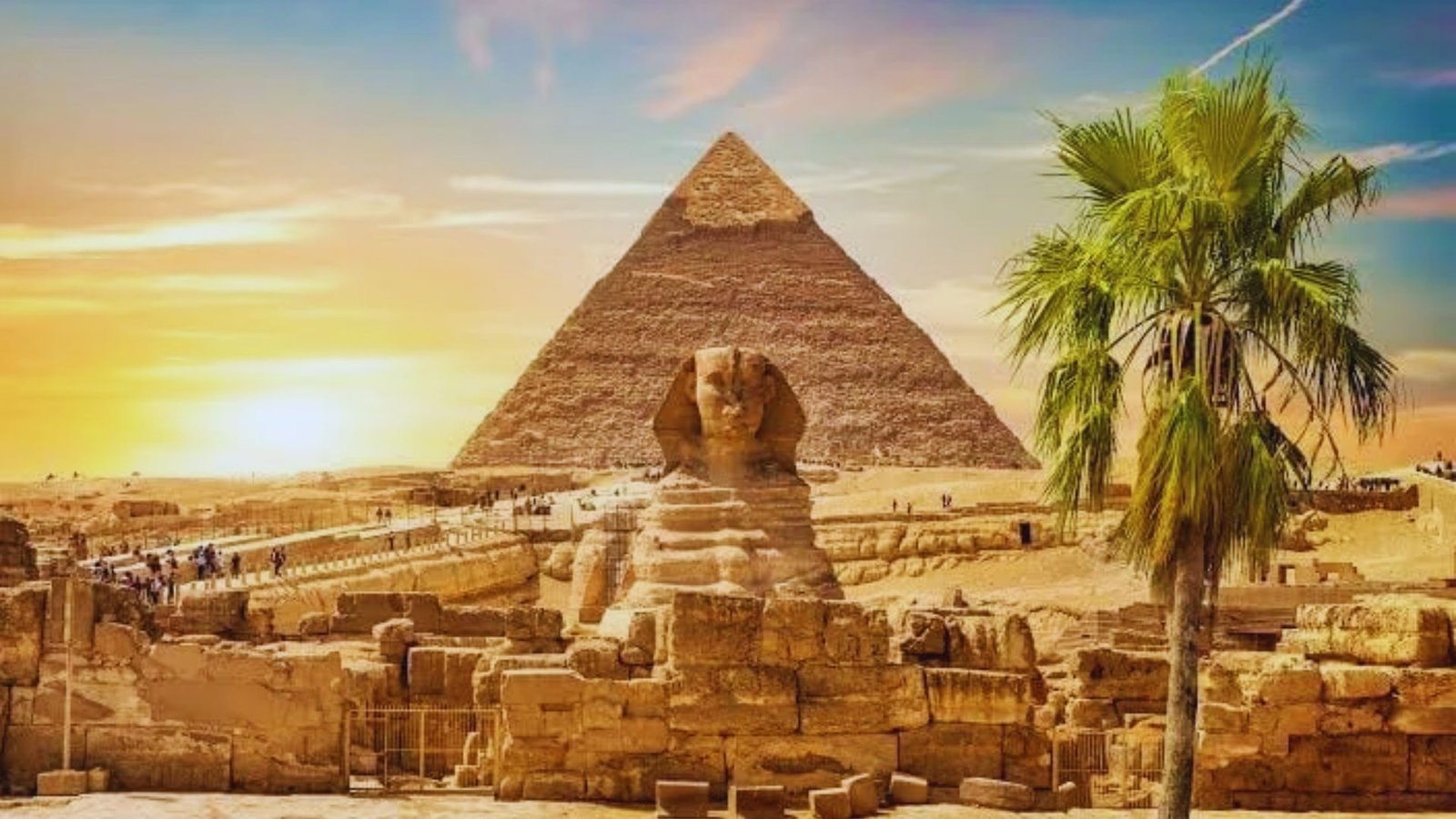
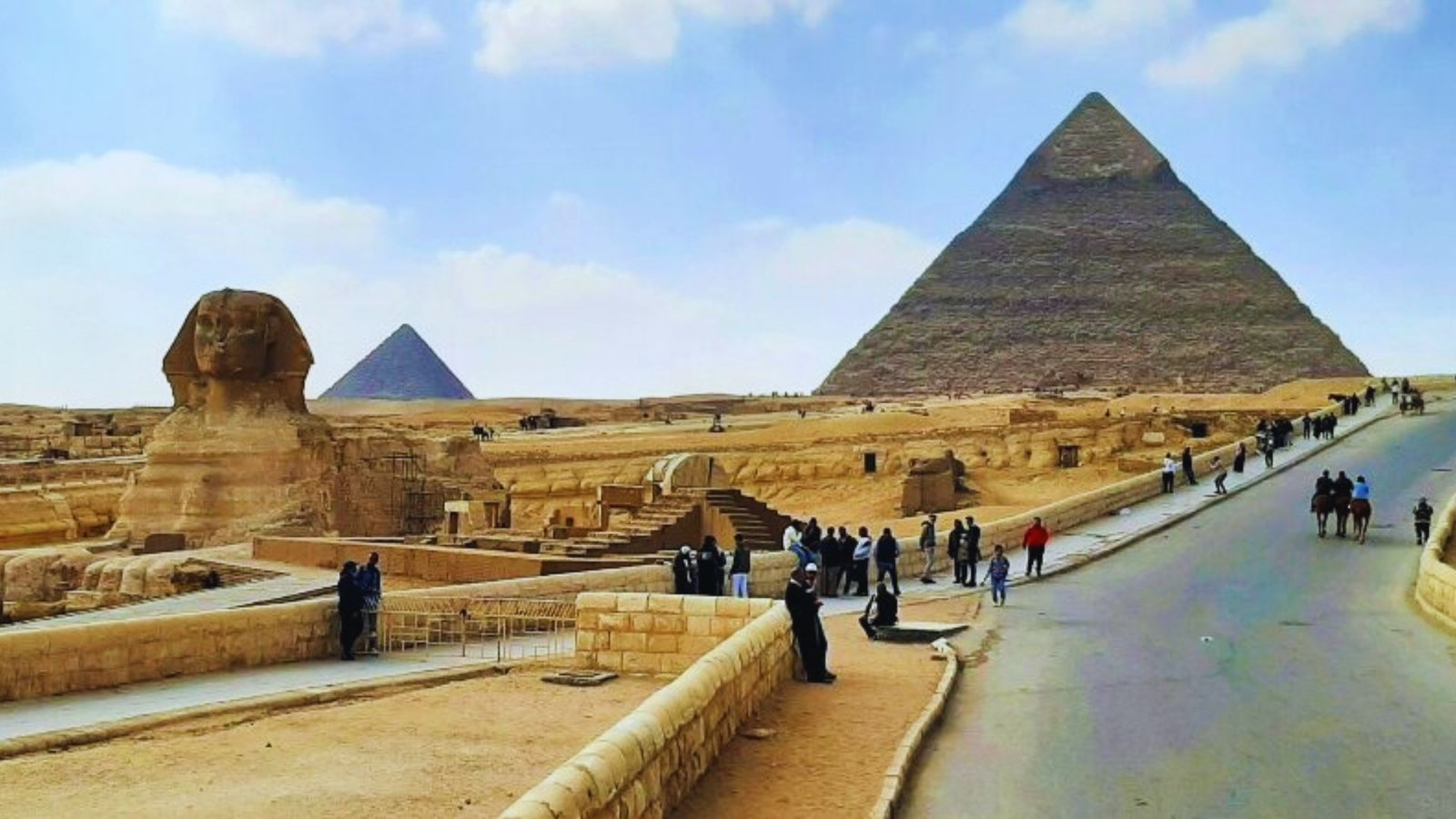
Arrive at Giza by 8 AM to beat crowds and heat. The Great Pyramid of Khufu stands 481 feet tall with 2.3 million stone blocks.
Complex tickets cost 540 EGP, with pyramid interiors costing extra (400 EGP for Khufu). Allow three hours minimum.
The Sphinx sits east of the pyramids. The best photo spot is from the viewing platform behind it, or the panoramic viewpoint south of the complex showing all three pyramids aligned.
Saqqara lies 30 kilometers south. The Step Pyramid of Djoser is the world’s oldest stone monument (built around 2650 BC). Entry costs 450 EGP.
I actually preferred Saqqara to Giza; it felt more authentic with fewer tourists.
Day 3: Museums and the Citadel
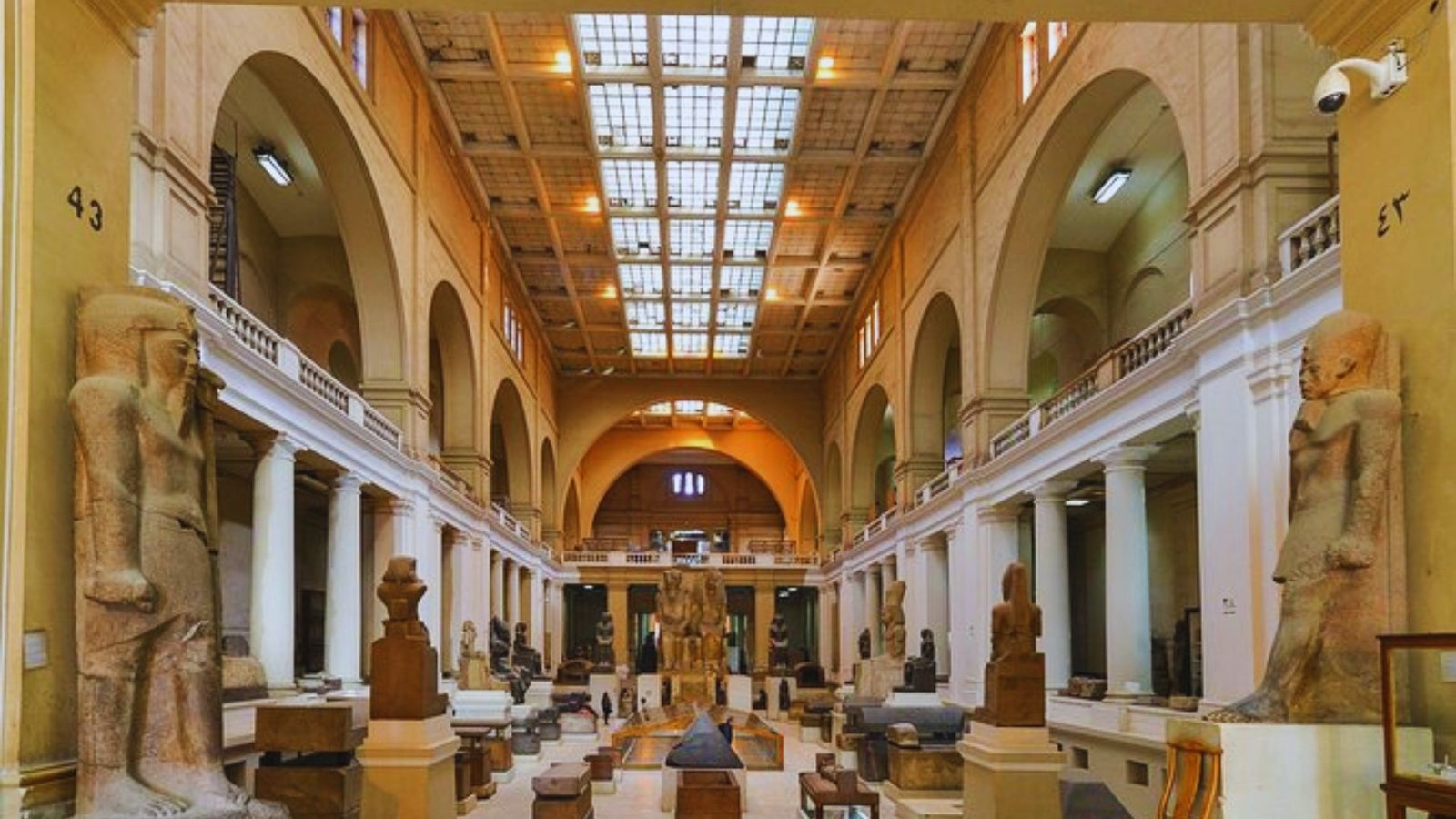
The Grand Egyptian Museum (GEM) opened in 2024 near the pyramids. It’s now the world’s largest archaeological museum for one civilization.
King Tutankhamun’s complete collection lives here, including his gold death mask. Tickets cost around 600 EGP plan for 3-4 hours minimum.
The Citadel of Salah El-Din dominates Cairo’s skyline from its hilltop position (entry 300 EGP). Inside sits the Mosque of Muhammad Ali with Ottoman architecture, tall minarets, and alabaster walls.
Visit in late afternoon when tour groups thin out.
Day 4: Alexandria Day Trip
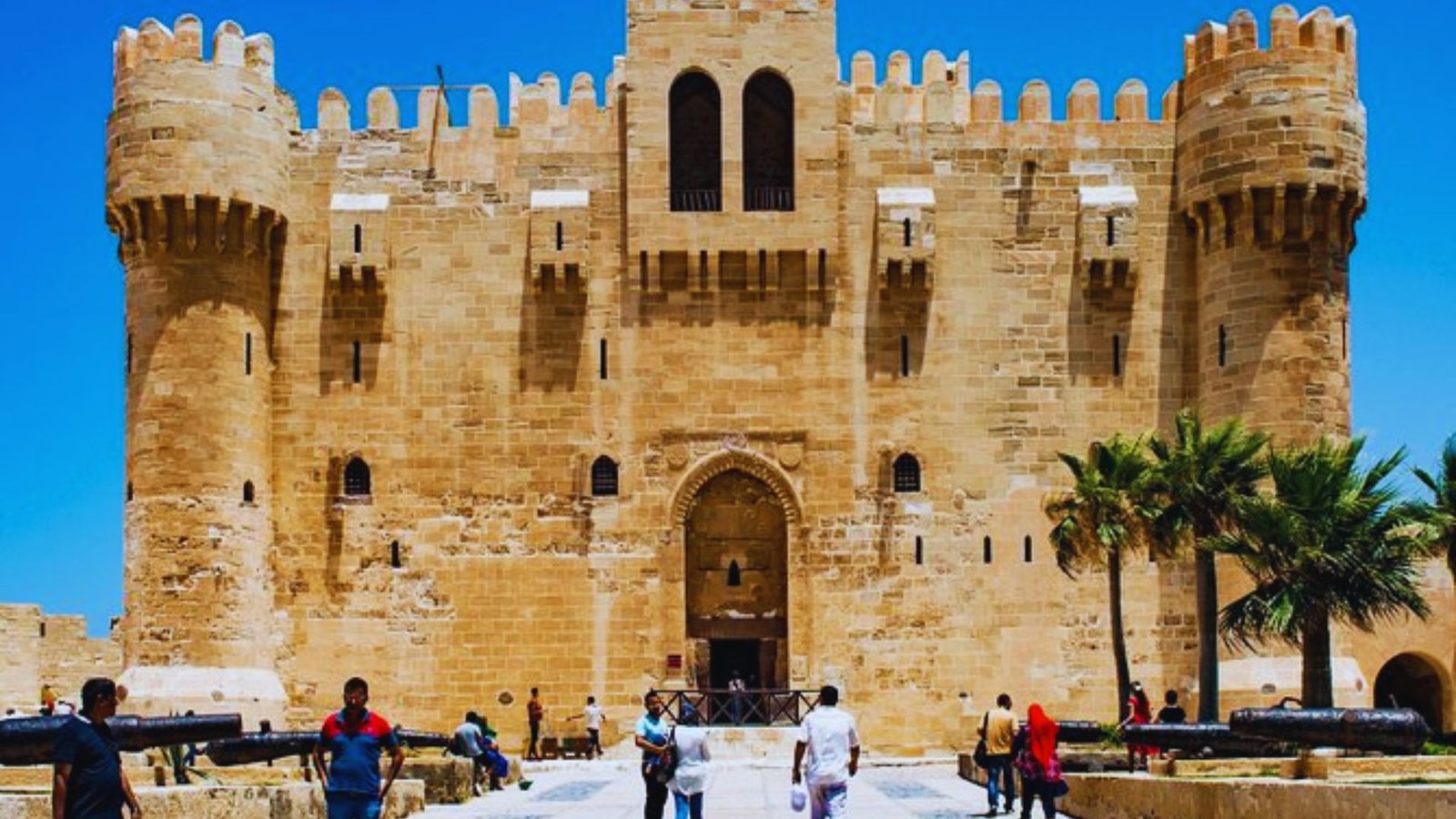
Alexandria sits 220 kilometers north of Cairo. Most visitors book day tours ($50-80 per person) leaving Cairo by 7 AM. You can also take the train from Ramses Station for 85 EGP.
Visit the Catacombs of Kom el Shoqafa, underground tombs blending Egyptian, Greek, and Roman styles (100 EGP). Pompey’s Pillar nearby is a massive granite column from 297 AD (80 EGP).
The modern Library of Alexandria recreates the ancient world’s most famous library. The reading rooms are free, the museum costs 100 EGP. I loved the peaceful atmosphere after busy Cairo.
Walk the Corniche waterfront promenade and stop for seafood lunch Alexandria is famous for fresh fish. Qaitbay Citadel sits on the site of the ancient Pharos Lighthouse.
Day 5: Khan El-Khalili & Departure
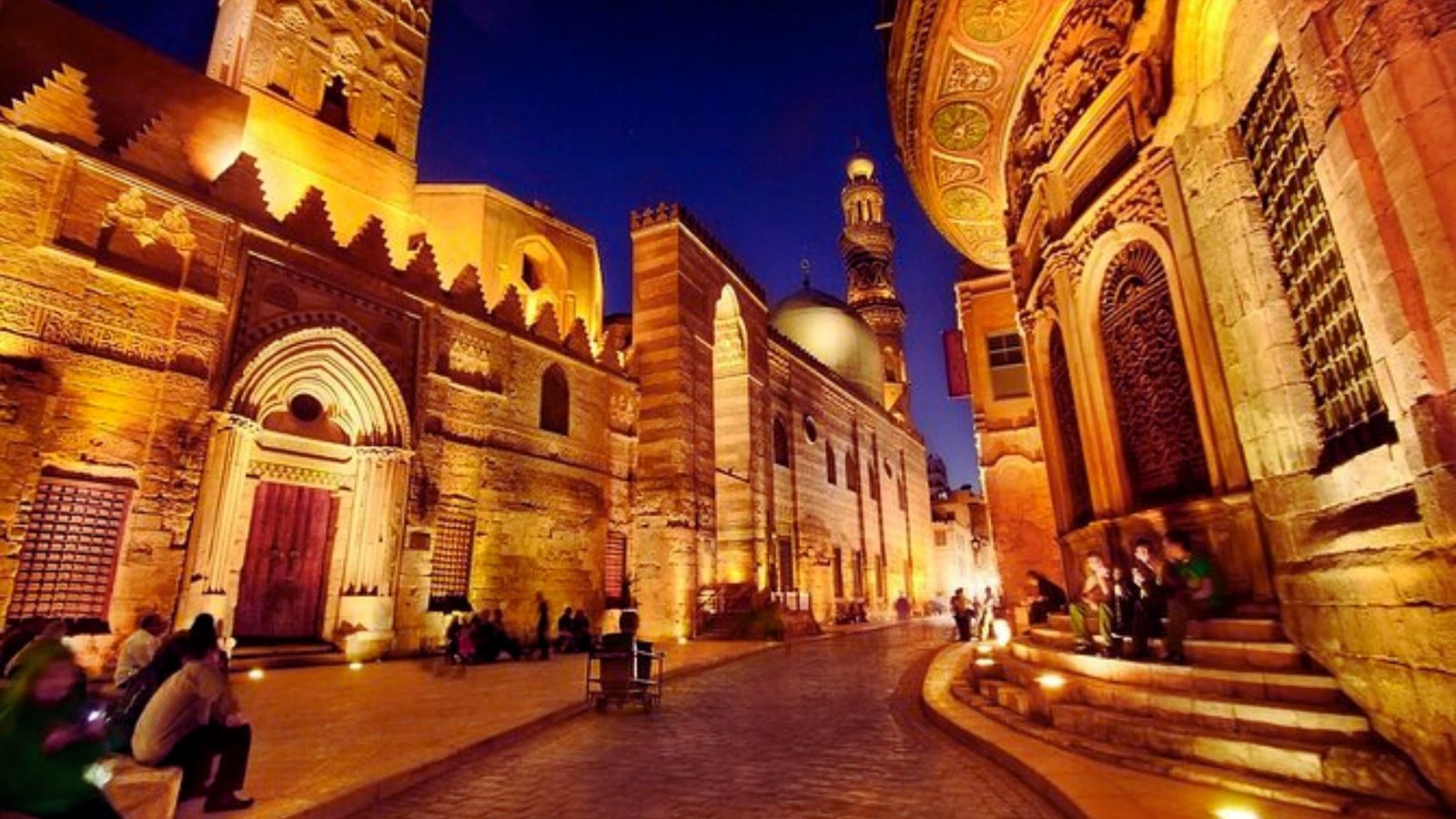
Spend your final morning at Khan El-Khalili, Cairo’s oldest market operating since the 14th century.
Haggling is expected to start at 50% of the asking price. Good items include papyrus paintings, silver cartouche jewelry, and spices.
Go early (8-9 AM) before it gets hot and crowded. El Fishawi Café has operated here for over 200 years perfect for mint tea while watching daily life unfold.
If your flight leaves late, take a felucca ride on the Nile (150-250 EGP per boat for an hour). I did this on my last afternoon as the perfect way to say goodbye to Egypt.
Tips for First-Time Visitors
Avoid common scams: False guides near pyramids will demand large tips. Perfume shops pressure visitors into expensive purchases. Use Uber instead of taxis claiming broken meters. Say “La shukran” (no thank you) firmly and repeatedly.
Photography tips: Bring a wide-angle lens. Early morning (7-9 AM) offers the best light and fewest crowds. The panoramic viewpoint south of Giza captures all three pyramids.
Cultural considerations: Dress modestly at religious sites. Remove shoes before entering mosques. Women should cover their hair with a scarf. During Ramadan, many restaurants close during the day. Friday is the holy day with reduced hours at some sites.
Conclusion
This Egypt itinerary of 5 days gives you a solid taste of ancient history and modern Egyptian life.
You’ll see pyramids standing for over 4,000 years, walk through pharaohs’ treasures, and experience Cairo’s energy firsthand.
I learned that Egypt works best when you plan ahead but stay flexible. Traffic happens. Sites get crowded. But those moments sipping tea while watching sunset over Cairo’s minarets make every challenge worth it.
Start booking your accommodations and tours soon. The pyramids aren’t going anywhere, but your vacation time is precious.
Have questions about planning your trip? Drop a comment below and I’ll help however I can.
Frequently asked questions
How much does a 5-day Egypt trip cost?
Budget travelers manage $50-70 daily. Mid-range visitors need $100-150 daily. Luxury travelers spending $300+ get five-star hotels and private guides.
Can I visit the pyramids without a tour?
Yes, using Uber or taxi. However, guides provide historical context and help avoid scams. First-timers usually benefit from having a guide.
What’s the best area to stay in Cairo?
Downtown Cairo near Tahrir Square offers proximity to museums and restaurants. Giza near the pyramids means waking up to pyramid views but requires more travel to other sites.
Is it safe to drink tap water in Egypt?
No. Stick to bottled water, which is cheap and available everywhere. Also avoid ice in drinks and brush teeth with bottled water.
Do I need vaccinations before visiting Egypt?
No required vaccinations exist for Egypt, but doctors recommend being current on routine shots like tetanus and hepatitis A. Talk to your doctor 6-8 weeks before traveling. Typhoid and hepatitis B vaccines make sense for longer stays or if you’ll be eating lots of street food.