
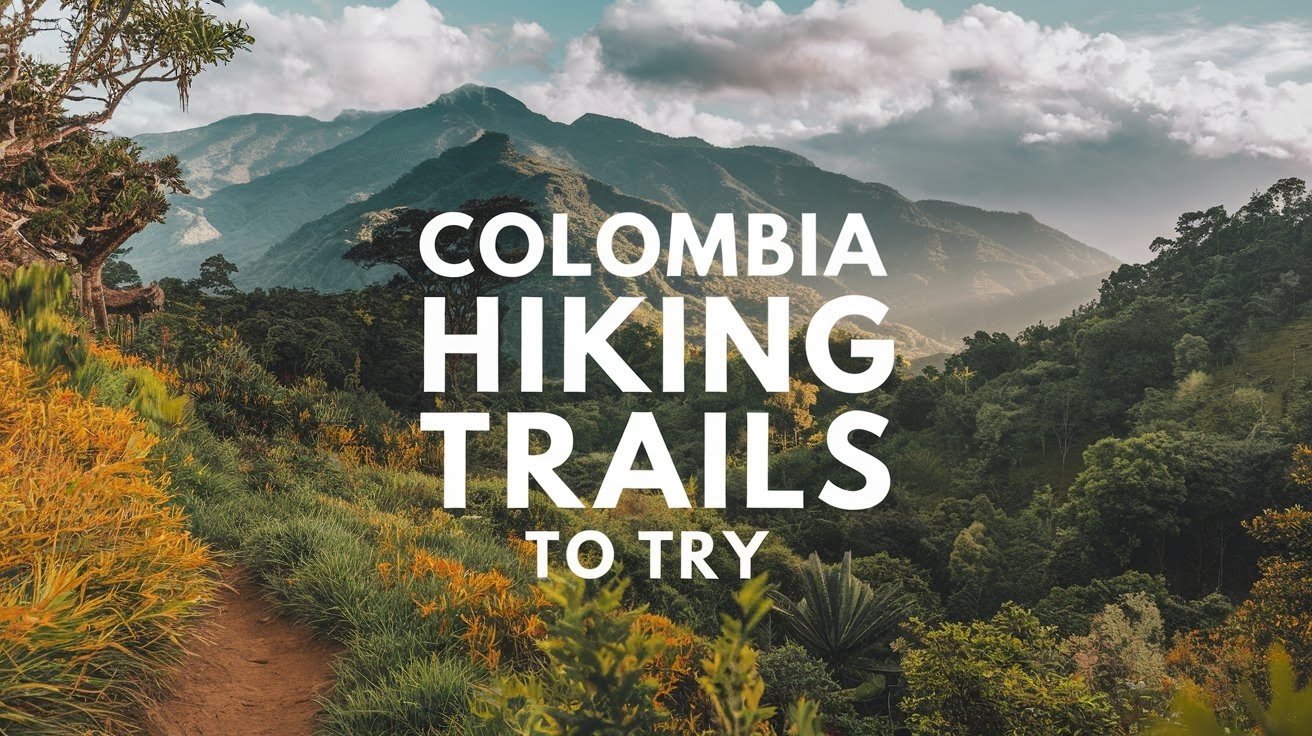



I fell in love with hiking in Colombia the first time I set foot on a cloud forest trail.
The mix of jungles, mountains, volcanoes, and coastal paths kept pulling me back for more. Every hike feels different, and that’s what makes this country so special.
I created this guide because I want you to experience what I did.
Whether you’re lacing up your boots for the first time or you’re a seasoned hiker looking for your next challenge, these 15 trails have something for you.
Trust me, Colombia will surprise you in the best ways possible.
Why Hike in Colombia?

Colombia offers something most countries can’t match. You get rainforests, snow-capped peaks, active volcanoes, and beaches all in one place.
I’ve seen howler monkeys swinging overhead, colorful toucans, and orchids I couldn’t even name. The wildlife here is incredible.
What I really appreciate is how accessible these trails are. Most paths are clearly marked, so you won’t get lost easily. You’ll find gentle walks for beginners and tough climbs for experienced hikers.
Timing matters, though. December to March and July to August give you the driest weather. I’ve hiked during the rainy season too, but dry trails make everything easier and more enjoyable.
Top 15 Colombia Hiking Trails to Try
These trails show you the best of Colombia. Each one offers something different, from waterfalls to mountain peaks to ancient ruins.
1. Mirador de las Torres Trail (Santander)

This 8.3 km moderate hike takes you through Santander’s stunning canyon country. The green mountains here look almost unreal, especially when you catch sight of the waterfalls cascading down the rocks.
The viewpoint at the end gives you a perfect spot to rest and take photos. I recommend starting early to avoid the midday heat and catch the best light for those canyon views.
2. La Chorrera Waterfall Trail (Cundinamarca)

At 8.4 km, this moderate trail leads you to Colombia’s tallest waterfall. The forest walk itself is peaceful and shaded, which makes the hike comfortable even on warmer days.
When you finally see La Chorrera dropping 590 meters, it’s worth every step. The mist from the falls cools you down after the climb. Bring a rain jacket because you’ll get wet near the base.
3. Laguna de Iguaque Loop (Boyacá)

This 11.1 km hard trail climbs through the paramo ecosystem to reach a sacred lagoon. The altitude makes this one challenging, sitting at over 3,800 meters.
Local indigenous communities consider this lake holy, and when you see it surrounded by misty peaks, you’ll understand why. The unique vegetation here looks like something from another planet. Give yourself time to adjust to the elevation before attempting this hike.
4. Cerro Tusa Summit Trail (Antioquia)

Don’t let the short 3.2 km distance fool you. This hard trail climbs a steep pyramid-shaped mountain that locals call the natural pyramid. The ascent is relentless, but the 360-degree views from the top are incredible.
You can see the valley spreading out below and mountains stretching in every direction. It’s a tough morning workout, but you’ll be done before lunch and have amazing photos to show for it.
5. Paramo de Oceta Trail (Boyacá)

This 7.6 km moderate hike takes you through one of Colombia’s most beautiful paramo landscapes. The frailejones plants here are iconic, with their fuzzy leaves and yellow flowers creating an otherworldly scene.
The high-altitude environment feels almost magical, especially when fog rolls through. The trail is well-maintained, making it accessible for most hikers. I suggest visiting during dry season for the clearest views and easiest walking conditions.
6. Laguna del Otún Trail (Risaralda)

This 8.9 km moderate trail brings you to a pristine mountain lake in the Andes. The scenery shifts as you climb, starting in cloud forest and opening up to alpine meadows. The lake itself sits in a valley surrounded by peaks, creating perfect reflections on calm days.
You might spot spectacled bears if you’re lucky. Pack warm layers because temperatures drop significantly at this altitude, even during sunny weather.
7. Santa Isabel Volcano Summit (Risaralda)

At 20 km, this hard trail is a serious commitment. You’ll climb to see actual glacier landscapes, which are rare in Colombia. The alpine views from up here are breathtaking, with ice and rock creating a dramatic contrast.
This hike requires proper gear, acclimatization, and ideally a guide. Start before dawn to reach the summit and return safely. The physical challenge is real, but standing on a glaciated volcano is an unforgettable experience.
8. Cocora Valley to Alteno (Quindío)

This 16.1 km hard hike through Cocora Valley is probably Colombia’s most famous trail. The wax palms here grow up to 60 meters tall, creating a surreal landscape. You’ll cross swinging bridges over rivers and climb through cloud forest to reach excellent viewpoints.
The full loop is long but manageable for fit hikers. I love how this trail combines multiple ecosystems in one day, giving you forests, valleys, and mountain views.
9. Mirador Salamina Valley Trail (Caldas)

This 10.5 km moderate hike shows you Colombia’s coffee country at its finest. Rolling hills covered in green create a patchwork landscape that’s quintessentially Colombian. The trail passes through rural areas where you might meet local farmers.
The viewpoint gives you sweeping views of the valley below. It’s a gentler hike compared to some others on this list, making it perfect for a relaxed day in the mountains.
10. Páramo El Verjón Trail (Cundinamarca)

This 11 km moderate trail takes you through thick cloud forest into the misty paramo. Wildlife is common here, including birds and small mammals adapted to the cold, wet environment. The fog creates an atmospheric experience, though it can limit visibility.
Dress in layers because temperatures change quickly. The trail is accessible from Bogotá, making it a great option if you’re based in the capital and want a quick mountain escape.
11. El Peñol de Guatapé Loop (Antioquia)

This 3.6 km moderate hike includes climbing the famous Peñol Rock. You’ll tackle 740 steps built into the side of this massive monolith.
The view from the top shows the colorful town below and the lake system stretching across the landscape. After descending, the loop trail takes you around the base. It’s a fun half-day activity that combines hiking with a bit of stair climbing and cultural sightseeing.
12. Pico de Loro Summit (Valle del Cauca)

This 11.6 km hard trail climbs through dense forest to reach a ridgeline with expansive views. The vegetation is thick, providing shade for most of the ascent. Once you reach the ridge, you’ll understand why locals love this peak.
The forest here feels primeval and untouched. Bring plenty of water because the humidity makes this hike more demanding than the distance suggests. The summit offers a satisfying payoff for your effort.
13. El Cocuy National Park Ritacuba Trail (Boyacá)

This hard trail in El Cocuy varies in distance depending on your route choice. You’ll see snowcapped peaks and actual glaciers, which is rare this close to the equator. The high-altitude trekking here is serious business, requiring acclimatization and proper equipment.
The landscape feels almost Himalayan with its dramatic peaks and ice fields. Check current access rules before planning, as the park sometimes limits visitors to protect the fragile ecosystem.
14. Tayrona National Park Coastal Hike (Magdalena)

This 13 to 20 km easy to moderate trail follows Colombia’s Caribbean coast. You’ll walk through jungle that opens onto perfect beaches with turquoise water. Wildlife like monkeys and iguanas are common sightings.
The trail connects several beaches, so you can swim and rest between hiking sections. Start early to avoid the heat and give yourself time to enjoy the beaches. It’s hiking with built-in beach breaks, which is pretty perfect.
15. The Lost City Trek (Sierra Nevada de Santa Marta)

This 45 km hard trek is a multi-day adventure to ancient ruins. You’ll hike through jungle, cross rivers, and climb stone steps built centuries ago. The Lost City itself predates Machu Picchu and feels more remote and authentic.
You’ll sleep in camps along the way and learn about indigenous communities who still live in these mountains. This trek requires a guide and good fitness, but it’s one of South America’s most rewarding hikes.
Essential Tips for Hiking in Colombia
- Pack layers, waterproof gear, and sturdy boots for changing weather conditions. Bring a headlamp, first aid kit, and plenty of water since trail facilities are limited in remote areas.
- Hire local guides for challenging trails like Lost City or El Cocuy. They know the routes, weather patterns, and can help with language barriers in rural communities.
- Acclimatize properly before high-altitude hikes to avoid altitude sickness. In jungle areas, wear long sleeves, use insect repellent, and stay on marked paths to avoid getting lost.
- Some national parks require entrance fees ranging from $10 to $25. Popular trails like Lost City need permits booked weeks in advance through licensed tour operators only.
- Check trail conditions before heading out, especially during rainy season when paths get muddy. Tell someone your hiking plans and expected return time for safety purposes.
Conclusion
So which trail should you start with? I always tell people to be honest about their fitness level. If you’re new to hiking or testing your legs, Cocora Valley is your best bet. The scenery is incredible and the trail is manageable.
For experienced hikers who want a real challenge, Santa Isabel Volcano will push you in the best way. And if you’ve got time for a multi-day trip, The Lost City is an experience you’ll talk about for years.
Pick a trail, pack your bag, and go. Colombia’s mountains are waiting for you.
Frequently Asked Questions
What is the best time to hike in Colombia?
The dry seasons from December to March and July to August offer the best conditions. You’ll get clearer views and less muddy trails during these months.
Do I need a guide for hiking in Colombia?
Some trails like Lost City and El Cocuy require guides by law. For other trails, guides are optional but helpful for navigation and safety, especially if you don’t speak Spanish.
How difficult are Colombia’s hiking trails?
Colombia has trails for every skill level, from easy coastal walks in Tayrona to challenging climbs like Santa Isabel Volcano. Always check the distance and elevation gain before choosing a trail.
What should I pack for hiking in Colombia?
Bring layers for temperature changes, rain gear, sturdy boots, and plenty of water. Don’t forget sunscreen, insect repellent, and a basic first aid kit for longer hikes.
Are Colombia’s hiking trails safe?
Most popular trails are safe and well maintained. Stay on marked paths, hike during daylight hours, and let someone know your plans. Hiring local guides adds an extra layer of safety.