
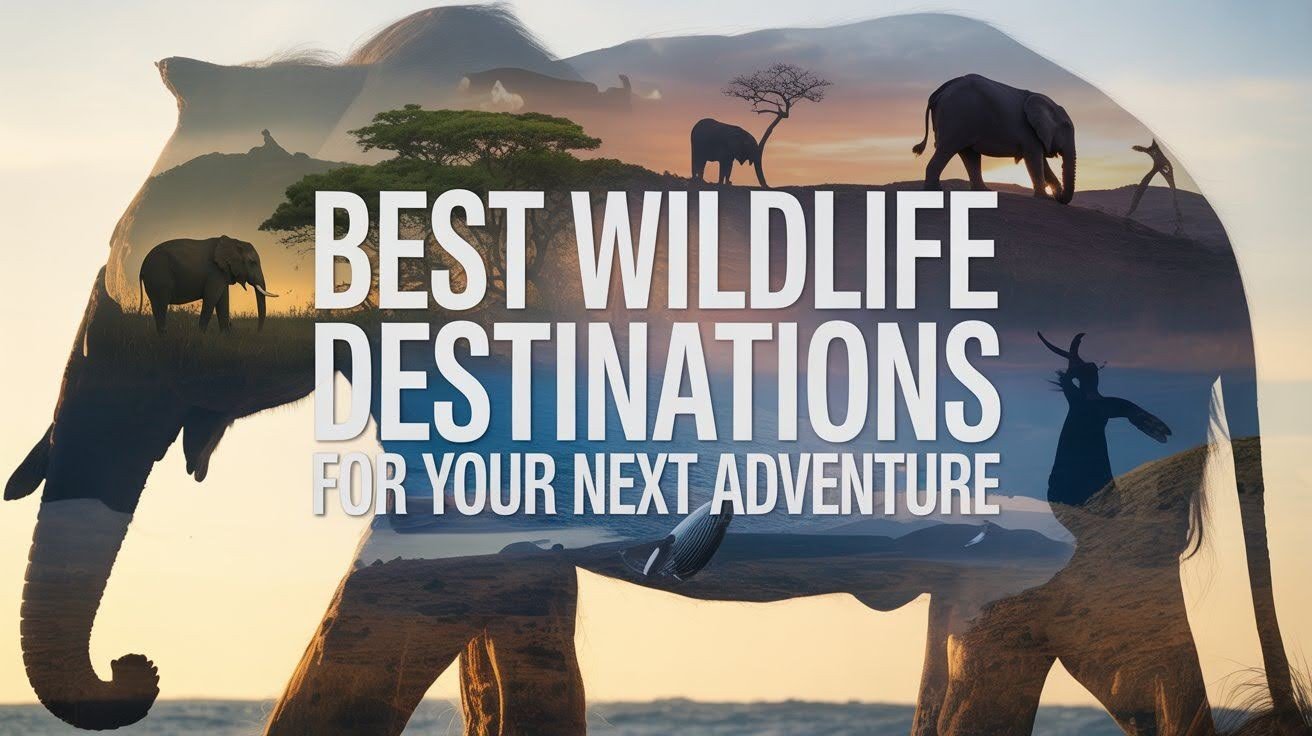



Want to see animals living wild and free? This guide covers the 13 best wildlife destinations where you can watch incredible creatures in their natural homes.
I’ve researched spots across six continents to help you plan a trip that’s both thrilling and responsible. You’ll find out where to go, what animals you’ll see, and where to stay.
From African elephants to whale sharks, these places offer real encounters with nature. I’ll also share tips on ethical viewing and how to make your visit count for conservation.
Let’s find your next wildlife destination together.
Why Wildlife Travel Matters

Watching animals in the wild changes how you see the world. When you spot a lion hunting or elephants caring for their young, you understand these creatures in ways no documentary can show. Time in nature also reduces stress and improves mental health.
Your trip can help protect wildlife. Many reserves use tourism money to fund anti-poaching patrols and habitat restoration. Zakouma National Park in Chad went from losing hundreds of elephants yearly to gaining population thanks to tourism revenue.
Follow these rules for responsible viewing. Stay quiet and keep your distance. Never feed wild animals. Choose operators who follow ethical standards. Skip attractions where animals perform tricks or live in enclosures.
Top Wildlife Destinations
From African savannas to tropical reefs, these spots offer incredible animal encounters in their natural habitats.
From African savannas to tropical reefs, these spots offer incredible animal encounters in their natural habitats.
1. Zakouma National Park, Chad

Central Africa’s Zakouma offers one of the continent’s great wildlife comebacks. The park now protects over 600 elephants, plus huge herds of buffalo and countless birds.
Elephants gather at waterholes in massive groups alongside giraffes, lions, and rare Kordofan giraffes.
Bird lovers can find more than 400 species here. Tinga Camp provides comfortable tents with views over the floodplains while Camp Nomade offers a more rustic experience.
Visit between November and May during the dry season when animals concentrate around water sources.
2. Pousada Trijuncao, Brazil

This private reserve in Brazil’s Cerrado region protects one of the world’s most threatened ecosystems. Few tourists come here, which means you’ll have incredible sightings almost to yourself.
The main draw is maned wolves, those striking red canids with black legs. Black jaguars patrol the grasslands. You might spot giant anteaters, tapirs, dwarf caimans, and over 250 bird species.
Pousada Trijuncao is the only lodge in the area. June through September offers the best wildlife viewing in the dry season.
3. Okavango Delta, Botswana

The Okavango creates a wetland paradise in the middle of Kalahari Desert. Water flows here from distant highlands, bringing life to an otherwise dry landscape.
African wild dogs hunt in coordinated packs while elephants cross channels between islands.
You’ll find impala, buffalo, lions, leopards, and extraordinary birdlife. Sandibe Okavango Safari Lodge combines luxury with serious wildlife access. May through October brings peak game viewing as animals concentrate around shrinking water sources.
4. The Maldives

Most people think of beaches when they hear “Maldives,” but the real action happens underwater. The coral reefs here rank among the world’s most biodiverse.
Coral formations host thousands of reef fish species. Nudibranchs in wild colors crawl along the bottom while manta rays glide through the water.
Whale sharks pass through certain channels. InterContinental Maldives Maamunagau Resort offers direct reef access.
November through April has the best visibility while whale sharks appear from May through November.
5. UK Coasts: Pembrokeshire, Cornwall, Scotland

Britain’s coastline offers excellent wildlife without long flights. The cold waters here attract species rarely seen in warmer seas.
Grey seals haul out on rocky beaches. Bottlenose dolphins hunt in bays. Basking sharks feed near the surface in summer.
Seabird colonies cover cliff faces. Campsites along the coast let you wake up to ocean views. Airbnbs and holiday homes work well for families.
Visit May through September for the warmest weather and most active wildlife.
6. Osa Peninsula, Costa Rica

This corner of Costa Rica packs more species per square mile than almost anywhere else. Rainforest covers mountains that drop straight into the Pacific.
Gliding tree frogs float between branches. Sea turtles nest on beaches. You’ll spot sloths, monkeys, toucans, and scarlet macaws.
Jaguars live here but rarely show themselves. Osa Conservation Campus offers rustic accommodations with guided nature walks included.
December through April brings drier weather, but May through November has fewer tourists.
7. French Pyrenees

The mountains between France and Spain harbor species found nowhere else. High meadows and rocky peaks create habitat for specialized alpine wildlife.
Rare butterflies flutter across mountain meadows. Golden eagles soar on thermals.
Pyrenean chamois leap across impossible cliffs. Brown bears roam remote valleys. Mountain lodges provide meals and beds along hiking routes.
Wild camping is allowed in many areas. Visit June through September when high passes are snow-free.
8. Hang Son Doong Cave, Vietnam

The world’s largest cave creates its own ecosystem underground. A collapsed ceiling lets jungle grow inside the mountain. Stalagmites reach heights of 70 meters. Underground rivers flow through massive chambers.
The jungle growing inside hosts unique plants and insects adapted to low light. Oxalis Adventures runs the only tours allowed in the cave.
Their four-day expedition includes camping inside the cave itself. Visit February through August when water levels allow safe passage.
9. Saturna Island, Canada

This small island in British Columbia sits in the path of migrating whales. The surrounding waters are rich with marine life. Killer whales hunt salmon along the coast.
Humpback whales breach and feed. Bald eagles perch in shoreline trees.
In spring, thousands of garter snakes emerge from winter dens. Local lodges offer whale-watching tours. Some include kayaking trips for closer encounters.
Visit May through October for whale sightings or late April for the snake emergence.
10. Monkey Bay, Malawi

Lake Malawi contains more fish species than any other lake on Earth. The clear water lets you watch complex behaviors unfold.
Cichlid fish come in every color imaginable. Watch mothers protect eggs in their mouths.
Different species occupy specific territories and niches. Mufasa Eco Lodge provides beach access and snorkeling gear.
The owners can point you to the best viewing spots. April through November offers the clearest water.
11. Kri Island, Raja Ampat, Indonesia

Raja Ampat has documented more fish and coral species than anywhere else in the ocean. The marine biodiversity here is unmatched.
Reef sharks patrol the shallows. Manta rays visit cleaning stations. Archerfish shoot insects from overhanging branches.
Blue water mangroves create nurseries for countless species. Kri Eco Resort sits on a private beach with house reef access.
Multiple dive sites are minutes away. October through April brings calm seas and good visibility.
12. Tambopata Nature Reserve, Peru

The Amazon rainforest reaches peak diversity in southeastern Peru. Tambopata protects a vast area where the canopy stretches unbroken for miles.
Clay licks attract hundreds of macaws and parrots each morning. Spider monkeys and howler monkeys move through the treetops.
You might spot giant river otters, caimans, or even a jaguar. Tambopata Research Station offers basic accommodations with expert guides.
Several eco-lodges provide more comfort. April through November brings less rain and easier trail access.
13. Fulidhoo, Maldives

This local island offers a different Maldives experience than resort islands. You’ll live alongside the community and dive the same pristine reefs.
Coral gardens host tropical fish in huge numbers. Manta rays feed in channels between islands.
Nurse sharks rest in the shallows. The village gives you insight into traditional Maldivian life. Small eco-lodges run by local families provide accommodation.
November through April offers the calmest conditions.
Planning Your Ultimate Wildlife Trip
Choose your destination based on what animals you want to see, your budget, and the time you have available.
- Pick destinations that match your interests and abilities. Africa excels for large mammals while tropical oceans offer diverse marine life. Consider your budget, available time, and physical fitness level.
- Time your visit for the best wildlife viewing. Dry seasons offer better sightings as animals gather at water sources. Wet seasons bring babies, migrants, and fewer tourists with better prices.
- Follow ethical practices to protect wildlife. Book with certified operators who respect distance rules. Support local communities by hiring local guides and buying from local businesses.
- Plan multi-stop trips carefully for maximum enjoyment. Spend at least three nights per location and group similar climates together. Build in rest days since wildlife watching starts early and ends late.
- Bring proper photography equipment and learn to use it. Use a telephoto lens (300mm minimum) to keep respectful distances. Shoot during early morning or late afternoon for the best light.
Conclusion
These 13 destinations offer incredible chances to see wildlife in their natural homes. I’ve watched elephants in Africa and snorkeled with manta rays, and those moments changed how I see our planet.
The animals need our help now more than ever. When you visit responsibly, your trip supports the people and programs protecting these species.
Pick a destination that excites you and start planning. Read up on the animals you’ll see. Find ethical operators. Then go witness nature’s wonders for yourself.
Come back and share your experiences in the comments below.
Frequently Asked Questions
What’s the best time to visit wildlife destinations?
Most places are best during the dry season when animals gather at water sources. Arctic regions are different, with summer bringing the most wildlife activity.
How much does a wildlife trip cost?
African safaris run $300-800 daily while budget options like UK camping cost under $50. Prices vary widely based on destination and accommodation choices.
Do I need special photography equipment?
A telephoto lens (300mm minimum) helps you capture animals from safe distances. Phone cameras work for basic shots but lack the zoom power needed.
How can I ensure my visit helps conservation?
Choose certified operators that employ local staff and always follow viewing rules. Your tourism dollars fund protection when spent with responsible businesses.
What should I pack for a wildlife trip?
Bring neutral clothing, binoculars, sun protection, insect repellent, and a camera. Check your destination for specific needs like wetsuits or hiking boots.