




Death Valley National Park sits in one of the hottest places on Earth. Picking the wrong time to visit can ruin your entire trip.
I learned this the hard way during my first visit in late June when the heat forced me back to my car within minutes. That experience taught me everything about timing a desert trip right.
This guide covers the best time to visit Death Valley based on real weather patterns and crowd levels.
By the end, you’ll know exactly when to book your trip for the experience you want.
Why Timing Your Visit Matters
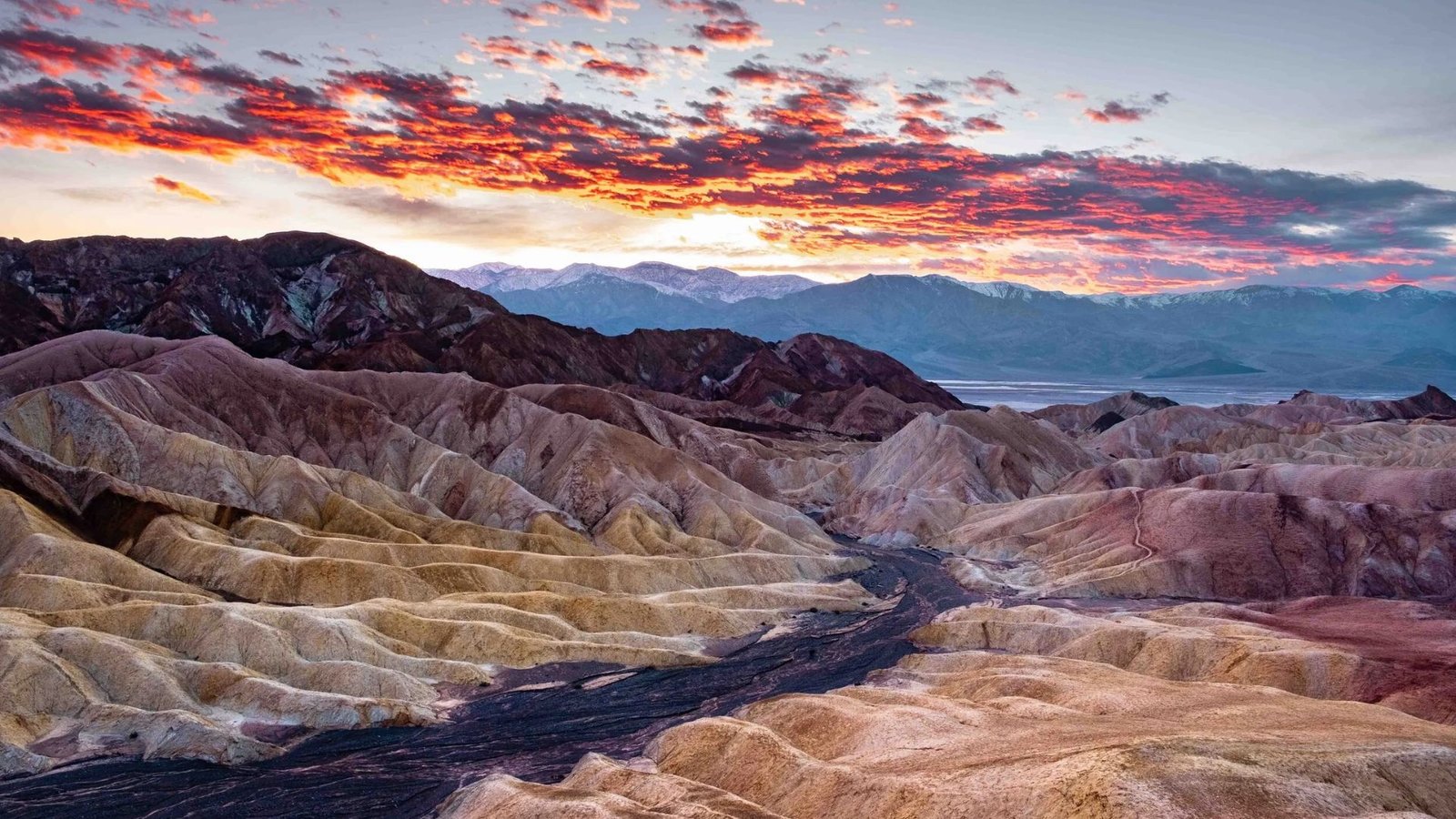
Death Valley isn’t like other national parks. The weather here shifts dramatically between seasons, and picking the wrong time can limit what you can do.
Summer temperatures regularly climb past 120°F, making most outdoor activities dangerous.
Spring and fall bring pleasant conditions but also larger crowds. Winter offers solitude but cooler temperatures.
Understanding these patterns helps you match your visit to your priorities.
Understanding Death Valley’s Climate
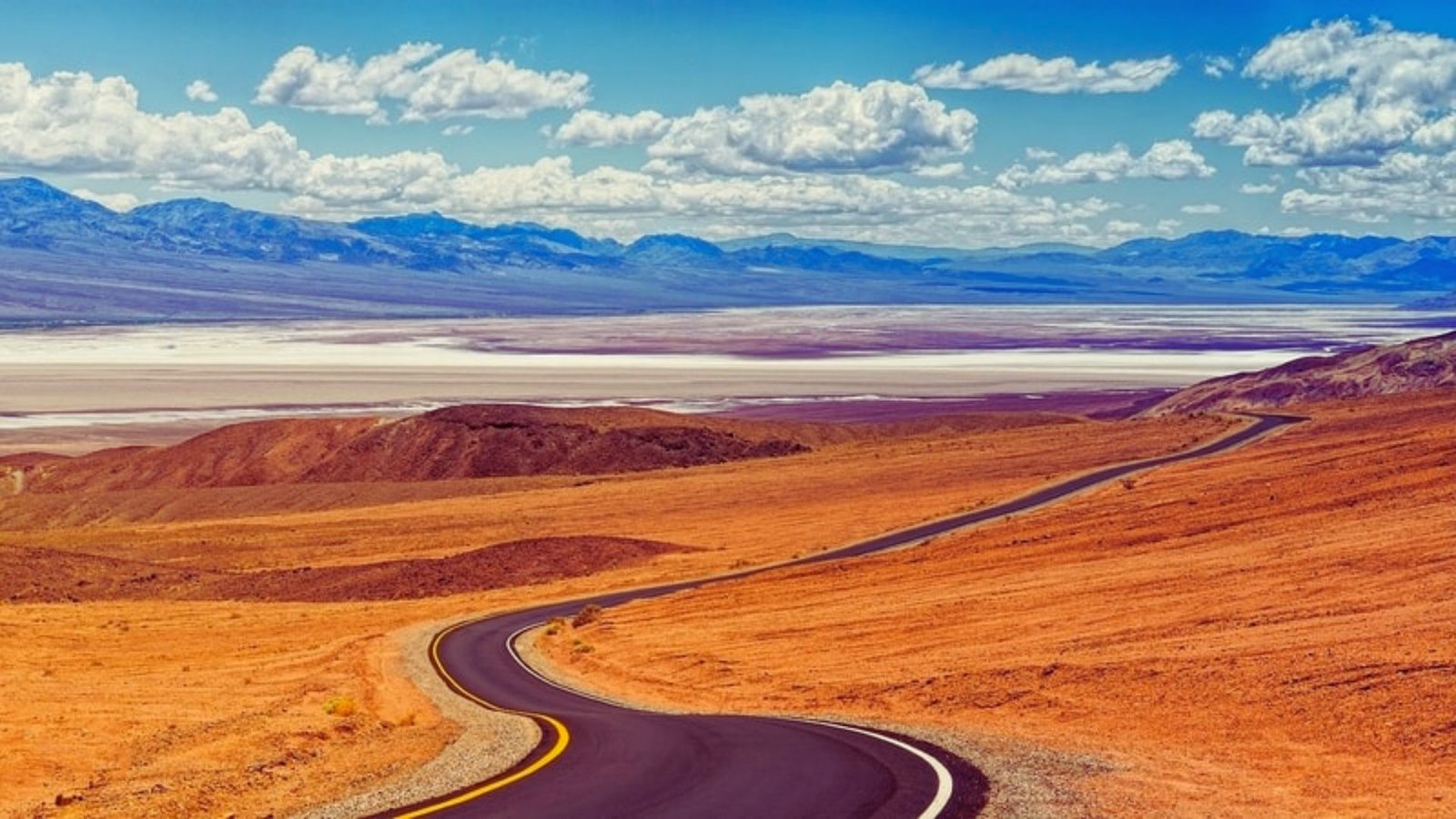
Death Valley experiences some of the most extreme temperatures on the planet, with conditions that vary dramatically throughout the year.
Extreme Temperatures
Summer heat reaches levels that most people have never experienced. Temperatures regularly exceed 120°F during June through August.
The park holds the world record for hottest air temperature ever recorded: 134°F at Furnace Creek in July 1913.
Winter and spring offer relief from the heat, with temperatures staying much more manageable for outdoor activities.
Seasonal Variations
Spring brings the most pleasant weather from March through May, with temperatures ranging from 70°F to 90°F. This is when wildflowers bloom across the desert floor after wet winters.
Fall offers similar comfort levels in October and November, with warm days and cool nights perfect for stargazing.
Winter months bring cooler days between 60°F and 70°F and cold nights around 40°F to 50°F.
Summer represents the most challenging time, with scorching heat from 120°F to 130°F that limits outdoor activities.
Seasonal Breakdown
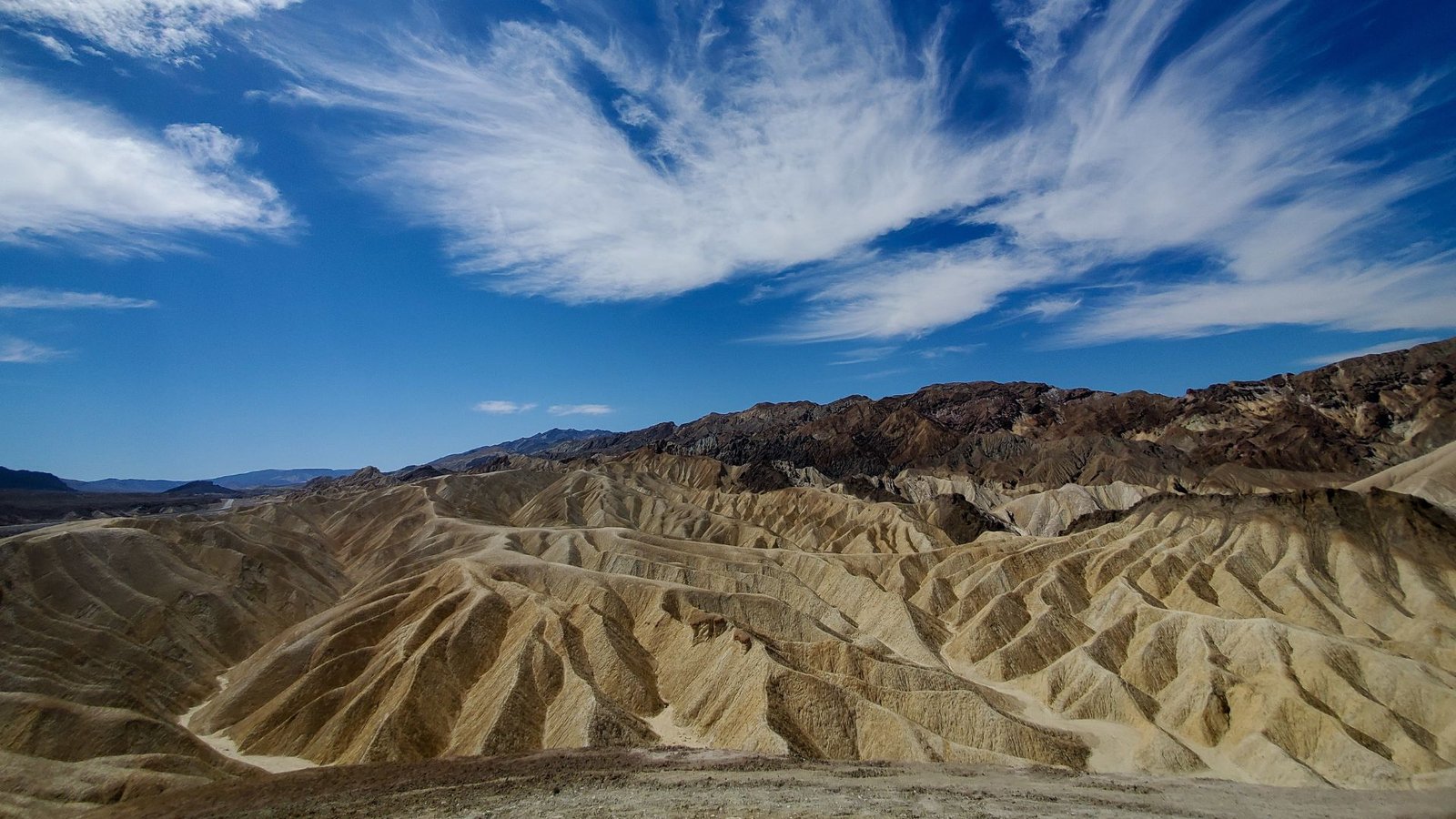
Each season at Death Valley offers different experiences, from perfect hiking weather to extreme heat that shapes how you can spend your time.
Spring (March to May)
Spring creates ideal conditions for hiking and outdoor activities. Temperatures range from 70°F to 90°F, which feels comfortable for physical activity.
This is when Death Valley shows off its wildflower displays.
After winters with good rainfall, the desert floor erupts in yellow, purple, and pink blooms. Crowds peak during spring, especially around Easter and during super bloom years.
Campgrounds and hotels book out weeks or months in advance.
Summer (June to September)
Summer heat reaches extreme levels that test human limits. Temperatures climb to 120°F to 130°F regularly. Visitation drops dramatically during these months.
The few who come are heat enthusiasts or travelers passing through quickly.
Nighttime brings some cooling, though temperatures often stay above 90°F. This is when stargazing becomes the main activity due to lack of humidity and light pollution.
Fall (October to November)
Fall brings back comfortable daytime temperatures between 70°F and 90°F. Clear skies dominate during fall months, making this excellent for camping and outdoor activities.
Ranger programs resume after the summer break. Residual heat from summer fades by mid-October, and wildlife becomes more visible.
The combination of good weather and fewer crowds than spring makes fall a favorite for many regular visitors.
Winter (December to February)
Winter offers mild daytime temperatures between 60°F and 70°F. Nights turn cold, dropping to 40°F or 50°F.
All major trails stay open for hiking during winter. Clear skies continue through winter, providing great stargazing opportunities.
Wildlife watching improves during winter months as resident animals become more active and migratory birds pass through.
Best Time for Specific Activities
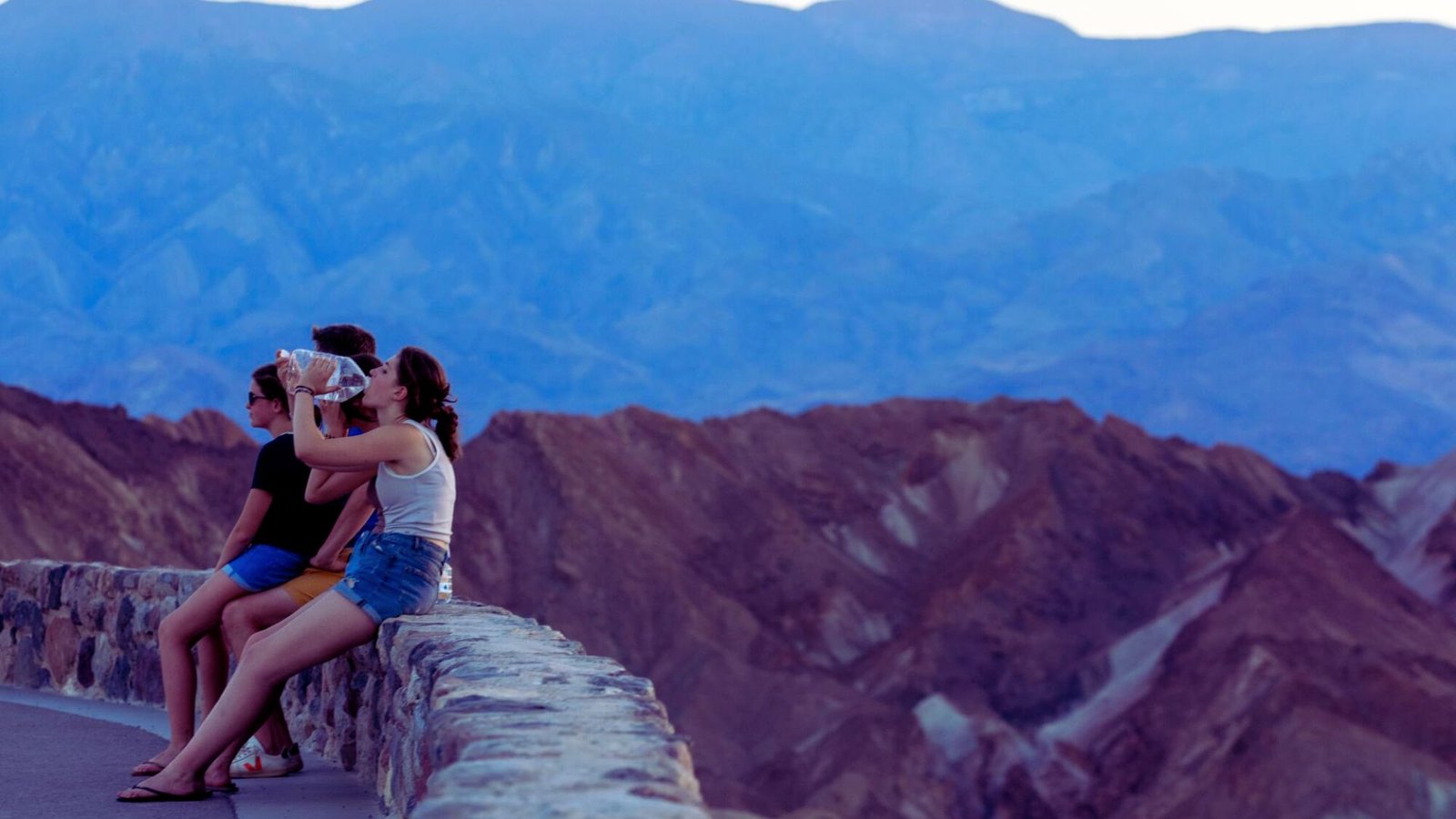
Different activities in Death Valley work best during specific seasons when weather conditions align with what you want to do.
Hiking & Outdoor Activities
Spring and fall stand out as the best seasons for hiking. Temperatures stay comfortable enough for physical exertion.
Summer midday heat makes hiking dangerous or impossible. If you visit in summer, limit outdoor activities to early morning or late evening.
Stargazing
Winter and spring nights offer the clearest skies for stargazing. The park’s remote location means minimal light pollution. On clear nights, you can see thousands of stars, the Milky Way, and planets.
Cold winter nights provide the crispest views, while summer stargazing works well despite daytime heat.
Wildflower Viewing
Early to mid-spring delivers the best wildflower displays after winters with good rainfall. Peak bloom usually occurs in March or April.
Some years produce massive super blooms that attract visitors from around the world. Check current conditions before planning a trip specifically for wildflowers.
Avoiding Crowds
Shoulder seasons offer the best balance of good weather and fewer people. Late fall, especially November, sees lower visitation than spring.
Winter provides the most solitude, as many visitors skip Death Valley assuming it’s too cold. You’ll often have trails and viewpoints to yourself.
Safety Tips for Visiting
Death Valley’s extreme conditions require specific safety measures to protect yourself from heat-related dangers and other park hazards.
Summer Precautions
- Heatstroke and dehydration pose serious risks during summer months
- The park offers very limited shade
- Plan any outdoor activities for early mornings before temperatures peak
- Many summer visitors stay indoors entirely during daylight hours
General Park Safety
- Staying hydrated matters year-round
- Carry more water than you think you’ll need
- The dry desert air pulls moisture from your body even in winter
- Follow guidance from park rangers about current conditions
- Flash floods can occur even when skies look clear
Accommodations & Planning Tips
Planning where to stay and when to book can significantly impact your Death Valley experience, especially during popular seasons.
- The park offers several accommodation options
- Furnace Creek Resort provides the main lodging inside the park
- Nearby towns like Beatty, Nevada, and Pahrump offer additional hotels
- Booking in advance becomes critical for spring and fall visits
- Hotels and campgrounds often reach capacity weeks or months before your desired dates
- Making reservations by January or February for spring visits works best
- Winter and summer offer more flexibility
Special Events & Festivals
Death Valley hosts several annual events that can enhance your visit or help you plan around larger crowds.
The Death Valley Dark Sky Festival celebrates the park’s incredible night skies in late winter or early spring.
Astronomy experts lead programs about stars and planets. Hotels and campgrounds book up during this event.
Ranger-led hikes and programs run throughout most of the year, teaching about the park’s geology, wildlife, and history. Summer programs are limited due to heat.
Conclusion
Spring and fall emerge as the best seasons to visit Death Valley. These months offer comfortable temperatures for hiking and outdoor activities.
Yes, you’ll encounter more crowds, but the weather makes the extra planning worthwhile.
I learned the importance of timing during my first visit in late June when the heat drove me back to my car within minutes.
The experience taught me respect for desert conditions. Now I only visit between October and May, and every trip feels rewarding.
Plan around the weather first, then work out the crowd situation. Death Valley deserves to be experienced when you can actually get out and see it.
What’s your ideal season for visiting? Drop a comment below with your planned travel dates, and I’ll share specific tips for that time of year.
Frequently Asked Questions
What is the absolute best month to visit Death Valley?
March and November typically offer the best combination of pleasant weather and manageable crowds. Temperatures stay comfortable for hiking and outdoor activities.
Is Death Valley worth visiting in summer?
Summer visits work only for heat-tolerant travelers or those interested primarily in stargazing. Most visitors find better experiences during cooler months when they can actually spend time outside.
How far in advance should I book accommodations?
Book 2-3 months ahead for spring visits, especially around Easter and during super bloom years. Fall trips need reservations 1-2 months early.
Can I see wildflowers every year in Death Valley?
Wildflower blooms depend on winter rainfall amounts and timing. Check the park’s website for current bloom status before planning a trip specifically for flowers.
What should I pack for a winter visit to Death Valley?
Bring layers for temperature swings between warm days and cold nights. Pack a warm jacket for evenings when temperatures drop to the 40s.