
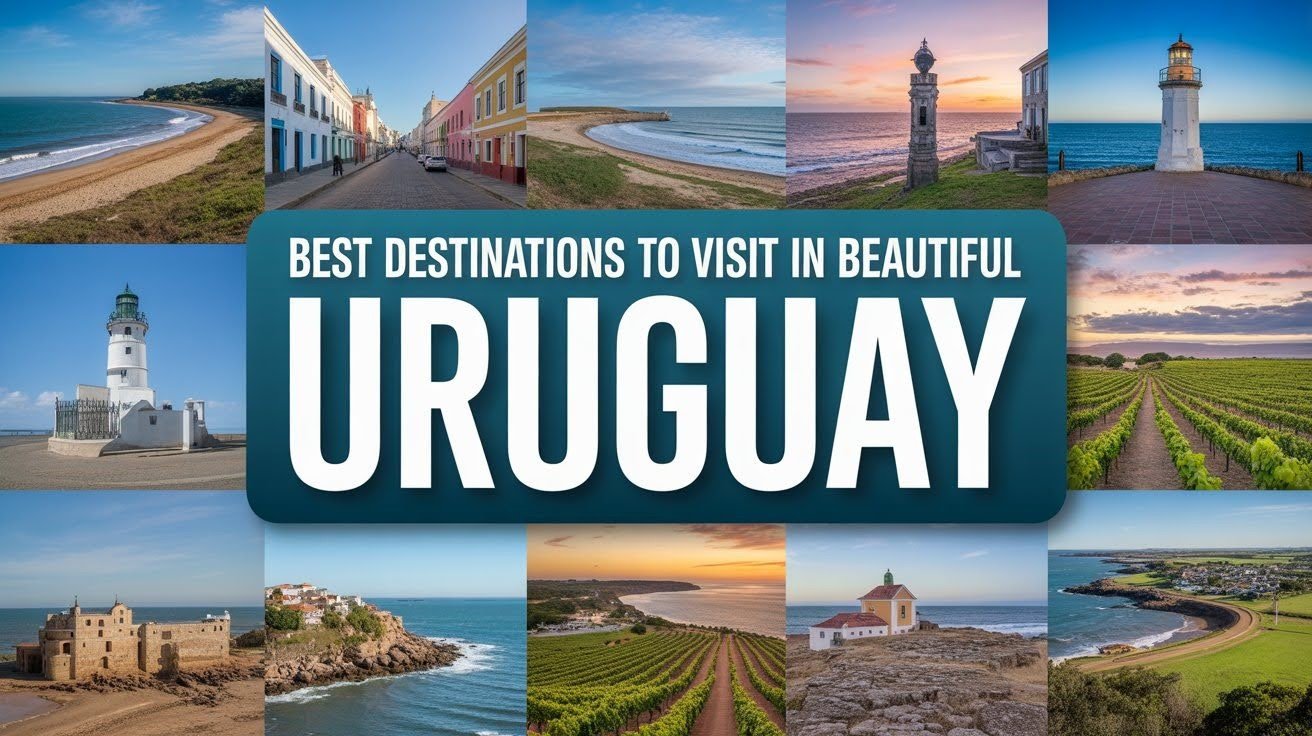




I’ve spent time researching Uruguay, and I can tell you it’s one of South America’s hidden coastal treasures. This guide covers the 13 best destinations to visit in beautiful Uruguay, from colonial towns to surf-ready beaches.
You’ll find safe, walkable cities, wine country escapes, and off-grid nature spots that few travelers know about.
I’m sharing practical tips on where to go, what to see, and how to plan your trip. Uruguay offers relaxed beach culture, rich history, and genuine local experiences.
This list helps you decide which coastal gems and small towns deserve your time, so you can build a trip that fits your style.
Why Uruguay is a Must-Visit Destination

Uruguay stands out as South America’s safest and most stable country. The culture is progressive and welcoming to visitors.
You’ll find a unique mix here: sandy beaches meet colonial architecture, and natural parks sit next to modern cities. The variety means every type of traveler finds something special.
Getting around is simple. You can drive, take comfortable buses between towns, or catch a ferry from Buenos Aires. Most destinations connect easily, making multi-stop trips stress-free.
Top 13 Destinations to Visit in Beautiful Uruguay
From colonial streets to wild beaches, here are the best places to add to your Uruguay itinerary.
1. Colonia del Sacramento

Walk through cobblestone streets dating back to the 1600s. The old town earned UNESCO status for its well-preserved Portuguese and Spanish colonial buildings. Visit the Lighthouse, Calle de los Suspiros, and museums showing local history.
Small restaurants serve fresh river fish and traditional Uruguayan asado, with riverside dining spots offering sunset views over the Rio de la Plata.
2. Carmelo

This quiet town sits in Uruguay’s main wine region. Family-owned wineries offer tours and tastings of Tannat, the country’s signature red wine. Downtown features low-rise colonial buildings and tree-lined streets.
Sere Beach provides calm river waters for swimming, while the nearby sculpture park displays outdoor art pieces along walking paths.
3. Punta del Diablo

This former fishing village keeps its laid-back surf town vibe. Beaches have consistent waves that attract surfers from across South America. Small bars and cafes line the dirt roads near the beach, serving fresh seafood at family-run restaurants.
Santa Teresa National Park sits minutes away, offering hiking trails, a colonial fortress, and protected beaches with wildlife.
4. Piriapolis

Piriapolis sits on a curved bay with calm waters and a long beachfront promenade. Built in the early 1900s as Uruguay’s first beach resort, it maintains vintage seaside charm.
The Argentino Hotel dominates the skyline with its castle-like design. Cerro San Antonio rises behind town and takes about 30 minutes to climb for panoramic coastal views.
5. La Paloma

La Paloma remains an active fishing port with authentic working-village character. Multiple beaches surround the town, each with different wave conditions. La Balconada beach is popular for sunset views.
The white lighthouse, built in 1874, stands on a rocky point between beaches. Surrounding rocks are home to sea lions you can watch from shore.
6. Rocha

Rocha contains some of Uruguay’s most protected natural areas with lagoons, wetlands, and coastal forests. The town serves as a cultural hub with museums focusing on gaucho history and regional traditions.
Rocha provides the jumping-off point for reaching Cabo Polonio, with hotels, restaurants, and services making it a good base for nature trips.
7. La Pedrera

La Pedrera attracts surfers and bohemian travelers with beach breaks for intermediate surfers. The town sits on cliffs above the ocean, creating dramatic coastal views.
Colorful houses and quirky cafes make the streets visually appealing. Besides surfing, you can try stand-up paddleboarding, horseback riding on the beach, and coastal walks.
8. Cabo Polonio

This tiny settlement runs entirely on solar power and generators. No cars are allowed, and you reach it by 4×4 truck through sand dunes. Large sea lion colonies live on the rocks offshore.
The old lighthouse sits on a rocky outcrop, offering 360-degree views of the Atlantic and surrounding dunes. The setting is remote and windswept.
9. Jose Ignacio

This small village became a high-end retreat for wealthy South Americans. Boutique hotels and private villas dot the coastline. Jose Ignacio is known for exceptional restaurants serving fresh seafood and Argentine beef.
Small shops sell designer beachwear and home goods. The nightlife is sophisticated, centered on wine bars and lounge-style venues.
10. Aguas Dulces

This small beach town sees far fewer tourists than other coastal spots. Beaches are wide, quiet, and backed by forest. Pine and eucalyptus forests come right up to the beach, with walking trails winding through the trees.
The surrounding area includes protected lagoons and coastal reserves you can reach on day trips.
11. Montevideo

Uruguay’s capital blends European-style architecture with Latin American culture. The Ciudad Vieja features colonial buildings and art deco theaters. The rambla is a 13-mile coastal promenade perfect for walking or biking.
The Mercado del Puerto serves traditional asado in a historic iron-frame building. The nightlife ranges from craft beer bars to late-night milongas.
12. Punta del Este

Uruguay’s most famous beach destination draws international jet-setters. High-rise buildings line Playa Brava and Playa Mansa. The giant hand sculpture emerging from the sand is Punta del Este’s most photographed spot.
The marina fills with luxury yachts during the summer season. Designer boutiques and international brands cluster in the main shopping districts.
13. Atlantida

This family-friendly beach town sits between Montevideo and Punta del Este. Beaches are clean, safe, and less crowded than major resorts. The town features the aguila de Oza, a unique pyramid-shaped building and cultural center.
Calm waters and a gentle atmosphere make Atlantida ideal for families with kids, with prices more reasonable than upscale resorts.
Tips for Traveling Through Beautiful Uruguay
Keep these practical tips in mind to make the most of your Uruguay trip.
- Plan your visit between November and February for warm beach weather and long sunny days. This is Uruguay’s summer season when coastal towns come alive, with temperatures ranging from 75-85°F, perfect for swimming and outdoor activities.
- Buses connect all major destinations with comfortable, affordable service, while renting a car gives you flexibility to reach smaller towns and beaches at your own pace. Ferries from Buenos Aires to Colonia del Sacramento take just one hour.
- Uruguay ranks as South America’s safest country, but stay aware of crowded tourist areas. Uruguayans appreciate polite greetings and relaxed conversation, and tipping 10% at restaurants is standard practice.
- Bring sunscreen, a hat, and comfortable walking shoes for cobblestone streets. Pack layers since coastal winds can cool things down at night, even during summer months.
- Uruguayans eat dinner late, usually after 9 PM, so adjust your schedule accordingly. Most restaurants don’t open for dinner until 8 PM or later, following the local dining culture.
Conclusion
Uruguay gives you everything from historic colonial streets to empty surf beaches. I love how safe and easy this country makes travel feel. You can explore famous spots like Punta del Este or find your own quiet beach in Aguas Dulces.
The wine country, wildlife reserves, and friendly locals add up to something special. Start planning your trip now, pick a few coastal towns, rent a car, and go at your own pace.
Have you visited Uruguay? Drop a comment below and share which destination you’d visit first. I’d love to hear what catches your eye.
Frequently Asked Questions
What is the best time to visit Uruguay?
November through February offers warm weather and ideal beach conditions. Most coastal towns are fully open during summer. Popular spots like Punta del Este get crowded during peak season.
Is Uruguay safe for solo travelers?
Yes, Uruguay is South America’s safest country with low crime rates. Solo travelers feel comfortable in cities and beach towns. Just use normal travel precautions in busy areas.
How many days do I need to visit Uruguay?
A week covers Montevideo and 2-3 coastal spots. Two weeks allows a full coastal road trip plus wine country. Long weekends work if you stick to one region.
Do I need to speak Spanish in Uruguay?
Basic Spanish helps, but tourist areas have English speakers. Uruguayans are patient with visitors learning the language. A few key phrases go a long way.
What is Uruguay’s currency and can I use credit cards?
The Uruguayan peso is local currency, but US dollars work in tourist spots. Credit cards are accepted at most hotels and restaurants. Carry cash for small towns and markets.