






I have spent years visiting Barcelona and showing friends around the city. Each trip taught me something new about pacing, timing, and what actually feels worth doing. I learned quickly that rushing only leads to tired feet and missed experiences.
For first-time visitors, three days is a great balance. You can see the main Gaudí sights, walk through the Gothic Quarter and El Born, enjoy viewpoints and beaches, and still spend time in everyday neighborhoods away from crowds. Slowing down makes the city feel more welcoming.
This itinerary comes from real experience, not a quick visit. I refined it by noticing what friends enjoyed most and what they regretted skipping. You get clear daily plans, smart timing advice, and places locals enjoy eating, all organized to keep your days simple and focused.
Planning Your Barcelona Trip
Late spring to early autumn is Barcelona’s high season, bringing crowds and higher prices. The best times to visit are March to May and September to November for fewer tourists. Winter is cheaper but less predictable, and Easter week is especially busy.
Getting around the city is easy with the metro, buses, trams, and night NitBus services. Metro Line 9 connects the airport quickly and affordably. Walking and biking are also great options, as the city is compact and bike lanes are extensive and safe.
Choose one neighborhood to stay in for convenience. The example is central, the Gothic Quarter offers history, and El Born has a trendy vibe. Book major attractions like Sagrada Familia, Park Güell, and Casa Milà in advance, and visit popular sites early or late to avoid long lines.
My Day-by-Day Barcelona Itinerary
I tested this route multiple times while visiting friends and refined it based on what worked. Here’s exactly how to spend three days in Barcelona.
Day 1: Passeig de Gràcia, Gothic Quarter, and Barceloneta
- Morning: Visit Casa Milà and Casa Batlló with skip-the-line tickets, then stroll Illa de la Discòrdia to see contrasting architecture.
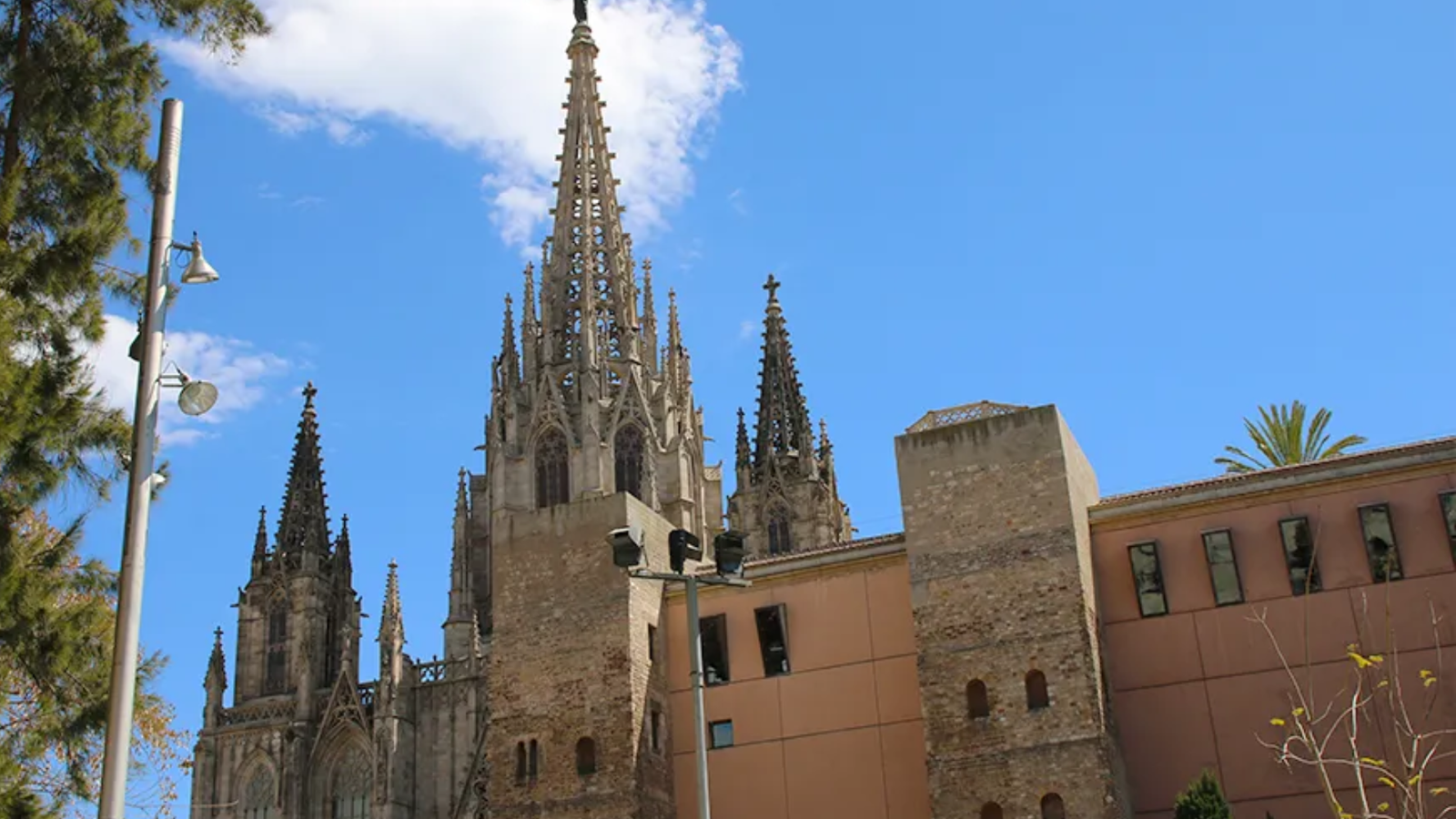
- Afternoon: visit the Gothic Quarter, walk La Rambla to La Boqueria, and visit El Born for Santa Maria del Mar and the Picasso Museum.
- Evening: Relax at Parc de la Ciutadella, enjoy sunset drinks at Barceloneta beach, and have paella or seafood at beachfront restaurants.
Day 2: Gaudí’s Modernist Masterpieces
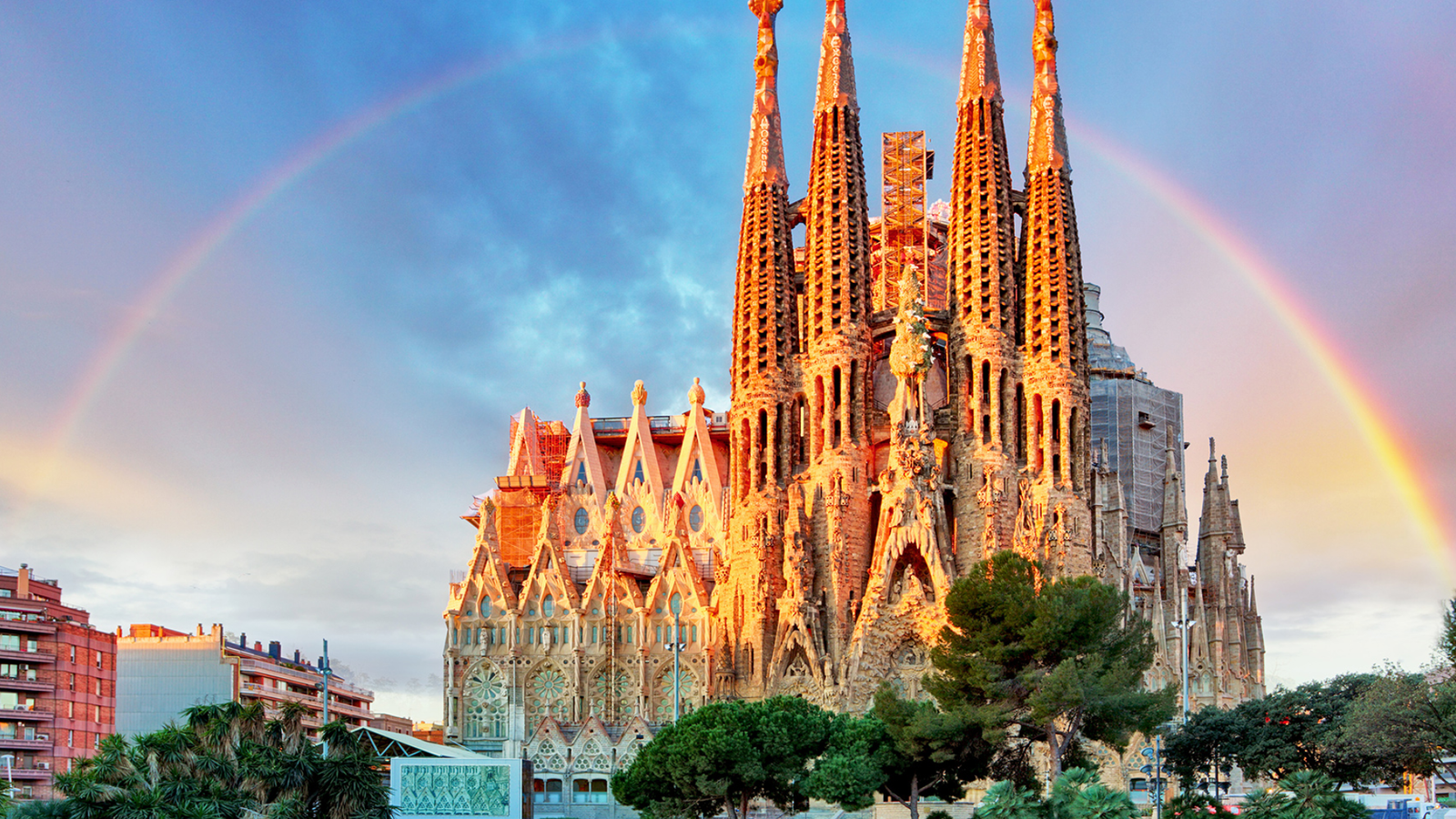
- Morning: Visit Sagrada Familia with skip-the-line tickets and consider going up the towers for the impressive interior light.
- Afternoon: visit Park Güell with timed-entry tickets, combining Gaudí’s architecture with nature. Consider the Barcelona City Pass for multiple sites.
- Evening: Watch sunset from Tibidabo Hill, enjoy cocktails at Sips bar, pizza at Bellillo Pizzeria, and gelato at DeLaCrem.
Day 3: La Rambla, Montjuïc, and Local Neighborhoods
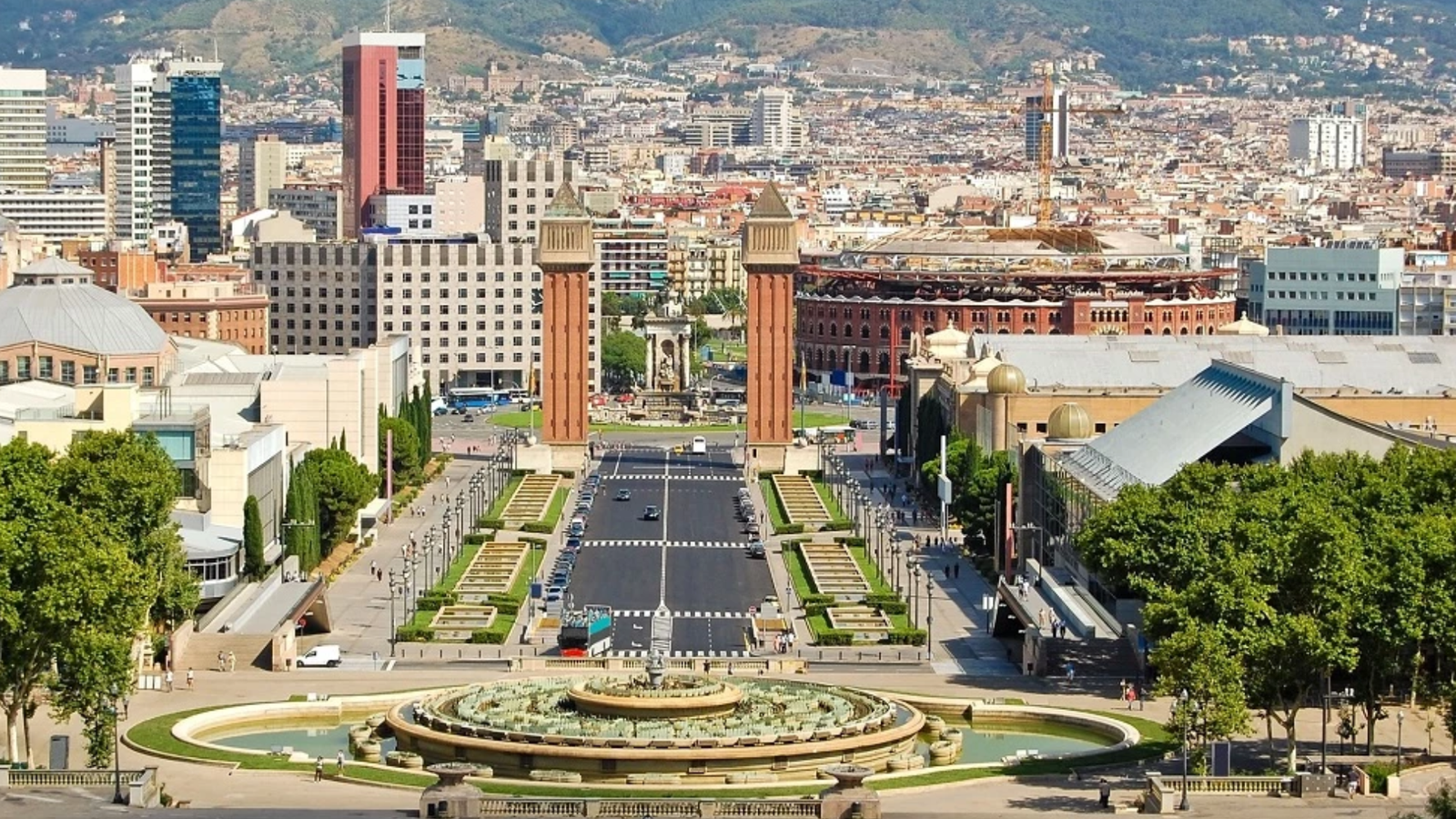
- Morning: Stroll La Rambla early, then take the cable car to Montjuïc Hill to visit the Castle, Magic Fountain, Palau Nacional, and Joan Miró Foundation.
- Afternoon: visit Sant Antoni for a local vibe and visit MACBA in El Raval, keeping valuables secure in this edgy neighborhood.
- Evening: Enjoy pintxos in Poble Sec for authentic local food and a memorable Barcelona experience.
Optional Day 4: Day Trips from Barcelona
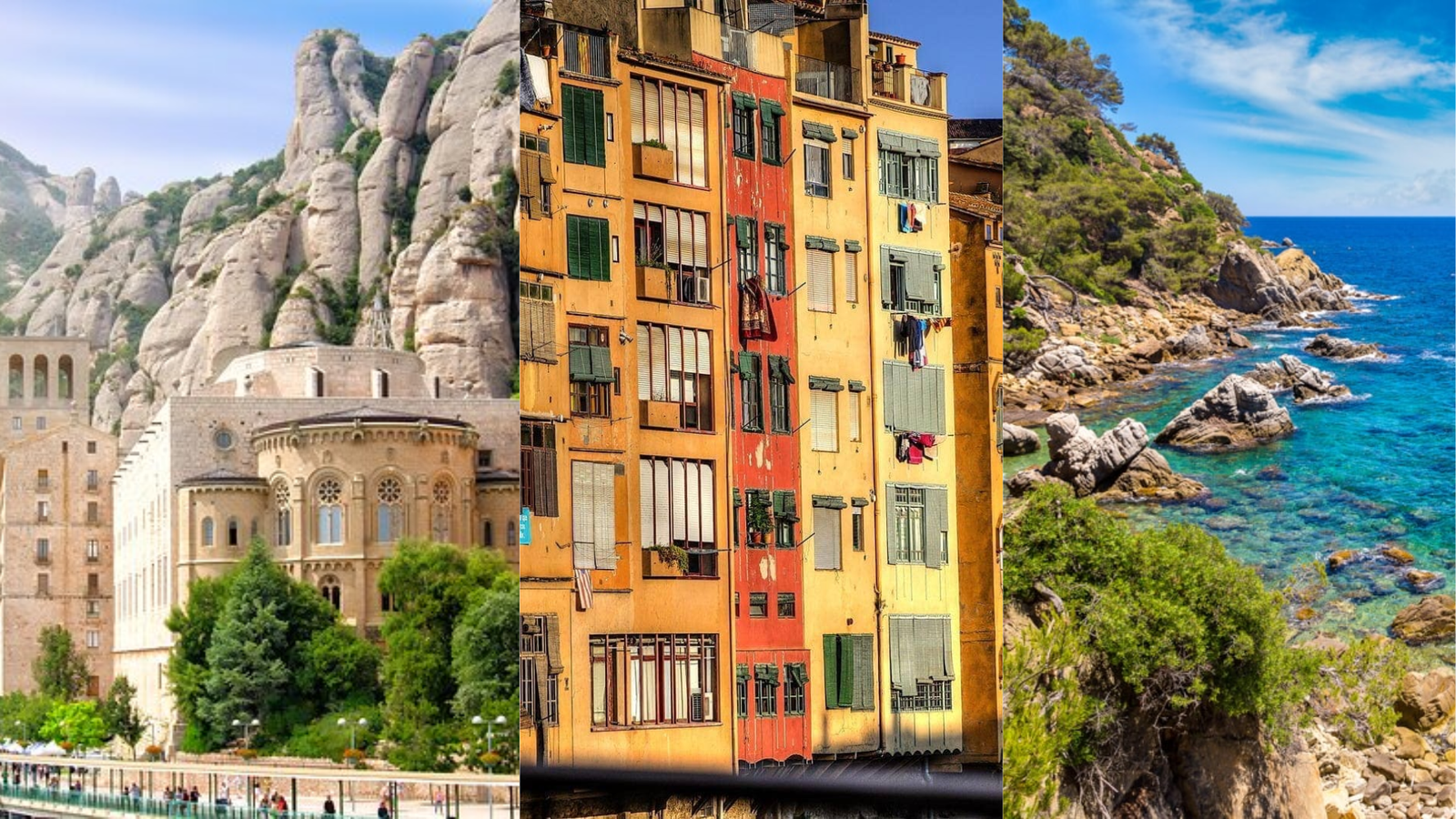
- Montserrat: Visit the 11th-century Benedictine Monastery, take the funicular to the mountain top, and enjoy a short hike in the nature park.
- Girona and Figueres: visit Girona’s medieval center and the Dalí Museum in Figueres, ideal for art and Dalí enthusiasts.
- Costa Brava or Sitges: Drive to Costa Brava for hidden coves or visit Sitges for a relaxing seaside day trip.
Where to Eat in Barcelona
These are local food recommendations beyond the quick mentions in the itinerary. These are places locals actually go.
Tapas and Traditional
Ciutat Comtal serves delicious tapas and is great for a night out in the Eixample. El Quim at La Boqueria is highly recommended, along with local tapas bars throughout El Born and pintxos spots in Poble Sec.
I’ve eaten at Ciutat Comtal multiple times with Barcelona friends. It’s always packed with locals, and the quality stays consistent.
Fine Dining
Batea is a Michelin guide restaurant with great seafood in the Eixample. Compartir is a formal spot that’s perfect for dates.
Save Compartir for a special evening. The atmosphere and food both deserve your full attention.
Casual Dining
Mercat de Santa Caterina is perfect for lunch, and Sagradas Tapas sits near Sagrada Familia. Beachfront restaurants in Barceloneta offer great seafood, and the Palau de la Música Catalana Bistrot serves excellent tapas.
The Bistrot at Palau de la Música is special. You get to eat surrounded by incredible architecture.
What to Avoid
El Nacional has an attractive venue but poorly rated food. Tourist trap restaurants on La Rambla and overpriced cafes in the most touristy areas should be skipped.
I made the mistake of eating on La Rambla once. The food was mediocre and twice the price of better restaurants two streets over.
Practical Tips for Your Barcelona Visit
Necessary advice learned from experience. Small details make a big difference.
- Safety and Security: Watch your belongings in tourist areas like La Rambla and El Raval. Consider an infinity scarf with a hidden wallet pocket.
- Booking and Tickets: Book Sagrada Familia, Park Güell, Casa Milà, and Casa Batlló in advance. The Barcelona City Pass is useful for multiple attractions.
- Dress Codes: Barcelona Cathedral requires modest clothing. Pack a shawl for church visits, while casual attire works elsewhere.
- Time Management: Focus on one neighborhood per day and visit popular sites early or late to avoid crowds and save time.
- Money Matters: Barcelona is pricey. Book accommodations early, buy skip-the-line tickets, and get meals from markets like La Boqueria to save money.
Conclusion
This three-day Barcelona itinerary lets you see the city without wasting time running between spots. You’ll cover Gaudí’s masterpieces, the Gothic Quarter, authentic neighborhoods, and top beaches by focusing on one area each day. Booking skip-the-line tickets in advance makes a big difference and saves hours.
Day one combines modernist architecture with medieval streets. Day two is all about Gaudí, including his famous buildings and colorful parks. Day three mixes remaining landmarks with local spots that most tourists miss, giving you a full sense of the city’s character and rhythm.
Three days are enough to experience Barcelona properly without feeling rushed. I’ve followed this route with friends several times and refined it based on what worked. If you have questions about your trip, leave a comment, and I’ll share tips from my experience.
Frequently Asked Questions
Is 3 days enough for Barcelona?
Yes, 3 days is ideal for first-timers. You’ll see all major attractions, including Sagrada Familia, Park Güell, Casa Batlló, Casa Milà, the Gothic Quarter, El Born, and beaches. You’ll have time for both famous landmarks and authentic local neighborhoods without rushing. Add a fourth day for day trips to Montserrat or Costa Brava.
What should I do on my first day in Barcelona?
Start with Casa Milà and Casa Batlló on Passeig de Gràcia in the morning. Afternoon, visit the Gothic Quarter, including Barcelona Cathedral, and walk La Rambla to La Boqueria Market. Evening, visit the El Born district and end at Barceloneta beach for sunset tapas and seafood.
How do I avoid lines at Sagrada Familia and Park Güell?
Book skip-the-line tickets in advance online for both attractions as they sell out. Choose timed entries (15-minute slots from 9 am at Sagrada Familia). Consider the Barcelona City Pass for bundles. Visit early morning or late afternoon when crowds are smaller. Combined guided tours include transfers between sites.
Where should I stay in Barcelona for 3 days?
Stay in the Eixample near main attractions, the Gothic Quarter for historic atmosphere, or El Born for a trendy local vibe. Focus on one neighborhood to minimize travel time. Budget options start at 150 USD per night. Book early for good deals, as Barcelona is expensive for Southern Europe.
What are the best day trips from Barcelona?
Montserrat offers an 11th-century monastery and mountain hikes accessible by train or tour. Girona has a medieval core with regular trains from Barcelona. Figueres features the Dalí Museum. Sitges is a relaxed seaside town. Costa Brava offers secluded coves if you rent a car.