
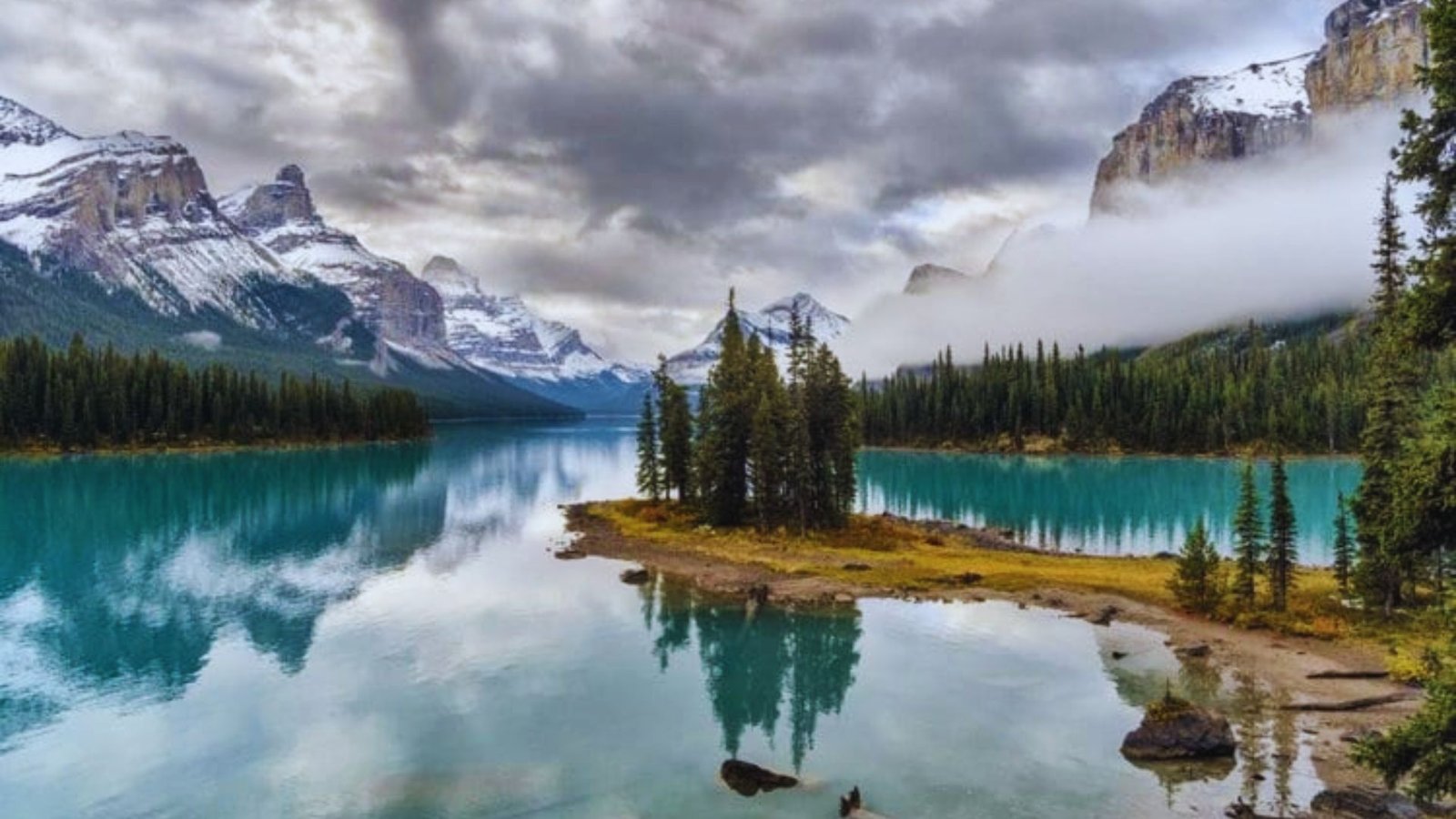



Planning your first trip to Banff National Park? I’ve got you covered with this complete Banff itinerary 7 days guide.
This article walks you through a week in the Canadian Rockies. You’ll learn where to go each day, what to see, and how to make the most of your time.
I’ve spent years visiting this park and know exactly what works for first-time visitors.
We’ll cover daily plans, travel tips, where to stay, and the best times to visit. From turquoise lakes to mountain peaks, you’ll know exactly how to plan your week.
Let’s get started.
Where Is Banff National Park?
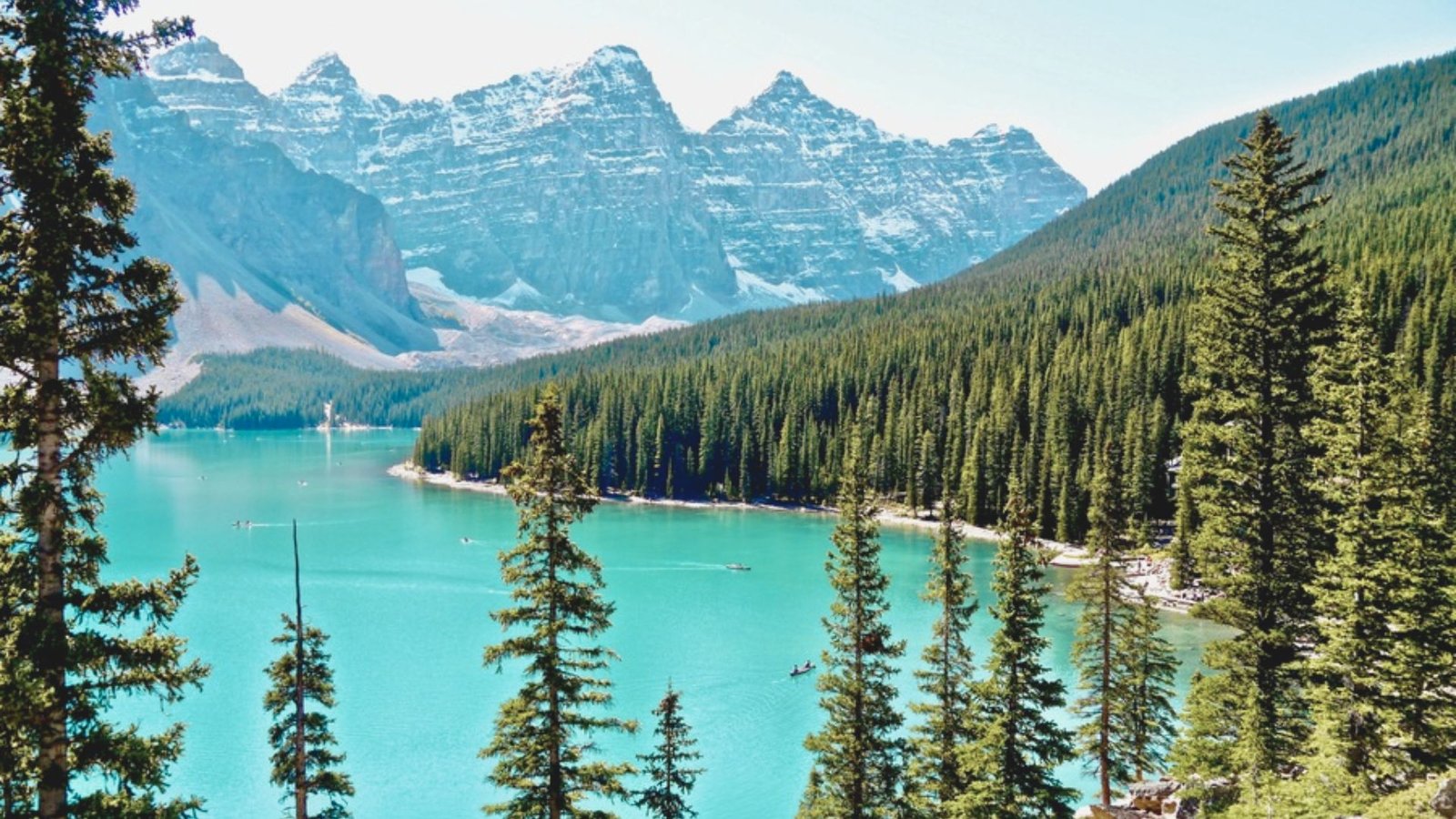
Banff National Park sits in the heart of Alberta, Canada. The park covers over 6,600 square kilometers of mountain wilderness in the Canadian Rockies.
The town of Banff is about 130 kilometers west of Calgary. You can reach it in about 90 minutes by car from Calgary International Airport.
The park borders British Columbia to the west and connects to several other mountain parks.
How to Get to Banff
Calgary International Airport (YYC) is your main gateway. Most visitors fly here first and rent a car or book a shuttle. The airport connects to destinations across North America and internationally.
The drive from Calgary takes 90 minutes on Highway 1. Head west and follow the signs. Stop at the park gates to buy your park pass. Several shuttle companies like Brewster Express and Banff Airporter run between the airport and Banff for around $70-80 per person one way.
How to Get Around Banff National Park
A rental car gives you the most freedom to visit remote spots on your own schedule. Roads are well-maintained but watch for wildlife crossings.
Roam Transit runs free buses within Banff town and to nearby sites like Lake Minnewanka and Cave and Basin.
Parks Canada offers shuttles to Lake Louise and Moraine Lake in summer. Book these early as they fill up fast.
Guided tours work well if you don’t want to drive. Companies offer full-day trips to major attractions with local knowledge included. Check reviews before booking.
Banff Itinerary 7 Days (Day-by-Day Guide)
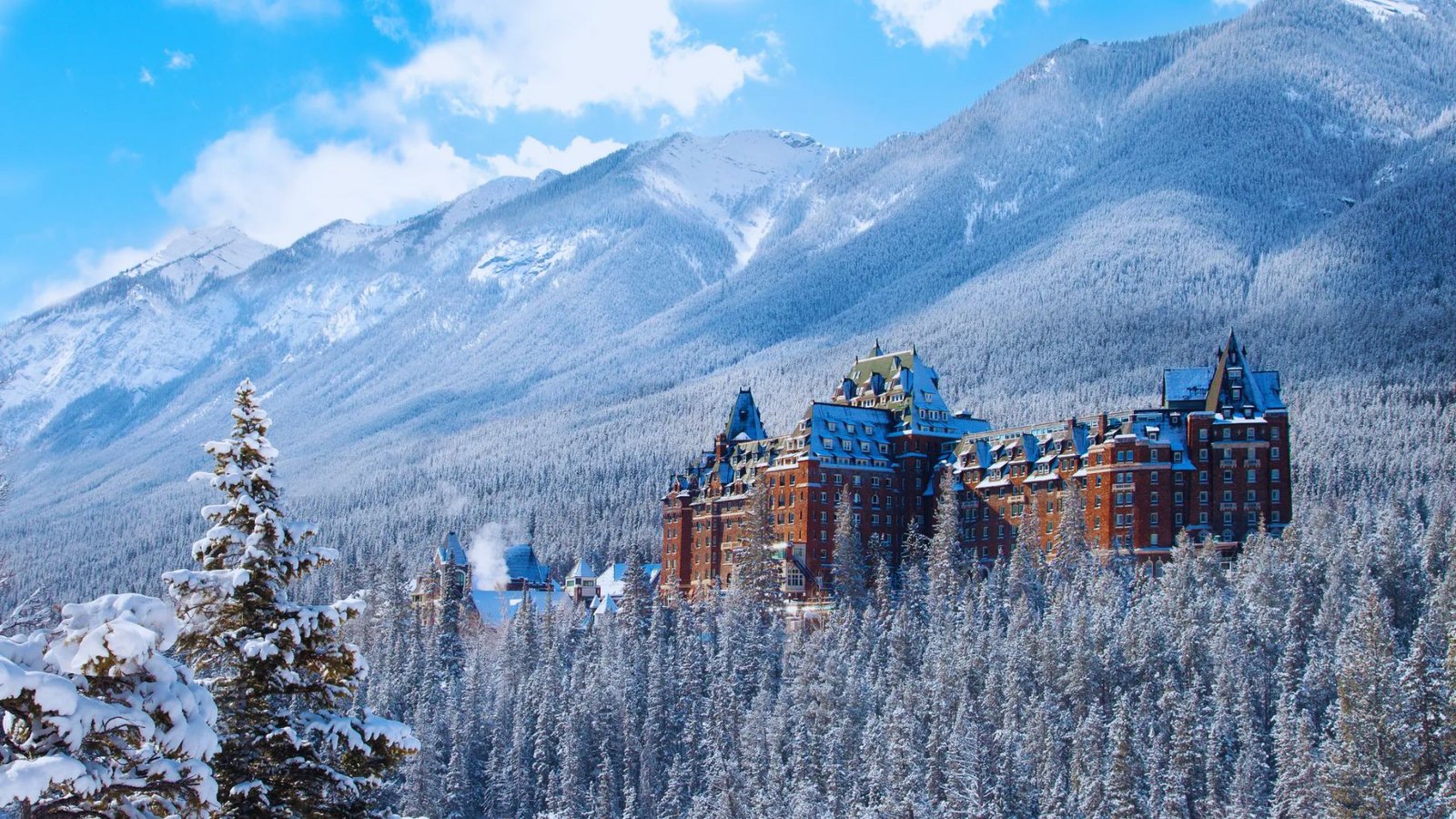
This detailed day-by-day plan covers all the must-see spots and activities for your week in Banff.
Day 1: Arrival and Exploring Banff Town
Start with a walk down Banff Avenue for shops and restaurants. Visit the Banff Park Museum to see local wildlife displays.
Walk to Bow Falls in the afternoon (15 minutes from downtown). End your day at Banff Upper Hot Springs for a relaxing soak with mountain views.
Day 2: Lake Louise and Moraine Lake
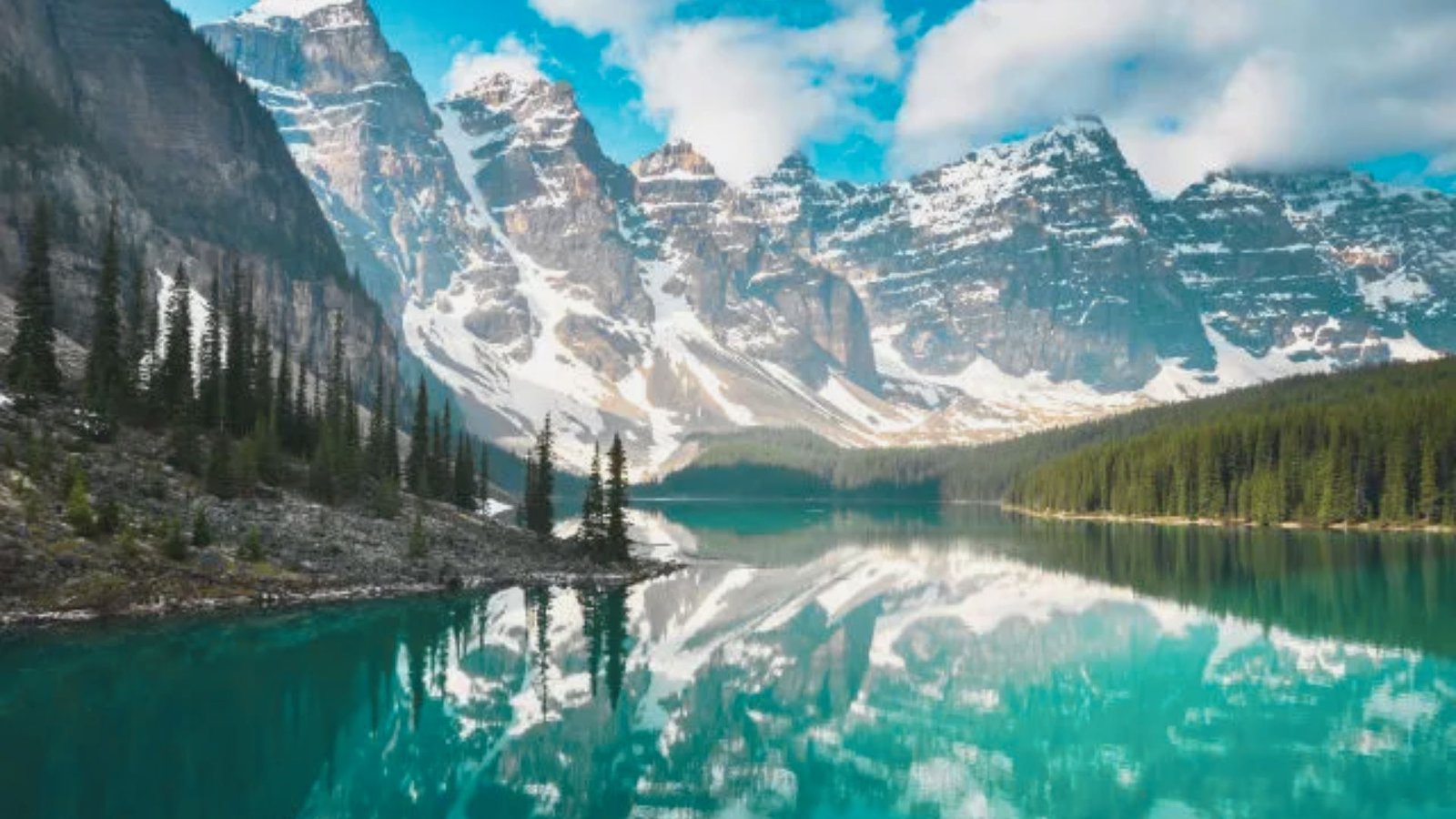
Arrive at Moraine Lake before 7 AM for parking. Hike the Rockpile Trail for views of the Ten Peaks (15 minutes).
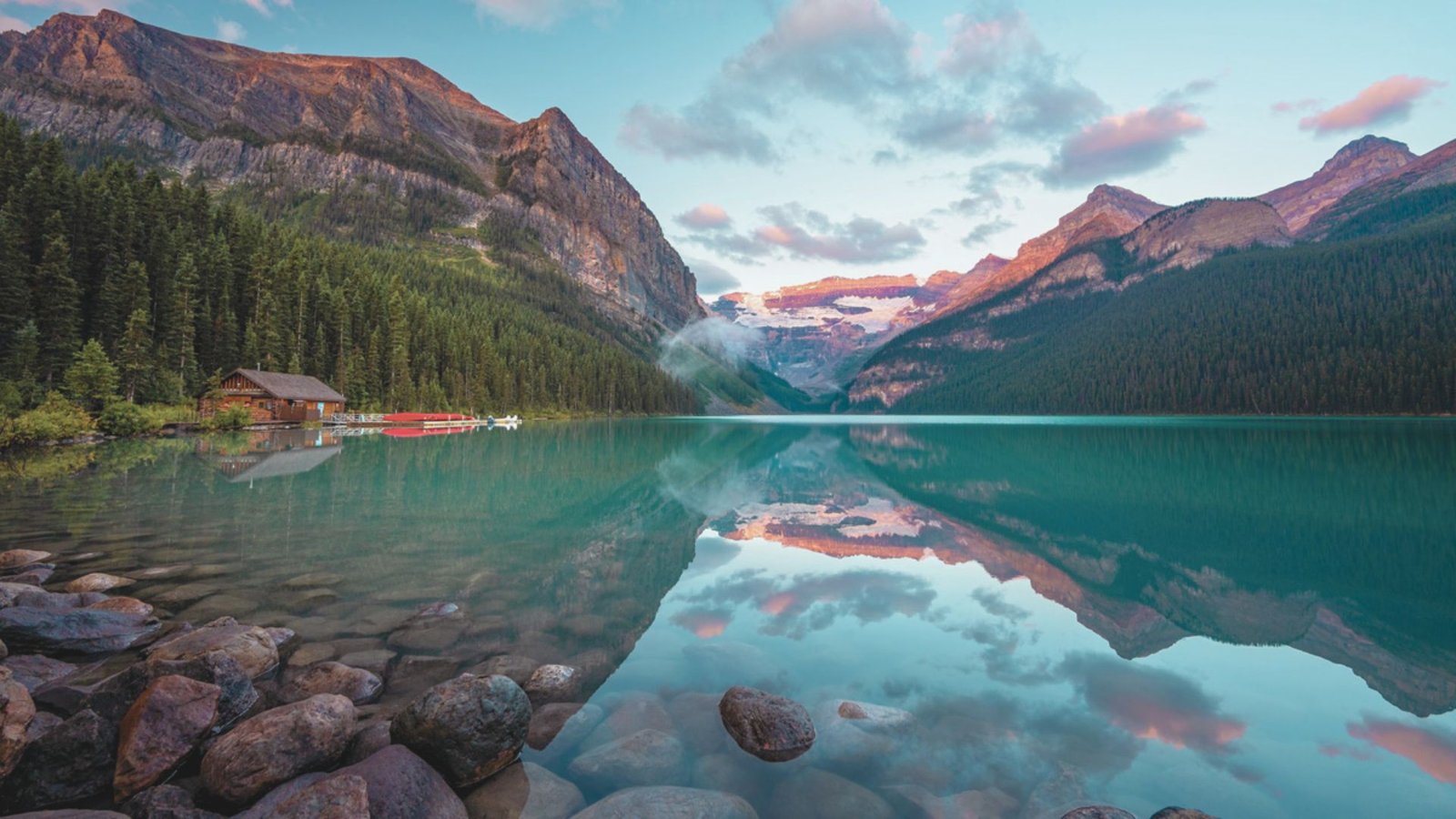
Drive to Lake Louise and walk the shoreline trail. Rent a canoe if conditions allow. Spend the evening in Lake Louise Village.
Day 3: Active Day in Banff National Park
Hike Johnston Canyon in the morning. Lower Falls takes 30 minutes, Upper Falls another 45 minutes. The Ink Pots add an extra hour.
Try horseback riding or mountain biking in the afternoon. Return to Banff town for dinner on Bear Street.
Day 4: Cultural and Scenic Highlights
Start at Cave and Basin National Historic Site to learn park history. Ride the Banff Gondola up Sulphur Mountain for panoramic views.
Visit the Whyte Museum of the Canadian Rockies for local history and art.
Day 5: Day Trip to Yoho National Park
Drive to Yoho National Park in British Columbia (one hour from Banff). Stop at Takakkaw Falls, one of Canada’s highest waterfalls.
Spend time at Emerald Lake walking the 5.2-kilometer loop or canoeing. See the Natural Bridge on your way back.
Day 6: Icefields Parkway and Columbia Icefield
Drive the Icefields Parkway north toward Jasper (230 kilometers of scenic views). Stop at Peyto Lake viewpoint and the Weeping Wall.
Visit the Columbia Icefield and book the glacier walk in advance. The Skywalk has a glass-floor platform over the valley. Drive back to Banff in the evening.
Day 7: Leisure, Shopping and Departure
Sleep in and walk Banff Avenue for souvenirs. Book a spa treatment if you want to relax. Have your final meal somewhere special.
Head to Calgary with time to spare for your flight.
Best Time to Visit Banff for a 7-Day Trip
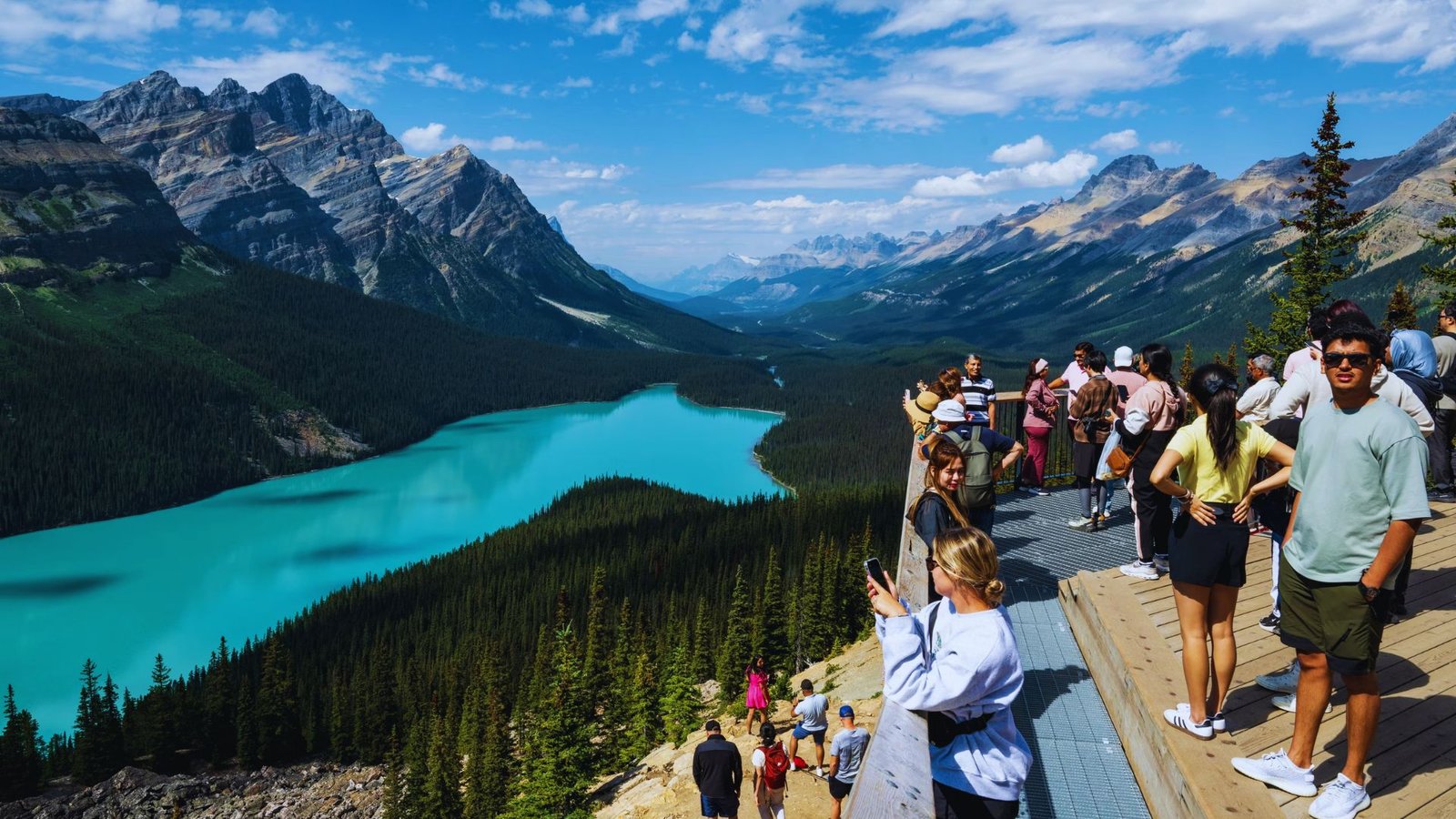
Summer (June to August) brings warm weather and long days with temperatures from 10 to 25°C. All roads and trails are open. Wildflowers bloom and wildlife is active.
This is peak season so expect crowds and high prices. Book hotels months ahead.
Winter (December to March) turns Banff into a snow paradise with temperatures dropping to -15°C or lower. Three ski resorts operate nearby. Ice skating, snowshoeing, and dog sledding are available.
The Lake Louise Ice Magic Festival happens in January. Hotel rates drop except during holidays.
Spring (April to May) and fall (September to November) offer fewer crowds and lower prices. September is my favorite time to visit.
Fall brings golden larches and elk rutting season. Spring has rushing waterfalls from snowmelt. Weather is unpredictable so pack layers.
Where to Stay During Your 7 Days in Banff
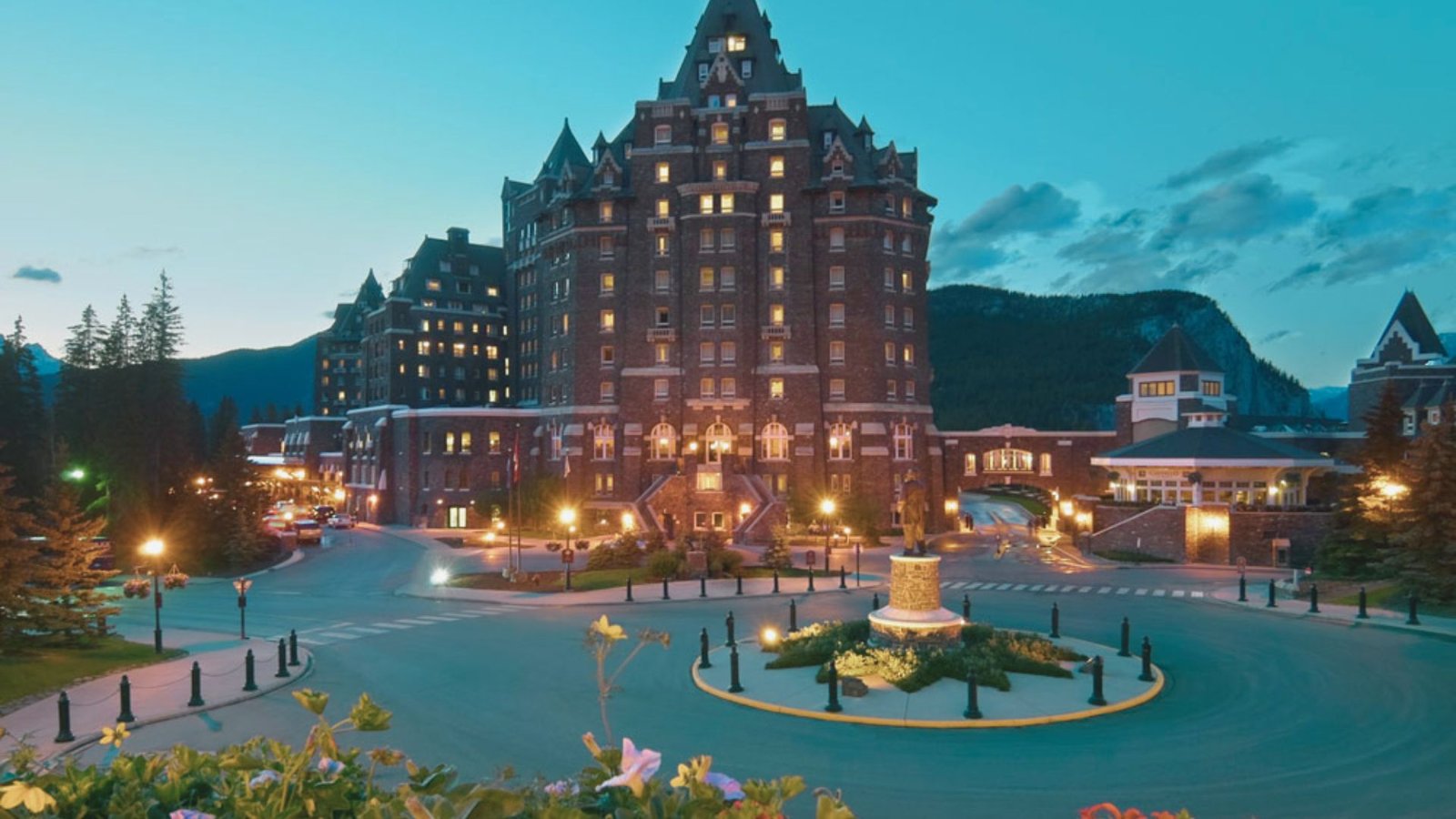
Banff town is the most convenient base. You’re close to restaurants, shops, and services. Roam Transit connects you to nearby sites. The town has accommodation options in every price range.
Fairmont Banff Springs and Rimrock Resort offer luxury stays starting around $500 per night. Moose Hotel and Suites and Buffalo Mountain Lodge provide rustic elegance with high-end amenities.
Fox Hotel and Suites, Mount Royal Hotel, and Elk + Avenue Hotel are solid mid-range options. Rates run $200-350 per night. Most include breakfast and some have hot tubs.
HI Banff Alpine Centre is the main hostel with rates starting around $50 per night. Samesun Banff has a social atmosphere.
Camping at Two Jack Lakeside or Tunnel Mountain costs $30-40 per night and saves the most money.
Tips for First-Time Visitors to Banff
Here are five key tips to help you plan and stay safe during your week in Banff National Park.
- You need a park pass to visit Banff. Daily passes cost $10.50 per person or $21 per vehicle. An annual Discovery Pass costs $72.25. Buy online or at park gates.
- Pack layers including a warm jacket and rain gear. Bring hiking boots, sunscreen, water bottle, bear spray, and your camera. Don’t forget a swimsuit for hot springs.
- Stay at least 30 meters from bears, elk, moose, and sheep. Never feed wildlife. Keep food locked in your car. Make noise on trails and stay on marked paths.
- Visit popular spots early morning or late evening. Book shuttle reservations early for summer. Weekdays and shoulder seasons have fewer crowds than weekends.
- Have backup plans if parking lots fill. Consider lesser-known spots like Cascade Ponds or Vermilion Lakes for similar scenery with fewer visitors.
Conclusion
This Banff itinerary of 7 days gives first-timers a solid framework. You’ll see the major highlights without rushing. The mountains will stay with you long after you leave.
Feel free to adjust based on what you enjoy most. Swap a museum day for another hike. Add more lake time if that’s your thing. Just respect the park and wildlife.
I still get excited every time I visit Banff. The mountains have that effect. Start planning your trip and see for yourself what makes this place special.
Drop a comment below about which day you’re most excited about.
Frequently Asked Questions
How many days do you need in Banff?
Seven days is perfect for seeing main attractions without rushing. Three to four days works if you’re short on time, but you’ll miss some locations.
What is the best month to visit Banff?
September offers great weather and smaller crowds. July-August are warmest but busiest. January-February are ideal for winter sports.
Do I need a car in Banff?
A car provides the most flexibility for reaching remote spots. You can use shuttles and stay in town, but many areas require driving.
Is Banff expensive to visit?
Yes, Banff costs more than most Canadian destinations. Expect to spend $200-300 per day per person including lodging, meals, and activities.
Can you see the Northern Lights in Banff?
Yes, but sightings are rare. Winter months during strong solar activity offer the best chance. Drive away from town for darker skies.