
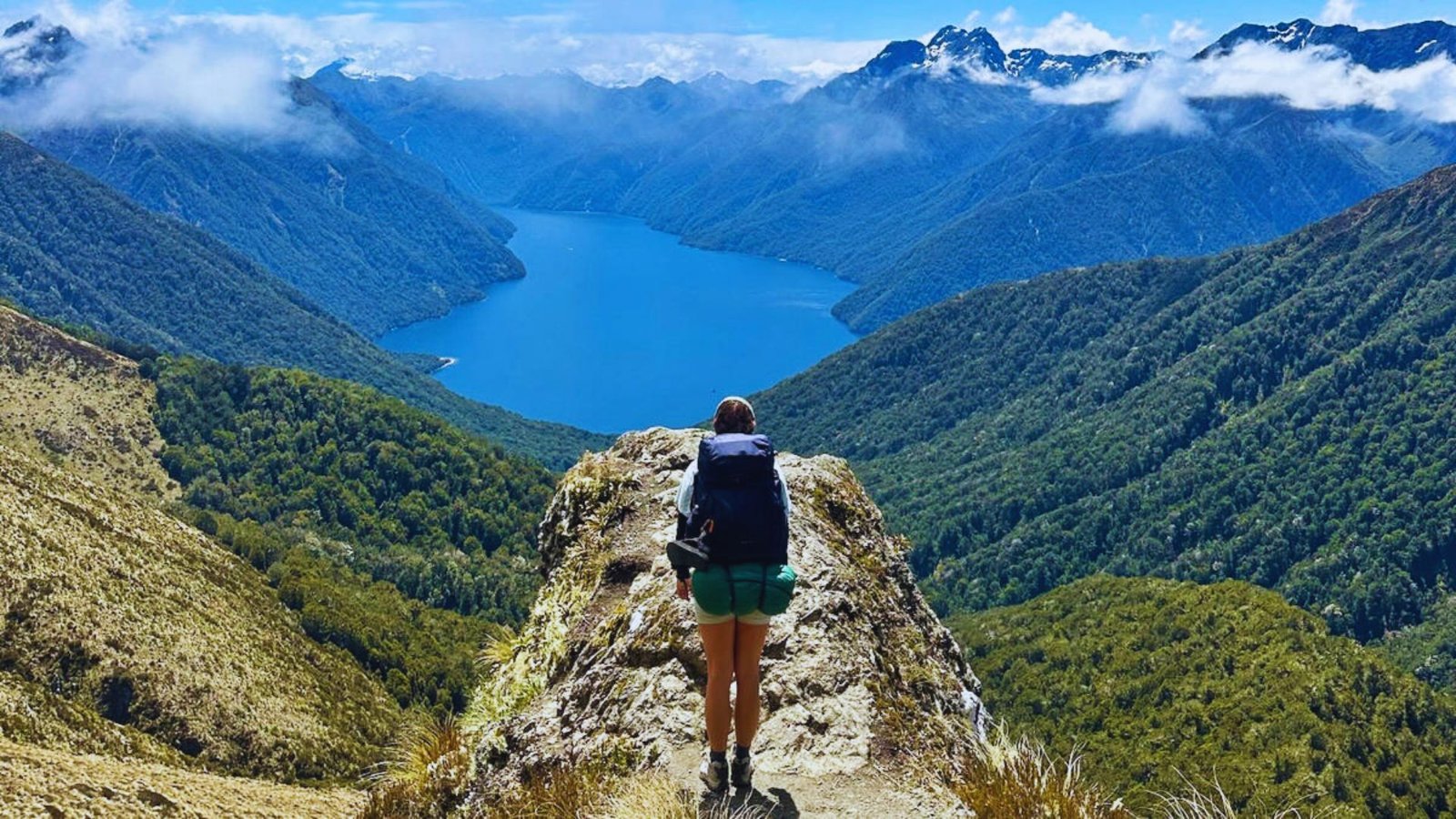



Planning backpacking in New Zealand doesn’t have to be complicated. I’ve spent months researching routes, talking to travelers, and gathering practical advice to make your trip easier.
This guide covers everything you need: visa requirements, realistic daily budgets, must-see spots on both islands, getting around, and itineraries you can actually use.
By the end, you’ll know exactly how to plan an affordable trip that covers the highlights without missing the good stuff.
What You Need to Know Before You Go

Get familiar with the basics that will make your trip smoother, from language barriers to visa requirements.
English is the official language, with Māori also used in place names and cultural sites. Citizens from many countries can visit visa-free for up to 90 days.
The Working Holiday Visa lets you work for up to 12 months while traveling. New Zealand uses the New Zealand Dollar (NZD), with ATMs common in cities.
Bring a Type I travel adapter for power outlets. Buy a local SIM card for reliable internet, with major providers including Spark and Vodafone.
Get travel insurance before you leave it’s required for Working Holiday Visa applications and covers medical emergencies, which can cost $50-80 NZD for a simple doctor visit
Best Time to Visit New Zealand

Timing your trip right can save you money and help you avoid crowds at popular spots.
Summer (December-February) brings warm weather and long days, with temperatures ranging from 20-30°C.
This is peak season with higher prices and crowded attractions. Winter (June-August) attracts skiers to the South Island, with ski passes costing $100-150 NZD daily.
Spring (September-November) and autumn (March-May) offer the best balance with decent weather, fewer crowds, and prices that drop 30-40% compared to summer.
Choose summer for beaches, winter for skiing, or shoulder seasons for budget travel and moderate weather.
Top Destinations in New Zealand

Both islands offer incredible sights, from volcanic landscapes to dramatic fjords and mountain ranges.
North Island Highlights
Auckland is New Zealand’s largest city with museums, restaurants, and day trips to Waiheke Island.
Rotorua sits in an active geothermal zone where you can visit Wai-O-Tapu Thermal Wonderland ($32.50 NZD) and experience Māori culture at Te Puia.
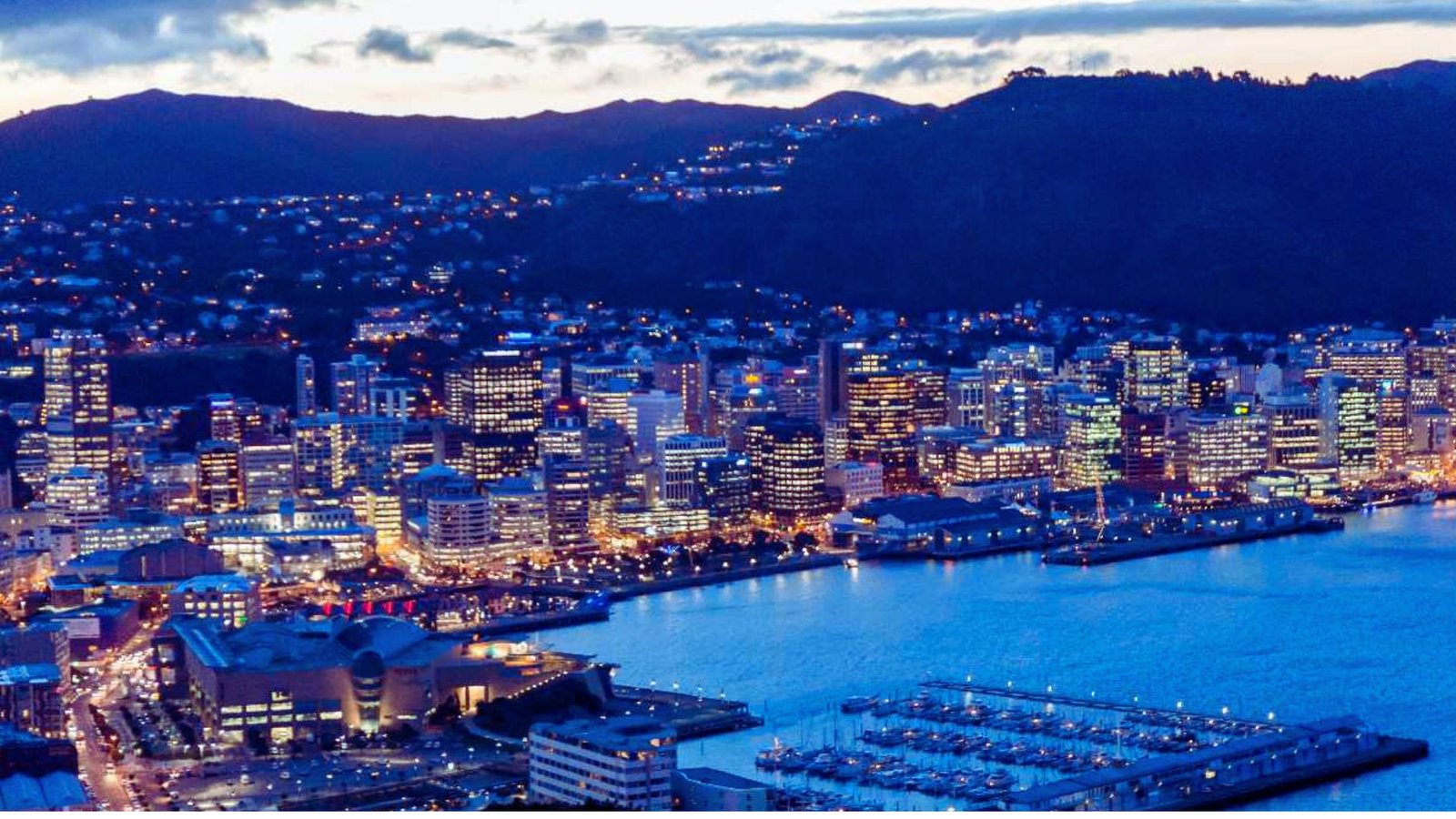
Wellington, the capital city, offers Te Papa Museum for free and great nightlife on Courtenay Place.
Hobbiton near Matamata takes you through the Shire from Lord of the Rings, with tours costing $89 NZD.
South Island Highlights
Queenstown is the adventure capital where you can try bungy jumping ($205 NZD), skydiving ($299-499 NZD), and jet-boating ($145 NZD).
Milford Sound features towering cliffs and boat cruises costing $85-115 NZD.
Lake Tekapo showcases bright turquoise water and is part of a Dark Sky Reserve, with stargazing tours at Mount John Observatory ($165 NZD).
Mount Cook, New Zealand’s tallest peak, offers the popular Hooker Valley Track a 3-hour hike that’s mostly flat and suitable for all fitness levels.
Things to Do in New Zealand

From adrenaline-pumping activities to cultural experiences, there’s something for every type of traveler here.
New Zealand has nine Great Walks showcasing different landscapes. The Tongariro Alpine Crossing is a challenging 7-8 hour trek through volcanic terrain.
Skydiving and bungy jumping require travel insurance that covers adventure sports. Jet-boats navigate shallow rivers at high speeds, with the Shotover Jet costing $145 NZD.
Waitomo Caves on the North Island feature thousands of glowworms, with tours costing $53 NZD. Ski fields open from June to October, with daily lift passes costing $119-149 NZD.
Māori cultural experiences in Rotorua include evening performances with traditional hangi feasts, priced at $95-150 NZD including dinner.
Backpacking Costs in New Zealand

Breaking down daily expenses helps you plan a realistic budget for your trip length.
Accommodation Options
Hostel dorm beds cost $25-45 NZD per night, with private rooms running $70-120 NZD. Budget hotels start at $100-150 NZD per night.
Campervans combine transport and accommodation, costing $80-120 NZD per day for basic models. Airbnb shared rooms start at $30-50 NZD per night.
Food & Transport
A week of groceries costs $50-70 NZD if you cook. Budget $10-15 NZD per meal at cheap restaurants. InterCity bus passes cost $99-499 NZD depending on travel hours.
Domestic flights between Auckland and Queenstown start at $80-120 NZD if booked early. Rental cars cost $40-60 NZD per day plus fuel.
Suggested Daily Budgets
Shoestring budget: $60-80 NZD per day staying in hostels and cooking all meals.
Mid-range budget: $100-150 NZD per day with some tours and eating out once daily.
Luxury budget: $200-300+ NZD per day with private rooms and guided tours.
Transportation & Getting Around

Moving between cities and regions requires planning ahead for the best prices and routes.
InterCity is the main bus company connecting all major destinations. Kiwi Experience offers hop-on, hop-off passes designed for backpackers ($509-1,949 NZD).
Domestic flights save time on long distances; Auckland to Queenstown takes 15 hours by bus but only 2.5 hours flying.
The TranzAlpine train runs between Christchurch and Greymouth ($129-229 NZD), crossing the Southern Alps in 4.5 hours.
Rental cars give maximum freedom, starting at $40-60 NZD per day. Hitchhiking is common and generally safe, working better on the South Island.
New Zealand Working Holiday Visa Guide

Working while traveling lets you stay longer and fund your adventures as you go.
A Working Holiday Visa lets you work in New Zealand for up to 12 months if you’re aged 18-30 (or 35 for some countries).
You need proof of $4,200 NZD in your bank account and a return ticket.
The visa costs $208 NZD with processing taking 1-4 weeks. Popular jobs include fruit picking, hostel work, and ski resort positions.
The minimum wage is $23.15 NZD per hour. Seasonal ski work pays well and includes discounted lift passes.
Suggested Itineraries
These ready-to-use routes help you maximize your time on each island or both combined.
North Island (10-14 days): Auckland (2-3 days) → Rotorua (2 days) → Taupo (1-2 days) → Tongariro National Park → Wellington (2-3 days).
South Island (10-12 days): Queenstown (4-5 days) → Milford Sound day trip → Wanaka (2 days) → Mount Cook → Lake Tekapo (1-2 days) → Christchurch.
Combined Islands (24-28 days): Complete North Island route → Ferry to South Island → West Coast → Queenstown → Mount Cook → Lake Tekapo → Christchurch.
Packing Tips for Backpackers
Bringing the right gear makes your trip more comfortable without weighing you down.
Clothing & Footwear:
- Pack layers instead of bulky items
- Waterproof jacket for frequent rain
- Comfortable walking shoes and hiking boots
- Quick-dry clothing for easy washing
- Warm fleece or down jacket
- Swim gear and fast-drying towel
Electronics:
- Universal travel adapter with Type I plugs
- Power bank for long days out
- Phone and camera
- Earphones for bus rides
Toiletries & Health:
- Sunscreen with high SPF
- Insect repellent for sandflies
- Basic first-aid kit with blister plasters
- Prescription medications with copies
Outdoor Gear:
- Reusable water bottle
- Compact daypack for hikes
- Headlamp or flashlight
- Sleeping bag liner for warmth
- Padlock for hostel lockers
- Zip-lock bags for organization
Conclusion
Backpacking New Zealand is one of those trips that stays with you long after you return home.
I still remember my first sunrise over Lake Tekapo and meeting travelers who became lifelong friends in Queenstown hostels.
You’ve got all the practical info now costs, routes, and tips that actually work. The planning part is done. Now comes the exciting part: booking that flight and making it happen.
Drop a comment below with your biggest question or concern.
Frequently Asked Questions
How much money do I need for backpacking New Zealand for a month?
Budget $2,400-6,000 NZD for a month depending on your travel style. Shoestring travelers can manage $60-80 NZD daily.
Is New Zealand safe for solo female travelers?
Yes, New Zealand is very safe for solo female travelers with low crime rates and friendly locals.
Do I need a car to travel around New Zealand?
No, buses like InterCity connect all major destinations, though cars give more flexibility.
What’s the best way to save money while backpacking New Zealand?
Cook your own meals, travel during shoulder season, and book transport in advance.
Can I work while backpacking New Zealand?
Yes, if you have a Working Holiday Visa allowing work for up to 12 months at $23.15 NZD minimum wage.