








Planning your trip across Europe? Getting your packing list right makes all the difference. I’ve learned this the hard way after lugging around too much stuff on my first European trip.
This guide breaks down everything you need for your backpacking Europe packing list. I’ll show you which items truly matter and which ones you can leave behind.
We’ll cover bags, clothes, toiletries, tech gear, and smart packing strategies. You’ll learn how to pack light without missing anything important.
This list works for first-timers and experienced travelers alike.
Let’s get you ready for an amazing trip.
Why Packing Smart Matters
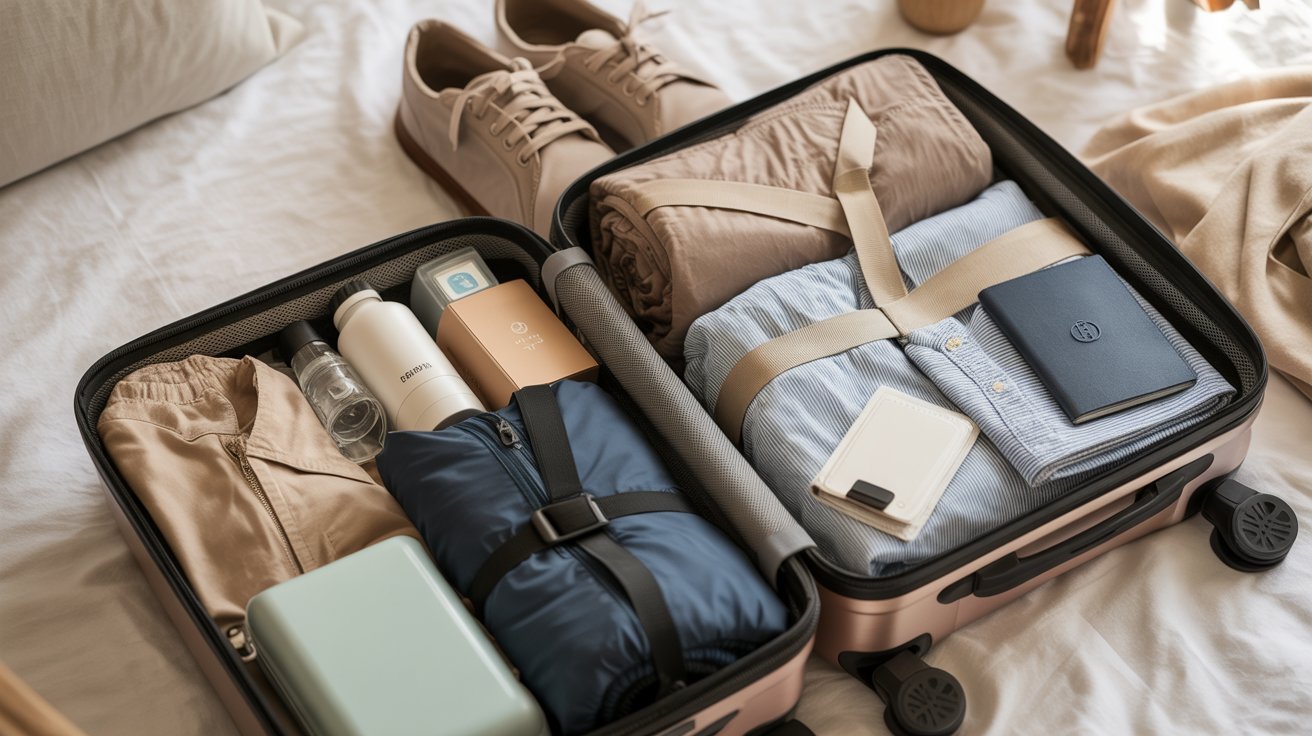
Learn practical strategies to pack efficiently, avoid excess weight, and adapt your list for different trip lengths.
Packing right changes everything. You move faster through airports. Your shoulders feel better after long days of exploring.
Overpacking creates problems. Heavy bags slow you down. Airlines charge extra fees. You waste time finding things you never use.
Bring versatile items that work in multiple situations. Pack clothes you can mix and match.
Trip length matters. A weekend needs less than a month-long trip. Adjust your list based on where you’re going and how long you’ll stay.
Choosing Your Travel Bag
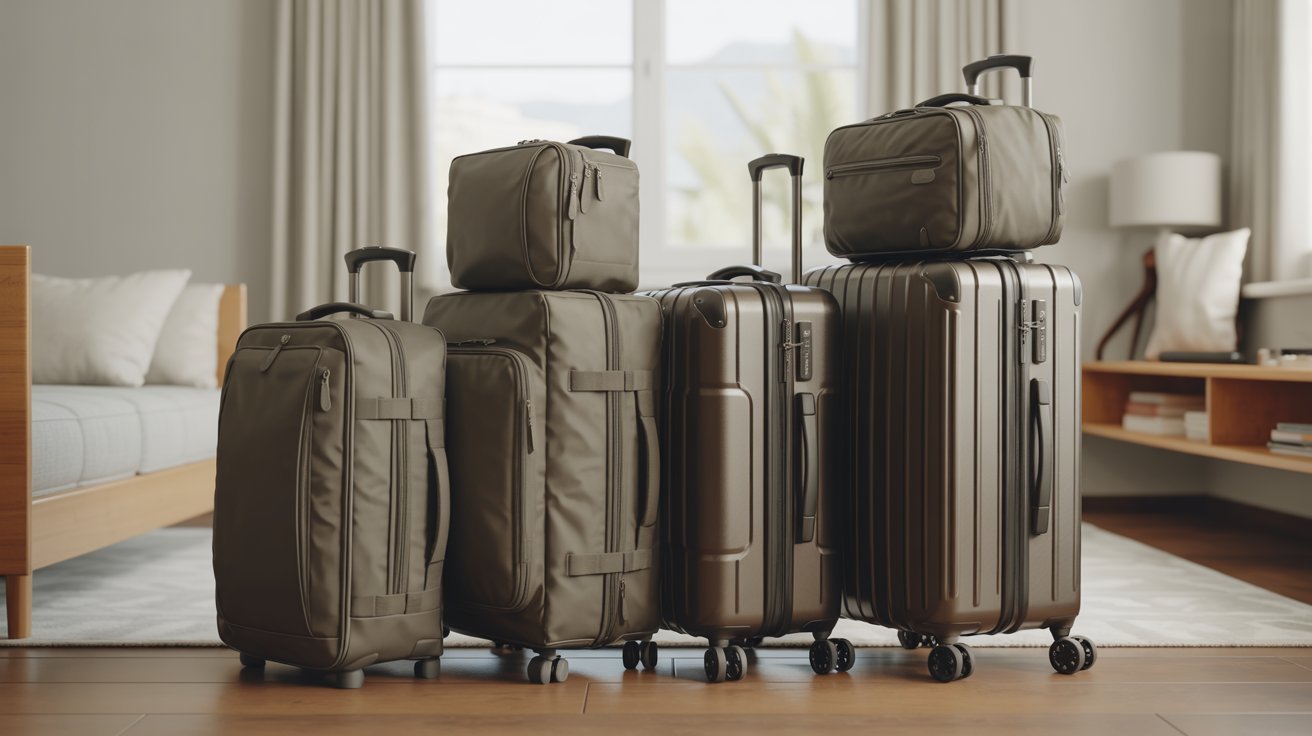
Compare backpacks and suitcases, learn combination strategies, and pick the right size for your needs. Backpacks give you mobility.
They work great on cobblestone streets and stairs. They fit easier in crowded trains. Carry-on suitcases roll smoothly on flat surfaces.
But wheels struggle on rough terrain. Hopping between cities? A backpack wins. Staying in one place? A suitcase works fine. I use both. My backpack holds clothes.
My daypack carries daily needs. Leave your big bag at the hostel and find light. Aim for 40 to 50 liters. This fits as carry on with most airlines. Test the weight at home first.
Travel Documents & Money Essentials
Organize passports, insurance, payment methods, and keep digital backups of all important travel documents.
Passport, Visas, and IDs
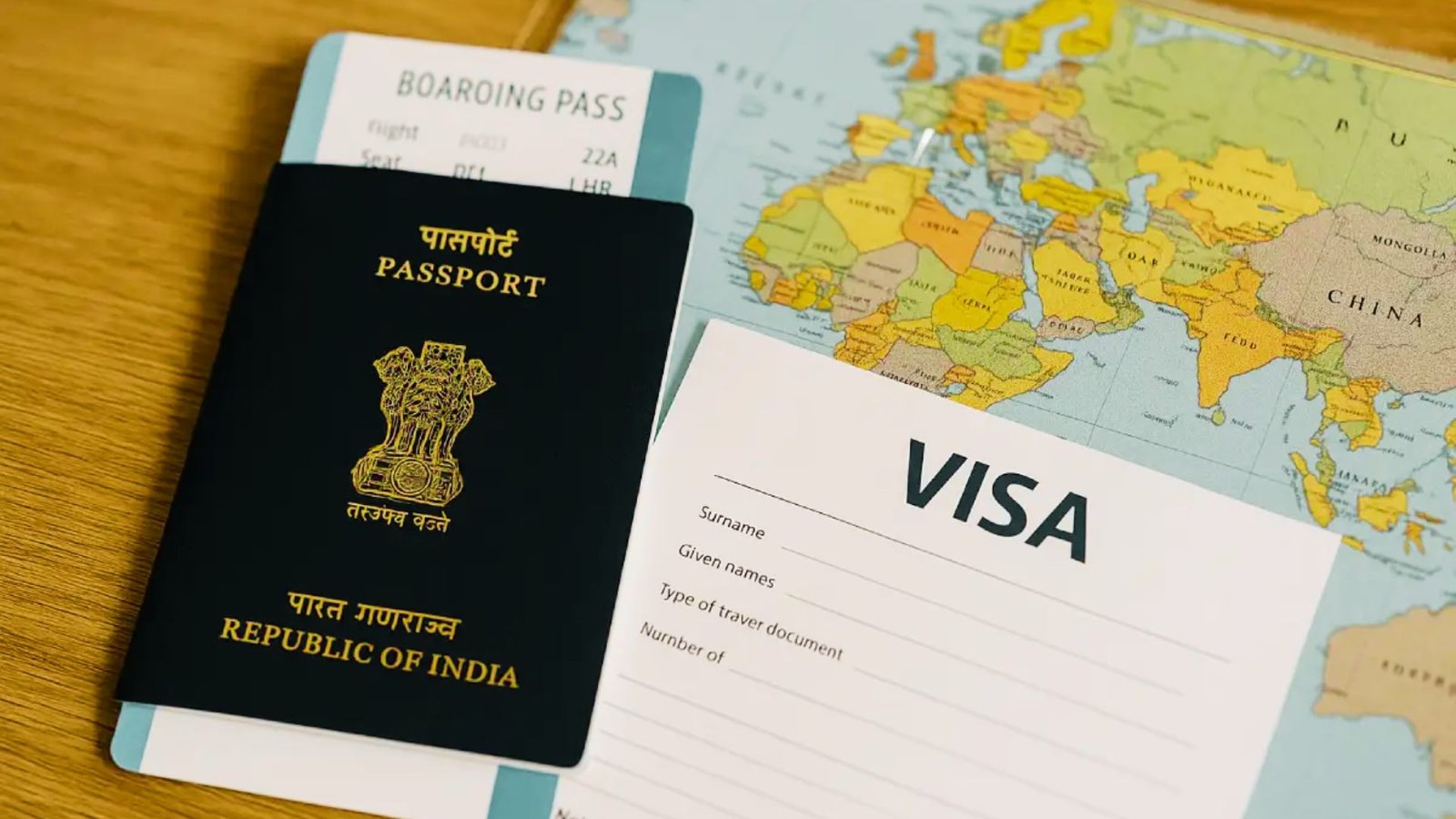
Your passport is everything. Check the expiration date now. Most European countries require six months validity beyond your travel dates.
Keep a photocopy separate from your actual passport. Store one copy in your luggage. This saves headaches if you lose the original.
Research visa requirements early. Americans can visit most of Europe visa-free for 90 days. Check before you book flights.
Bring a second form of ID. A driver’s license works great for hostels.
Travel Insurance Why It’s Important
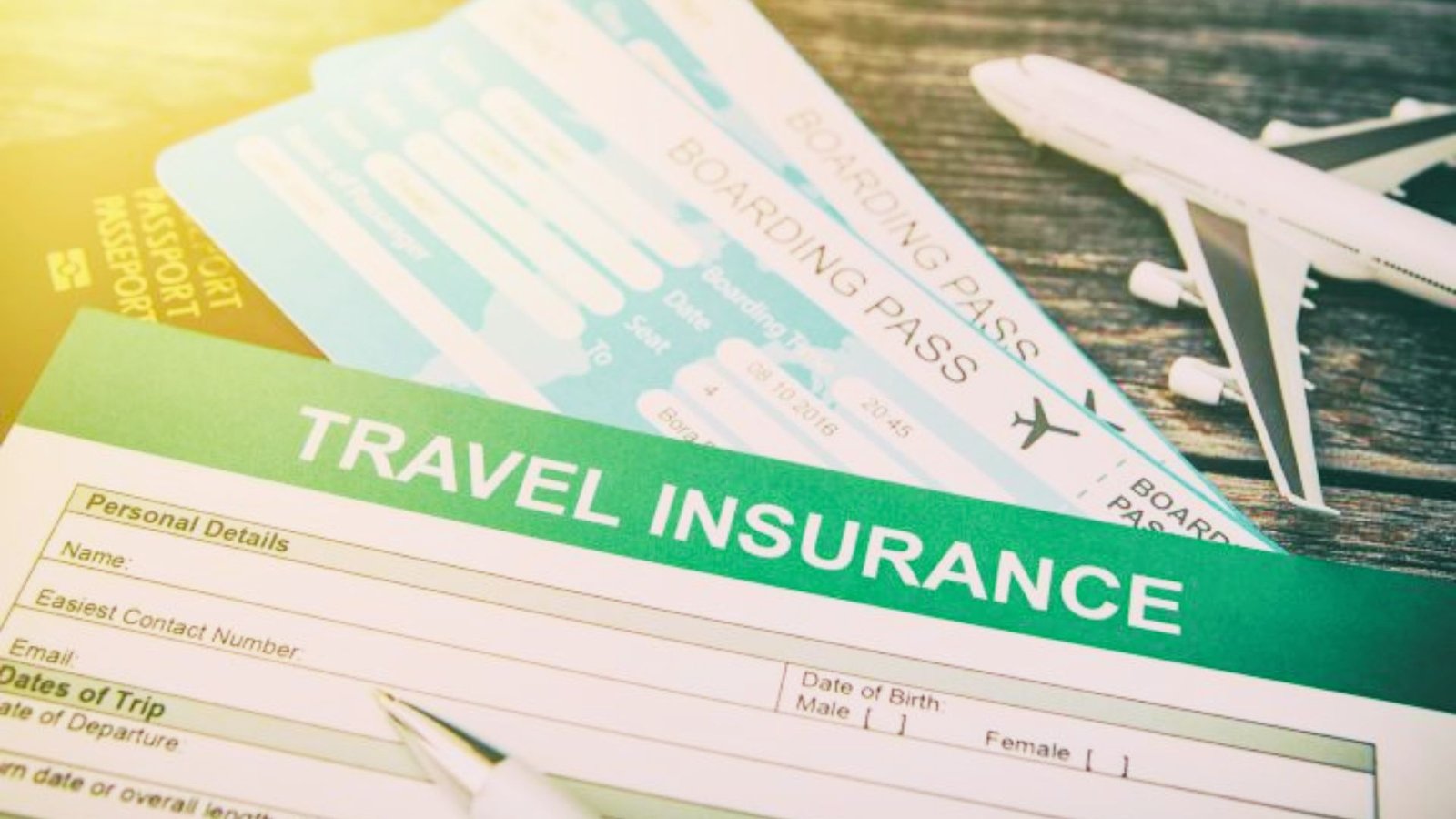
I never skip travel insurance. Medical emergencies abroad cost thousands of dollars. Lost luggage ruins trips. Cancelled flights drain your savings.
Good insurance covers medical care, trip cancellations, and lost belongings. Read the policy carefully before you need it.
Purchase insurance when you book your trip. Waiting costs more. Compare several companies before deciding.
Credit/Debit Cards, Cash, and Emergency Contacts
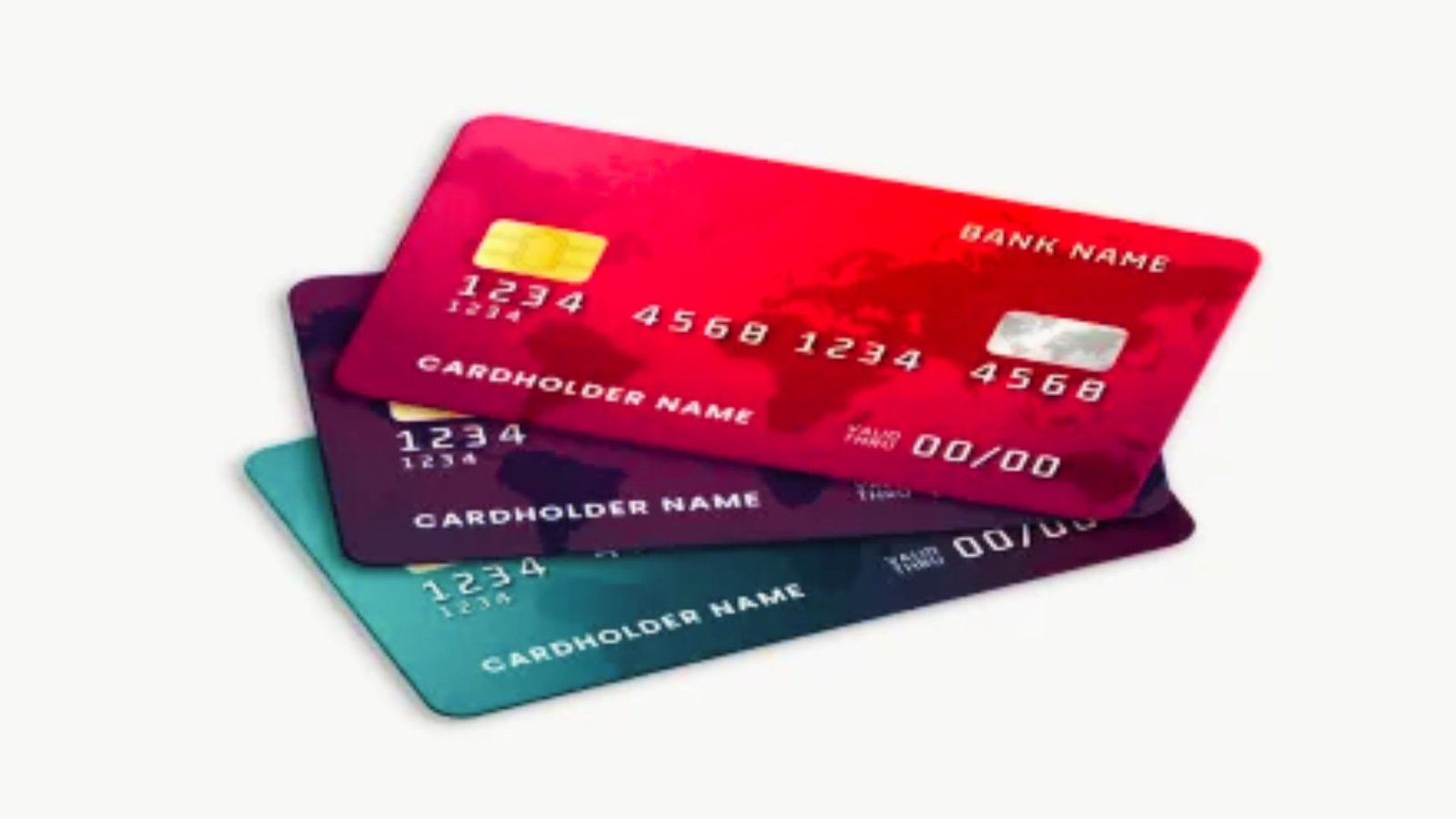
Bring two credit cards from different companies. If one gets declined or stolen, you have a backup. Notify your bank about travel dates to prevent fraud alerts.
Carry some cash in euros. Small shops and street vendors prefer cash. Keep bills under 50 euros for easier use.
Write down emergency numbers. Save your bank’s international contact number. Store these separately from your cards.
Organizing Digital Copies of Important Documents
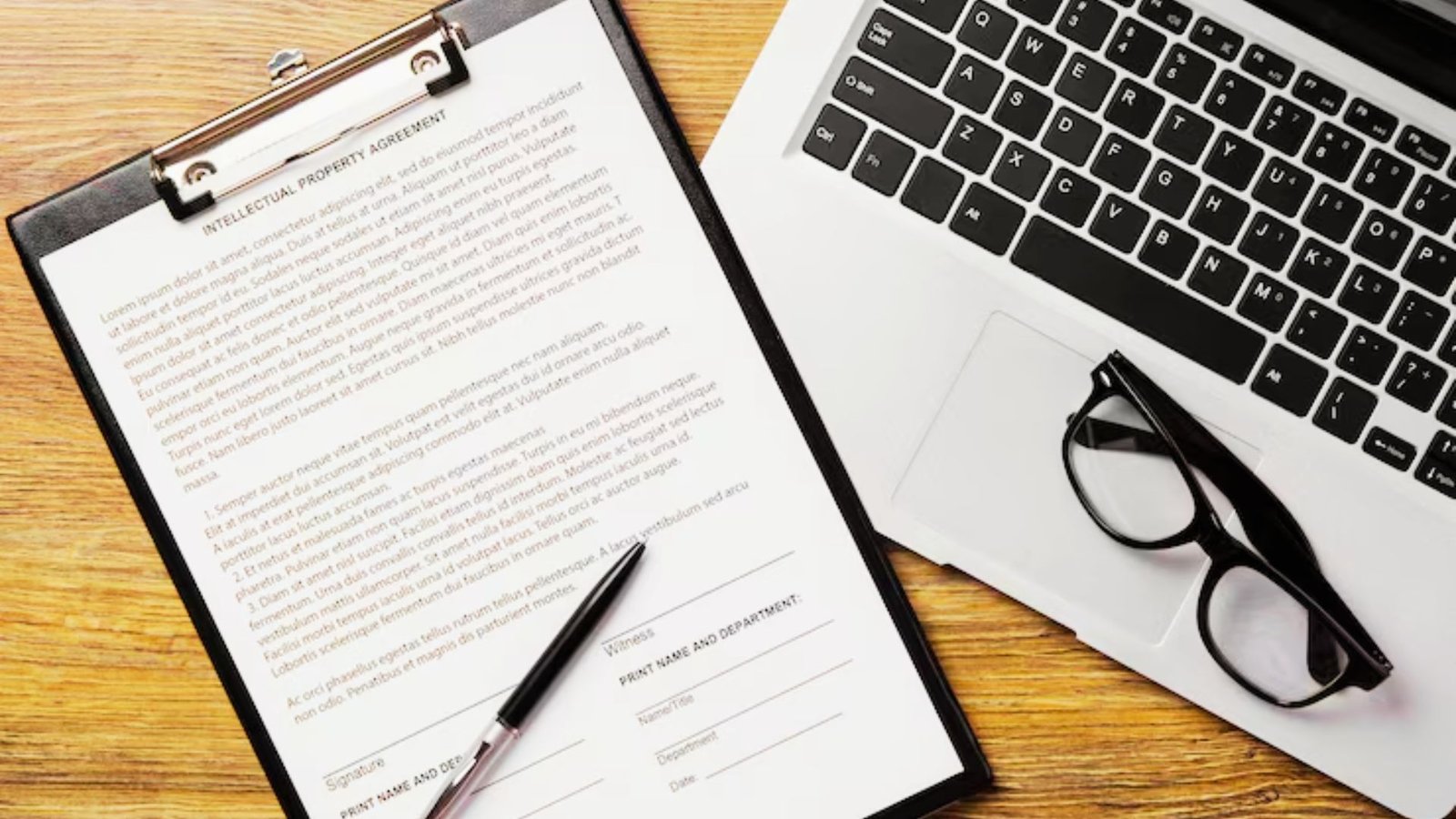
Take photos of everything important. Scan your passport, insurance papers, and credit cards. Email these to yourself. Store them in cloud storage too.
I use a password protected folder on my phone. Access your documents even without the internet.
Keep a list of credit card numbers and expiration dates. Don’t include security codes. This helps when reporting lost cards.
Clothing for Europe
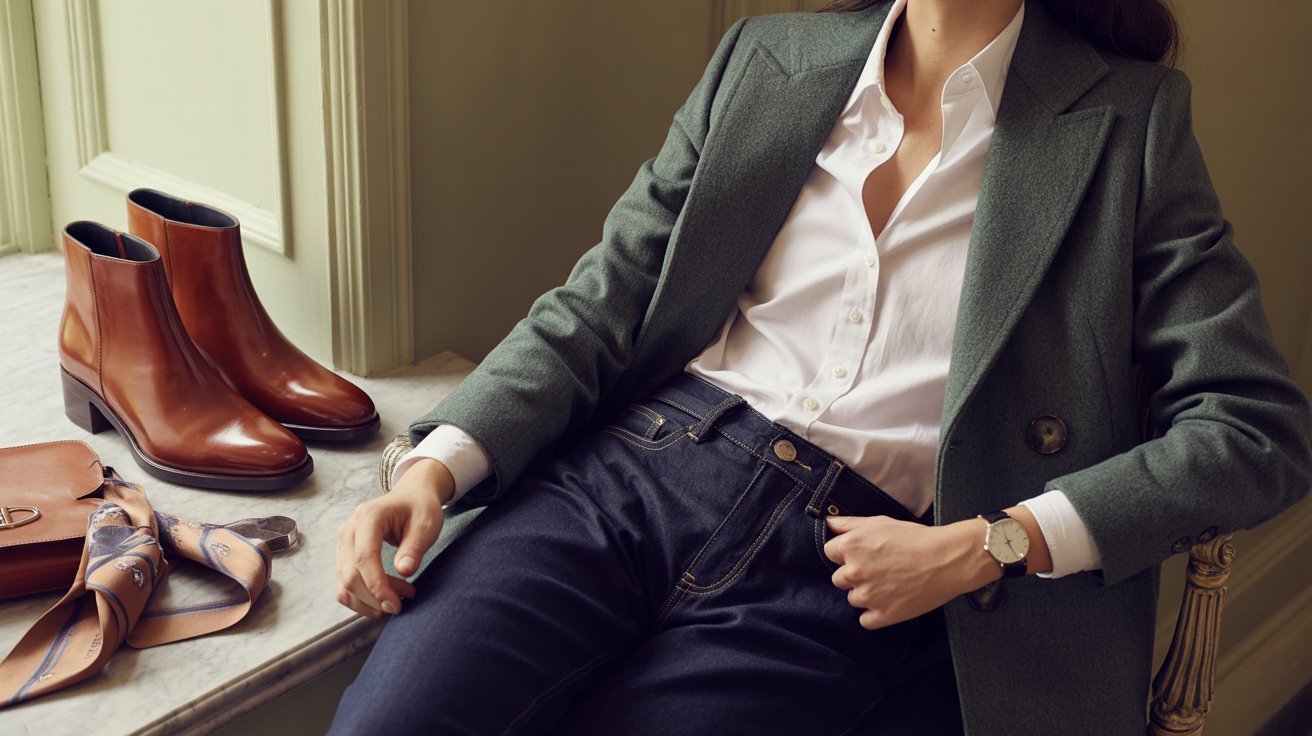
Pack versatile layers, comfortable shoes, and weather-appropriate gear that mix and match for any destination.
Stick to neutral colors. Black, gray, navy, and white match everything. Bring three to four t-shirts. Add one or two long sleeve shirts. Choose quick dry fabrics.
Pack two pairs of pants. Jeans and one lighter option work best. Women can add a skirt or dress. Always pack a rain jacket. Bring one warm layer for evenings.
Comfortable walking shoes matter most. Bring one other pair. Sandals work for warm weather. Bring a hat and sunglasses. Keep jewelry minimal.
Toiletries & Personal Care
Pack travel sized products, sun protection, minimal makeup, and basic health items for your trip.
Travel Sized and Solid Toiletries
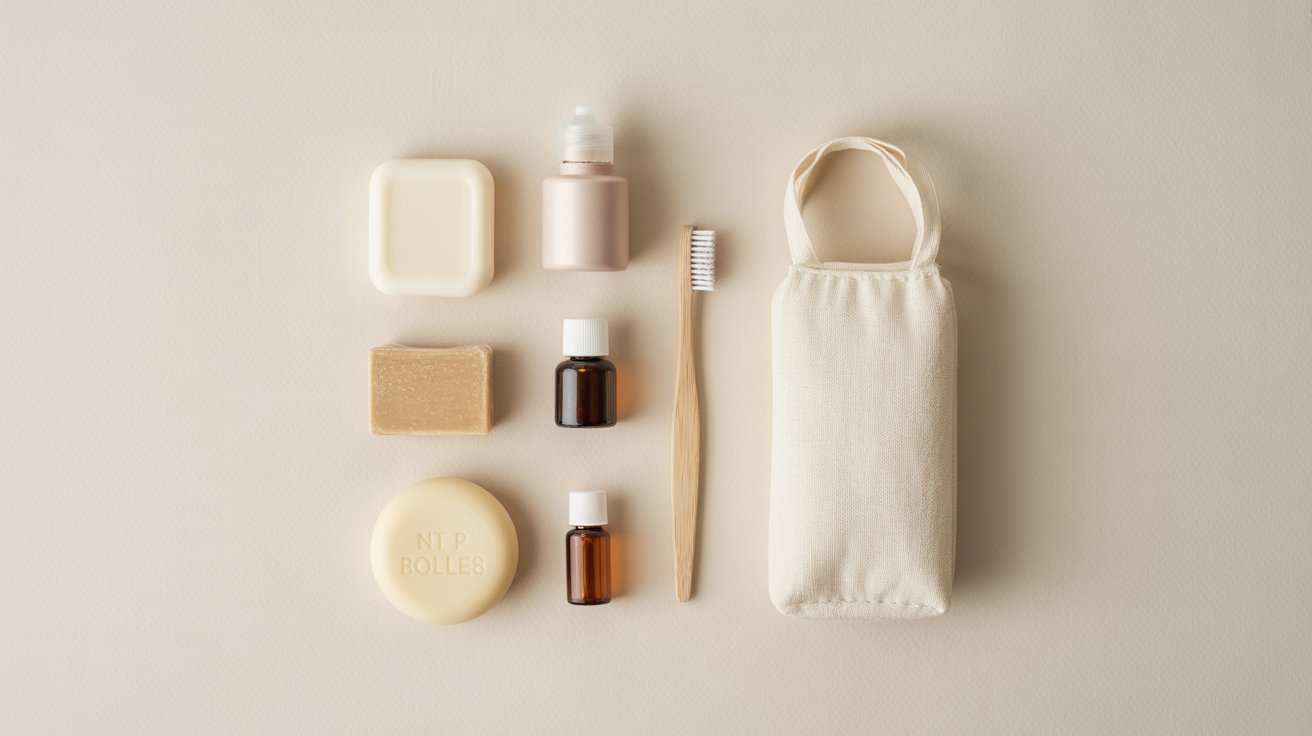
Buy travel sized bottles or use solid alternatives. Shampoo bars, soap bars, and toothpaste tablets save space and pass through airport security easily.
Most hostels provide shampoo and conditioner. Skip these unless you have specific needs. Refillable bottles work great for longer trips.
Skincare and Sun Protection Essentials

Sunscreen is a must have. The European sun feels stronger than expected. Bring a small bottle and buy more locally.
Keep your routine simple. Cleanser, moisturizer, and sunscreen cover the basics. Add lip balm with SPF. Your lips burn easily.
Minimalist Makeup for Travel
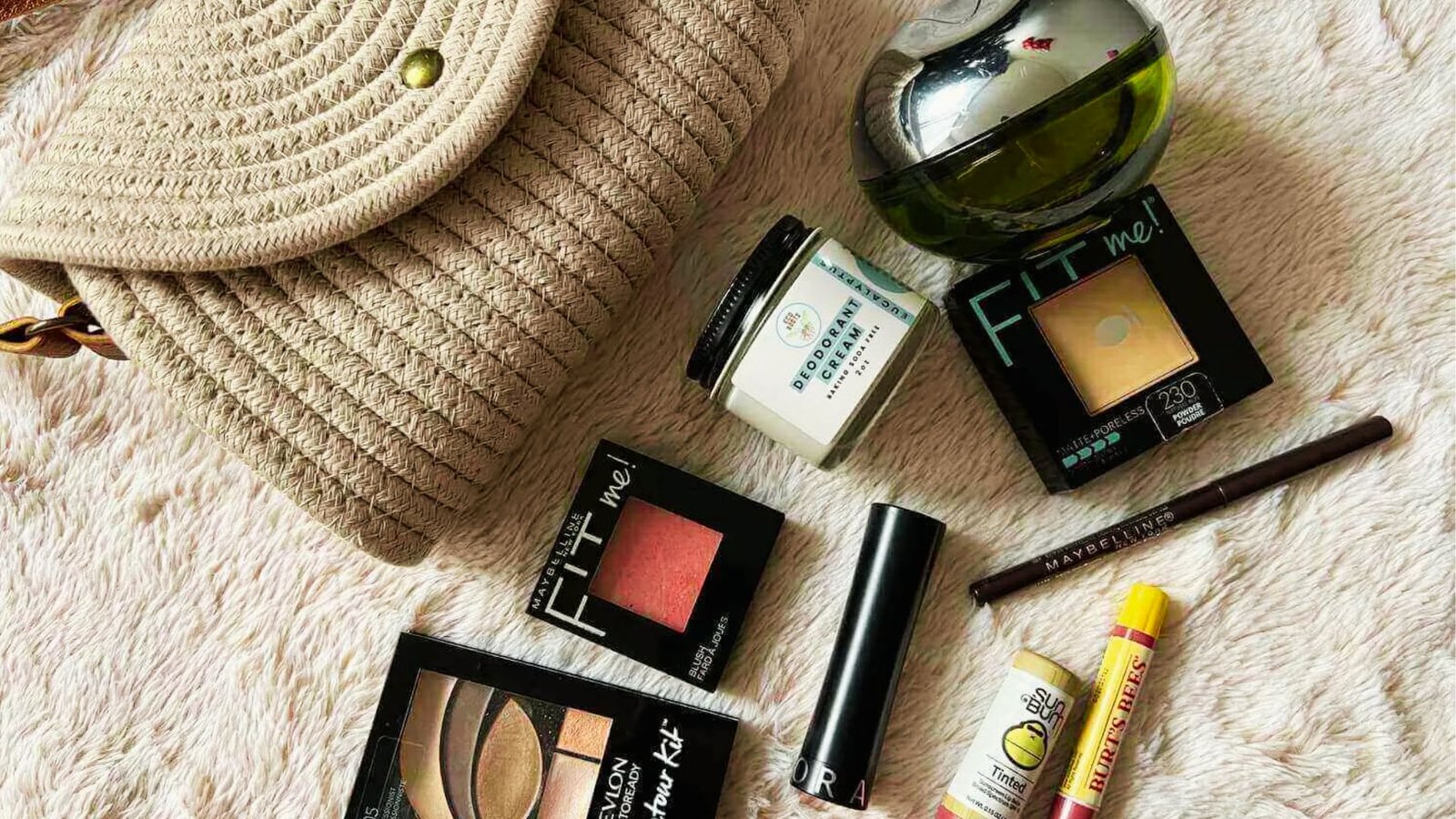
Bring only what you actually use. Foundation, mascara, and one lip color handle most situations. Multi use products save space.
Consider skipping makeup entirely. You save time and space. Use a small makeup bag for everything.
Health & First Aid Medications, Vitamins, and Hygiene
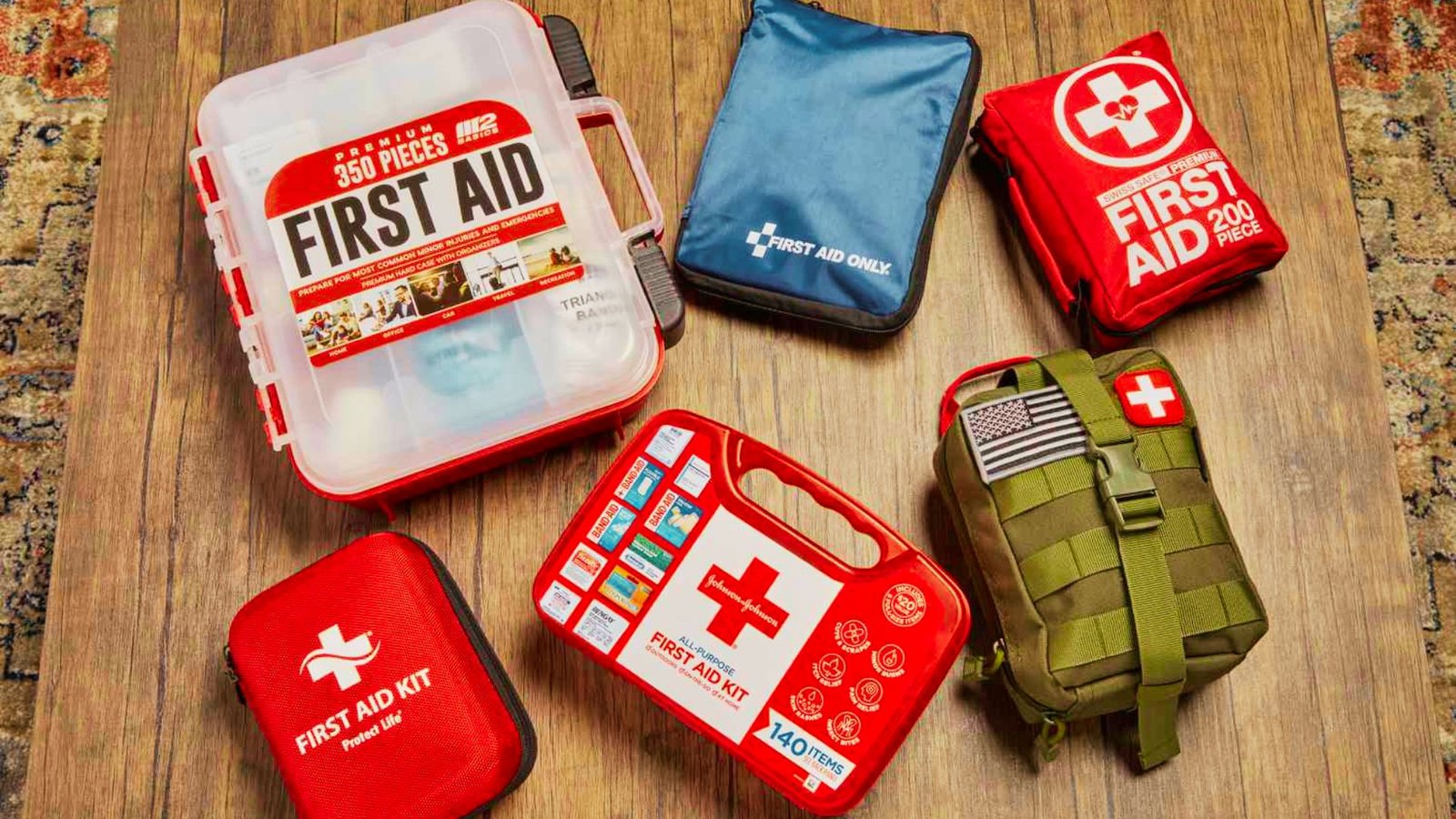
Pack all prescription medications. Bring enough for your entire trip plus extra days. Carry them in original bottles.
Add basic over the counter items. Pain relievers, antihistamines, and stomach medication help with common issues.
Include bandages and antiseptic wipes. Blisters happen when you walk all day. Bring feminine hygiene products if needed. Brands vary across Europe.
Electronics & Travel Gadgets
Pack phones, chargers, cameras, adapters, and optional gadgets that make travel easier and more enjoyable.
Smartphones, Chargers, and Power Banks
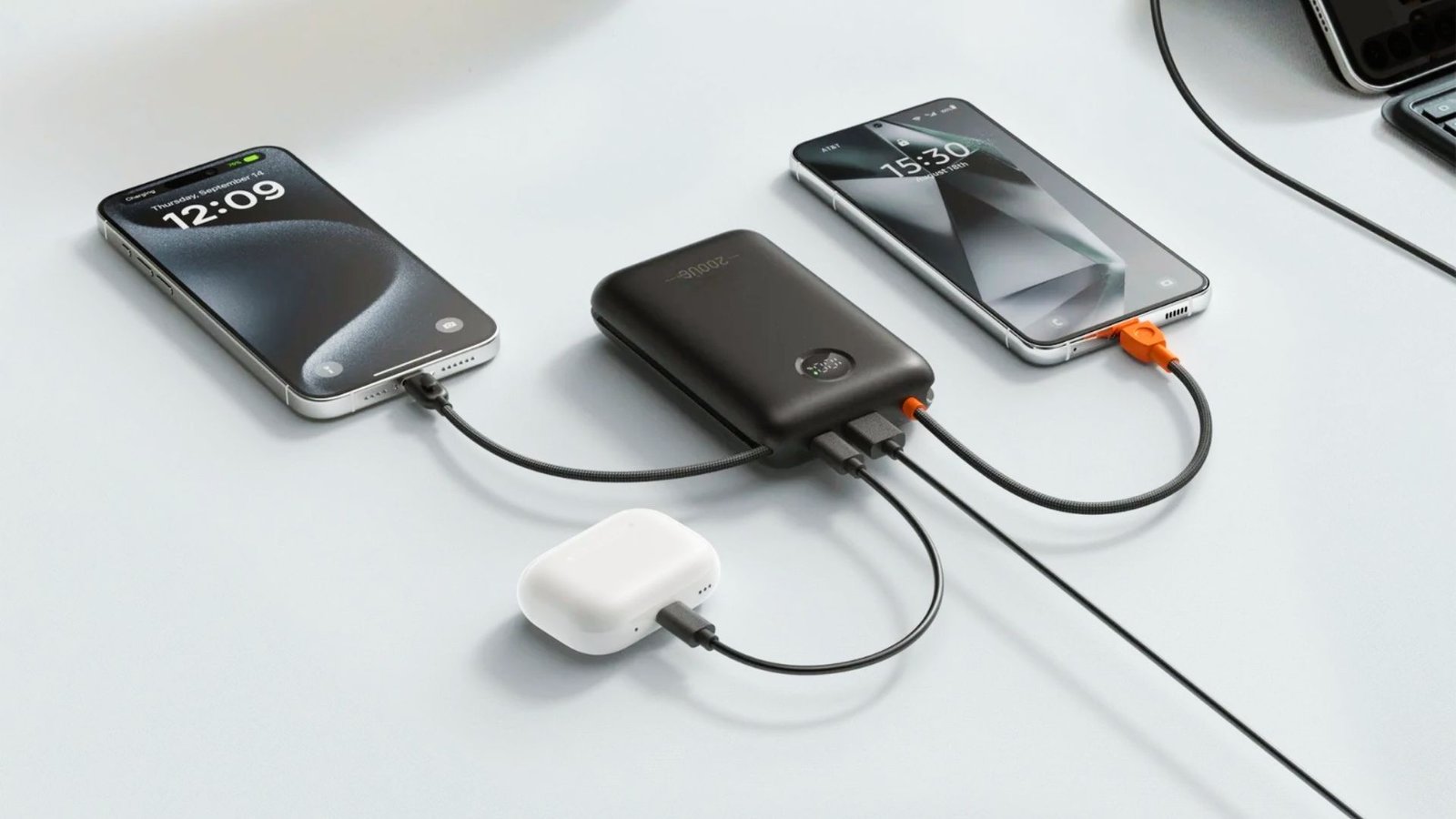
Your phone handles maps, communication, photos, and boarding passes. Bring a protective case and charging cable. Pack a backup cable in case one breaks.
A power bank with 10,000 mAh capacity charges your phone multiple times. You stay connected during long travel days.
Cameras, Tripods, and Accessories
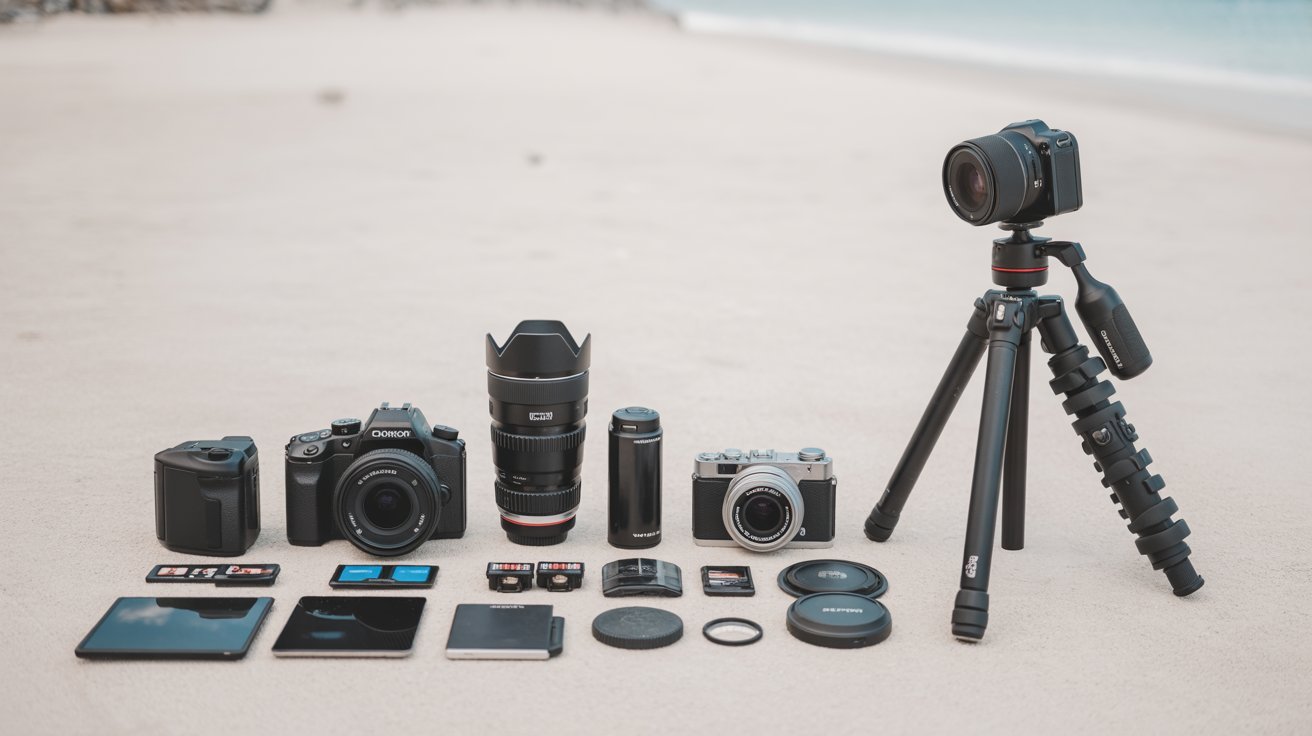
Phone cameras work great for most travelers. Skip heavy camera gear unless photography is your hobby.
A small tripod helps with group photos. Protect camera equipment in a padded case. Bring extra memory cards.
Travel Adapters and Portable Speakers
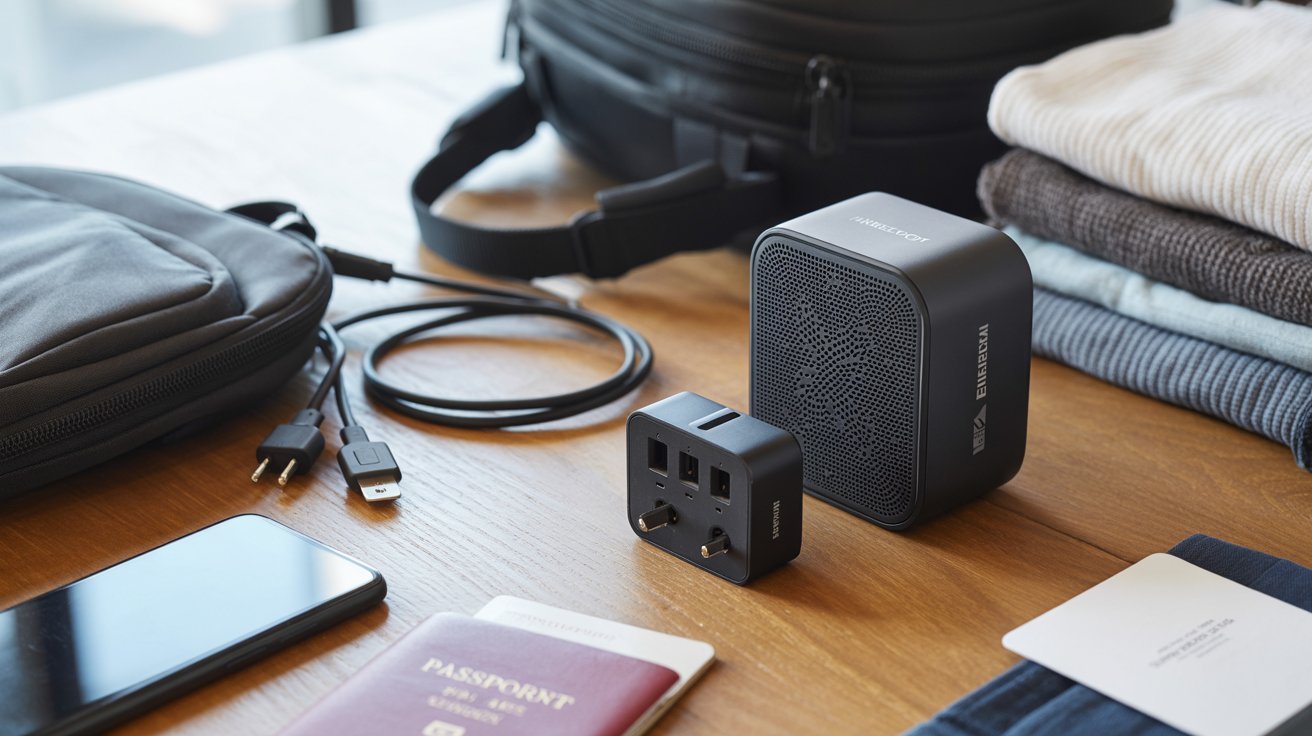
Europe uses Type C and Type E/F outlets. Buy a universal adapter before leaving. A power strip with a universal adapter lets you charge multiple devices at once.
Skip the portable speaker. Hostels have quiet policies. Use headphones instead.
Optional Gadgets Kindle, Selfie Light, Noise-Canceling Headphones
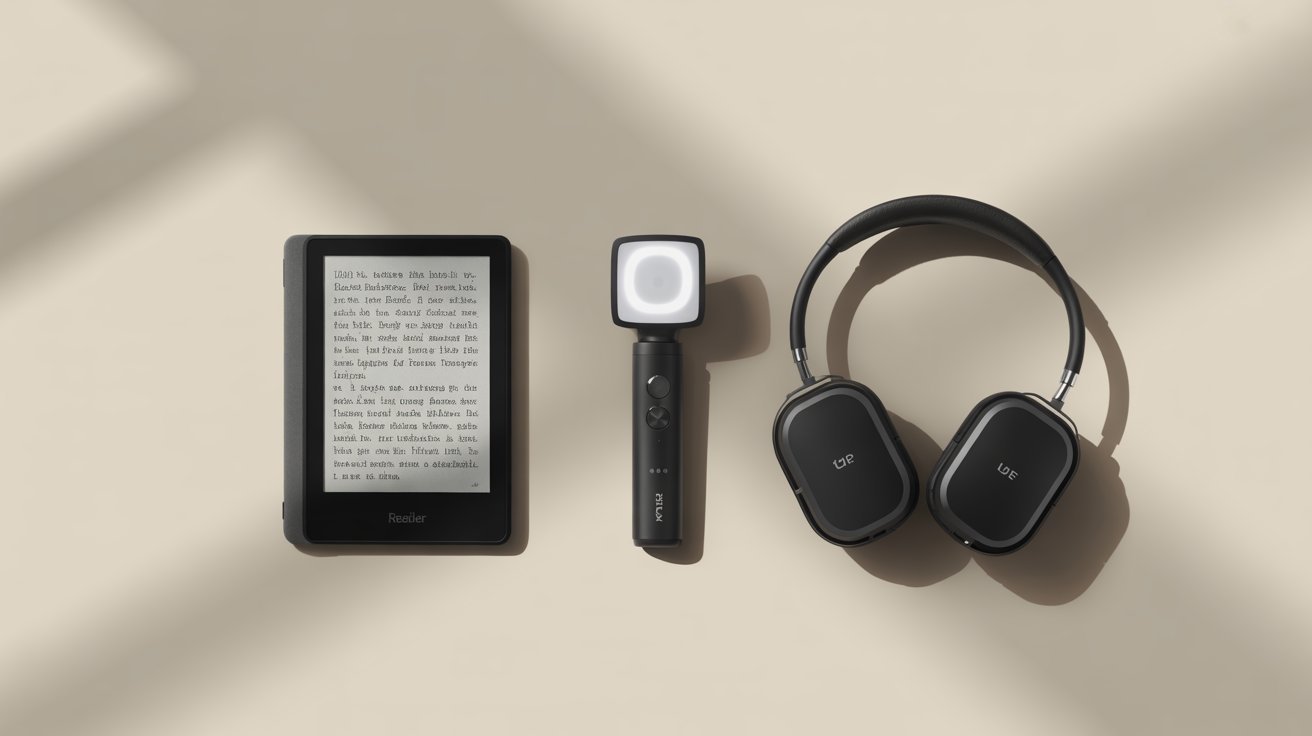
A Kindle holds hundreds of books. Perfect for long train rides. The battery lasts weeks.
Noise canceling headphones block out engine noise and crying babies. Worth the space if you travel often.
Leave the selfie light home. Natural lighting works better. Your phone flash handles low light.
Packing & Organization Tools
Use packing cubes, laundry solutions, and small necessities to keep belongings tidy and accessible.
Packing Cubes and Compression Bags
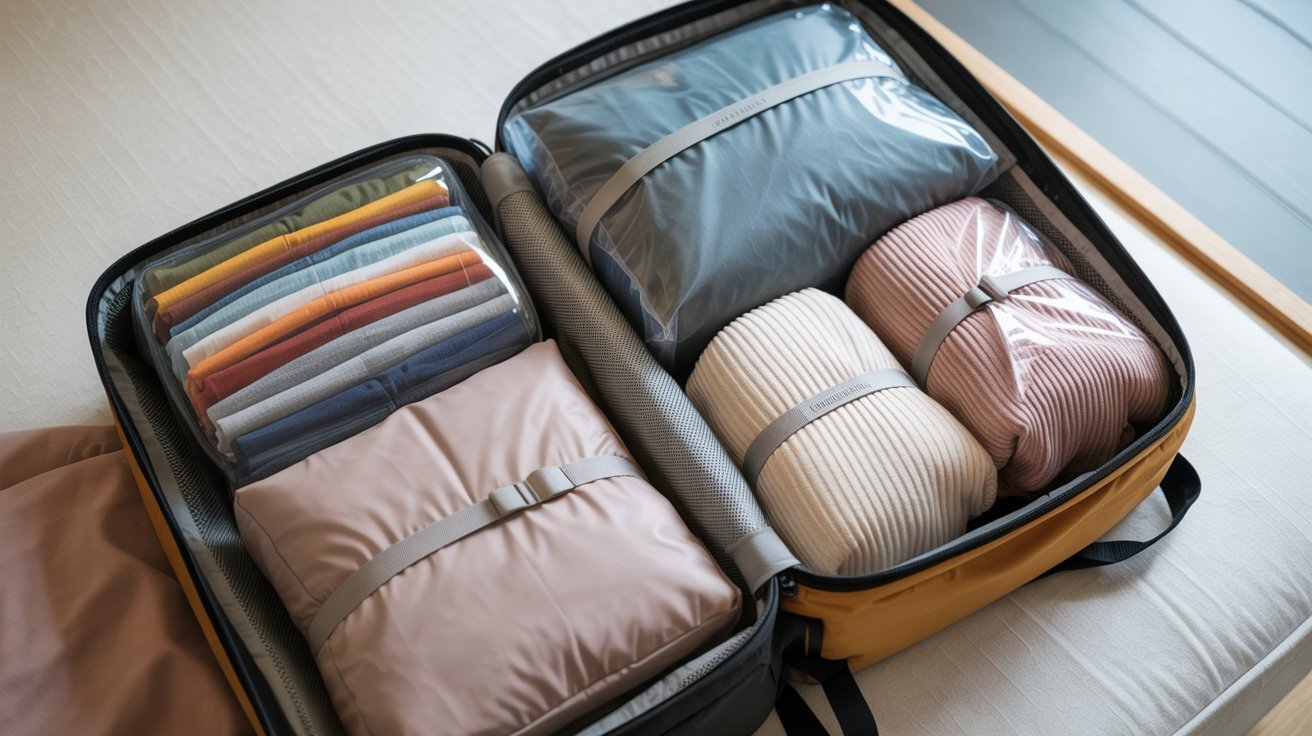
Packing cubes keep clothes organized by type. Use different colors for different items. Finding things becomes quick and easy.
Compression bags save space. Roll clothes and squeeze out air. Perfect for bulky jackets.
Laundry Bags and Detergent Sheets
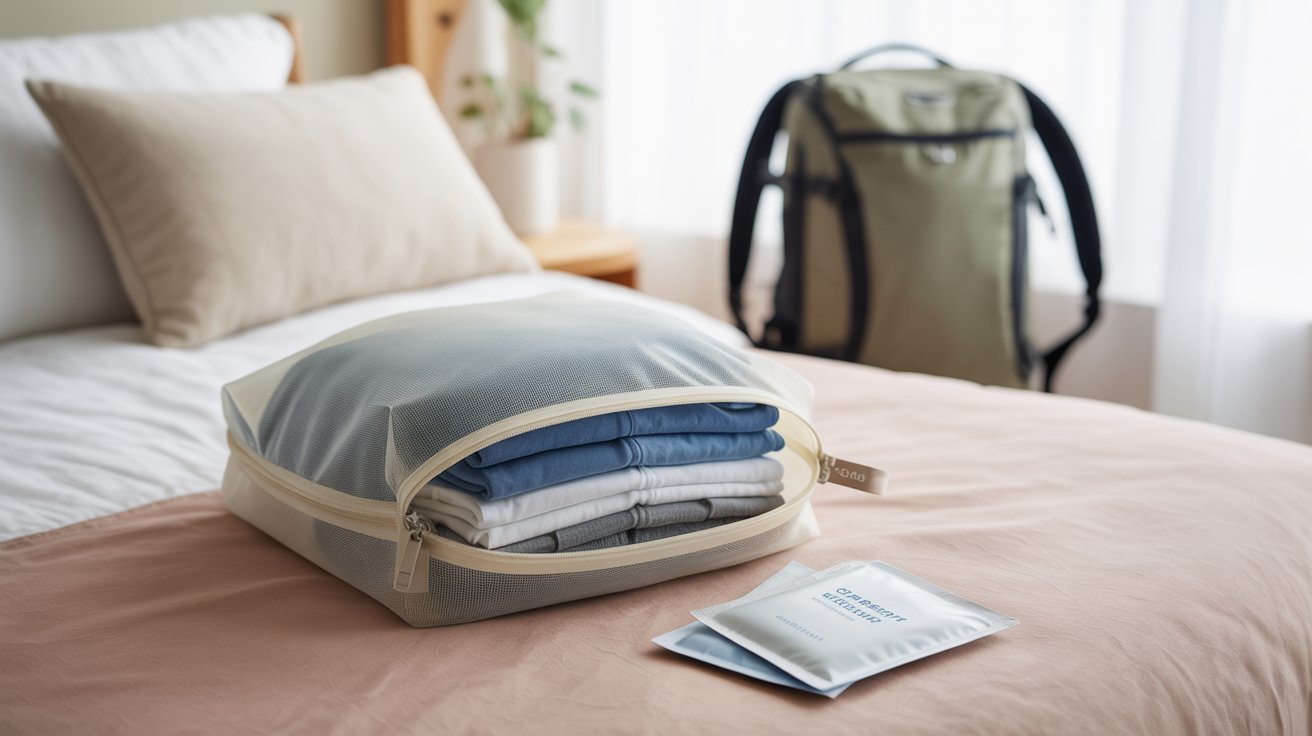
A lightweight laundry bag separates dirty clothes. Keeps clean items fresh.
Bring detergent sheets for washing clothes. They weigh nothing and work anywhere. Plan to do laundry weekly so you can pack less.
Dry Bags, Tote Bags, and Travel Pouches
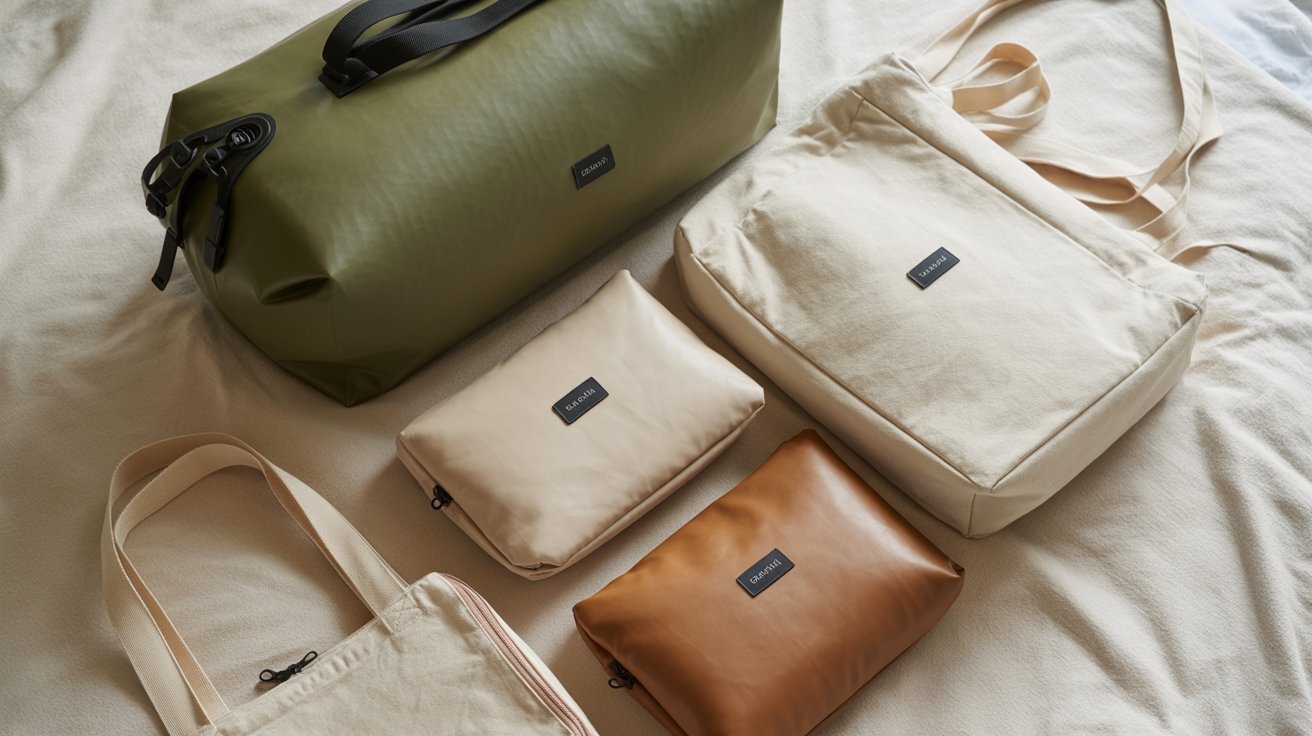
A small dry bag protects electronics during rain. A foldable tote works as a beach bag or extra daypack.
Travel pouches organize cables, chargers, and toiletries. Clear pouches make airport security faster.
Small Items Umbrella, Reusable Bottles, Travel Cutlery
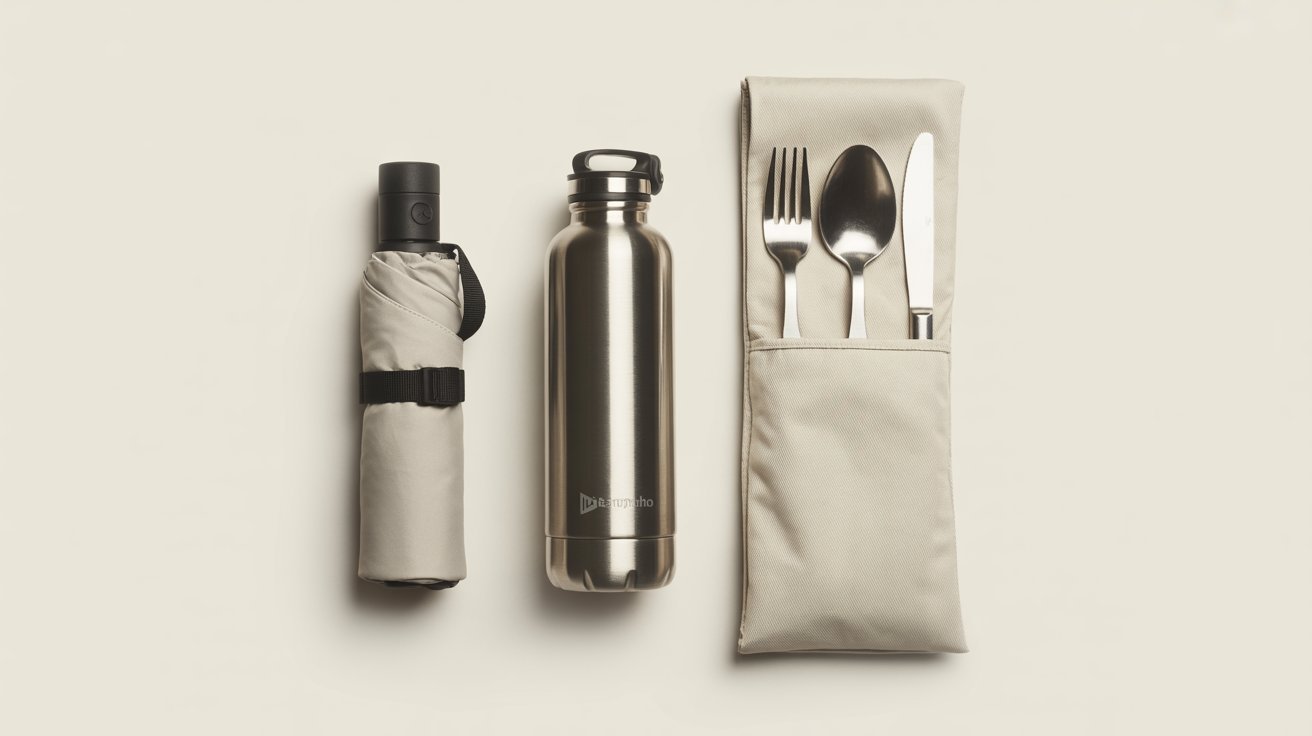
A compact umbrella beats rain jackets sometimes. European rain comes without warning.
Bring a reusable water bottle. European cities have fountains. You save money and reduce plastic.
Nice to Have Comfort Items
Optional additions like travel pillows, extra beauty products, and entertainment make long trips more pleasant.
Travel Pillow, Blanket, and Sleep Accessories
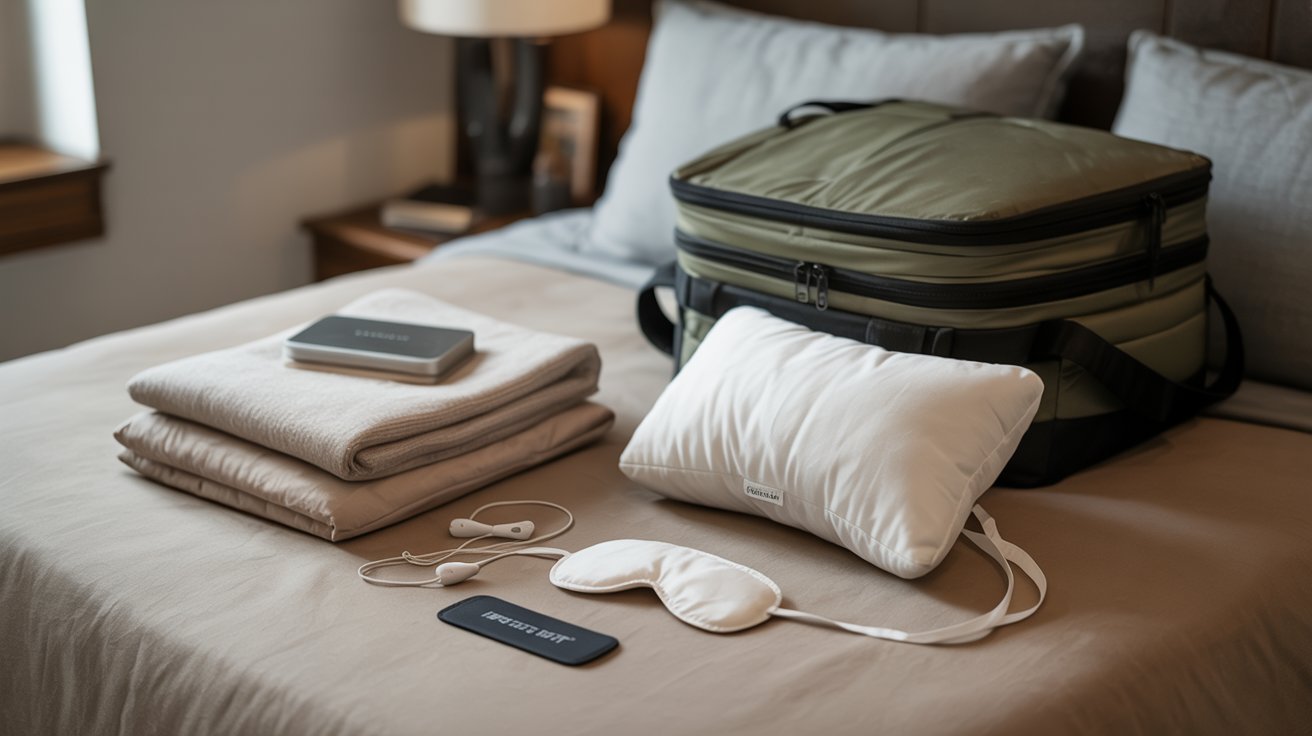
A travel pillow makes overnight buses bearable. Memory foam supports your neck better than inflatable ones.
Skip the travel blanket. Wear layers instead. Bring an eye mask and earplugs for better sleep in hostels.
Hair Care & Beauty Extras

Most accommodations provide hair dryers. Bring dry shampoo to extend time between washes.
A silk pillowcase prevents tangles and folds flat.
Journals, Guides, and Entertainment
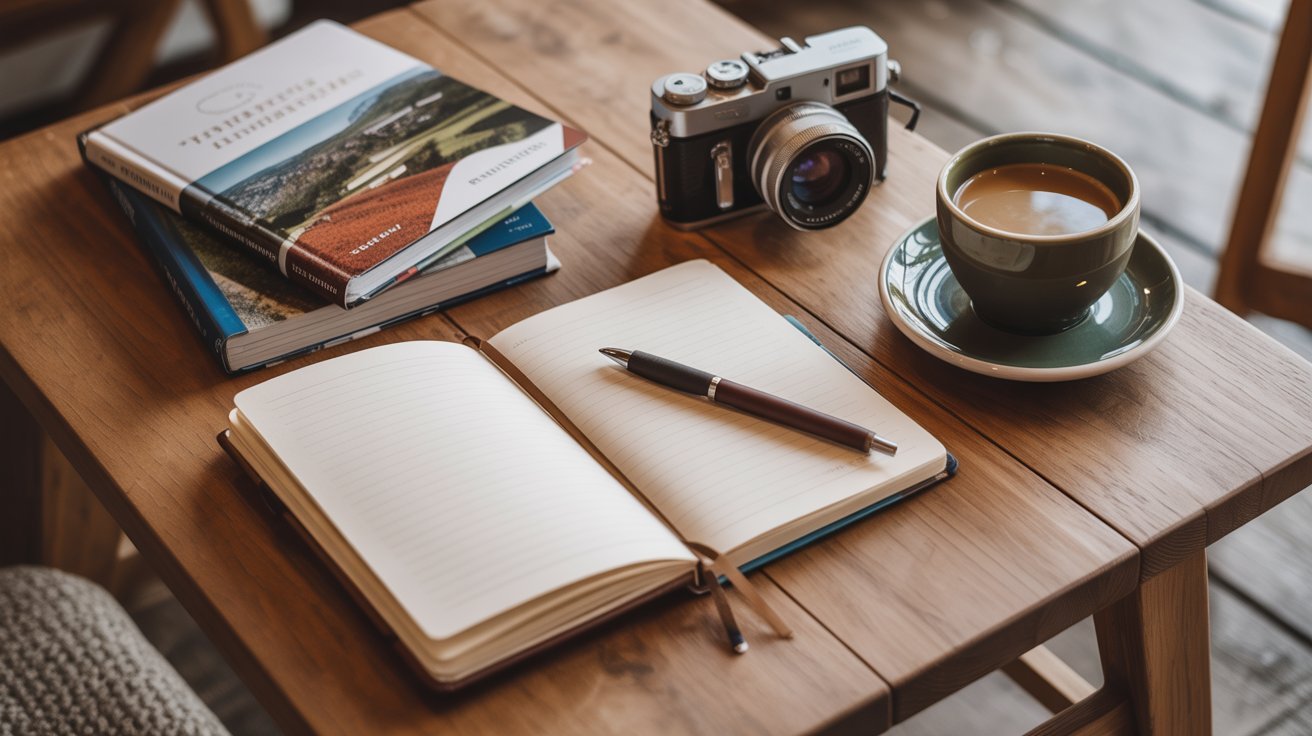
A small journal captures travel memories. Download guidebooks and offline maps to your phone.
Bring a deck of cards for hostel socializing.
Packing Tips for Efficient Travel
Master rolling techniques, climate layering, space maximization, and strategies for visiting multiple European cities.
- Roll clothes tightly to save space and reduce wrinkles. Place heavy items at the bottom. Shoes go first, then rolled clothes, then lighter items on top.
- Layer your clothing for different climates. Base layers, mid-layers, and outer layers work together. Pack for the coldest place you’ll visit.
- Fill every gap in your bag. Stuff socks inside shoes. Wear your heaviest items on travel days to save luggage weight.
- Weigh your bag before heading to the airport. Use a luggage scale at home to prevent expensive surprises at check-in.
- Pack lighter for city hopping. Leave space for laundry cycles. Ship souvenirs home instead of carrying them throughout your trip.
Conclusion
Your backpacking Europe packing list doesn’t need to be complicated. I’ve made every packing mistake possible, from overstuffed bags to forgotten chargers.
Now I pack light and actually enjoy my trips more. Focus on versatile items that work in multiple situations. Remember to check airline weight limits before you leave.
The less you carry, the more you’ll appreciate each destination. Start with this list and adjust based on your personal needs.
Ready to share your own packing tips? Drop a comment below and help other travelers pack smarter.
Frequently Asked Questions
How much should my backpack weigh for Europe?
Aim for 15-20 pounds maximum. This keeps you mobile and prevents shoulder pain. Pack less if you’re city hopping frequently.
What size backpack works best for European travel?
A 40-50 liter backpack fits most trips perfectly. This size meets carry-on requirements for most airlines. You avoid checked bag fees.
Should I pack different clothes for each European country?
No, pack versatile items that work everywhere. Choose neutral colors that mix and match easily. Do laundry weekly to repeat outfits.
Can I buy toiletries in Europe instead of packing them?
Yes, European stores sell everything you need. This saves space and weight in your bag. Bring only specialty items you can’t find abroad.
How many shoes should I bring to Europe?
Bring two pairs maximum. Wear comfortable walking shoes daily and pack one backup pair. Each extra pair adds bulk and weight.