





I remember staring at my computer screen, tabs open everywhere, trying to figure out this coastline.
How many days do I actually need? Which towns matter most? Should I even bother with the smaller places?
Sound familiar?
You want a trip that feels right, not rushed or boring. That’s exactly what this Amalfi Coast itinerary guide will give you.
Just real advice that helps you stop researching and start booking. You’ll feel confident about your choices instead of wondering if you’re missing something important.
Let’s get you ready for this trip.
Best Amalfi Coast Itineraries by Duration
Planning your time here depends on how many days you have. I’ve broken down options for different trip lengths so you can pick what works for you.
3-Day Amalfi Coast Itinerary
Three days give you a solid taste of the coast’s main highlights. It’s tight, but totally doable.
Day 1 starts in Positano. Spend your morning walking the steep streets and browsing shops. Hit the beach in the afternoon. The water is crystal clear, and you’ll want to swim.
Day 2 takes you to Amalfi town. The cathedral here is absolutely worth seeing. Grab lunch at a local spot and try the seafood. Walk around the main square and soak it all in.
Day 3 is for Ravello. This hillside town sits above everything else. The gardens at Villa Rufolo will blow your mind. Stay for sunset if you can.
5-Day Itinerary
Five days lets you slow down and actually relax. You’re not just checking boxes anymore.
Days 1 and 2 give you more time in Positano. Book a boat tour or rent kayaks. You can visit hidden beaches you can’t reach by land. The extra day means less rushing.
Day 3 in Amalfi town includes the paper museum. It sounds boring, but it’s actually cool to see how they make paper the old way. You’ll have time for a proper meal too.
Day 4 in Ravello means visiting both Villa Rufolo and Villa Cimbrone. The infinity terrace at Cimbrone is Instagram gold. Check if there’s a concert happening at Rufolo.
Day 5 brings you to Praiano. This town is quieter than the others. Find one of the hidden coves and spend the day swimming. It’s my favorite day of this whole Amalfi Coast itinerary.
7 to 10-Day Extended Itinerary
A week or more? Now you’re talking. You can see everything without feeling rushed.
Add Atrani to your list. It’s tiny and sits right next to Amalfi. Most tourists skip it, which is exactly why you should go. The locals still outnumber visitors here.
The Furore fjord is dramatic and different from everything else. The bridge over the gorge makes for great photos. There’s a small beach at the bottom if you’re up for the stairs.
Extra days mean you can take cooking classes. Learn to make pasta from scratch or try your hand at limoncello. These experiences stick with you more than another church visit.
Wine tastings in the hills above the coast are worth a half-day. The views are ridiculous, and the wine is local. You’ll try varieties you can’t get anywhere else.
Use your extra time to just hang out. Sit in cafes. Watch people. Shop without rushing. This is what vacation should feel like.
Must-Visit Towns Along the Amalfi Coast
Each town has its own vibe. I’ll break down what makes each one special so you can plan your Amalfi Coast itinerary around what matters to you.
Positano Highlights
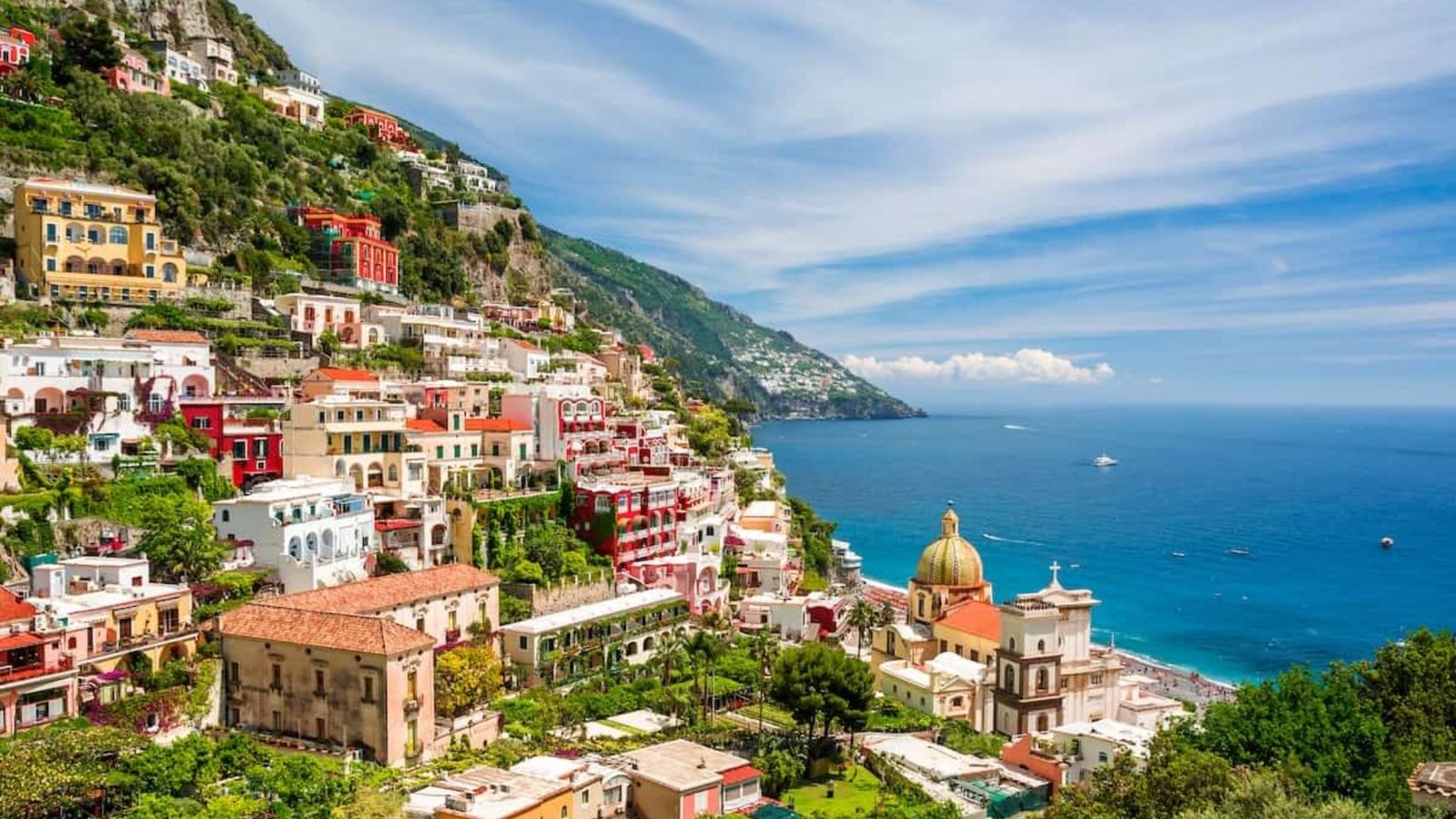
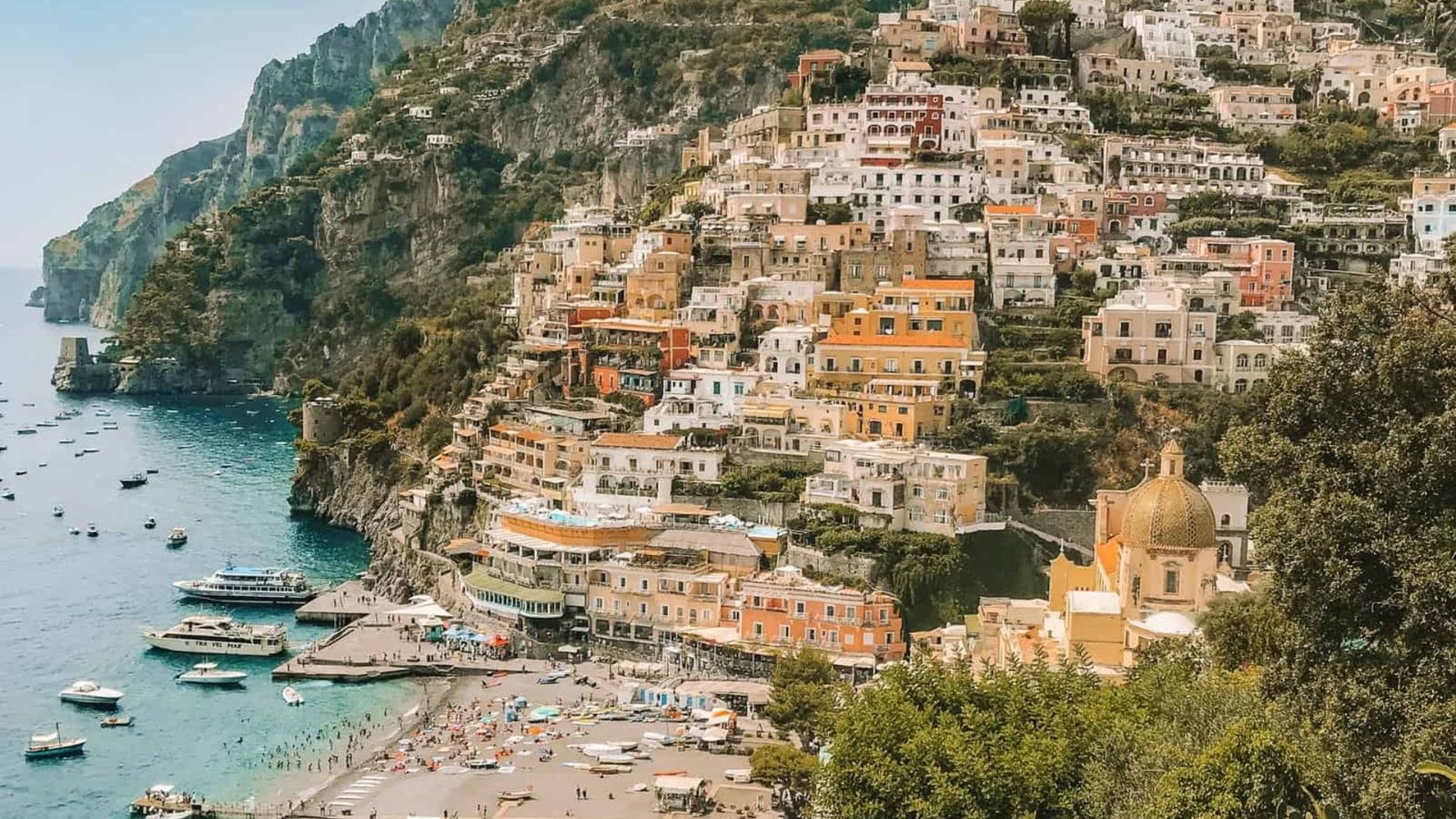
Positano is the postcard town. You’ve seen it in photos, and yes, it really looks like that.
The fashion boutiques here are famous. You can buy handmade sandals that fit your feet perfectly. They measure and make them while you wait. Bring cash because some smaller shops don’t take cards.
The Cathedral of the Virgin Mary sits near the beach. The dome covered in colorful tiles catches your eye from everywhere in town. Pop in for five minutes if churches aren’t your thing.
Beachfront cafes line the main beach. They’re pricey, but you’re paying for the view. Order an Aperol spritz and watch the sunset. The whole mountain lights up orange and pink.
Photography here is easy. Every corner looks good. Just watch your step on those stairs.
Amalfi Town
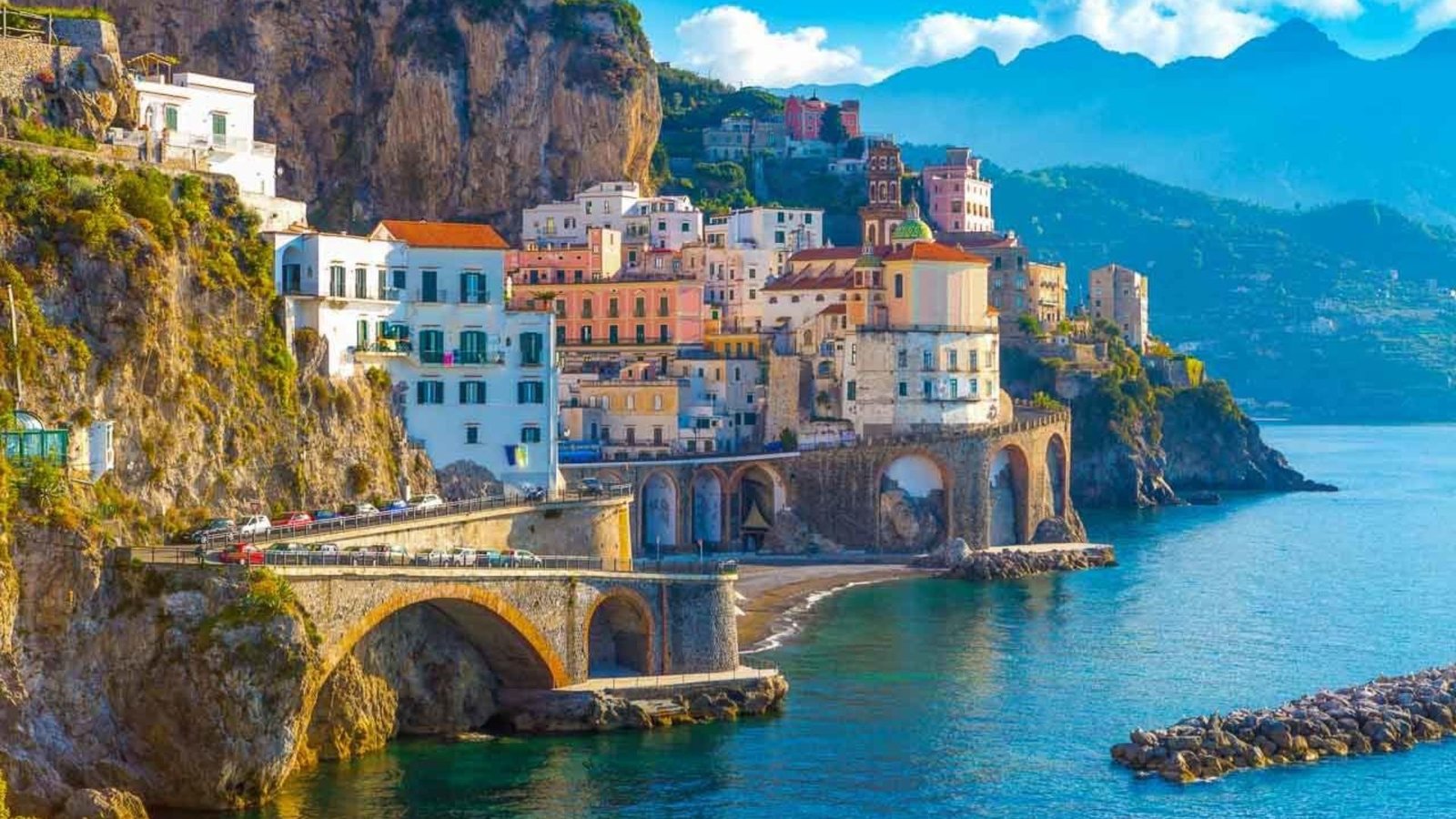
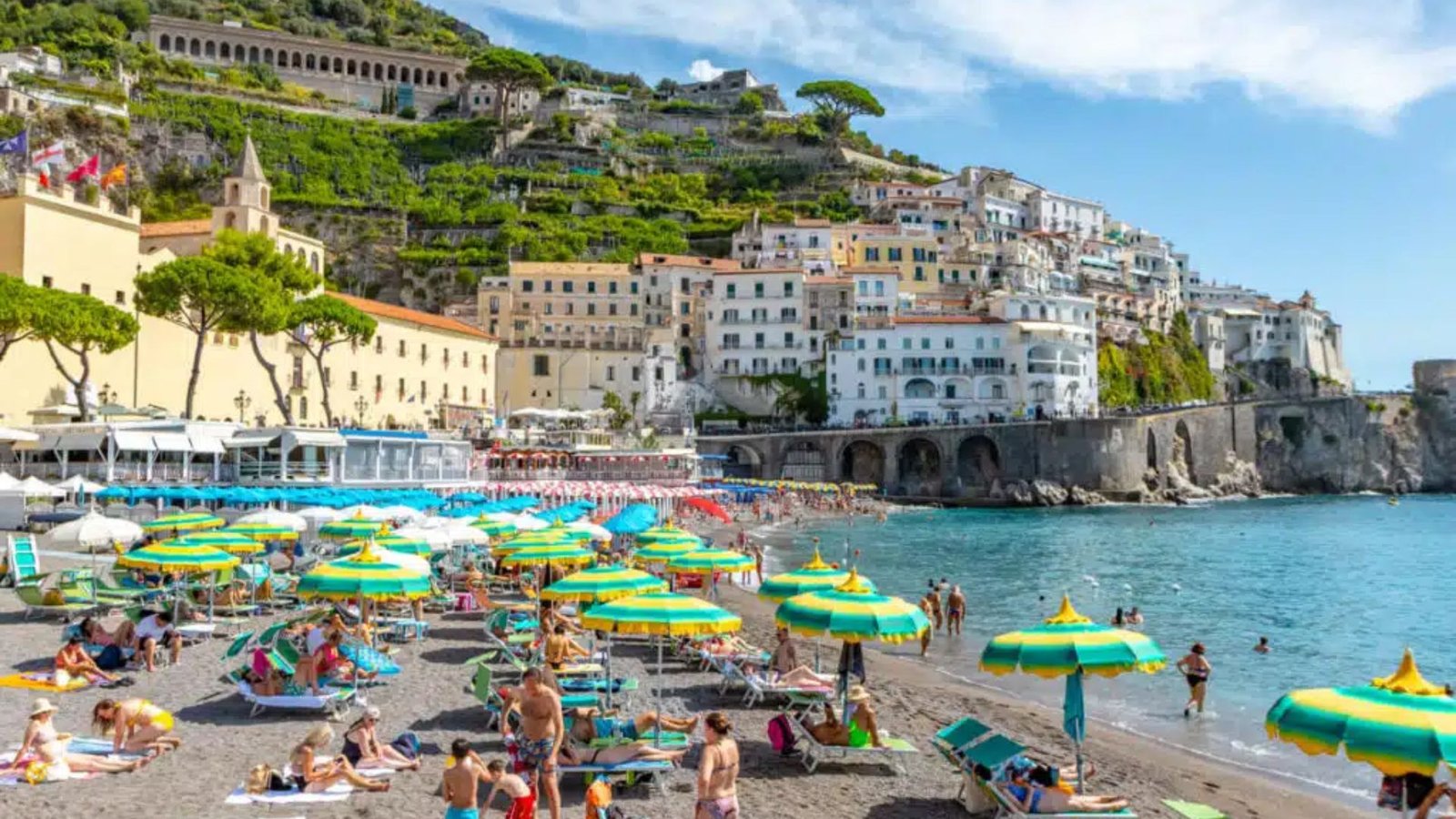
Amalfi town is bigger and less fancy than Positano. It feels more like a real place where people actually live.
The Duomo dates back to the ninth century. It’s dedicated to St. Andrew, and his relics are supposedly inside. The stairs leading up to it make a great photo spot. The black and white striped interior is different from other Italian churches.
Traditional paper shops sell notebooks and art made from handmade paper. This town has made paper since medieval times. The stuff you buy here will last forever.
Try the local pastries filled with ricotta and orange peel. They’re called sfogliatelle, and they’re everywhere. Get one fresh in the morning when they’re still warm.
The main square gets packed, but side streets stay quieter. Walk away from the water for better prices and fewer crowds.
Ravello’s Cultural Treasures
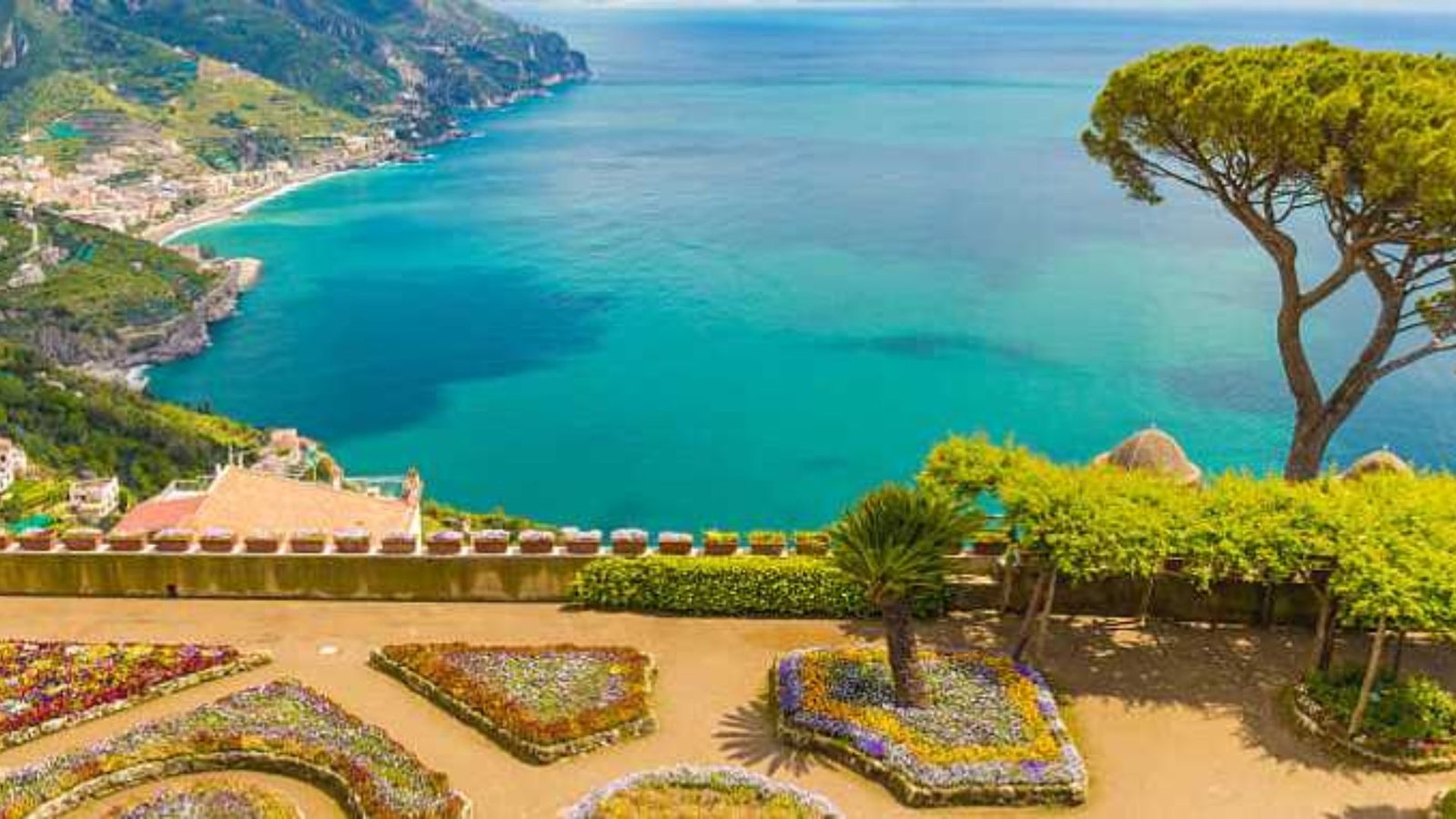
Ravello sits up in the hills. You have to drive or take a bus up from the coast, but it’s worth the effort.
Villa Rufolo hosts concerts during the summer. Wagner stayed here and got inspired. The gardens overlook the whole coast. Buy tickets in advance if there’s a show you want to see.
Villa Cimbrone has the famous infinity terrace. It’s called the Terrace of Infinity, and it’s not an exaggeration. The view stretches forever. Go early before tour groups arrive.
The Duomo of San Pantaleone is less crowded than other churches. The bronze doors are really old and still beautiful. The bell tower offers views if you want to climb.
Ravello feels fancy without being snobby. It’s a nice break from beach towns.
Planning Your Daily Activities
Getting your daily rhythm right makes everything easier. I learned this the hard way on my first trip.
- Start early. I mean, really early. Get up at 7 A, M and you’ll have places almost to yourself. By 10 AM, tour buses arrive, and everything gets packed. Those extra hours make a huge difference.
- Transportation between towns takes longer than you think. The coastal road is gorgeous but slow. Buses stop everywhere. Ferries are faster but don’t run in rough weather. Build in buffer time.
- You need to balance sightseeing with downtime. Don’t pack every hour with activities. Block out time to just sit and people-watch. Your brain needs breaks.
- Stop for meals at odd hours if you can. Lunch at 2 PM means smaller crowds and better service. Look for places where locals eat, not just tourist traps.
- Photography viewpoints are marked along the road. Pull over when you see them. The best ones aren’t always famous. Sometimes, a random curve in the road gives you the perfect shot.
Mix structured activities with free time. Your Amalfi Coast itinerary should have flex built in. Weather changes plans. You might fall in love with one town and want to stay longer. That’s fine.
What to Experience Beyond the Main Towns
The famous towns are great, but smaller spots offer something different. These places show you real coastal life.
Don’t skip the secondary towns just because guidebooks barely mention them. That’s actually the best reason to go.
- Praiano sits between Positano and Amalfi. It’s quiet and authentic. The town has a university history that most people don’t know about. Students used to come here to study. Now it’s just locals and a few smart travelers.
- Furore fjord is wild and dramatic. The landscape drops straight down to the sea. A bridge crosses the gorge, and there’s a tiny beach below. Climbing down and back up is a workout, but the views are worth sore legs.
- Atrani is officially southern Italy’s smallest town. You can walk across it in ten minutes. The main square opens right to the beach. Local families come here instead of fighting crowds in bigger towns.
- The Li Galli islands sit offshore. Ancient legends say sirens lived here and tried to lure sailors. You can take a boat tour around them. The water is incredibly clear.
- Local food markets happen in different towns on different days. Ask at your hotel when and where. You’ll see produce, fish, and cheese that never make it to restaurants. Buy some mozzarella and tomatoes for a picnic.
These spots won’t check boxes on your must-see list. They’ll give you stories nobody else has.
Practical Tips for Your Amalfi Coast Trip
Real talk about logistics. This stuff matters more than which church you visit.
- The best seasons are late April to June and September to early October. Summer is hot and packed. Winter sees many places closed. Spring and fall give you good weather without insane crowds.
- Transportation is tricky. Driving yourself means dealing with narrow roads and zero parking. Seriously, parking is a nightmare. Buses are cheap but slow and crowded. Private drivers cost more but save your sanity. Ferries work when the weather cooperates.
- Book accommodations early. Like, months early for summer trips. Good places fill up fast. Hotels in Positano cost more than in other towns. Praiano and Atrani offer better deals.
- Pack smart for coastal weather. Bring good walking shoes because everywhere has stairs and hills. Pack a light jacket even in summer. Evenings cool down. Sunscreen is expensive here, so bring it from home.
- Managing crowds means timing everything right. Visit popular spots at 8 AM or after 4 PM. Eat lunch late. Take ferries instead of buses when possible. Consider visiting in the shoulder season.
- Your Amalfi Coast itinerary works better when you plan for reality, not just highlights. These practical details make or break your trip.
Conclusion
You now have what you need to stop planning and start going. Your Amalfi Coast itinerary can be whatever works for your style and schedule.
The beauty of this place isn’t just the views or the food. It’s how it makes you feel when you’re actually there.
That first moment stepping into Positano. The smell of lemons everywhere. Watching locals go about their day while you sip coffee.
Those experiences are coming your way soon. Take this framework and make it yours. Book the trip. Get excited.
And when you’re sitting at that cafe overlooking the water, remember this moment right now when you decided to actually do it.
This is going to be good.
Frequently Asked Questions
How Do I Get Around the Amalfi Coast Without a Car?
The SITA bus system connects all major towns and runs frequently. Ferries operate between coastal villages from April through October. Hiring a private driver costs more but eliminates stress and parking headaches.
Where Should I Stay on the Amalfi Coast?
Positano offers luxury and views, but costs the most. Amalfi town providesa central location with reasonable prices. Praiano and Atrani give you authentic experiences and lower rates. Choose based on your budget and preferred atmosphere.
What Local Foods Should I Try During My Visit?
Go beyond pizza and try scialatielli pasta with seafood, delizia al limone dessert, and fresh anchovies. Visit family-run trattorias away from tourist areas. Look for seasonal ingredients like zucchini flowers in spring and porcini mushrooms in fall.
Can I Visit the Amalfi Coast as a Day Trip?
You can visit from Naples or Rome, but it’s rushed and exhausting. You’ll spend most of your time traveling. A day trip lets you see one or two towns maximum. Multi-day stays let you actually experience the place.
Is the Amalfi Coast Suitable for Families With Young Children?
Yes, but plan carefully. Positano and Ravello have many stairs and steep paths. Amalfi town is more stroller-friendly. Beaches work great for kids. Book ground-floor accommodations or places with elevators. Avoid peak summer heat with young children.