



Planning a winter trip to Iceland? I’ve got you covered with a complete 5-day itinerary that hits all the highlights.
This guide walks you through everything from chasing the Northern Lights to exploring ice caves and soaking in geothermal springs.
I’ve done the research so you don’t waste time figuring it out yourself.
Let’s get you ready for an incredible Iceland winter trip.
Getting to Iceland
Most international flights arrive at Keflavík International Airport, about 50 minutes from Reykjavik. Direct flights from the US East Coast take 5-6 hours.
You have two main options: rent a car or book guided tours. Renting a 4×4 or SUV costs $80-150 per day.
Self-driving offers schedule flexibility but requires confidence in winter conditions. Book 2-3 months ahead. Guided tours run 8-12 hours with hotel pickup.
Guides handle driving and adjust routes based on weather. Tours cost $100-200 per person per day. Less flexibility but zero weather-related stress.
5 Day Iceland Winter Itinerary
Experience Iceland’s top attractions including the Golden Circle, glacier ice caves, black sand beaches, Northern Lights, and geothermal spas.
Day 1: Arrival, Sky Lagoon & Reykjavik Food Tour
Most flights arrive early in the morning. Clear customs, grab your rental car, and check into your hotel around 2-3 PM.
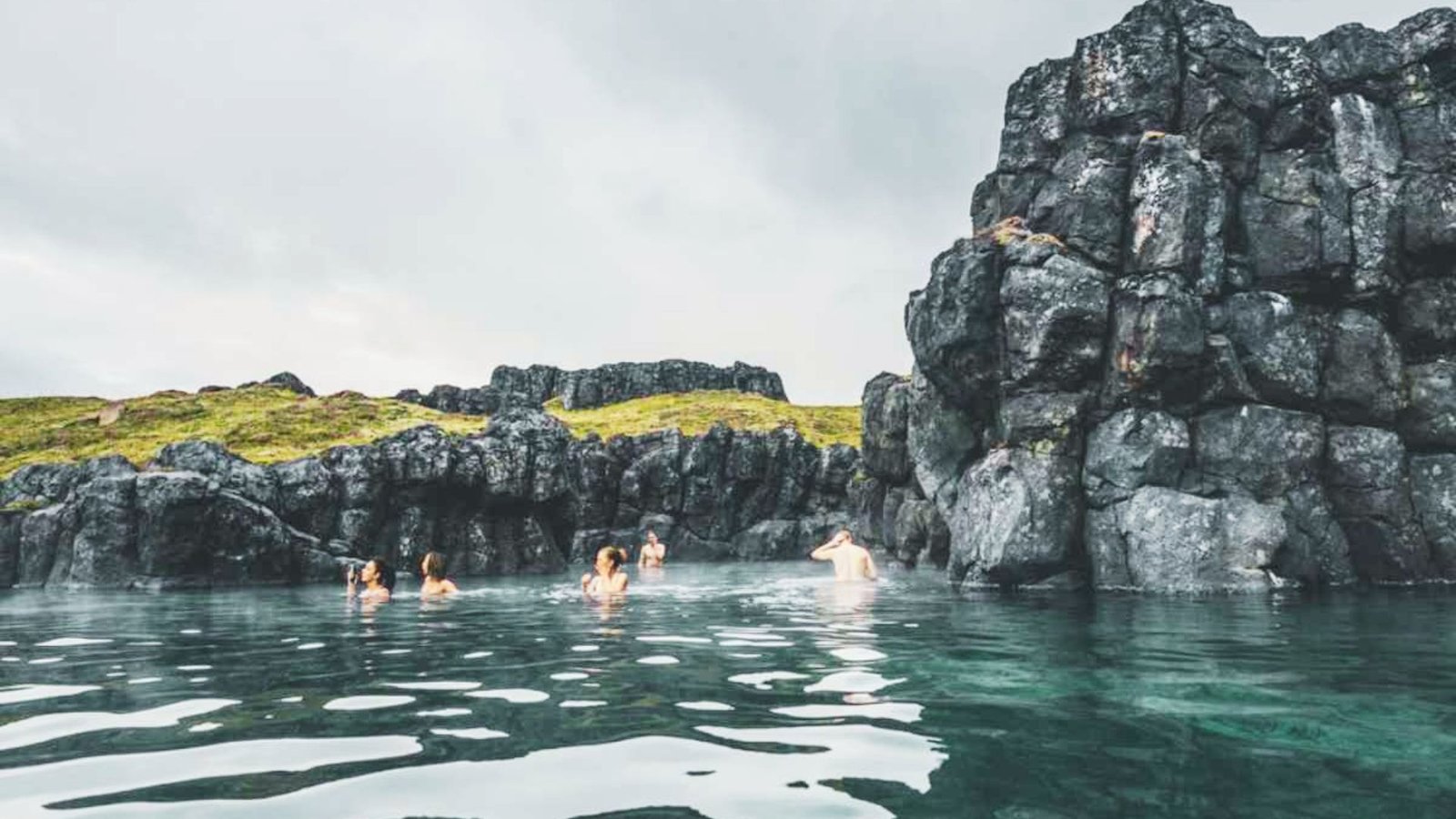
Sky Lagoon sits 15 minutes from downtown Reykjavik. This geothermal spa has a 7-step bathing ritual. The Pure package costs $75.
A food tour runs 3-4 hours. You’ll try Icelandic hot dogs, Arctic char, skyr, fermented shark, and lamb soup. Tours cost $100-140 per person.
Day 2: Visit Reykjavik & Northern Lights
Visit the National Museum of Iceland ($15) and Grótta Lighthouse for coastal views. Head to Hallgrímskirkja Church for panoramic city views ($10).
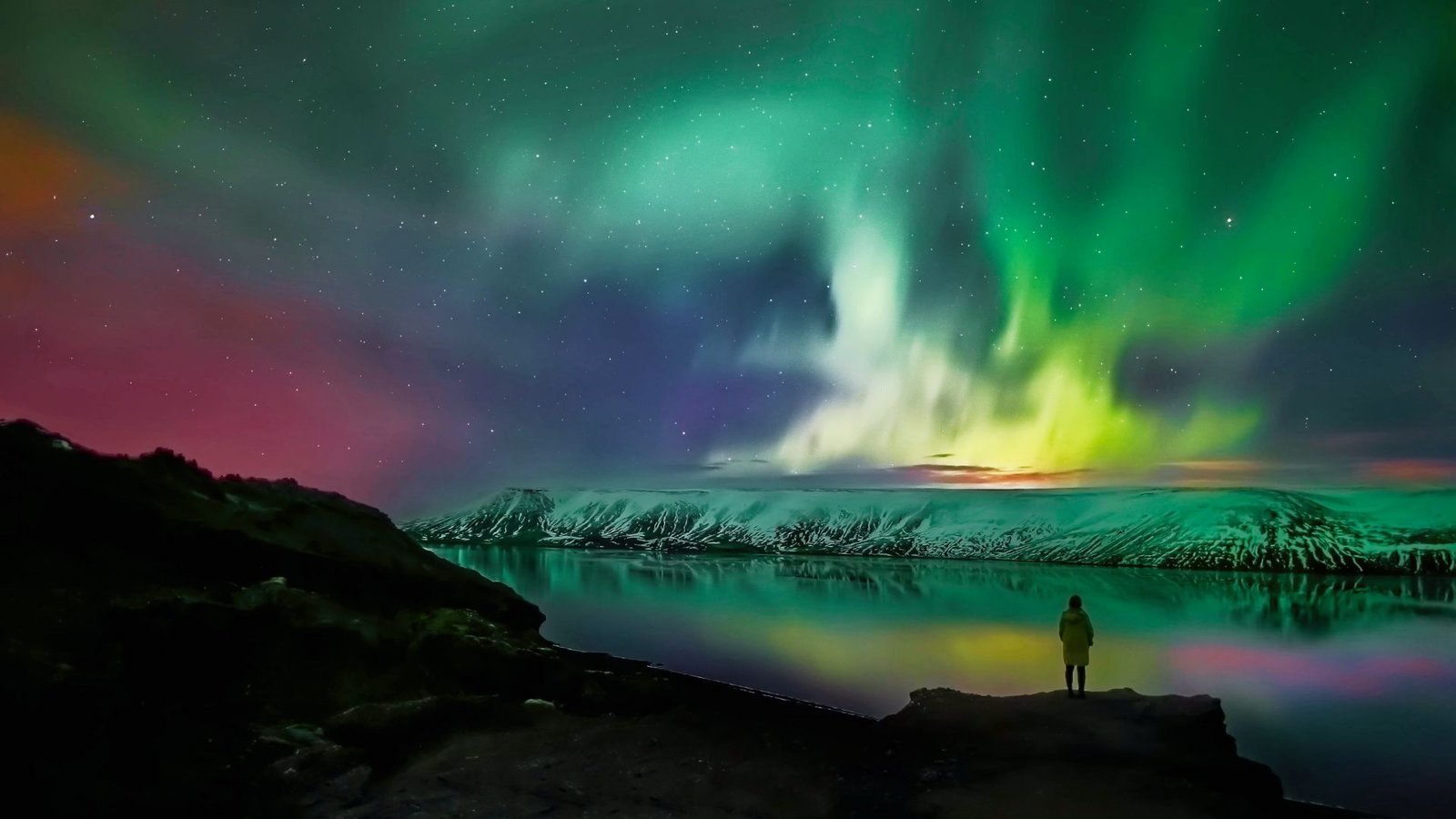
Walk down Rainbow Street for shopping and grab lunch ($15-25). Book a Northern Lights tour leaving around 8-9 PM.
Super Jeep tours access remote locations away from city lights. Tours cost $80-120 and run 3-5 hours.
Day 3: Golden Circle Adventure
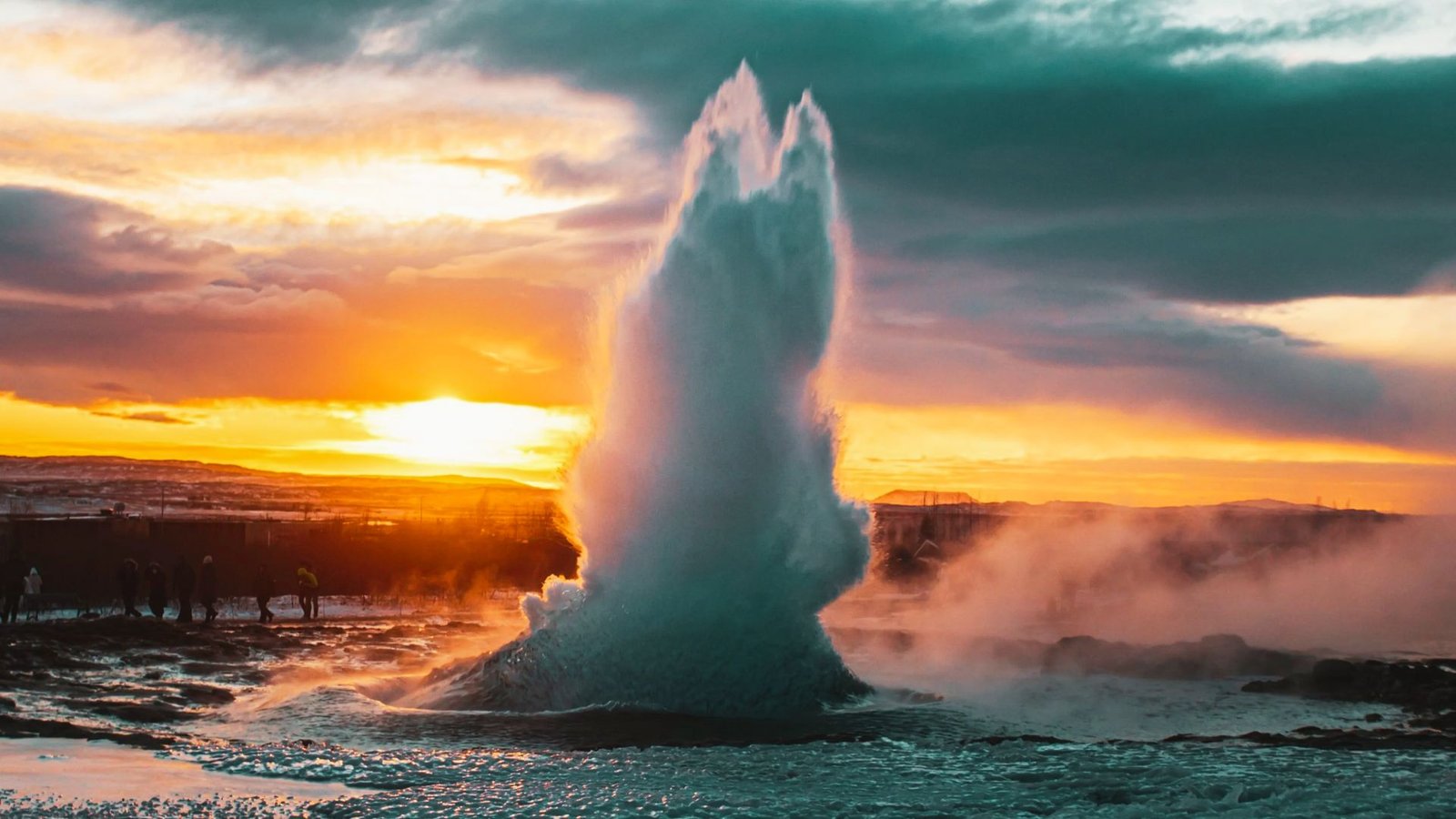
The Golden Circle is a 300-kilometer loop taking 6-8 hours. Thingvellir National Park sits between North American and Eurasian tectonic plates.
See the gorge walking path, waterfall, and former parliament site. No entrance fee. Strokkur geysers erupt every 5-10 minutes, shooting water 60-100 feet high.
Stay on marked paths. Gulfoss drops 105 feet in two tiers. Winter ice creates frozen sculptures. Wear waterproof layers.
Stop at Fridheimar greenhouse restaurant for tomato soup with unlimited refills ($25-35).
Day 4: Ice Cave Tour & Black Sand Beach
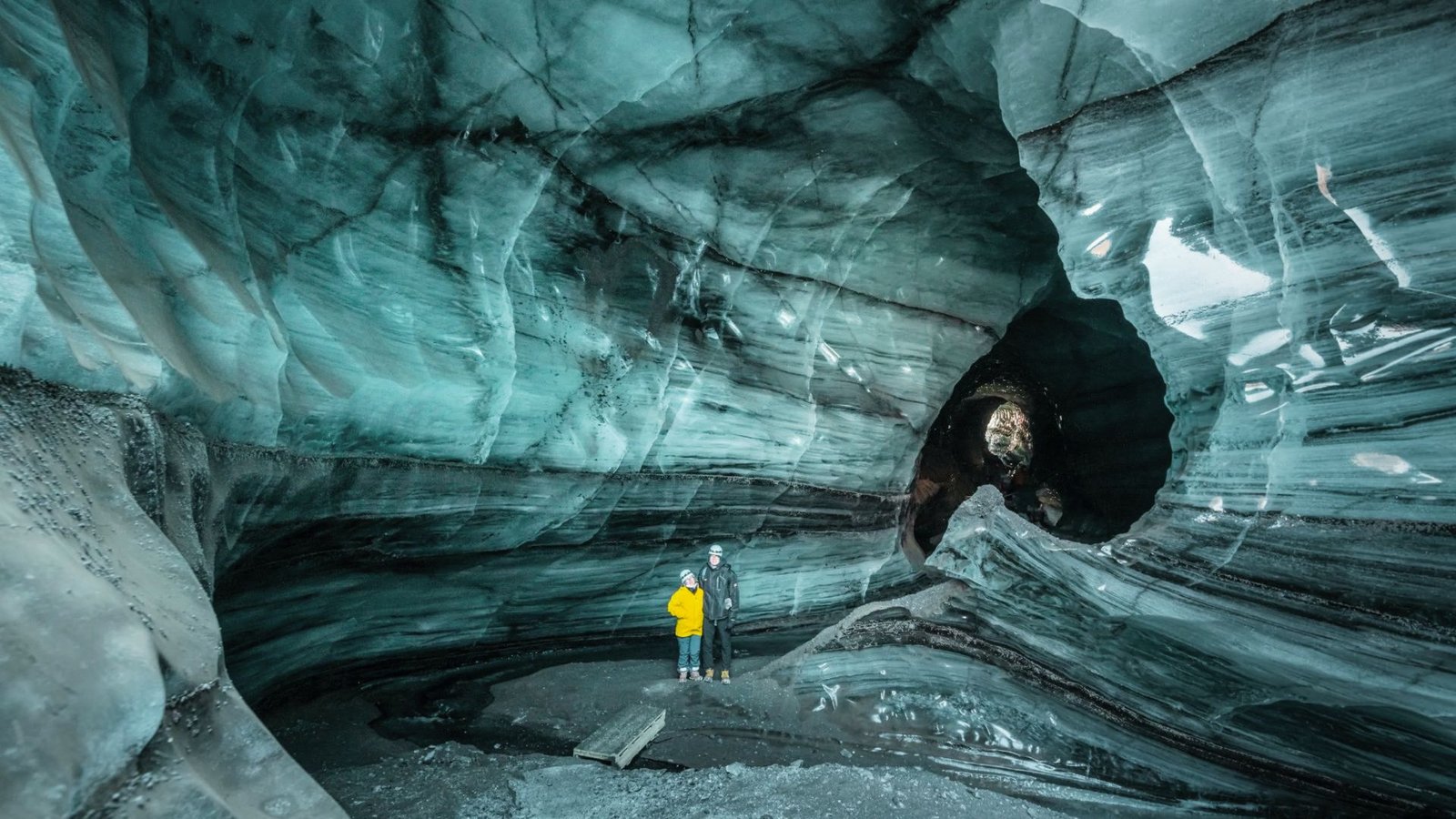
Today focuses on Iceland’s south coast, including a glacier ice cave. The Katla ice cave sits inside Mýrdalsjökull glacier. Tours access the cave via super jeep.
You’ll wear helmets and crampons to walk safely on ice. The cave features blue and black ice layers from volcanic ash. Tours last 3-4 hours including drive time.
Cost runs $120-180 per person. Stop in Vík for lunch. Budget $20-30 per person. Reynisfjara Black Sand Beach sits 10 minutes from Vík.
The beach features jet black volcanic sand, basalt sea stacks, and hexagonal basalt columns.
Day 5: South Coast Waterfalls & Departure
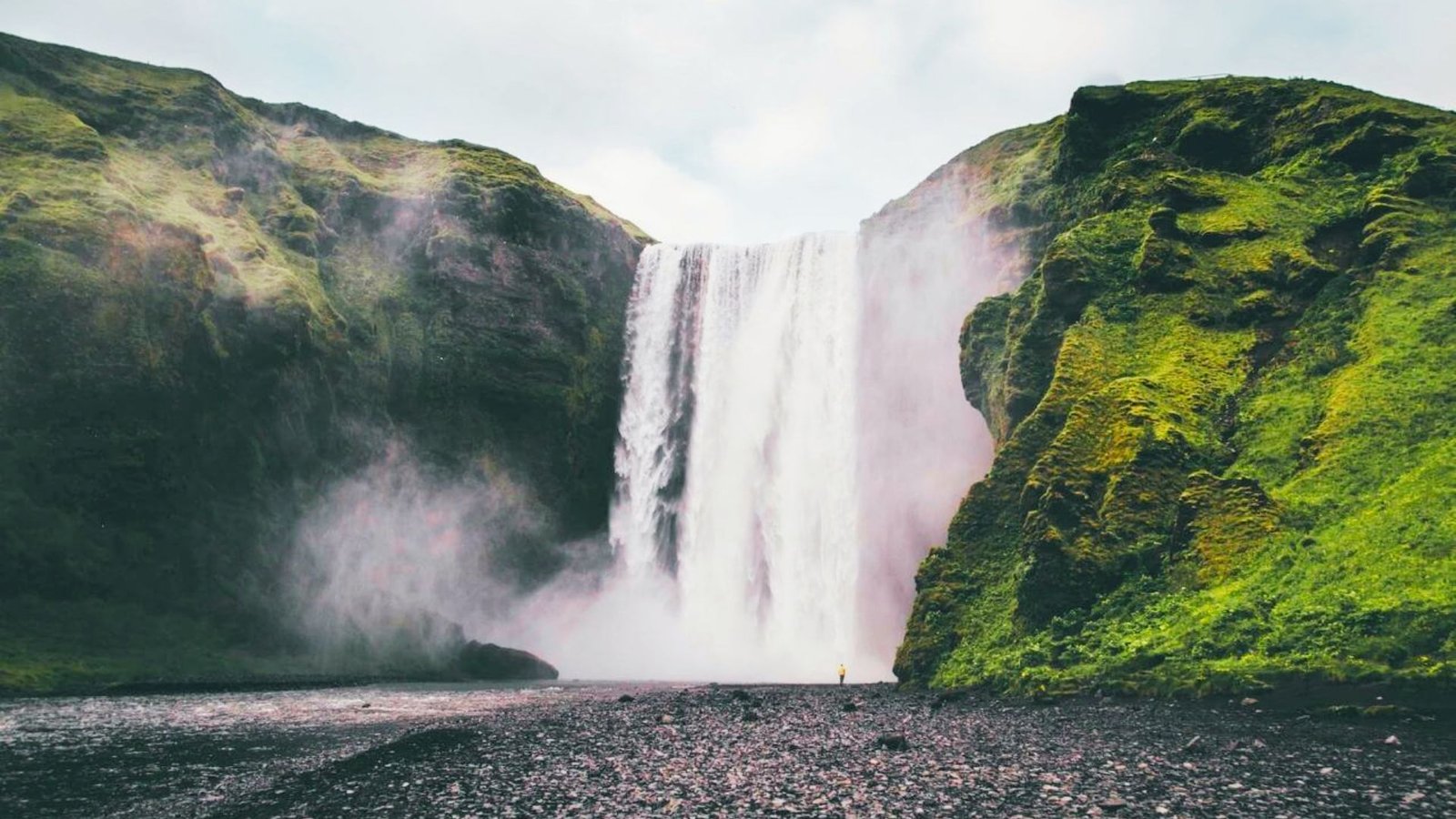
Your final morning covers two famous waterfalls before heading to the airport. Seljalandsfoss lets you walk behind the waterfall via a path.
Winter ice makes this path dangerous and often closed. Skógafoss sits 30 minutes east. This 200-foot waterfall creates constant mist that freezes on everything nearby.
Both waterfalls are free to visit. Allow 2.5-3 hours for the drive back to the airport. Fill up gas in Selfoss or Hveragerði and return your rental car 2 hours before your flight.
What to Pack for Winter in Iceland
Iceland’s winter weather demands proper clothing. Temperatures range from 25-40°F, but wind makes it feel colder.
Pack thermal base layers, fleece mid-layer, waterproof jacket, warm pants, and wool socks. Snow boots with good traction are essential.
Consider crampons ($20-30) for icy trails. Bring insulated gloves, scarf, beanie, and sunglasses for glacier tours.
Don’t forget a swimsuit for hot springs and extra camera batteries. Dress in layers you can remove since buildings and cars have strong heating.
Conclusion
I still remember standing at Gulfoss in winter, watching ice crystals form in the mist. Iceland in winter feels different than anywhere else I’ve traveled.
The combination of fire and ice, darkness and Northern Lights, creates something I can’t quite describe. Your Iceland itinerary for 5 days doesn’t need to be complicated.
Pick your must-see spots, leave room for weather changes, and don’t overpack your schedule. Winter days are short, but that makes the experiences more concentrated.
Start planning now. Book your flights and accommodations first. Then layer in activities.
Have you been to Iceland in winter? Drop a comment below and share your experience.
Frequently Asked Questions
How long should I spend in Iceland during winter?
Five days works well for first-time visitors. You’ll see major highlights without feeling rushed. Add 2-3 extra days if you want to visit the Eastfjords or Snæfellsnes Peninsula.
Is it safe to drive in Iceland during winter?
Yes, if you rent a proper 4×4, drive slowly, and check weather forecasts daily. Roads close during storms. Guided tours are safer if you’re uncomfortable with winter driving.
When is the best time to see the Northern Lights in Iceland?
September through April offers the darkest skies. Peak season runs November through February. You need clear skies, darkness, and solar activity. There’s no guarantee you’ll see them.
How expensive is Iceland for tourists?
Very expensive compared to most destinations. Budget $150-200 per person daily for mid-range travel. That covers accommodation, food, gas, and activities. Alcohol and dining out cost significantly more.
What should I wear for ice cave tours?
Dress in warm layers with waterproof outer clothing. Tour companies provide helmets and crampons. Wear sturdy hiking boots, thick socks, insulated gloves, and a warm hat. Bring a small backpack for extra layers.