






I’ve spent years helping travelers plan trips to remote destinations, and Easter Island always tops the “seems impossible” list.
But here’s the truth: visiting this Pacific island is easier than you think.
Those giant Moai statues? They’re waiting for you in 2026.
I’m going to walk you through exactly how to get there, what it costs, and what rules you need to follow. No complicated planning or guesswork.
Just straightforward advice from someone who knows how remote travel actually works.
Let me show you how to make this trip happen.
Yes, You Can Visit Easter Island, Here’s How

The short answer? Flying is your only option. But don’t worry. Thousands of travellers make this trip every year.
Flying to Rapa Nui
You’ll fly from Santiago, Chile. That’s the only commercial route available. The flight takes about 4.5 hours over the open ocean.
Book early. I mean, really early. Flight prices can swing wildly based on season and availability.
Expect to pay anywhere from $500 to $1,200 for a round trip. High season (December through February) costs more. Shoulder seasons offer better deals.
LATAM Airlines operates most flights. They run several flights per week, sometimes daily during peak times.
Entry Requirements and Customs
Easter Island is Chilean territory. That means you follow Chile’s visa rules. Check if your country needs a visa before booking anything.
U.S., Canadian, and most European citizens don’t need a visa for stays under 90 days. But always verify current requirements.
Customs checks happen right on the island. They’re strict about protecting the local ecosystem. No fresh food, plants, or certain items allowed.
Bring your passport, return flight confirmation, and proof of accommodation. Immigration officers may ask to see hotel bookings.
When to Plan Your Easter Island Trip
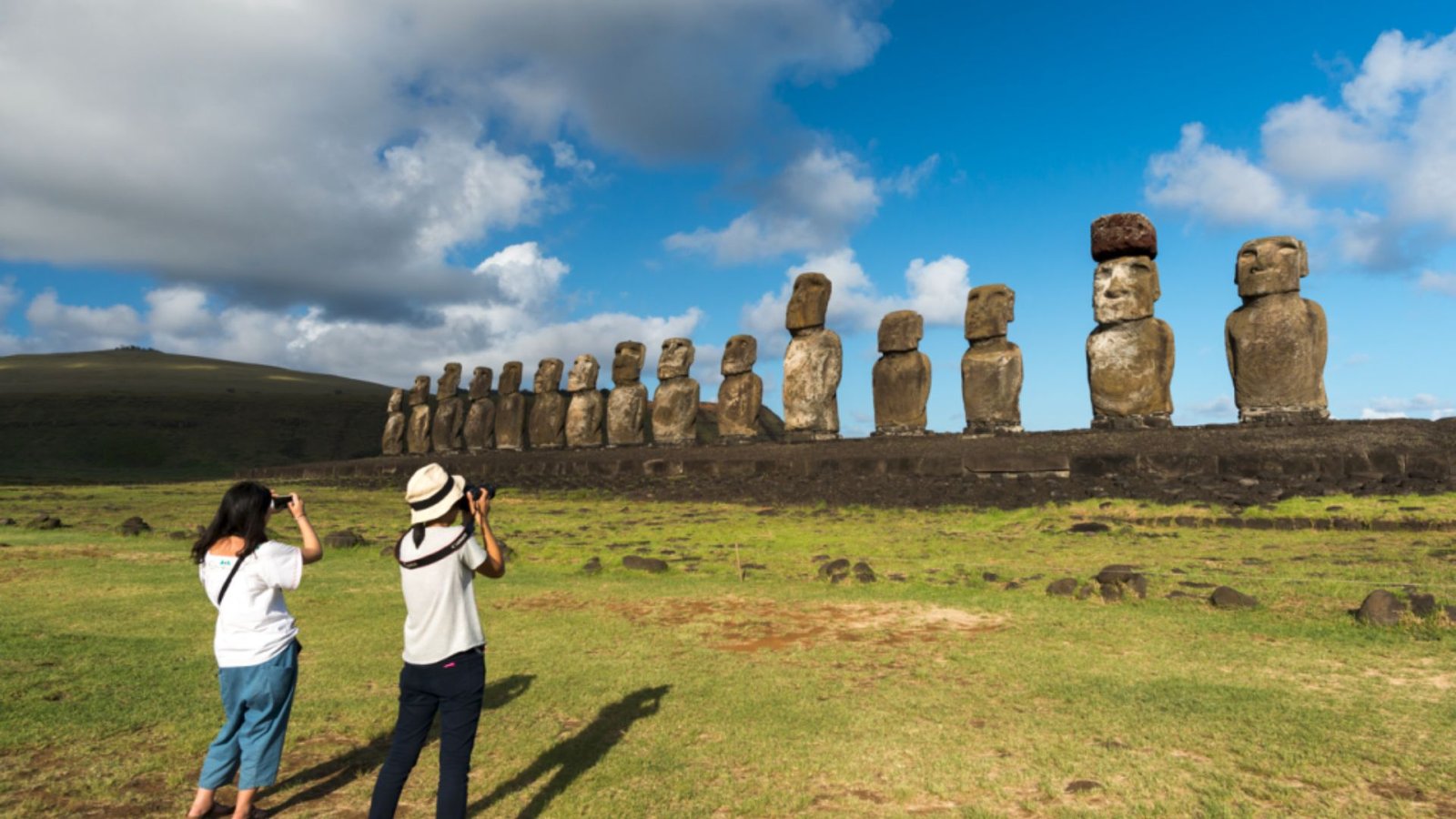
Timing matters when you plan a trip this remote. Weather, crowds, and costs all change throughout the year.
How Long Should You Stay
Three to four days minimum. That gives you time to see the main archaeological sites without rushing.
I recommend four to five days if you can swing it. You’ll actually relax and soak in the experience. Plus, you avoid that exhausted feeling from cramming everything into 48 hours.
Some people do two-day trips. Honestly? That’s barely enough time to recover from jet lag and see a few sites.
A full week lets you visit hidden spots most tourists miss. You can also take rest days between activities.
Best Time to Visit
December through March is summer on the island. Warm weather, less rain, but more tourists and higher prices. Temperatures hover around 70-75°F.
April through June and September through November are sweet spots. Good weather, fewer crowds, better rates. You get the best of both worlds.
Winter hits from June through August. Temperatures drop to the 50s. Rain becomes more frequent. But here’s the thing: it’s never truly cold.
Pack layers no matter when you go. The weather changes fast on this tiny island. One minute it’s sunny, next minute you’re in a drizzle.
Booking Your Easter Island Activities

Can you visit Easter Island without booking tours in advance? Technically, yes, but you’ll miss most historical sites. Here’s why.
Why You Must Book Guides in Advance
About 90% of archaeological sites require licensed guides. The Chilean government protects these areas strictly. You can’t just wander in alone.
Private tours are the standard here. Group tours exist, but fill up fast. During high season, showing up without reservations means you might not get in anywhere.
Licensed guides know the history and stories behind the Moai. They make the experience way more meaningful than just looking at stone statues.
Tour operators handle your entire itinerary. They coordinate multiple sites, manage timing, and deal with park permissions.
Working with Tour Companies
Good packages simplify everything. One booking covers your flights, hotel, transfers, and guided tours.
Most packages include airport pickup, accommodation, daily tours, and some meals. You pay more upfront,but save hassle and usually money overall.
Local tour companies understand the island’s quirks. They know which sites to visit when for the best light and smallest crowds.
Book at least three months ahead for the high season. Two months of work for the shoulder season. Last-minute bookings? Good luck finding what you want.
What You Need to Know Before Arrival

Can you visit Easter Island on a budget? Sort of. But you need to understand the costs upfront. This place is expensive.
Money Matters on the Island
Chilean Pesos are the main currency. Most places accept U.S. dollars, too, but the exchange rate won’t be great.
ATMs exist only in Hanga Roa, the main town. Just a handful of them. They sometimes run out of cash on weekends.
Anakena Beach is cash-only. It’s the island’s most popular beach. Withdraw money before you go, or you’re out of luck.
Everything costs more here. Food, water, sunscreen, you name it. Remote location means high shipping costs. A simple meal runs $15-25 per person.
Internet and Connectivity
WiFi exists only in Hanga Roa. Even there, it’s slow and unreliable. Hotels have it, but don’t expect to stream videos.
Your cell phone probably won’t work well. International roaming is spotty at best. Some providers don’t cover the island at all.
Consider this a blessing. When can you truly disconnect these days? Use the time to be present.
Download maps, tour confirmations, and any important documents before you leave Santiago. Once you land, the internet becomes a luxury.
Getting Around the Island
No public buses run on Easter Island. Tour buses pick you up for organised activities. That’s about it for public transport.
Rental cars are available in Hanga Roa. Book ahead online. Showing up and hoping for availability? Risky move, especially in high season.
Bicycles work great here. The island is small and mostly flat. Many hotels rent bikes. It’s the cheapest way to visit on your own.
Local taxis operate around town. No Uber or Lyft. Arrange taxi pickups through your hotel for better reliability.
Rules and Etiquette When Visiting
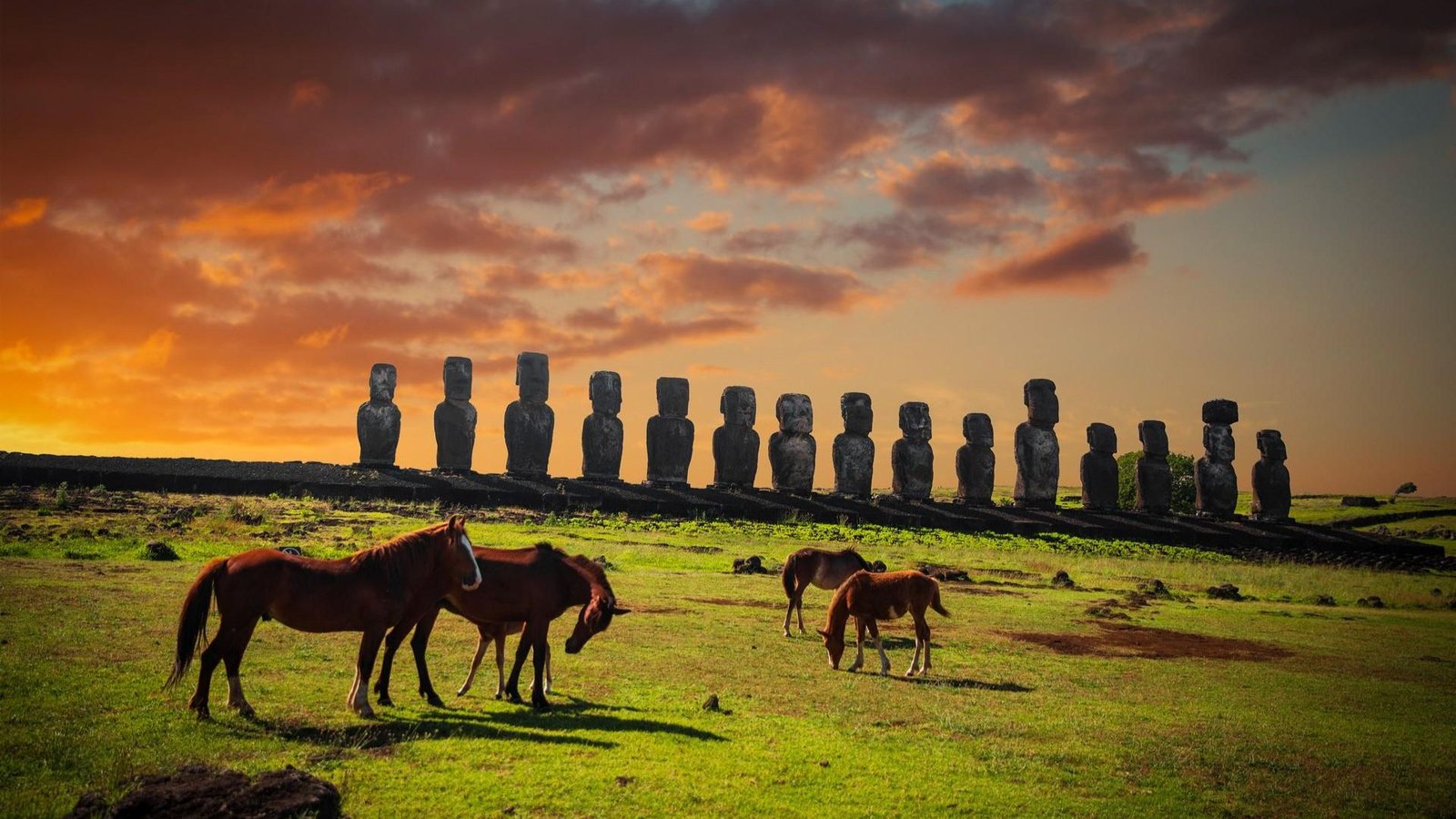
The island has strict rules to protect its ancient monuments. Break them, and you’ll face serious consequences.
- Never touch the Moai statues. I mean,never. Fines reach up to $17,000. Guards patrol sites and will catch you.
- Local laws exist because these monuments are deteriorating. Oil from human skin speeds up the decay. You might think one touch won’t hurt, but multiply that by thousands of tourists.
- Stay on marked paths at all archaeological sites. Climbing on platforms or walls is prohibited. Drones require special permits.
- Photography is allowed almost everywhere. Flash photography might be restricted at some indoor sites. Always ask your guide first.
- Respect the local culture. These aren’t just tourist attractions. They’re sacred sites for the Rapanui people. Behave accordingly.
Must-See Experiences on Easter Island
So,o can you visit Easter Island and actually see everything worth seeing? With good planning, yes. Here are the absolute highlights.
- Sunrise at Ahu Tongariki is non-negotiable. Fifteen massive stands against the rising sun. It’s the island’s largest ceremonial platform. Get there early; it fills up fast.
- Anakena Beach offers the only white sand on the island. Palm trees, clear water, and a few Moai nearby. Perfect for an afternoon break.
- The Rano Raraku quarry is where all the Moai were carved. Hundreds of statues in various stages of completion still sit here. Some were buried up to their necks in hillsides.
- Hike Mauna Terevaka for panoramic views from the island’s highest point. It’s not a hard climb. On clear days, you see the entire island stretched below you.
- Visit the lava tube caves near the coast. Bring a flashlight. These natural formations show how volcanic activity shaped the island.
- The north coast has fewer tourists but equally impressive sites. Ask your guide about lesser-known locations. They know hidden spots most visitors never see.
- Each site tells part of the island’s fascinating history. Give yourself time to absorb it all. Rushing through diminishes the experience.
Practical Packing and Money-Saving Tips
Smart packing and timing can save you hundreds of dollars. Here’s what actually works.
- Bring rain gear, no matter what month you visit. The weather shifts fast. A lightweight rain jacket fits in any bag and saves you from buying overpriced gear on the island.
- Pack everything you need from Santiago. Sunscreen, snacks, toiletries, medications. Island prices are double or triple mainland costs. That $3 sunscreen becomes $10 here.
- Airport security in Santiago allows certain sealed snacks. Bring protein bars, crackers, or dried fruit. Restaurant meals add up quickly.
- Visit during shoulder season (April-May or September-November) for better rates. Hotels drop prices by 20-30%. Flights cost less, too.
- Book longer stays for cheaper per-night flight costs. Airlines often offer better rates for trips over five days. Plus, you spread the high flight cost over more days of experience.
- Rent bikes instead of cars for short trips. Cars run $50-80 per day. Bikes cost $10-15. The island is small enough to cycle most places.
- Bring a refillable water bottle. Buy large bottles from grocery stores in Hanga Roa instead of single bottles everywhere you go.
Conclusion
Can you visit Easter Island? Yes, and you absolutely should. The planning is worth it.
This remote island offers something you can’t find anywhere else. Ancient Moai statues, rich culture, and true disconnection from the busy world.
I’ve given you the practical info you need. Flights, costs, timing, and rules. Now you can book with confidence.
Seeing those stone giants in person changes you. It’s more than just a vacation. It’s an experience that stays with you.
Start planning today. Your Easter Island trip is waiting.
Frequently Asked Questions
How Much Does It Cost to Visit Easter Island?
Budget $2,500-4,000 per person for a week. Flights from Santiago start at $500 but often cost more. Hotels run $80-200 nightly. Meals average $20-40 daily. Tours add $300-600, depending on how many you book. Everything costs more due to the remote location.
Do I Need a Visa to Visit Easter Island?
Easter Island follows Chilean visa requirements. U.S., Canadian, and most European citizens don’t need a visa for stays under 90 days. Citizens from other countries should check Chile’s current visa policies. Bring your passport and proof of onward travel. Immigration checks happen on arrival.
Is Easter Island Safe for Tourists?
Very safe. Crime rates are low, and violent crime is rare. The main risks are sunburn and dehydration from outdoor activities. Bring reef-safe sunscreen and drink lots of water. Medical facilities are basic, so bring any prescription medications. Travel insurance is smart for such a remote location.
What Language Do They Speak on Easter Island?
Spanish is the primary language. Most locals speak Rapanui, the indigenous language. Learn “Iorana” for hello. English is common in hotels and tour operations but limited elsewhere. Download a translation app before arriving. Basic Spanish phrases help a lot when shopping or dining in local spots.
Can You See the Moai Without a Guide?
Some Moai sites are accessible without guides, like those in Hanga Roa town. But 90% of archaeological sites require licensed guides by law. This protects the monuments and gives context to what you’re seeing. Hiring a guide dramatically improves your experience. They share stories you’d never learn from just looking.